


- An escalation of the conflict in the Middle East will send the euro tumbling.
- A deal between the US and Iran could trigger a rollercoaster ride for EURUSD.
The US dollar has stalled amid the increasingly complex situation in the Middle East. Donald Trump has stated that negotiations with Iran are going well, saying that the outcome will be either a major deal or no deal at all. Both sides appear keen to avoid a return to open conflict. However, the attack by US ships on mine-laying vessels in the Strait of Hormuz has led to mutual missile strikes between the opposing sides.
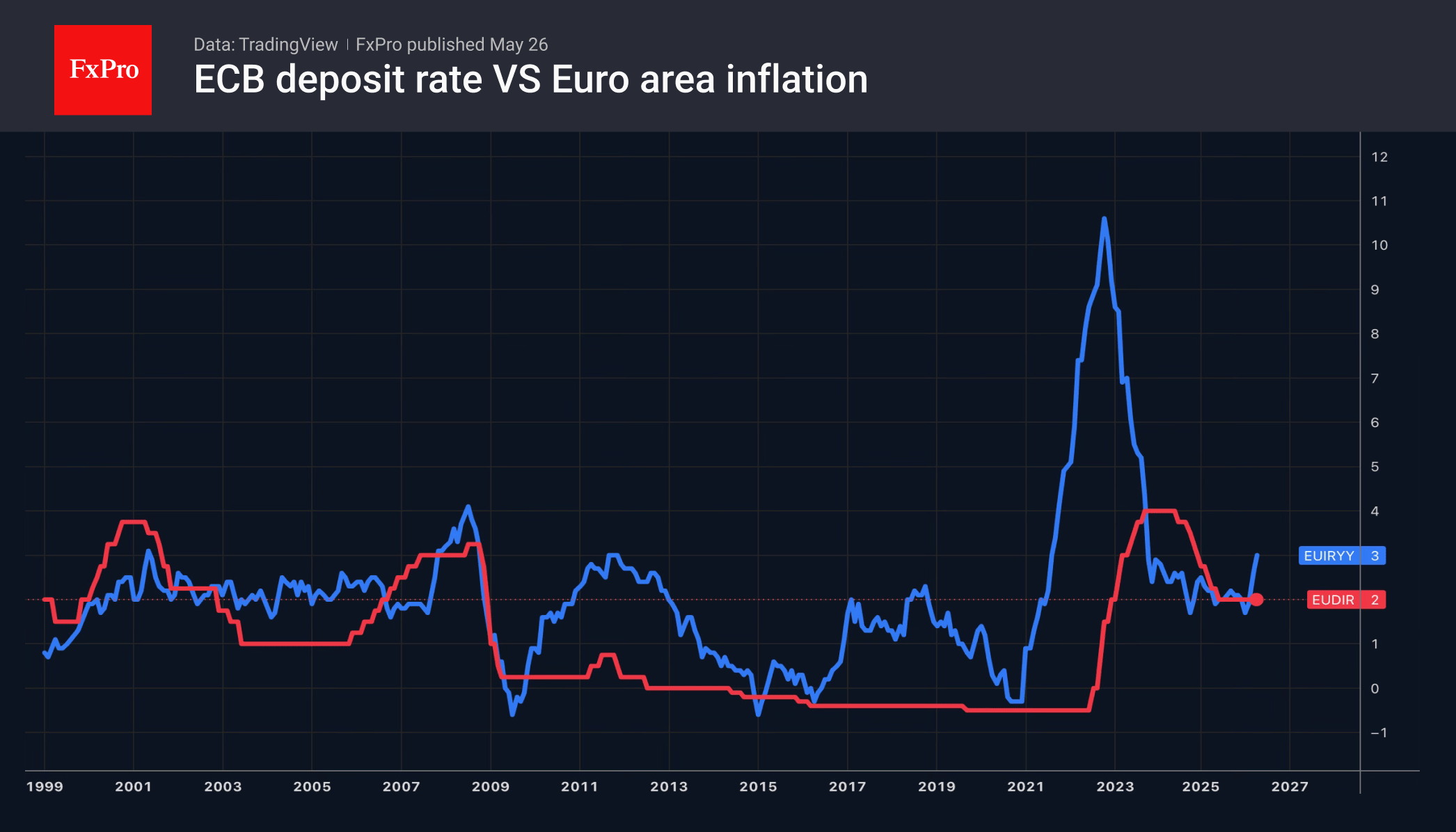
Without a significant de-escalation, the EUR risks continuing to decline. According to François Villeroy de Galhau, the ECB has not yet seen any signs of second-order effects on inflation. This means the deposit rate will rise by less than markets expect.
Meanwhile, signals from the Fed are becoming more hawkish, reinforcing the view that the federal funds rate will rise in 2026. Christopher Waller stated that, given the stabilising labour market and stubbornly high inflation, it would be madness to talk about cutting rates. It will not be easy for Kevin Warsh to convince the Committee of the need for monetary expansion if he intends to do so.
An agreement between the US and Iran could turn everything on its head. A fall in oil prices following the reopening of the Strait of Hormuz would reinforce the view that the inflation acceleration is temporary. The chances of the Fed tightening monetary policy under these conditions will fall rapidly from the current 55%, putting pressure on the dollar. The pace of growth in the EURUSD rate will depend on how quickly markets shift from the view that the Fed will keep rates steady to the view that it will cut them.
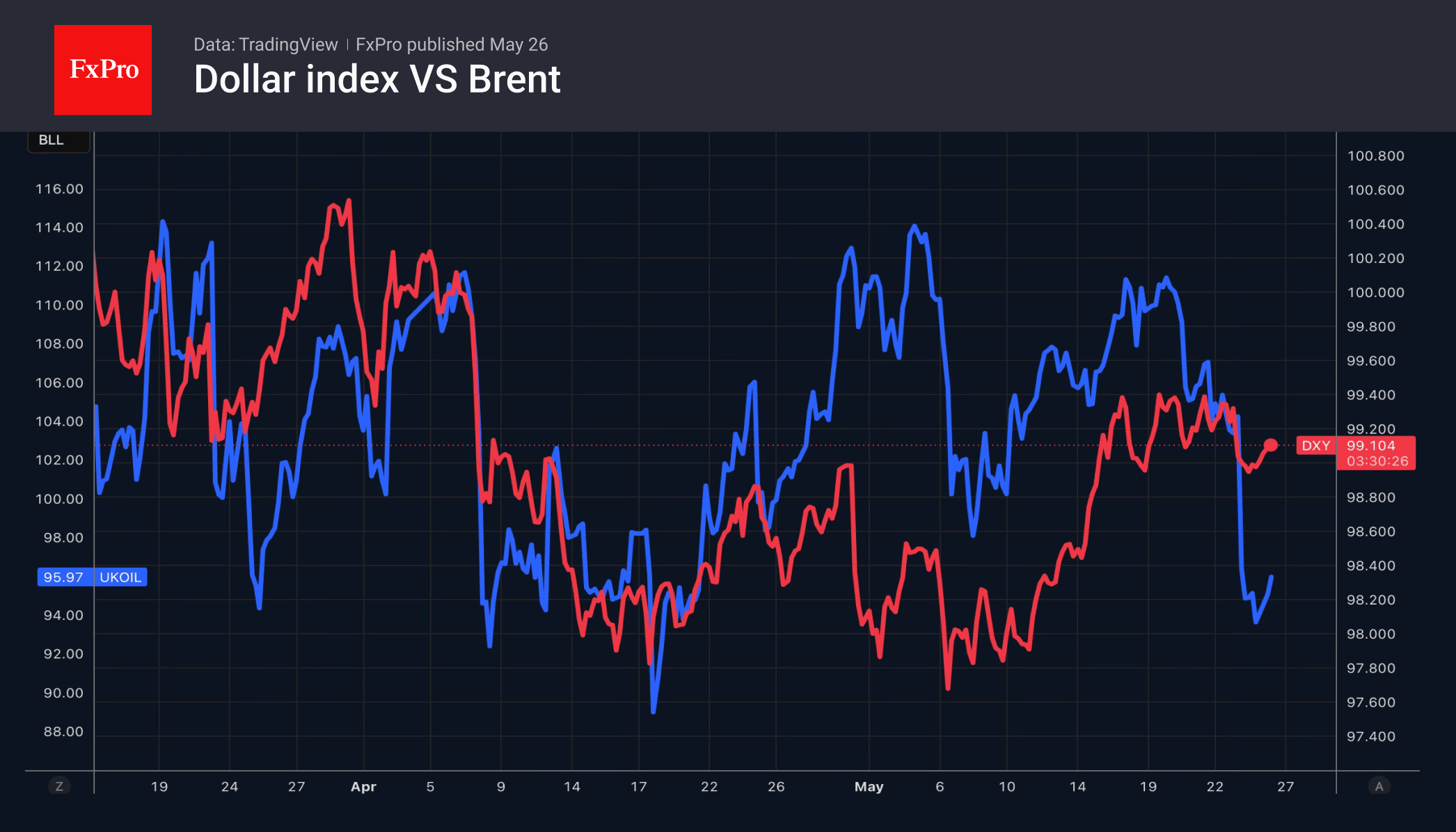
We should not rule out the possibility that the US-Iran deal will once again fall through due to differences in the parties’ positions. Any renewed escalation in the conflict would likely restore demand for the dollar as a safe-haven asset.
For now, the baseline scenario is one in which the US and Iran first reach an agreement to open the Strait of Hormuz before moving on to broader discussions surrounding the nuclear programme. A deadlock in negotiations risks leading to a new blockage of the world’s main oil artery. The risks are high, so tanker owners will be extremely cautious in moving their cargoes. Oil prices are unlikely to fall sharply, and inflation remaining at elevated levels will force the Fed to keep rate hikes on the cards. The result will be a rollercoaster ride for EURUSD.





