- The market is anticipating a diplomatic resolution to the conflict in the Middle East.
- Speculators are unwinding their long positions in Brent, but the bulls’ trump cards remain in play.
Signals from the diplomatic front are mixed, but the market prefers to take a more conciliatory approach. While mediators are proposing new ways to bring the US and Iran back to the negotiating table, and investors are downplaying the impact of US strikes on Qeshm Island, Donald Trump’s comments about cutting military aid to Israel are acting as a catalyst for the fall in Brent prices.
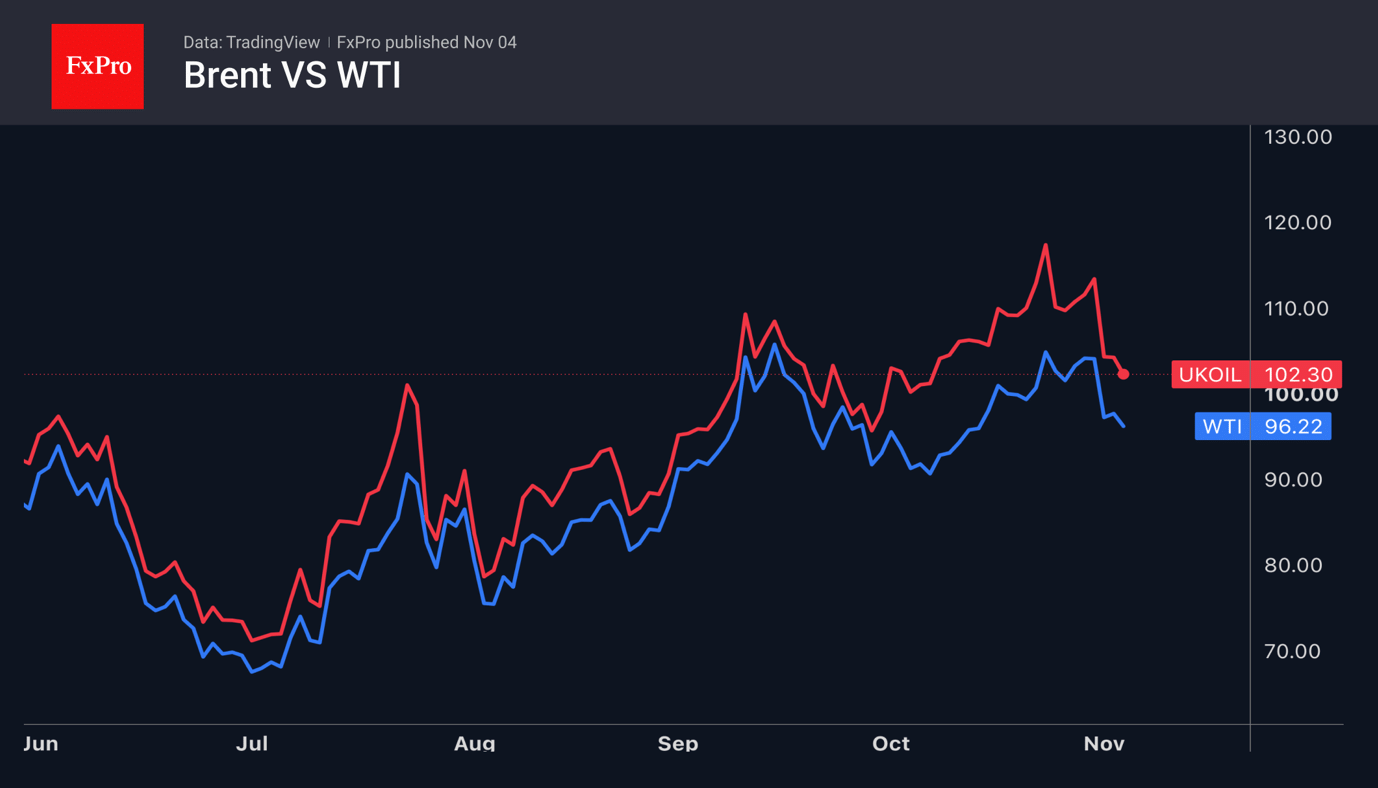
Israel’s possible loss of $4 billion in military aid at a time when it needs it most is being interpreted by the market as proof that the US will be scaling back its presence in the region. The Republicans believe that their defeat was caused by a geopolitical situation that drove up oil prices and fuelled inflation.
Investors are more inclined to trust diplomacy, which is narrowing the premiums between grades with immediate and more distant delivery dates. For instance, in early October, Dated Brent was trading at a $30-per-barrel premium to ICE Brent. In November, the difference narrowed to $3.7. At the same time, the rise in oil exports from the Middle East to pre-war levels is reducing transport costs.
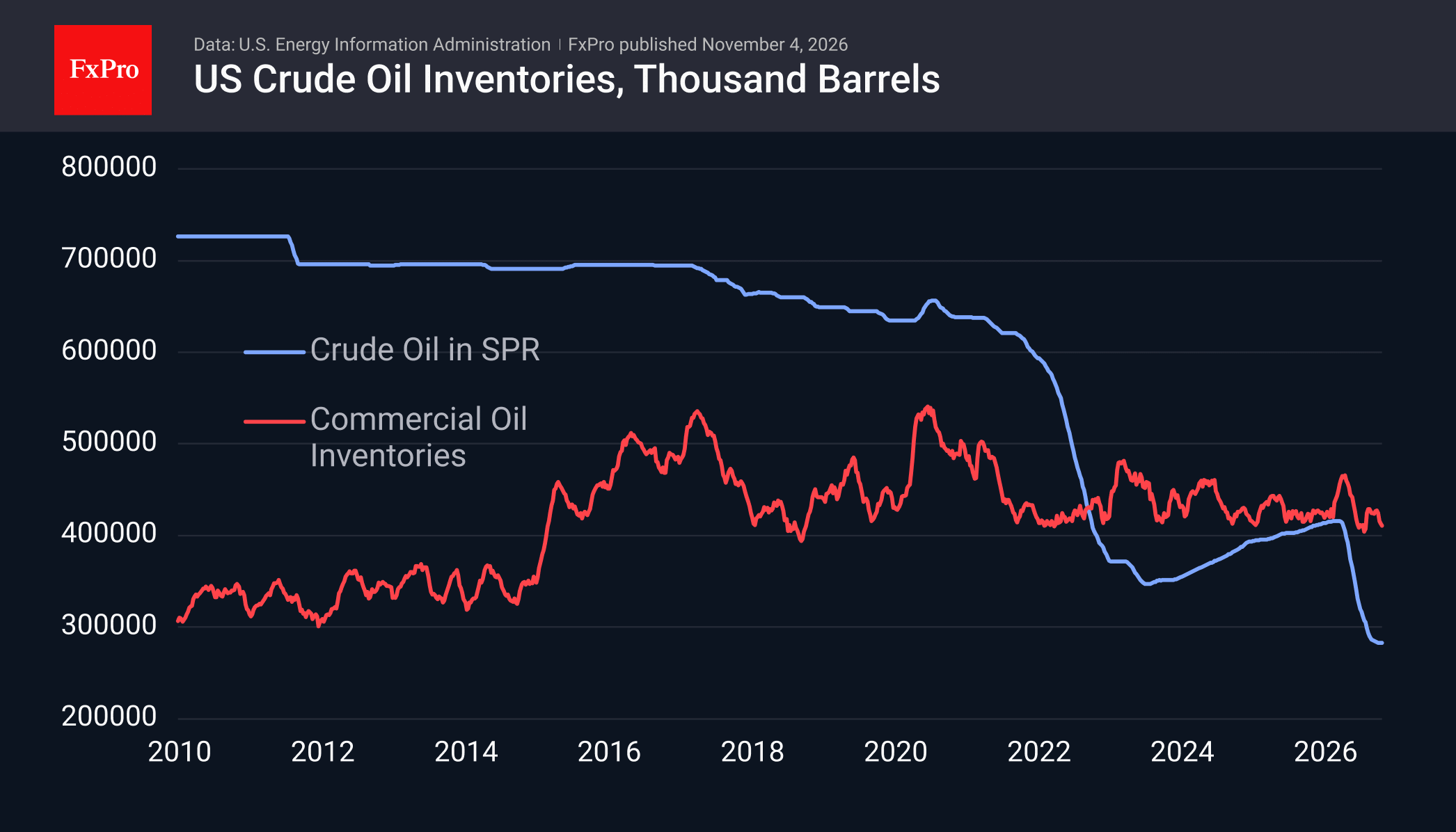
In these circumstances, speculators’ reduction of their long positions in Brent appears justified; however, the bulls still have some cards up their sleeves. According to the American Petroleum Institute, crude inventories fell by 5.3 million barrels. If these figures are confirmed by the Energy Information Administration, this will mark the fifth consecutive decline. This points to rising demand and supports prices.
The Republicans’ defeat in the elections does not mean that the conflict in the Middle East will not escalate. History teaches us precisely the opposite. In 2006, both houses of Congress came under Democratic control due to the unpopular war in Iraq. However, in early 2007, George W. Bush increased the military presence in the region, and US troops did not withdraw until 2011.
Tehran claims that Washington’s response to its demands was unsatisfactory. Time remains on the US side. The blockade on Iranian oil is having an effect, while oil supplies from the Middle East are hovering close to pre-war levels. The parties remain far apart, and a breakdown in negotiations would result in a resumption of the Brent rally.
The FxPro Analyst Team