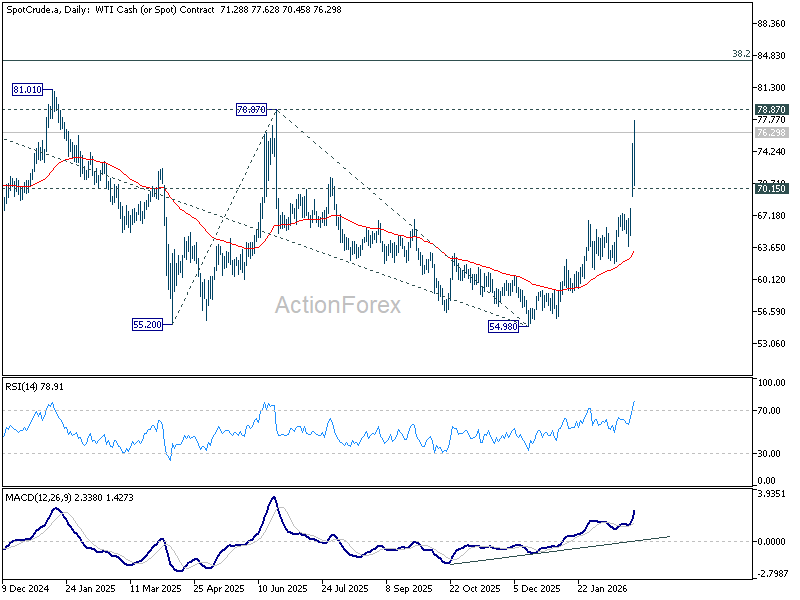
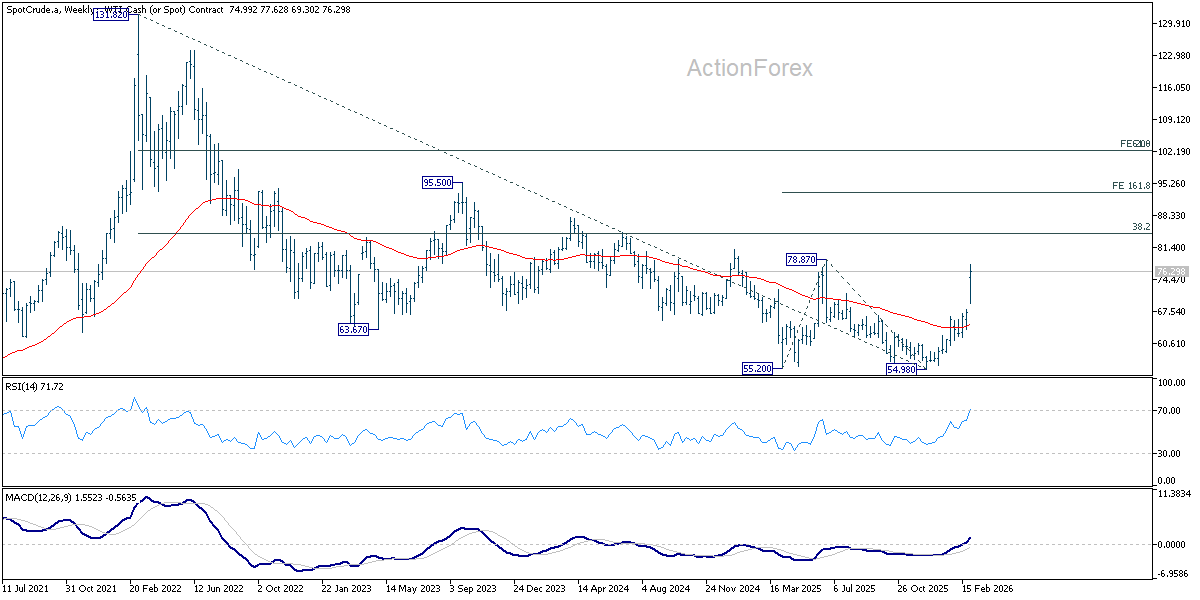
Oil prices surged again today, breaking through yesterday’s spike with aggressive upward acceleration. Markets are entering a state of panic following explicit threats from Iranian officials to “set fire” to any vessel attempting to navigate the Strait of Hormuz.
Ebrahim Jabbari, an adviser to the commander-in-chief of Iran’s Islamic Revolutionary Guard Corps (IRGC), told state TV: “Ships should not come to this region. They will certainly face a serious response from us.”
The Strait of Hormuz is a vital artery for the global economy, carrying approximately 20% of the world’s oil and gas. This flow has effectively ceased following a series of kinetic attacks on tankers over the last 72 hours.
Beyond the surge in raw commodity prices, the conflict has sent shipping overheads into uncharted territory. The cost of hiring a supertanker to move oil from the Middle East to China hit an all-time high on Monday, exceeding $400,000 (£298,300) per day. According to data from the London Stock Exchange Group, this represents a near-doubling of costs in just seven days.
Technically, WTI is now eyeing a key structural resistance level at 78.87. Decisive break there would confirm that the multi-year down trend from 131.82 (2022 high) has completed at 54.98. This supported by the double bottom reversal pattern (55.20, 54.98). In this case, WTI could extend current rise to 38.2% retracement of 131.82 to 54.98 at 84.33 next. In any case, near term outlook will remain bullish as long as 70.15 support holds.