


- The US dollar has prioritised geopolitics over inflation.
- Only the BoJ has the power to halt USDJPY gains.
The US dollar has proved the sceptics wrong, as it strengthened despite slowing inflation and a lower chance of Fed rate hikes. In July, consumer prices slowed from 3.5% to 3.4%, and the core inflation rate fell from 2.6% to 2.5% y/y. They are moving further and further away from May’s peak, which allows the central bank to keep rates at their current level. In theory, this development should have put pressure on the US dollar. All the more so given that Treasury bond yields fell and stock indices rose.
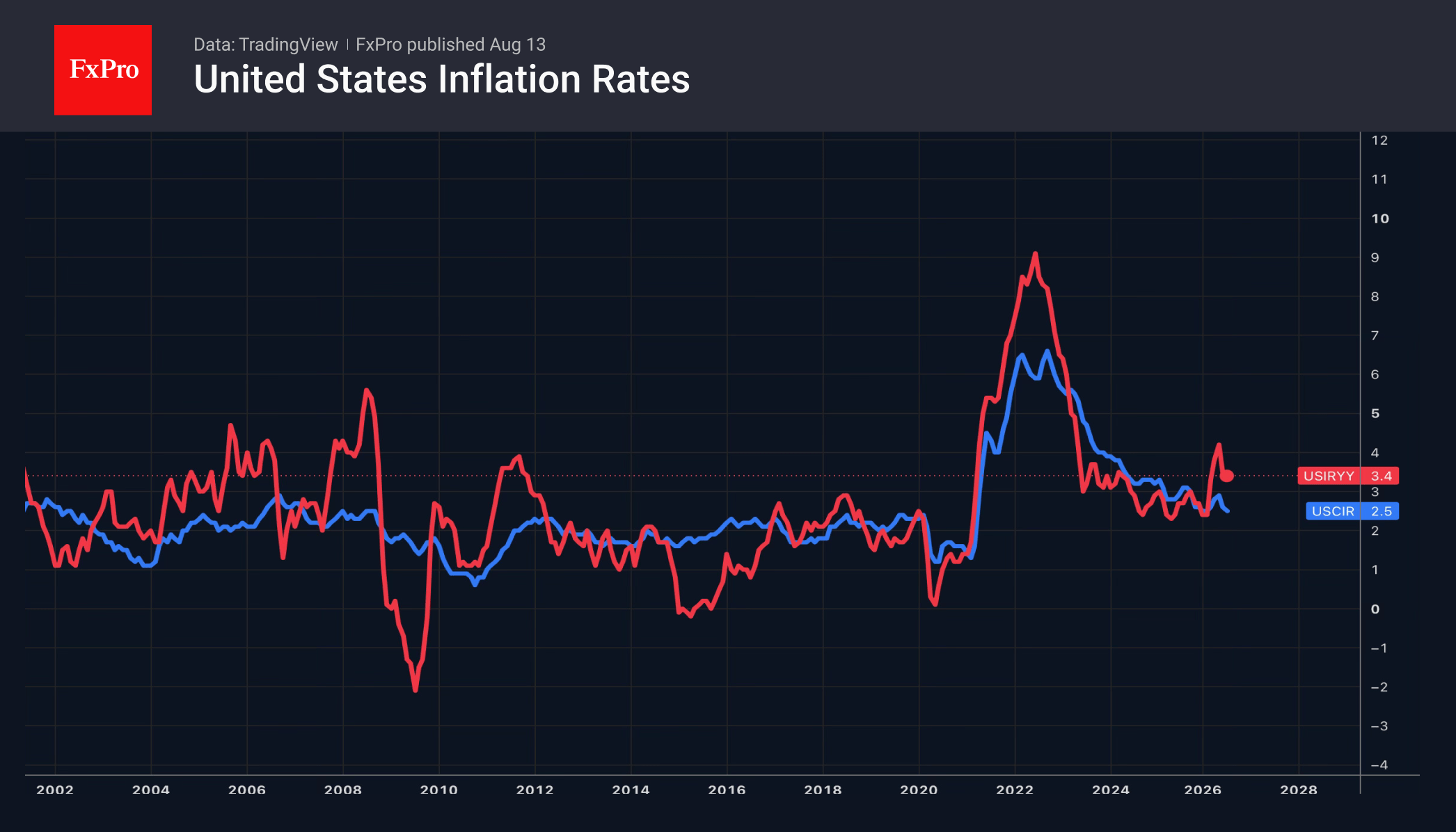
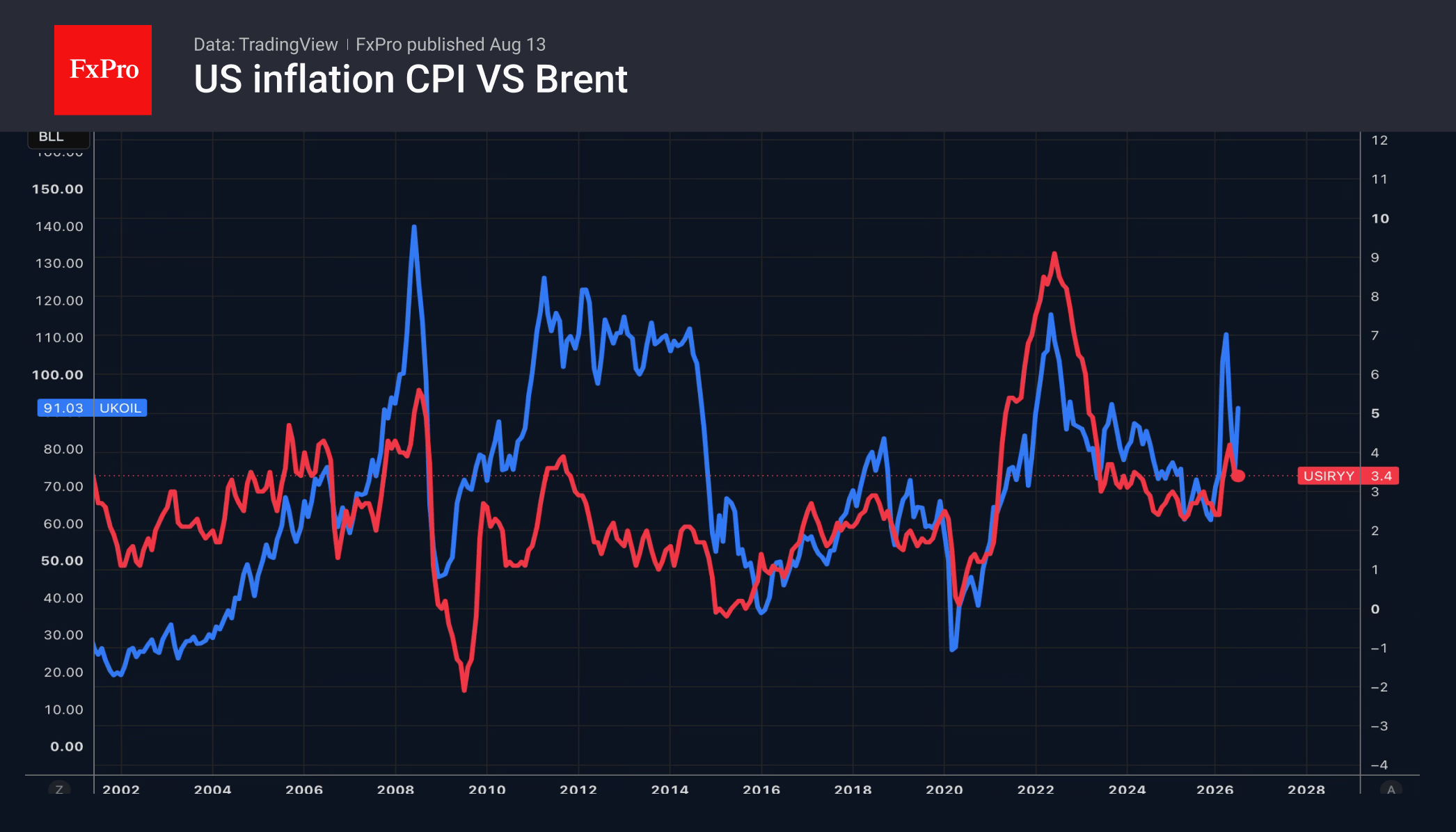
However, investors still have geopolitics in mind. The slowdown in inflation in June was linked to the signing of an agreement between the US and Iran to reopen the Strait of Hormuz. This brought Brent back to the levels seen before the conflict in the Middle East. However, tensions have since escalated, and Brent crude has rallied above $90 per barrel. Along with this, petrol prices are rising, as are the risks of accelerating consumer price inflation.
The strengthening of the US dollar has pushed USDJPY towards 160, increasing the likelihood of another round of currency interventions. Speculators have capitalised on the contradiction between the US Treasury’s recommendations to the Bank of Japan to accelerate the tightening of monetary policy and the government’s desire to keep interest rates low so as not to increase the cost of servicing its colossal debts. The rumours were so rife that the Cabinet was forced to respond.
According to a Bloomberg insider, Sanae Takaichi has no objection to short-term monetary tightening. The Prime Minister is concerned about inflation, which threatens her political approval ratings, and also about the perception that funds spent on currency intervention have been wasted.
There is a growing realisation in the market that the current USDJPY levels can only be sustained if the Bank of Japan changes its stance. It must either accelerate the cycle of monetary tightening or increase the anticipated scale of monetary tightening. The rationale for this is the acceleration in inflation. Indeed, producer prices rose by 7.2% in July. While this is slightly lower than June’s 7.3%, the figure remains close to a more-than-three-year high.
The FxPro Analyst Team





