


- Moderates within the Fed have signalled that a policy tightening is not as urgent as previously thought.
- The Bank of Japan may pre-empt the Fed by raising rates in October.
The US dollar retreated from two-month highs amid a slump in the probability of an October Fed rate rise from 72% to 45% and a fall in oil prices. The area above 101 on the dollar index has been a pivot point for over a year. This is where the corrective rebound in May 2025 halted; the growth in June and July from the lows seen at the start of 2026 has stalled here as well. Despite the pullback, the greenback is ending September with its best performance since June, thanks to the Fed’s ‘hawkish’ shift and the surge in long-term Treasury yields to 24-year highs, which has fuelled the US currency’s rally over the past three weeks.
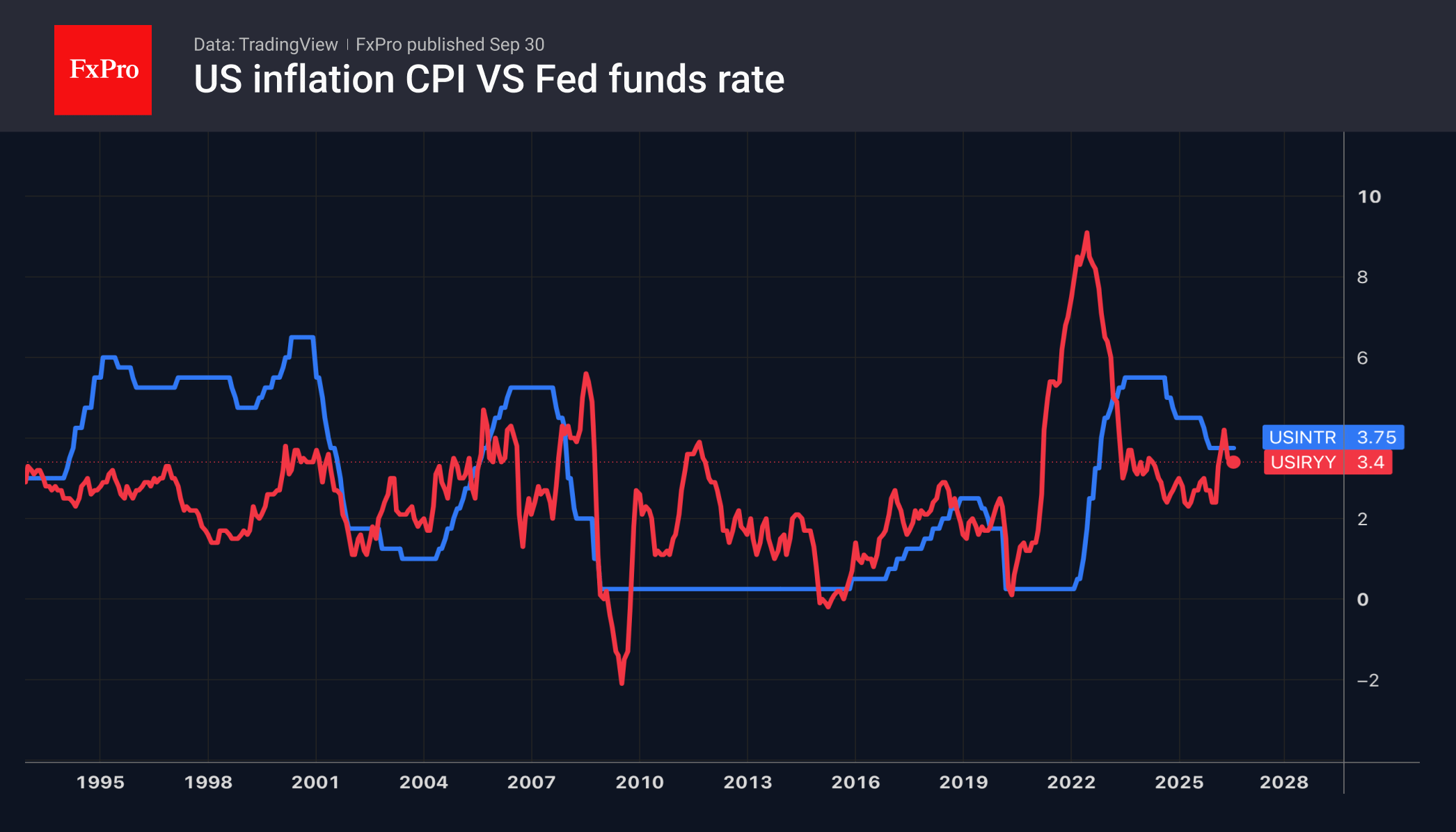
According to the New York Fed President John Williams, there is no urgency to make further changes to monetary policy following the move in September. Yes, inflation remains high, and another rate hike will most likely be required. However, he has toned down the sense of urgency, signalling that he is leaning towards a hike before the end of the year. This has caused the US dollar to pull back as the market reassesses the outlook.
Williams is regarded as the voice of the centrists on the FOMC; however, the balance of power could shift back towards the hawks should strong US labour market data be released on Friday. The markets have not abandoned the idea of an October rate rise, which suggests the US dollar remains in a strong position.
His comments fell on fertile ground, as the foreign exchange market was already ripe for profit-taking on the dollar’s rise to the upper end of its range, with traders taking some chips off the table at the end of the month and quarter, shortly before key news releases.
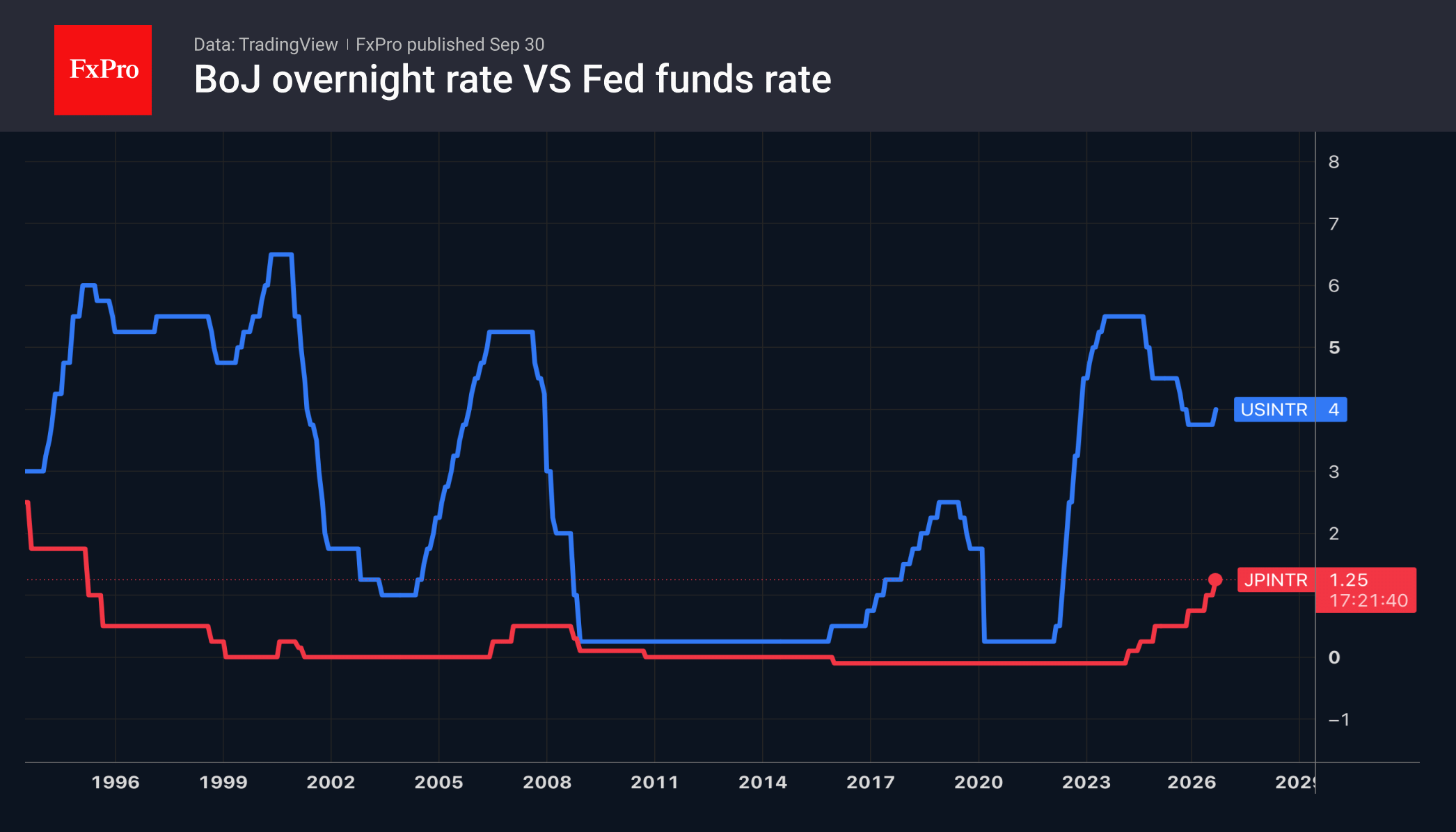
Other currencies attempted to capitalise on the dollar’s retreat. The yen rose to two-week highs thanks to numerous verbal interventions by the government and expectations of an overnight rate hike from 1.25% to 1.5% as early as the BoJ’s October meeting. If the Bank of Japan does this, while the Fed does not, the decline in USDJPY may continue.
The euro is still reeling from Christine Lagarde’s dovish surprise. The ECB President followed Kevin Warsh’s line of argument, noting that the rally in bond yields is tightening financial conditions, thereby doing the European Central Bank’s job for it. Not long ago, similar rhetoric from the Fed Chair caused the US dollar to fall; now it is the single currency’s turn. As a result, EURUSD fell towards 16-month lows, just above 1.1300.
The greenback’s retreat has breathed new life into GBPUSD. The pound has suffered due to the rising likelihood of a fiscal and energy crisis. Diesel prices in Britain are hitting record highs, while sterling’s monthly implied volatility has jumped to its highest level since July, indicating traders’ nervousness ahead of the budget announcement.
The FxPro Analyst Team





