


After Australia’s central bank (RBA) shocked market participants with its prior monetary policy decision in July to stand pat on its short-term cash interest rate at 3.85% in defiance of overwhelming expectations of a rate cut, the consensus forecast now is a 25 basis points cut to lower the cash interest rate to 3.6% on Tuesday meeting, 12 August as inflation pressures subsided.
Q2’s trimmed mean gauge of inflation in Australia cooled to 2.7% from 2.9% in Q1, inching down closer to the midpoint of RBA’s 2%-3% inflation target. Even the monthly CPI rose by 1.9% y/y in June, easing from May’s print of 2.1%.
Hence, RBA’s third interest rate this year, which is set for Tuesday’s monetary policy meeting, is likely to have been fully priced in.
Let’s decipher the short-term movements of the AUD/USD from a technical analysis perspective.
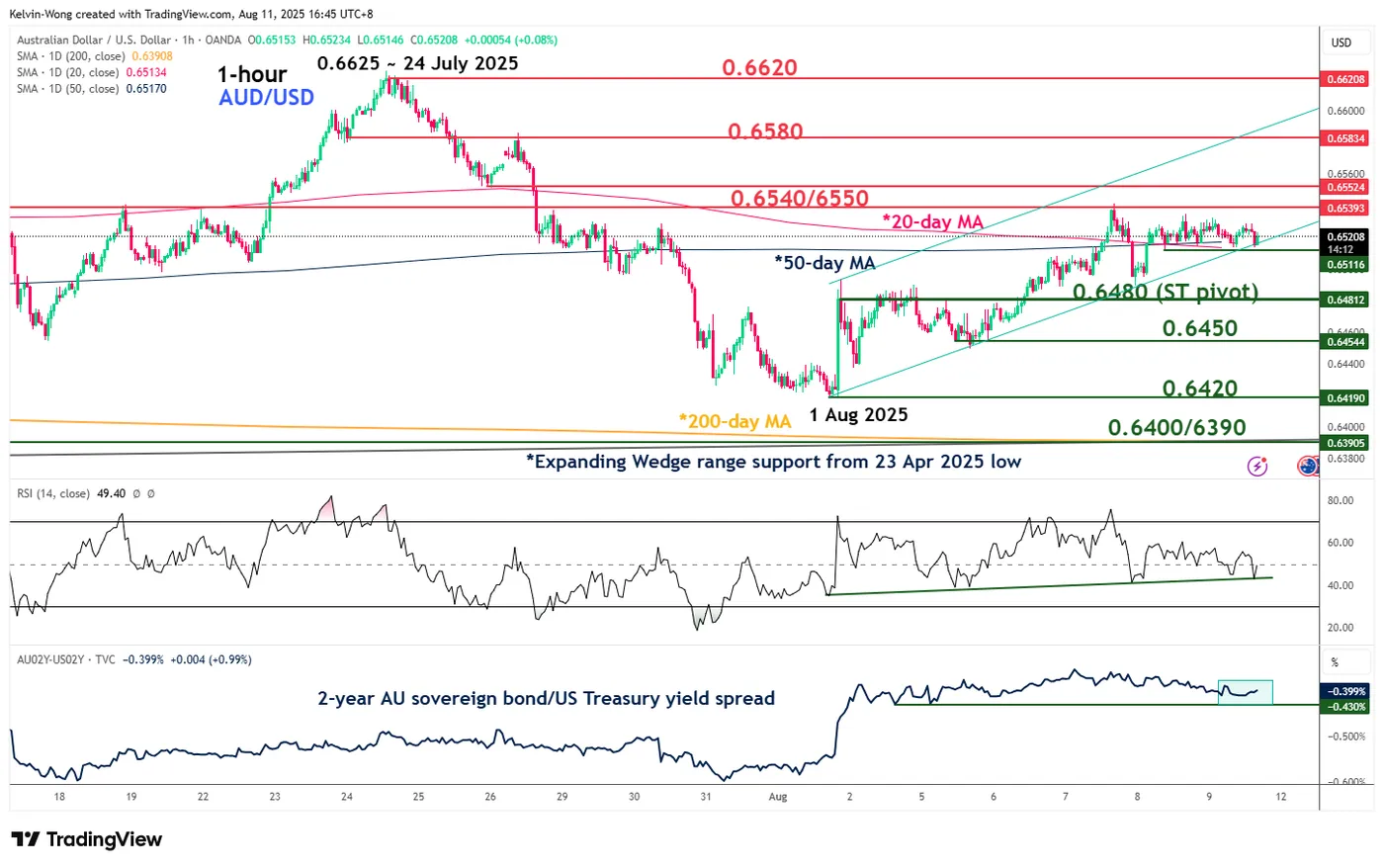
Fig. 1: AUD/USD minor trend as of 11 Aug 2025 (Source: TradingView)
Preferred trend bias (1-3 days)
The recent 205-pip minor corrective decline seen in the AUD/USD from the 24 July 2025 high to the 1 August 2025 low stalled right above its key 200-day moving average, and the lower boundary of a medium-term “Expanding Wedge” range configuration in place since the 23 April 2025 low.
Bullish bias with 0.6480 as key short-term pivotal support for the next intermediate resistances to come in at 0.6540/6550 and 0.6580 (also the upper boundary of the minor ascending channel).
Key elements
- The AUD/USD has been evolving within a minor ascending channel in place since the 1 August 2025 low of 0.6420, which suggests an ongoing minor uptrend phase. Also, price actions have managed to hold above the 20-day moving average since last Friday, 8 August 2025.
- The hourly RSI momentum indicator has managed to stage a bounce at a parallel ascending support at the 43 level.
- The discount yield spread between the 2-year Australian sovereign bond and US Treasury note has continued to narrow since 1 August 2025, from -0.55% to -0.44% which may in turn support further potential upside in AUD/USD as the 2-year Treasury note is getting less attractive to own in terms of yield differential.
Alternative trend bias (1 to 3 days)
A break below 0.6480 invalidates the bullish tone to open up scope for another round of choppy corrective decline to expose the next intermediate supports at 0.6450, and 0.6420.





 shocked market participants with its prior monetary policy decision in July to stand pat on its short-term cash interest rate at 3.85% in defiance of overwhelming expectations of a rate cut, the consensus forecast now is a 25 basis points cut to lower the cash interest rate to 3.6% on Tuesday meeting, 12 August as inflation pressures subsided.)