Today’s FOMC decision is expected to leave rates unchanged at 3.50–3.75%, yet the real story lies in the widening gap between what the Fed is signaling and what markets are pricing. That tension is now being tested by a renewed surge in oil prices, as geopolitical risks refuse to fade.
This meeting carries added weight as it is likely Jerome Powell’s final one as Chair before his term ends on May 15. Rather than setting a new direction, Powell is likely to maintain a neutral, flexible stance, effectively handing policy discretion to incoming Chair Kevin Warsh. That raises the risk that the meeting itself becomes a non-event rather than a turning point.
But the backdrop is shifting. With Brent crude breaking above $110 again, the argument that inflation is purely transitory is becoming harder to sustain. The longer the Iran conflict drags on, the greater the risk that energy-driven price pressures become embedded in the broader inflation outlook.
This is where the disconnect becomes most evident. The Fed’s March projections still point to one rate cut this year, a view supported by most economists. Markets, however, are moving in the opposite direction. Fed funds futures now imply nearly an 80% probability that rates will remain unchanged at current levels through year-end, with the odds of a cut declining further as oil prices push higher.
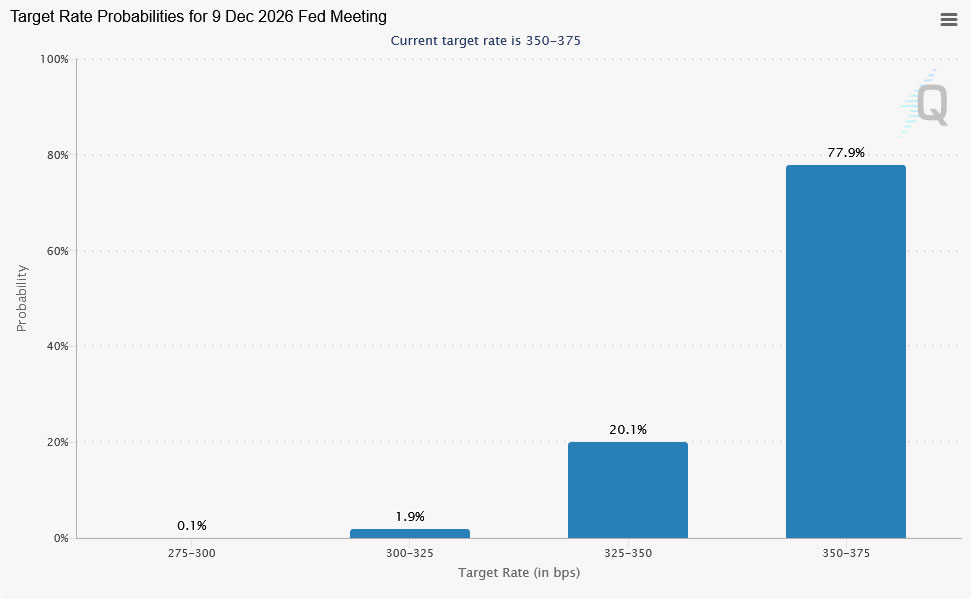
This reflects growing skepticism toward the Fed’s “transitory” narrative. While policymakers expect energy-driven inflation to fade once geopolitical tensions ease, traders are increasingly betting that persistent price pressures will force the Fed to revise its outlook, potentially reducing or eliminating projected cuts.
The key question is whether this meeting marks the start of that shift. Powell may choose to stick to the existing framework, emphasizing that inflation pressures are temporary and data-dependent. Such a stance could be interpreted as dovish, reinforcing expectations that policy easing remains on the table and weighing on the Dollar.
Alternatively, a subtle shift in tone—acknowledging that geopolitical energy shocks may be more persistent—could have outsized market impact. Even a modest adjustment could prompt markets to further price out rate cuts, supporting yields and lifting the Dollar.
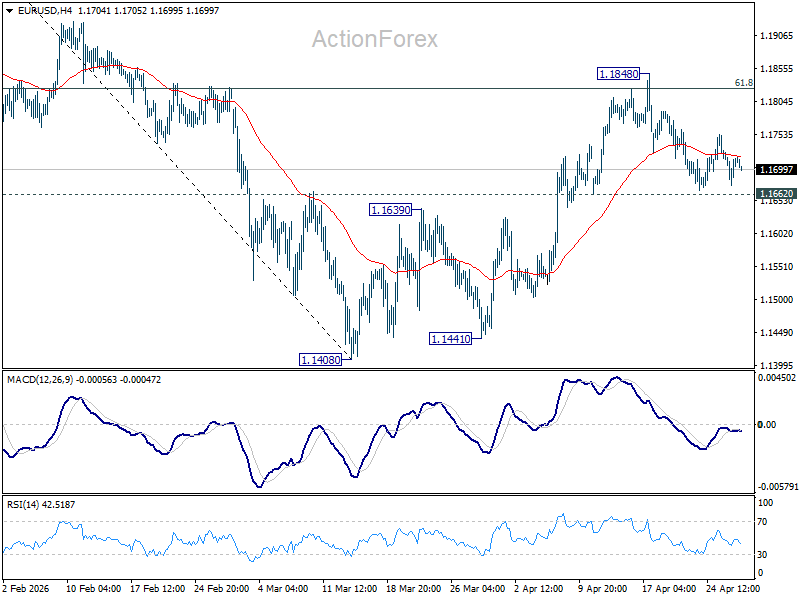
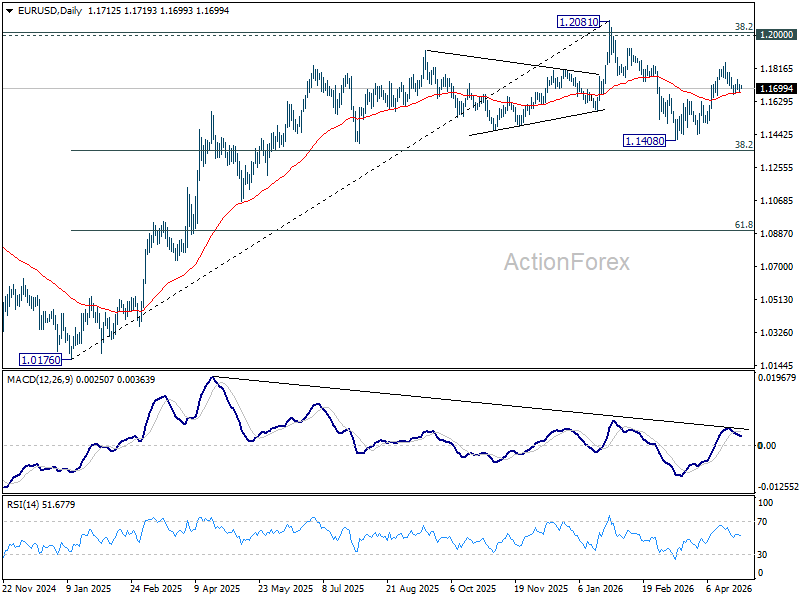
For traders, EUR/USD is a key focus. As long as 1.1662 holds, the rebound from 1.1408 remains intact, with a break of 1.1848 resistance opening the way toward 1.2081.However, firm break of 1.1662 will suggest that the rebound from 1.1408 has completed as a corrective move. That would firstly bring retest of 1.1408 low.