


TL;DR: The Dollar fell despite a hawkish Fed vote, rising yields, and rebounding oil — all bullish macro signals — as Japan’s estimated $59 billion intervention and reported US-Japan cooperation introduced a policy-risk variable that overrode them. The key question now: is this a temporary correction, or the start of a broader reversal?
An Unusual Disconnect
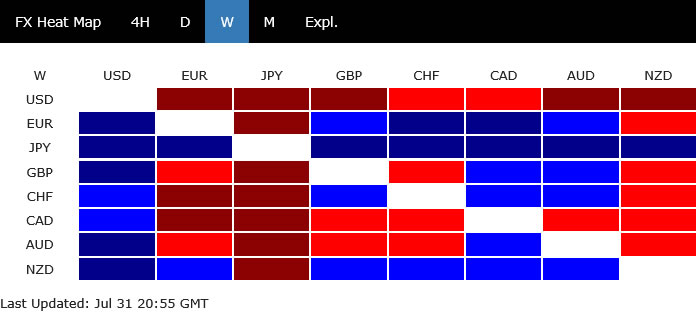
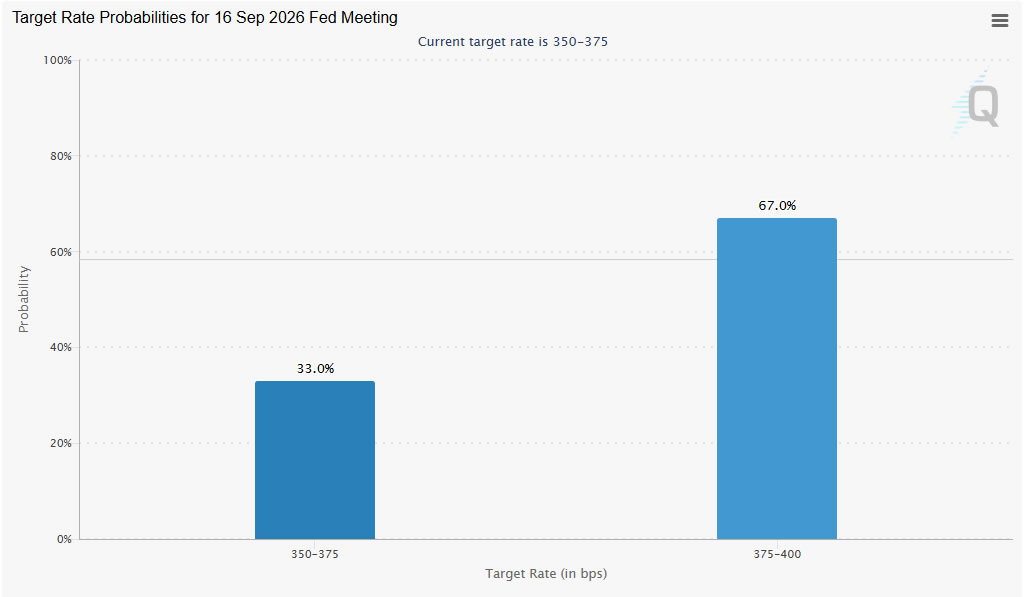
Financial markets ended the week with an unusual disconnect. The Dollar suffered one of its weakest weekly performances in months even though the macro backdrop appeared increasingly supportive. The Federal Reserve produced a more hawkish vote split than markets had anticipated, US Treasury yields continued to push higher, Brent crude recovered sharply to end the week above $91, and expectations for a September Fed rate hike remained elevated at around 67% after recovering from post-FOMC lows.
Ordinarily, that combination would be expected to lift the Dollar rather than undermine it. Instead, the Dollar Index fell -1.64% over the week to finish at 99.80, its lowest close since mid-June. The weakness extended well beyond USD/JPY, indicating investors were reducing Dollar exposure more broadly even as traditional macro fundamentals pointed the other way.
That disconnect provides the framework for this week’s analysis. The Fed’s decision, the subsequent US economic data, and the rebound in oil prices each told part of the story, but none fully explained why the Dollar kept weakening. The missing piece lay elsewhere: by week’s end, currency markets were responding not only to changing macro expectations but to a shift in how traders assessed official policy risk — temporarily overriding relationships that normally dominate Dollar trading.
A Hawkish Vote Could Not Deliver Lasting Dollar Support
The Federal Reserve provided little justification for the Dollar’s subsequent weakness. Policymakers left interest rates unchanged at 3.50–3.75%, but the meeting was widely viewed as more hawkish than expected. The 9-3 vote included three dissents in favor of an immediate 25 basis point hike — Beth Hammack, Lorie Logan, and unexpectedly, Neel Kashkari — compared with the market’s pre-meeting expectation that only Hammack and Logan would oppose holding rates steady. At the same time, Chair Kevin Warsh maintained the minimalist communication strategy introduced in June, characterizing the current policy stance as “watchful thinking, not watchful waiting.”
Initially, markets reacted accordingly. Treasury yields rose, with the benchmark 10-year yield approaching 4.66%, while equities slipped during Warsh’s press conference. Yet the Dollar failed to capitalize on what was, on balance, a more hawkish meeting than anticipated. The reason: investors distinguished between a Committee that remains concerned about inflation and one that feels compelled to tighten policy immediately. Warsh reiterated another rate increase could become appropriate if inflation stayed elevated, but his broader message was interpreted as patience rather than urgency.
That interpretation showed up in rate pricing over the following hours. Immediately after the meeting, traders briefly increased expectations the Fed would hold again in September, before those moves partially reversed later in the week. By Friday’s close, futures still implied roughly a 67% chance of a September hike, confirming markets hadn’t abandoned the tightening cycle. Even so, the FOMC failed to generate sustained Dollar buying — the first sign that broader forces were beginning to outweigh the Fed’s own policy signals.
GDP and PCE Turned Patience Into the Dominant Narrative
The week’s key US data reinforced rather than overturned the market’s initial reading of the FOMC. Advance estimates showed the economy expanded at an annualized 1.5% in the second quarter, falling well short of the 2.1% consensus forecast. The miss was significant enough to strengthen the argument that growth is moderating, giving the Fed more room to wait before deciding whether another rate increase is ultimately required.
The following day’s PCE report completed the picture. Headline inflation slowed to 3.7% year-over-year, while core PCE eased further to 3.3%, continuing the gradual moderation in underlying price pressures. Neither report fundamentally altered the Fed’s longer-term inflation challenge, but together they reinforced the view that there was no immediate need to rush into another hike.
This became the genuine macro driver behind the Dollar’s decline. Thursday’s broad-based selling reflected a straightforward reassessment of US fundamentals — investors marked down expectations for near-term tightening while maintaining confidence rates would remain restrictive for longer. That distinction matters because it separates the Dollar’s initial weakness, which GDP and inflation largely explain, from the more puzzling behavior that emerged once traditional Dollar-positive factors began returning.
Oil Rebounded, Yields Rose, but the Dollar Still Fell
If weaker GDP and softer inflation explained the Dollar’s decline through Thursday, Friday’s market action became much harder to reconcile with conventional macro relationships. Brent crude completed a dramatic turnaround from Monday’s low of $80.67, surging back above $91 by the weekly close as renewed hostilities in the Middle East revived concerns over global energy supplies. At the same time, the benchmark 10-year Treasury yield climbed to around 4.74%, extending its recent advance, while markets modestly rebuilt expectations for another Fed hike in September.
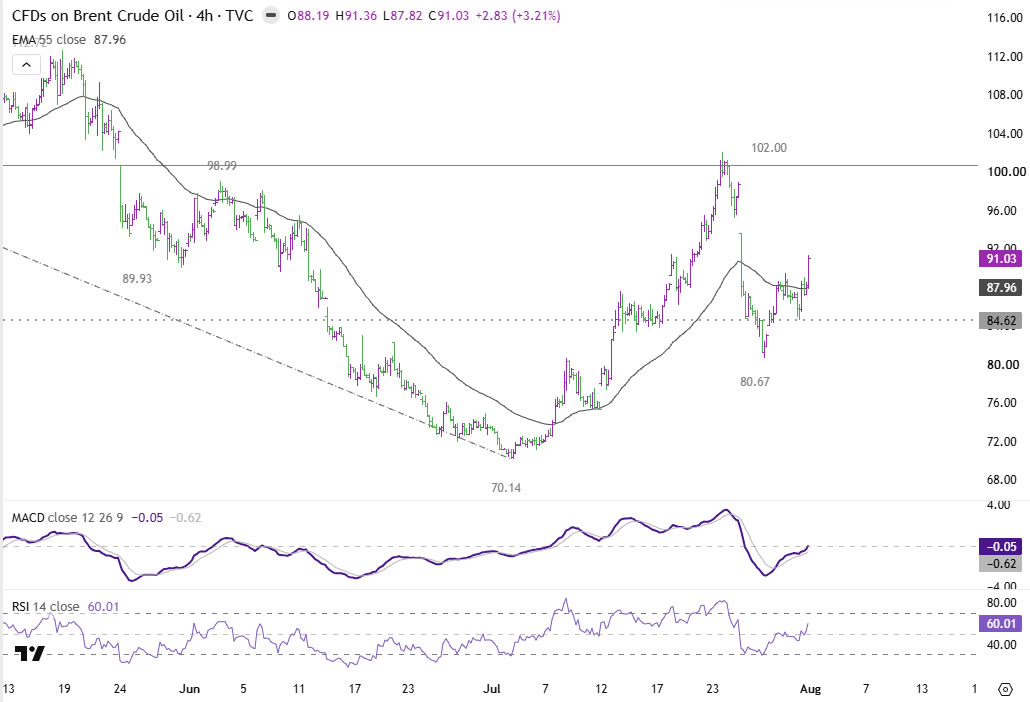
Ordinarily, those developments should have provided meaningful support for the Greenback — higher oil prices reinforce inflation concerns, while higher Treasury yields increase the Dollar’s interest-rate advantage. Fed funds futures indeed edged back toward pricing a roughly 67% probability of a September hike after briefly moving more dovish following the FOMC meeting. By Friday afternoon, much of the week’s macro backdrop had shifted back toward a Dollar-supportive configuration.
Yet the Dollar failed to respond. The Dollar Index remained under pressure despite recovering only modestly from Thursday’s lows, while broader Dollar weakness persisted against most major currencies. That divergence became the clearest evidence that traditional macro drivers weren’t fully explaining price action.
Intervention Changed the Market’s Risk Calculus
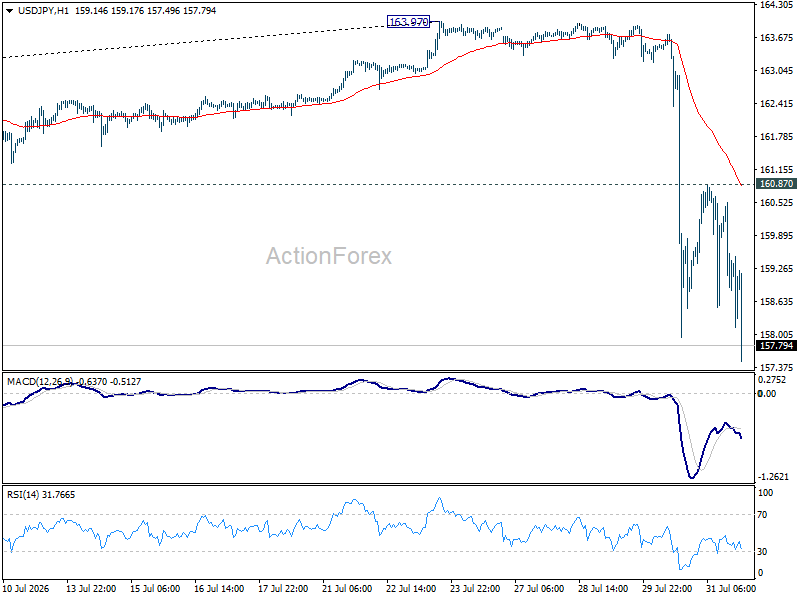
The missing piece emerged from Japan rather than Washington. By week’s end, it had become increasingly clear that the sharp selloff in USD/JPY wasn’t merely speculative positioning ahead of the Bank of Japan meeting. Reuters reported that Japan intervened to support the Yen during New York trading on Thursday, with BoJ data indicating authorities may have spent as much as $59 billion. More significantly, reports later suggested the US Treasury had warned banks to “stand ready for future action,” before the Financial Times reported Washington itself bought Yen on Friday — the first such support operation since 2011.
Japan’s top currency diplomat Atsushi Mimura added that US support had gone “beyond psychological support,” although strategists cautioned this should be viewed as tacit cooperation rather than a repeat of the coordinated G7 intervention seen after the 2011 Tohoku earthquake.
For currency markets, the precise operational details mattered less than the change in perception. Intervention doesn’t need to occur every day to influence prices — once traders believe governments are prepared to act again, the risk-reward balance of holding large Dollar-long positions changes immediately. That policy risk became a new variable in foreign exchange markets, one that temporarily outweighed traditional macro signals from Treasury yields, oil prices, and Fed expectations.
Importantly, intervention didn’t replace fundamentals — it amplified their market impact. Softer US data had already encouraged investors to reduce Dollar exposure earlier in the week. Official action then made it substantially more expensive to maintain or rebuild those positions, particularly against the Yen. While the intervention directly targeted USD/JPY, its influence spread more broadly by encouraging investors to trim long Dollar exposure across the foreign exchange market — helping explain why the Dollar Index continued to struggle even after many of its traditional macro supports had re-emerged.
Correction or Reversal? Three Tests for the Dollar
The key question now is whether this week’s Dollar decline marks the beginning of a broader downtrend or merely a correction within the larger recovery that started in June. While the reported US-Japan cooperation and Japan’s intervention materially altered market positioning, they’re unlikely to become a permanent feature of the FX market. Authorities have little incentive to force USD/JPY sharply lower from current levels around 157–158; instead, their apparent objective is preventing another disorderly surge toward the 160–164 area that had begun fueling one-way speculative positioning. If the exchange rate stays below those levels or resumes its advance more orderly, the perceived threat of further intervention should gradually diminish.
As that intervention premium fades, three traditional macro drivers are likely to regain influence:
- US economic data, beginning with next week’s non-farm payrolls report. Another disappointing employment reading would reinforce the view the Fed can remain patient, supporting the idea that the Dollar’s correction has further to run. A resilient labor market, conversely, could quickly revive confidence that another hike remains likely later this year.
- The Middle East. Brent’s recovery above $91 reflects a market still assigning a meaningful geopolitical risk premium to energy prices. Shipping through the Strait of Hormuz remains well below normal despite signs of partial recovery. A renewed escalation involving Iran would strengthen the Dollar through two channels: higher oil prices reinforcing inflation concerns and supporting higher yields, and deteriorating risk sentiment reviving the Dollar’s safe-haven appeal.
- Whether intervention continues to dominate FX positioning, or fades enough for traditional macro forces to reassert themselves, will ultimately determine whether this week’s Dollar weakness proves temporary or marks the start of a more durable reversal.
ActionForex’s Technical View on the Dollar Index
The Dollar Index extended its decline from 101.80 last week, but the pullback has yet to inflict meaningful technical damage on the broader rally that began from 95.55. The index is currently holding above a key confluence of support formed by the rising near-term trend line and the 38.2% retracement of 95.55 to 101.80, at 99.41.
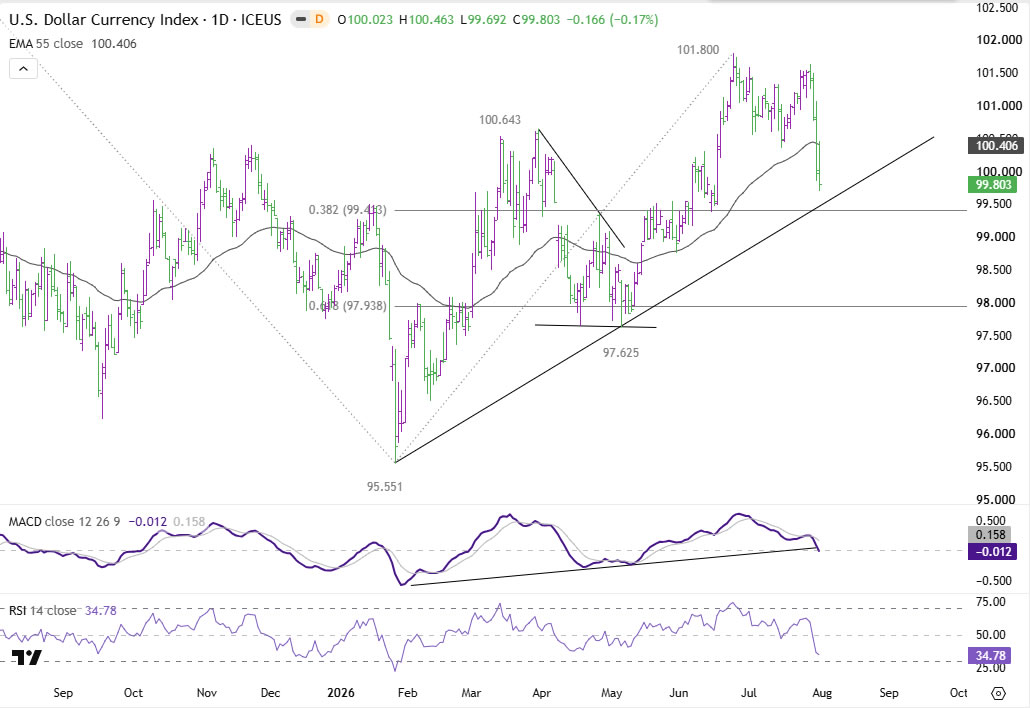
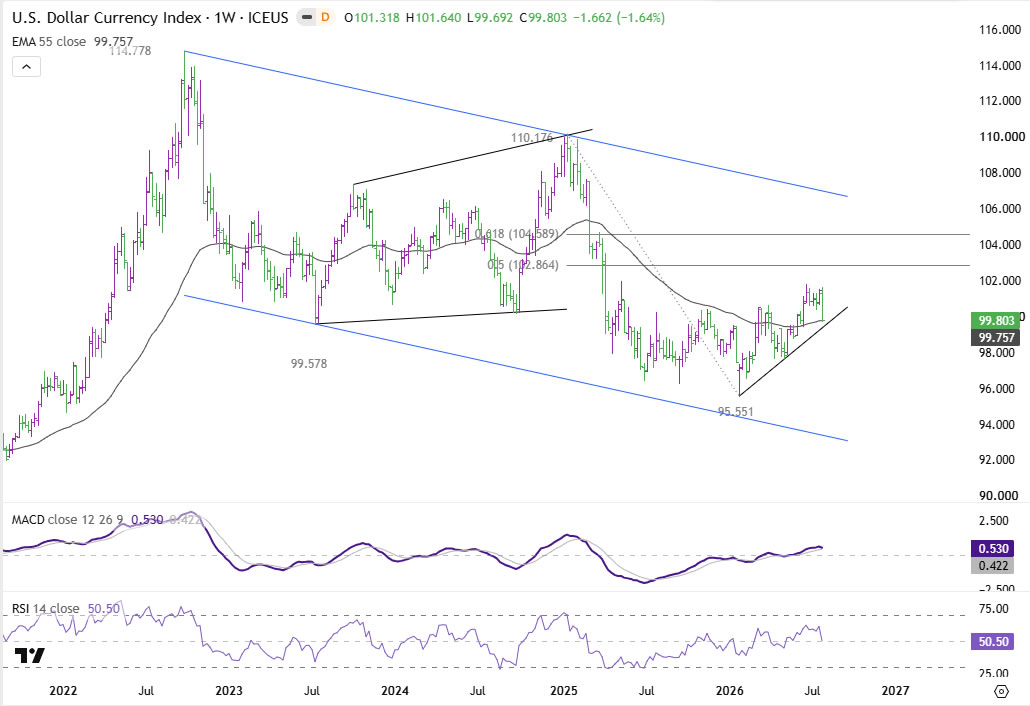
As long as this support zone remains intact, the decline from 101.80 can still be viewed as a corrective pullback within the broader rebound from 95.55. A decisive rebound from current levels would revive the case for another advance through 101.80, opening the way toward the 50% retracement of 110.17 to 95.55, at 102.86.
However, the technical outlook would deteriorate if 99.41 and the rising trend line are broken on a sustained basis. Such a move would argue the recovery from 95.55 completed as a three-wave corrective structure at 101.80, leaving the larger downtrend from 110.17 intact. In that scenario, near-term focus would shift to the 61.8% retracement at 97.93, with a firm break there exposing a retest of the 95.55 low.
Key Takeaways
- The Dollar Index fell -1.64% for the week despite a hawkish 9-3 Fed vote, rising yields, and an oil rebound above $91 — factors that would normally support the currency.
- Weaker-than-expected Q2 GDP (1.5% vs. 2.1% consensus) and cooling PCE inflation (3.3% core) explained the Dollar’s initial decline through Thursday.
- Friday’s failure to rally despite rebounding oil and rising yields signaled a second, separate driver: Japan’s estimated $59 billion intervention and reported US-Japan cooperation to support the Yen.
- Intervention didn’t replace macro fundamentals but amplified their impact, making it costlier to hold long Dollar positions and pushing weakness beyond USD/JPY into broader Dollar pairs.
- The Dollar Index is holding above 99.41 support; a sustained break would expose 97.93 and risk a retest of the 95.55 low, while a rebound targets 101.80 and then 102.86.





