Why Brent’s break above $97 is failing to lift Dollar, and why Japan, not oil, is setting today’s currency direction
What’s happening: USD/JPY broke decisively through 157.99 to around 156, bringing the 155 area back into range, as Yen’s rally gathers fresh momentum from speculation that Japan’s roughly $2 trillion GPIF could raise its domestic bond allocation, on top of an already-hawkish BoJ repricing. At the same time, Brent climbed to an intraday high around $97.62, its strongest level in six weeks, as the US-Iran conflict shows signs of extending well beyond 2026.
Why it matters: Brent above $97 and a conflict that could extend into 2027 would normally form a potent Dollar-supportive combination through inflation and rates. Instead, Dollar is broadly weaker because Japan has taken control of the FX narrative. Oil is still setting global inflation risk, but today, Japan is setting currency direction.
Yen Takes Over as GPIF Speculation Adds to BoJ Repricing
Yen extended its powerful rally on Thursday, sending USD/JPY decisively through 157.99 to around 156 and putting the 155 area back within reach. Latest leg appears to have received fresh fuel from speculation surrounding Japan’s roughly $2 trillion Government Pension Investment Fund. GPIF held an unusual management committee meeting on August 21, its first August meeting since 2019, and revisited discussion around its basic portfolio only five months after a March assessment concluded that a review was unnecessary.
Market interest centers on whether GPIF could eventually raise its strategic allocation to domestic assets, particularly government bonds. Domestic bonds currently carry a 25% target allocation, alongside 25% each for domestic equities, foreign bonds and foreign equities. The timing is significant because Japan’s 10-year government bond yield has climbed roughly one percentage point since March and briefly reached 3.015% this week, highest since 1996. Higher domestic yields are already changing relative attractiveness of Japanese assets, with Japanese investors reducing overseas bond exposure this year. A larger GPIF domestic allocation would reinforce that repatriation theme and potentially relieve some upward pressure on JGB yields.
That speculation is adding to a much broader Yen-positive repricing already underway. BoJ officials have become increasingly explicit about further tightening, with markets now focused not only on a possible September hike but on a faster cycle over coming year. Japan’s top currency diplomat Atsushi Mimura added another layer of caution Thursday, saying he was “neither satisfied nor reassured” by recent Yen developments and that authorities remained on “a state of heightened alert.” He declined to confirm whether officials had conducted a rate check. Traders nevertheless continue to attribute Yen strength primarily to BoJ tightening expectations rather than fresh intervention.
The 155 level is critical. USD/JPY is approaching the same territory reached after July’s record intervention campaign, which cost Japan roughly $96.5bn and included rare US participation. The 155.22 area marks July’s post-intervention low, while 155.01 provides nearby technical support. This time, however, pair is approaching those levels organically rather than through any confirmed official Yen buying.
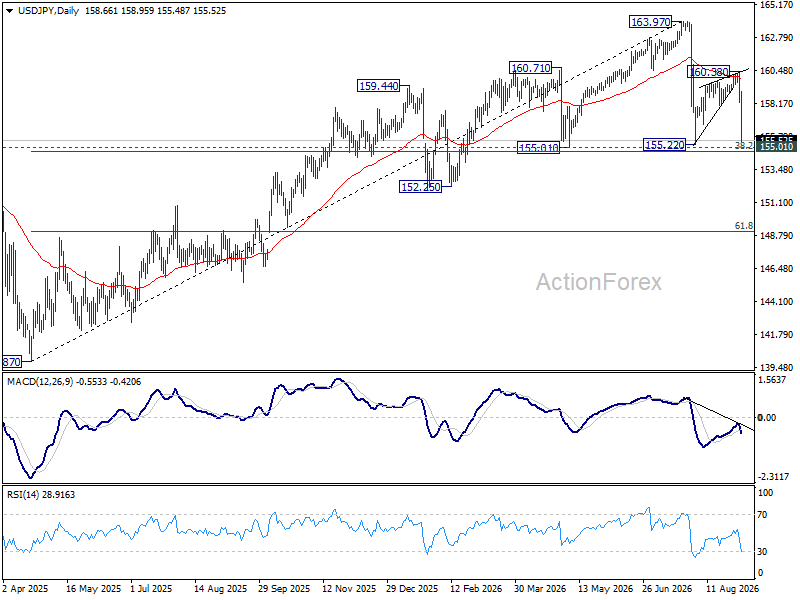
Why the 155 Level Matters
- Japan’s 10-year JGB yield: briefly reached 3.015% this week, highest since 1996.
- July’s record intervention: cost roughly $96.5bn, included rare US participation.
- 155.22: July’s post-intervention low.
- 155.01: nearby technical support.
- Mimura: “neither satisfied nor reassured,” authorities on “a state of heightened alert.”
July’s Intervention-Driven Move vs. Today’s Organic Approach to 155
| July’s Intervention | Today | |
|---|---|---|
| How USD/JPY reached this territory | Record intervention, cost roughly $96.5bn, included rare US participation | Approaching organically, no confirmed official Yen buying |
| Key levels | 155.22 (post-intervention low), 155.01 (support) | Same levels now back within reach |
| Attributed driver | Direct official Yen buying | BoJ tightening expectations and GPIF speculation |
Dollar Weakens Even as Oil Sends a Normally Bullish Signal
Yen’s surge has become dominant force in FX, with Dollar lower against all major counterparts despite a backdrop that would normally be considerably more supportive. In Dollar index specifically, Yen’s sizeable weighting means its appreciation directly pulls index lower. More broadly, modest easing in Treasury yields has allowed Dollar weakness to spread across EUR, GBP and CHF as traders focus on Japanese policy repricing rather than extending this week’s US rates trade.
That creates today’s most counterintuitive cross-asset signal. Brent has broken above $97 to fresh six-week highs as US-Iran conflict intensifies, yet Dollar is falling. Earlier this week, higher oil transmitted relatively cleanly through inflation fears into higher Treasury yields and firmer expectations for Fed tightening. That channel has not disappeared, but it is being overshadowed in FX by Yen’s much larger independent move and the pause in US yields.
Wednesday’s softer ADP report, with private payrolls rising only 38K, contributed to that pause in further hawkish repricing, but it is not the principal driver of Thursday’s Dollar move. Initial jobless claims subsequently matched expectations at 206K, offering little additional direction. Markets still attach substantial probability to September Fed hike, leaving Friday’s NFP as decisive test. For now, more revealing question is not simply why Dollar is weaker, but why Brent above $97 has failed to make Dollar stronger. Answer lies in Japan: Yen and BoJ repricing have become larger currency-market forces today.
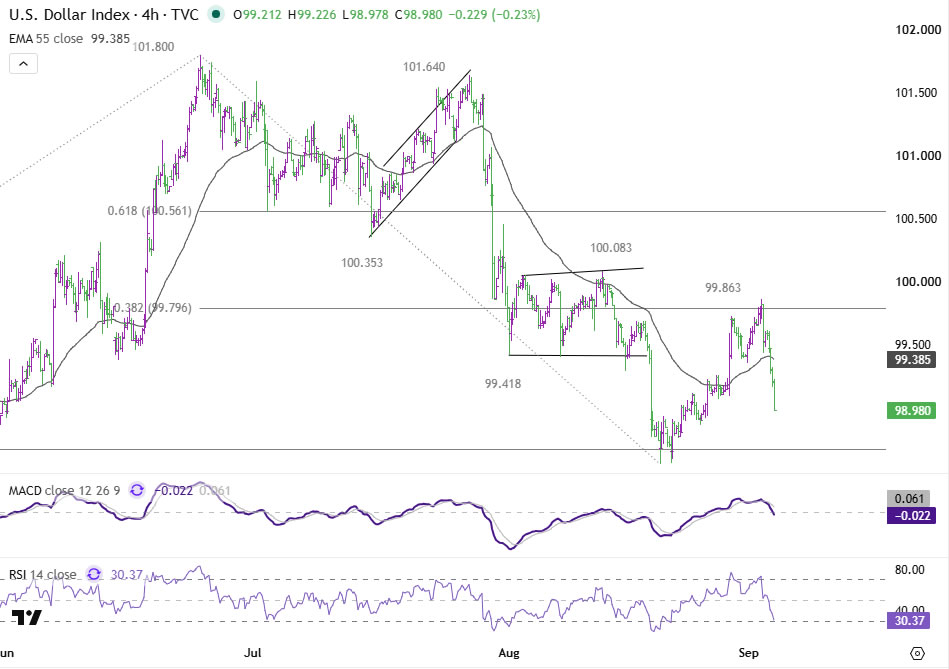
Oil Story Shifts From Escalation to Duration
Brent meanwhile climbed to an intraday high around $97.62, extending this week’s rally and reaching its strongest level in six weeks. But narrative is beginning to shift. Earlier phases of renewed fighting were dominated by immediate questions over each US strike, Iranian retaliation and potential disruption to Strait of Hormuz. Markets are now considering a more difficult possibility: conflict and impaired regional energy flows could persist into 2027. Recent market commentary has explicitly moved toward that longer time horizon, with Capital Economics expecting restoration of Middle East energy flows to be delayed until early next year and forecasting Brent around $100 by end-2026.
That matters more for inflation than another isolated military exchange. A conflict measured in additional months rather than days would prolong pressure on shipping, inventories and refined-product markets, increasing chances that energy inflation becomes persistent enough to influence central-bank decisions. Iranian retaliation has also widened geographically, while US officials continue to signal that military pressure could intensify again even as Washington tries to limit escalation ahead of November elections. Reuters reported that administration officials see possibility of more intense attacks after midterms, underscoring absence of a clear near-term exit from a war now in its seventh month.
The closing contradiction is therefore striking. Brent above $97 and rising concern that US-Iran conflict could extend into 2027 would normally form a potent Dollar-supportive combination through inflation and rates. Instead, Dollar is broadly weaker because Japan has taken control of FX narrative. Oil is still setting global inflation risk, but today, Japan is setting currency direction.
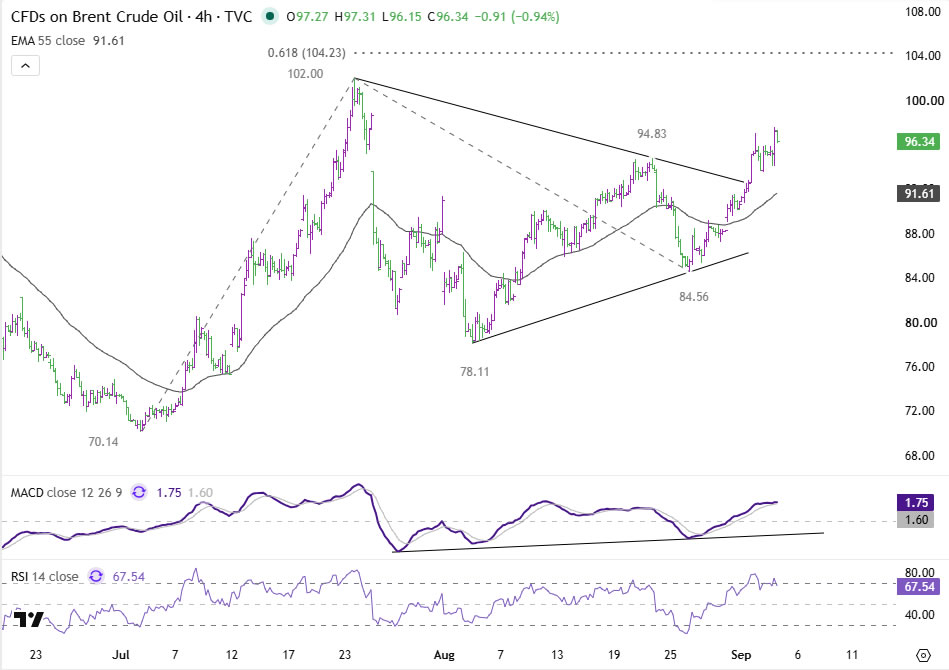
Related Coverage
Yen & Precious Metals Deep Dives
- Read why Silver’s rebound from 63.27 still depends on holding 62.54-62.92 to keep its five-wave recovery from 54.77 alive ahead of Friday’s NFP: Silver’s Correction Has Reached Its Line in the Sand — What Happens Next?.
- See why Friday’s NFP creates an asymmetric setup for USD/JPY, with weak data opening a clearer path toward 155 than strong data does above 160: USD/JPY Tumbles Under the Shadow of Intervention, Faces Asymmetric NFP Test.
US Data Deep Dive
- Read why jobless claims matching expectations at 206K still leaves Friday’s NFP as the clearer labor-market signal: US Initial Jobless Claims Rise from 204K to 206K.
Global Inflation Deep Dives
- See why Eurozone PPI’s swing to +1.6% m/m was driven largely by a 5.6% jump in energy prices, with annual producer inflation accelerating to 5.8%: Eurozone PPI Surges 1.6% M/M as Energy Drives Renewed Producer Inflation (full Eurostat release).
- Read why Swiss CPI’s jump to 0.8% was driven mostly by energy and imported prices, with core inflation holding at 0.4%: Swiss CPI Jumps to 0.8%, but Energy Drives Much of Inflation Surprise.
Global PMI Round-Up
- See why UK services hitting a four-month high still came with employment falling for a 23rd straight month: UK PMI Services Hits Four-Month High as Cost Pressures Reaccelerate.
- Read why Eurozone’s composite PMI holding at an eight-month high alongside stalled disinflation is strengthening the case for ECB tightening: Eurozone PMI Composite Holds Firm as Sticky Prices Strengthen ECB Tightening Case.
- See why Japan’s record composite selling-price inflation is adding to the case for another BoJ hike even as growth accelerates: Japan PMI Growth Accelerates as Record Selling Prices Strengthen BoJ Hike Case.
- Read why Australian services confidence hit a six-month high even as fuel and wage costs kept input inflation elevated: Australia PMI Services Holds Firm at 53.2 as Confidence Rises but Costs Stay High.
- See why China’s services and composite PMI gains reflect stronger domestic demand and sustained hiring: China RatingDog PMIs Strengthen as Services and Employment Gain Momentum.
Frequently Asked Questions
Q: Why is Dollar falling even though oil just broke above $97?
A: Because Yen’s much larger, independent move is overwhelming the usual oil-to-Dollar transmission channel. Higher oil normally supports Dollar through inflation fears feeding into higher Treasury yields and firmer Fed tightening expectations, and that channel hasn’t disappeared. But Yen’s sizeable weighting in the Dollar index, combined with a pause in US yields, means Japanese policy repricing is currently the bigger force in FX. The real question today isn’t why Dollar is weaker, it’s why Brent above $97 hasn’t made it stronger, and the answer is Japan.
Q: What is GPIF and why does speculation about it matter for Yen?
A: GPIF is Japan’s roughly $2 trillion Government Pension Investment Fund. It held an unusual management committee meeting on August 21, its first August meeting since 2019, revisiting its basic portfolio just five months after concluding in March that no review was needed. Markets are watching whether GPIF could raise its 25% target allocation to domestic bonds. A larger domestic allocation would reinforce the repatriation trend already underway as Japanese investors reduce overseas bond exposure, adding further support to Yen and potentially easing some upward pressure on JGB yields.
Q: How is this approach to 155 different from July’s intervention?
A: July’s move to the 155 area came from a record, roughly $96.5bn intervention that included rare US participation. This time, USD/JPY is approaching the same 155.22 and 155.01 levels organically, with no confirmed official Yen buying. Traders are attributing the move to BoJ tightening expectations and GPIF speculation rather than direct intervention, even though currency diplomat Mimura says authorities remain on “a state of heightened alert.”
Key Takeaways
- USD/JPY broke through 157.99 to around 156: Bringing the 155 area back into range for the first time since July’s intervention.
- GPIF speculation is adding fresh fuel to Yen’s rally: Markets are watching whether Japan’s roughly $2 trillion pension fund raises its 25% domestic bond allocation after an unusual August 21 committee meeting.
- Japan’s 10-year JGB yield briefly hit 3.015% this week: The highest since 1996, up roughly one percentage point since March.
- Currency diplomat Mimura kept intervention rhetoric alive: Saying he’s “neither satisfied nor reassured,” though traders still attribute Yen strength to BoJ tightening expectations, not intervention.
- Brent climbed to a six-week high around $97.62: As the oil narrative shifts from immediate escalation questions to concern the conflict could extend into 2027.
- Reuters reported officials see possible intensified attacks after the US midterms: Underscoring no clear near-term exit from a conflict now in its seventh month.
- Dollar is broadly weaker despite a combination that would normally support it: Brent above $97 and extended conflict risk usually mean higher inflation and rates support for Dollar, but Japan has taken control of the FX narrative instead.
- Unlike July, today’s approach to 155 is organic: No confirmed official Yen buying, unlike July’s roughly $96.5bn intervention with rare US participation.
What to Watch Next
Friday’s US nonfarm payrolls report is the decisive near-term test for Dollar, following a softer ADP print and in-line jobless claims. Watch whether USD/JPY breaks below 155, further signals on GPIF’s portfolio review, and whether Brent extends toward $100 as Capital Economics and others push their Middle East normalization timelines further into 2027.