


- US involvement in FX interventions has weakened the dollar.
- Brent is banking on a de-escalation of the conflict in the Middle East.
The US dollar has pulled back amid strong headwinds. The S&P 500 hit a new record high, Brent plunged below $80 a barrel, and yields on US Treasury bonds fell. These asset movements point to an improvement in global risk appetite while safe-haven currencies, including the greenback, come under pressure.
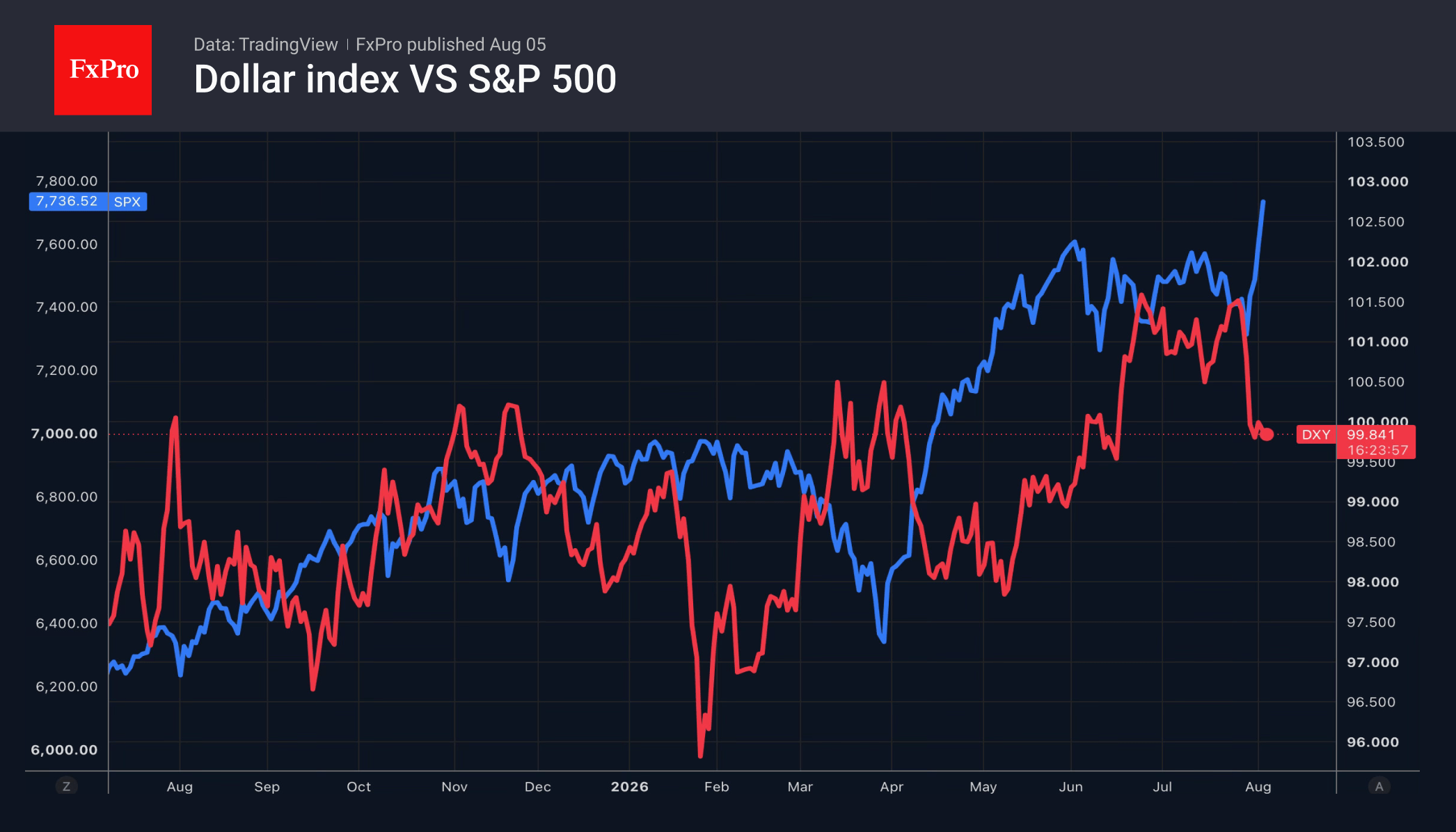
Scott Bessent’s statement on the reasons for US participation in currency interventions coordinated with Japan further pressured the USD index. According to the Treasury Secretary, if the yen continued to weaken, it would trigger a chain reaction of other currencies depreciating against the dollar, which would in turn harm US exporters. Furthermore, the yen’s weakness has, in the past, fuelled economic instability worldwide. A prime example is the Asian financial crisis of the 1990s.
Thus, US involvement in these interventions can be interpreted as a measure aimed at achieving the competitive devaluation of the dollar. Eliminating economic instability is equivalent to reducing demand for the greenback as a safe-haven asset.
However, the fall in the USD index was largely driven by another statement from Scott Bessent, suggesting that a deal with Iran would be reached any day now. Combined with Qatar’s message regarding the mediators’ successes, Saudi Arabia’s intentions to pursue a diplomatic path in its relations with the Houthis, and Axios’s report that Iran and Oman are close to an agreement to open the Strait of Hormuz, this sent Brent plunging to its lowest level since 13 July.
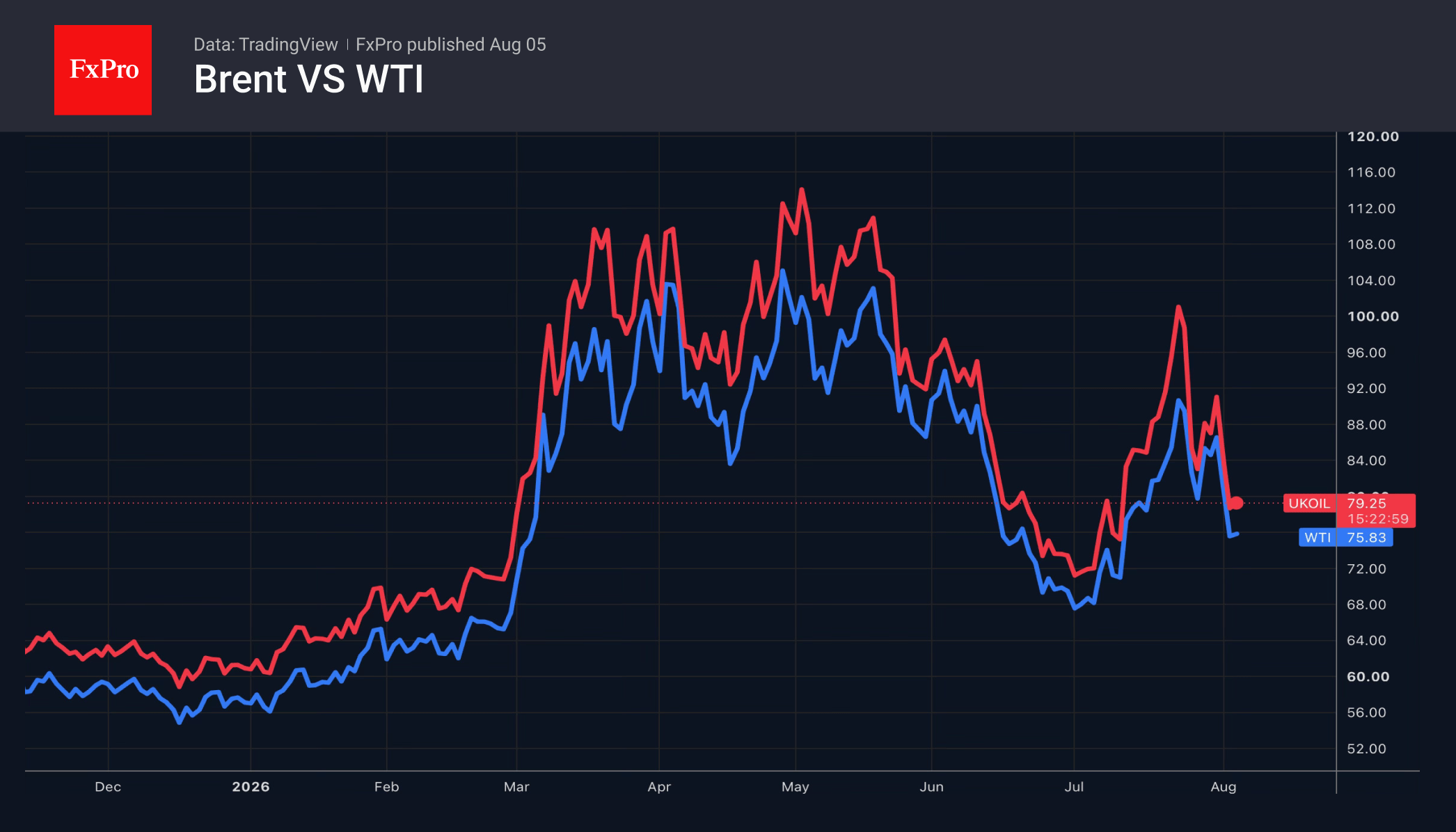
Mizuho believes a deal unfavourable to the US will be concluded, one that will fail to resolve a host of outstanding issues. IG notes that the main sticking point is the transit fee for the Strait of Hormuz. Tehran seeks compensation for losses incurred during the conflict. However, will Washington agree to this?
Meanwhile, traffic through the world’s main oil artery remains subdued. According to Kpler, only nine vessels have passed through the Strait of Hormuz, compared with 130–140 before the conflict in the Middle East. The American Petroleum Institute estimates that traffic has fallen from 20 to 6 million barrels per day. The situation remains tense, and a breakdown in negotiations could quickly return control of the market to the bulls.
The FxPro Analyst Team





