


Why Brent’s failure to break below $80 reveals lingering doubt about Bessent’s Hormuz optimism
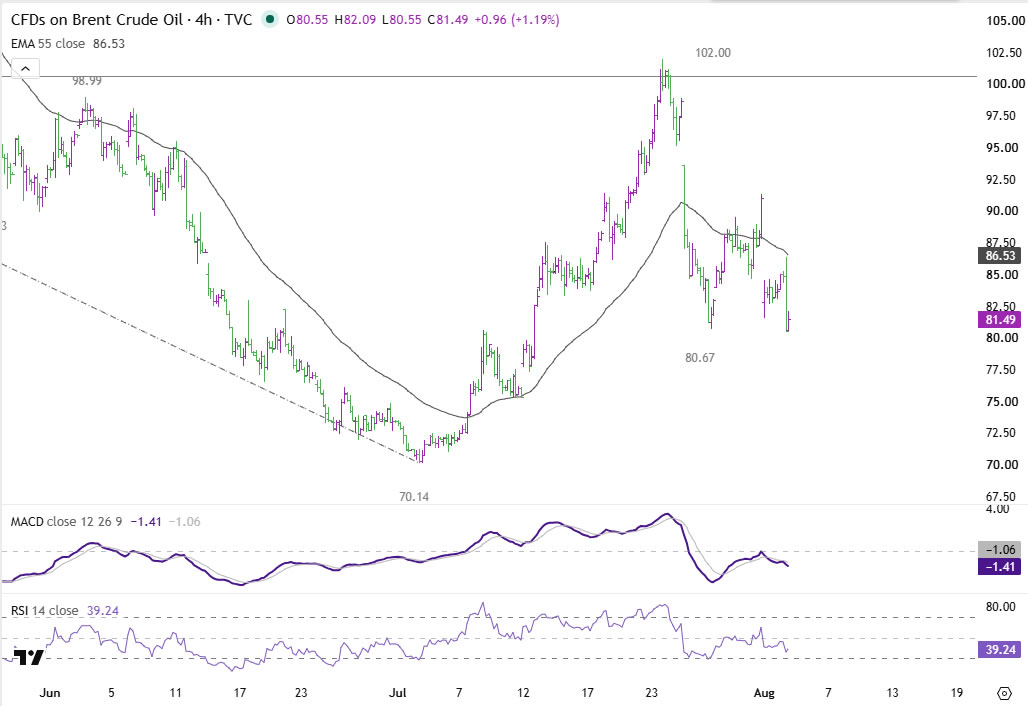
What’s happening: Treasury Secretary Scott Bessent said the US and Iran could reach a deal as early as Tuesday or Wednesday to reopen the Strait of Hormuz, sending Brent crude from around $86 to near $80 and lifting equity futures and risk sentiment broadly.
Why it matters: Brent failed to break decisively below $80, a hesitation that suggests traders aren’t ready to fully price out the geopolitical risk premium. The gap between Washington’s optimistic messaging and Iran’s unresolved tolling and sovereignty demands over Hormuz is still very much intact.
Bessent’s Hormuz Comments Spark a Broad Risk Rally
Risk appetite strengthened across global markets after US Treasury Secretary Scott Bessent said the United States and Iran could reach a deal as early as Tuesday or Wednesday to reopen the Strait of Hormuz to commercial shipping. Speaking to CNBC, Bessent said, “There is a chance we may have a deal today or tomorrow to open the strait and move towards a more normalized position in this conflict.” The remarks sent Brent crude tumbling from around $86 to near $80, while US equity futures rallied more than 1%, extending Wall Street’s bullish tone. Treasury yields edged slightly lower, with the benchmark 10-year yield slipping to around 4.66%.
Market Reaction
- Brent crude: fell from around $86 to near $80
- US equity futures: rallied more than 1%
- 10-year Treasury yield: slipped to around 4.66%
Why Brent’s Failure to Break $80 Matters
Yet one detail stood out amid the market’s enthusiastic response: Brent failed to break decisively below the $80 level. That hesitation suggests traders remain reluctant to fully price out the geopolitical risk premium despite Bessent’s optimism. The immediate reaction reflected relief that diplomacy may be gaining traction, but the oil market appeared unconvinced that a lasting resolution is yet within reach.
The Unresolved Question: Who Controls Tolls Through Hormuz?
The missing piece is the question of tolls and sovereignty over the Strait of Hormuz. Asked directly whether Iran would retain the right to charge commercial vessels for passage, Bessent instead replied that any agreement would ensure “freedom of movement” through the waterway. That formulation leaves considerable room for interpretation. Freedom of movement does not necessarily imply free passage, nor does it explicitly address Tehran’s long-standing position that it intends to retain sovereign control and tolling rights once any temporary arrangements expire. Until that issue is resolved, the gap between Washington’s optimistic messaging and Iran’s publicly stated objectives remains largely intact.
Markets Have Been Here Before
Markets have seen a similar pattern before. President Donald Trump has repeatedly suggested that a breakthrough with Iran was close, only for negotiations to stall and military tensions to escalate again. That history helps explain why Brent found buyers near last week’s $80 low instead of extending its decline. Investors appear willing to reduce the immediate risk premium, but not eliminate it without confirmation from Tehran or clear evidence that commercial shipping is resuming under mutually accepted terms.
Currency Markets: Commodity Currencies Lead, Yen Lags
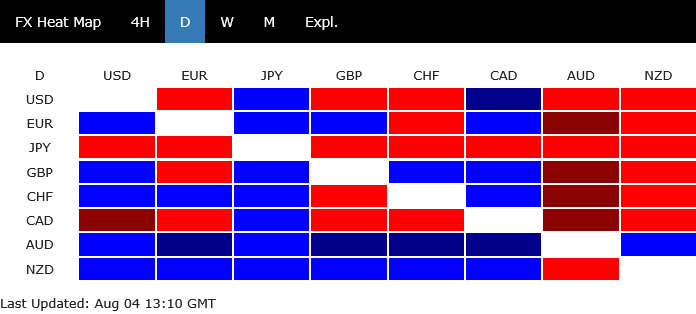
Despite that caution in oil, broader market sentiment remained constructive. Commodity-linked and growth-sensitive currencies benefited most from the improvement in risk appetite, with the Australian and New Zealand Dollars leading gains. Attention now turns to New Zealand’s second-quarter labor market report. With inflation already exceeding the RBNZ’s own forecasts and domestic price pressures remaining elevated, an employment report that merely matches expectations, rather than beating them, could be enough to reinforce further rate-hike expectations and extend the Kiwi’s outperformance against the Aussie. At the other end of the spectrum, the Japanese Yen was the day’s weakest performer as recent intervention-driven gains started to unwind. The Canadian Dollar also underperformed as falling oil prices weighed on sentiment, while the US Dollar softened modestly. The Euro, Sterling and Swiss Franc traded largely sideways against one another as markets waited for the next decisive catalyst.
Related Coverage
Currency Deep Dives
- Read the two technical and fundamental obstacles standing between GBP/CAD and a sustained breakout: Two Things Stand Between GBP/CAD and an Upside Breakout.
- See why New Zealand’s Q2 labour data doesn’t need to surprise to extend AUD/NZD’s decline: AUD/NZD Pressured as Inflation Backs More RBNZ Tightening, Jobs Need Only Confirm It.
Central Bank & Policy
- Read what Philadelphia Fed’s Paulson says would actually force another rate hike: Fed’s Paulson Explains What Would Force Another Rate Hike.
- See why Japan’s Economy Minister is taking a softer line on inflation than the BoJ itself: Government vs BoJ? Japan’s Kiuchi Offers Softer View on Inflation Risks.
Trade & Growth
- Read why Canada’s export volumes, not just a weaker Loonie, are driving the widening trade surplus: Canada’s Trade Surplus Widens, Though Weaker Loonie Boosts Headline.
Frequently Asked Questions
Q: Why didn’t Brent break decisively below $80 if a Hormuz deal is close?
A: The hesitation suggests traders aren’t ready to fully price out the geopolitical risk premium. Markets have seen this pattern before, with President Trump repeatedly suggesting a breakthrough was close only for negotiations to stall and tensions to escalate again, which is why Brent found buyers near last week’s $80 low instead of extending its decline.
Q: What did Bessent’s “freedom of movement” comment leave unresolved?
A: Asked directly whether Iran would retain the right to charge commercial vessels for passage, Bessent said any agreement would ensure “freedom of movement” through the waterway. That phrasing doesn’t necessarily imply free passage, and it doesn’t address Tehran’s long-standing position that it intends to retain sovereign control and tolling rights once any temporary arrangements expire.
Q: Why are markets skeptical even though Bessent sounded optimistic?
A: Investors appear willing to reduce the immediate risk premium but not eliminate it without confirmation from Tehran or clear evidence that commercial shipping is resuming under mutually accepted terms. Until the tolls-and-sovereignty question is resolved, the gap between Washington’s optimistic messaging and Iran’s publicly stated objectives remains largely intact.
Key Takeaways
- Bessent’s Hormuz comments triggered a broad risk rally: Brent fell from around $86 to near $80, equity futures rallied more than 1%, and the 10-year Treasury yield slipped to about 4.66%.
- Brent’s failure to break decisively below $80 is the real signal: That hesitation shows traders aren’t ready to fully price out the geopolitical risk premium despite the optimistic headlines.
- Tolls and sovereignty remain unresolved: Bessent’s “freedom of movement” language sidesteps whether Iran keeps the right to charge vessels or retain sovereign control once any temporary arrangement ends.
- History explains the market’s caution: Repeated past claims of an imminent breakthrough that later stalled are why Brent found buyers near $80 instead of extending its slide.
- Commodity currencies led gains while the Yen lagged: AUD and NZD benefited most from the improved risk appetite, and NZ’s Q2 employment report may only need to match forecasts, not beat them, to extend Kiwi outperformance given inflation already running above RBNZ projections. The Yen was the day’s weakest performer as intervention-driven gains began to unwind, and CAD underperformed on falling oil.
What to Watch Next
Tuesday or Wednesday is the window Bessent flagged for a potential deal, making confirmation from Tehran, or tangible evidence of shipping resuming through Hormuz, the next real catalyst for oil. On the currency side, New Zealand’s Q2 labor market report will help determine whether the Kiwi can extend its outperformance against the Aussie.





