


- Investors were more alarmed by the announcement than by the sanctions themselves and began selling Brent.
- A rise in US inventories is driving pressure on oil.
The US dollar is taking a breather against the backdrop of falling Brent prices and the associated decline in Treasury bond yields. Coupled with rising stock indices, this is creating headwinds for the greenback. On the face of it, it looks as though the Treasury has bought itself some time with its statements about increasing the minimum volume of Treasury buybacks and imposing sanctions against Iran. Its plans to lower oil prices and debt market rates are beginning to materialise.
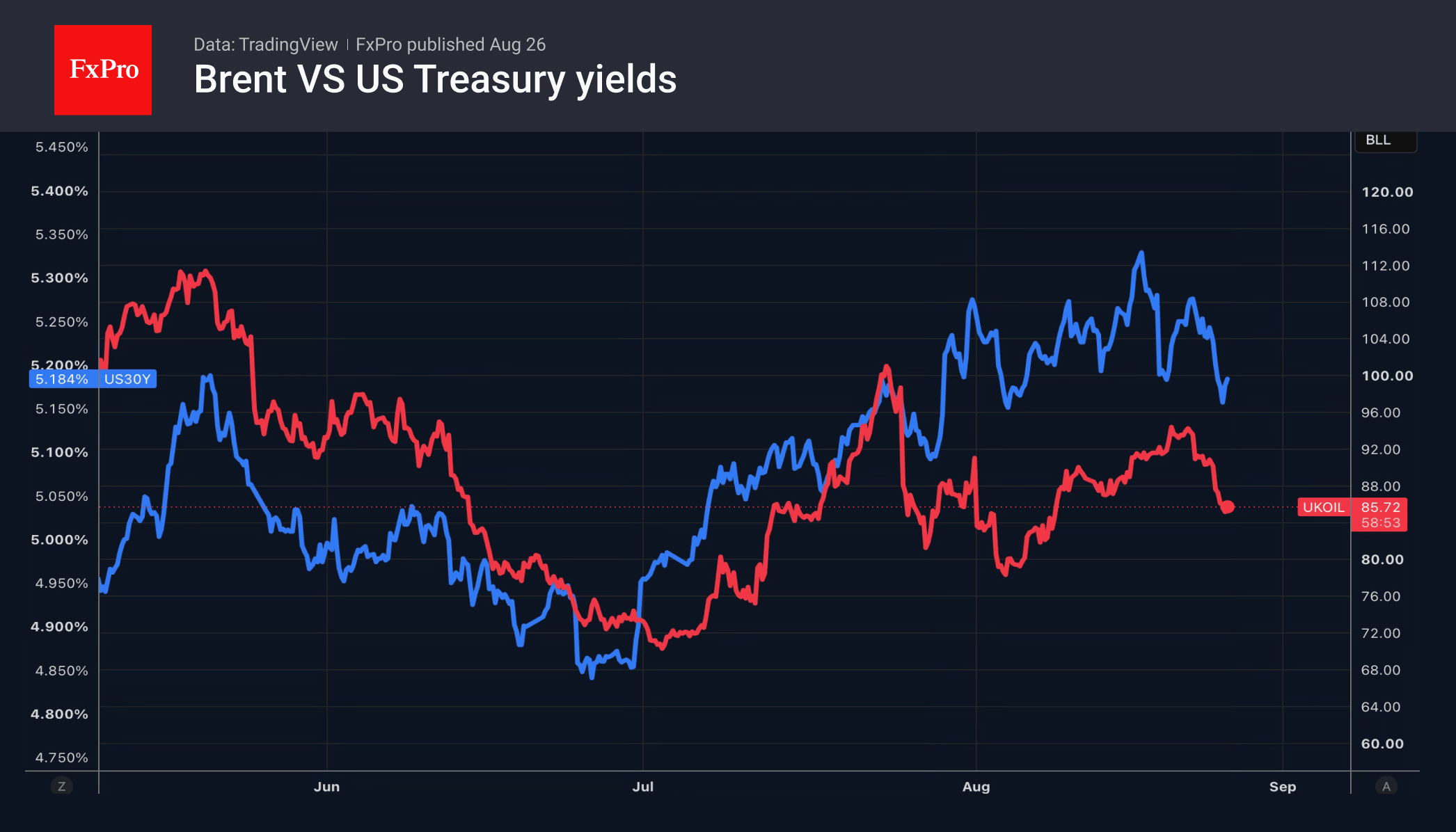
The Treasury’s high-profile statements about its intention to make Iran an economic pariah have, in fact, amounted to a tightening of the sanctions under which Tehran has been living for many years. The oil market had been seriously spooked by the announcements of new measures a week earlier. Ultimately, investors breathed a sigh of relief at the Treasury’s rather modest measures and began to unwind their long positions in Brent in line with the ‘buy the rumour, sell the fact’ principle. The sell-off then continued against the backdrop of a de-escalation of the conflict in the Middle East.
Iran and Oman have returned to the negotiating table and are agreeing on a temporary route through the Strait of Hormuz for a period of 30–60 days, which may subsequently become permanent. At the same time, mediators from Pakistan report progress in the dialogue with Tehran regarding its standoff with the US-Israeli coalition.
Meanwhile, traffic through the world’s main oil artery remains subdued with just five tankers per day, which is below the 10-day average of 15. Traffic through the Bab el-Mandeb Strait continues unabated – 31 vessels crossed the strait, compared with 29 the previous day. This is in line with average figures.
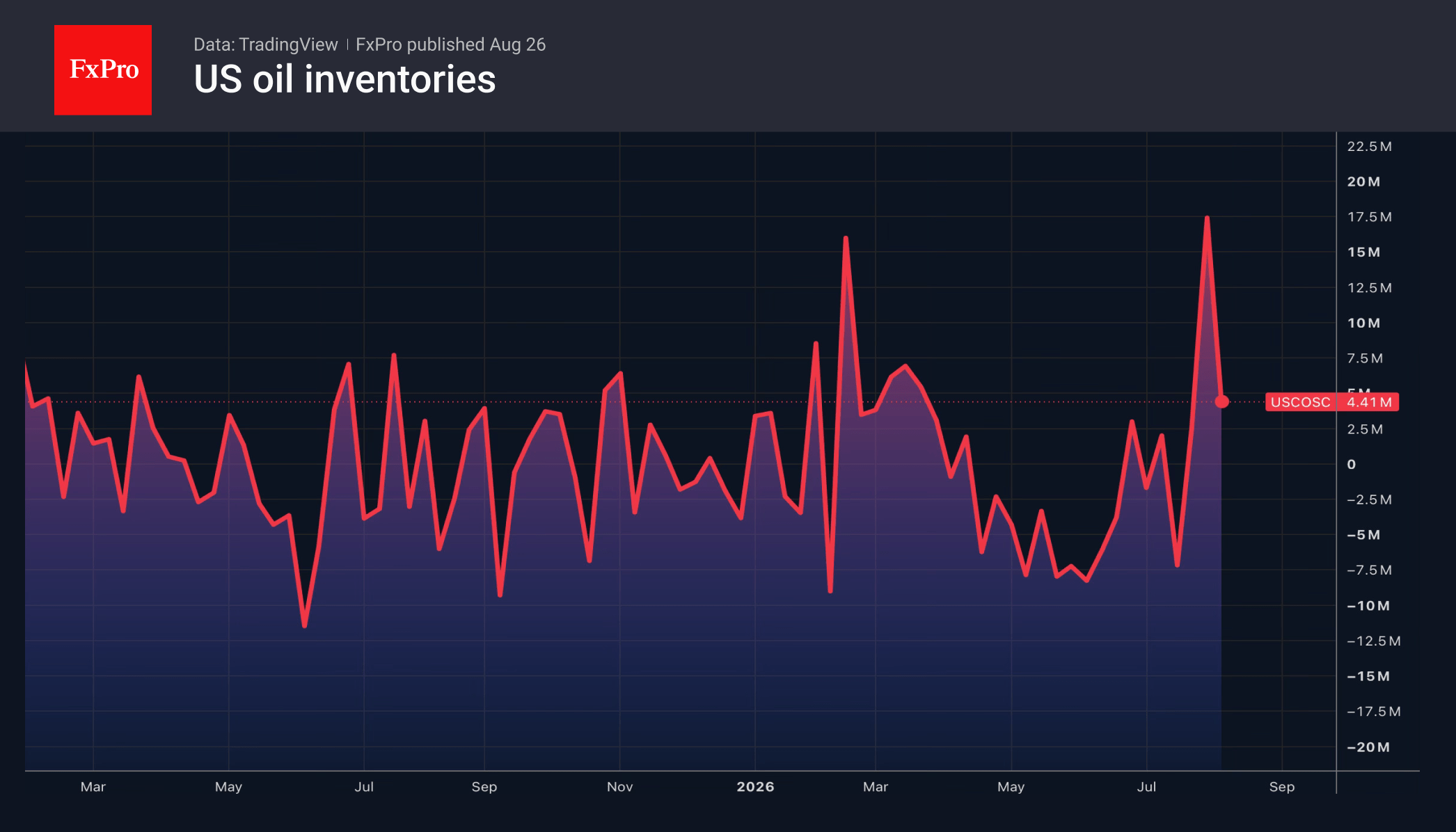
Brent is under pressure amid data from the American Petroleum Institute showing a 4.2 million-barrel rise in stocks. If the figures are confirmed by the Energy Information Administration, this will mark the fourth consecutive five-day period of growth. This signals a decline in demand against a backdrop of a massive increase in production, which is a ‘bearish’ factor.
The fall in oil prices is helping to ease concerns about accelerating inflation in the US, which could force the Fed to tighten monetary policy. The futures market puts the probability of a federal funds rate hike in September at 38%. The probability of at least one monetary tightening measure in 2026 stands at 72%.
The FxPro Analyst Team





