


- Hopes for a resumption of diplomatic ties between the US and Iran have weighed on oil prices.
- Rising political risks in Germany are putting pressure on the euro.
The US dollar resumed its advance on Tuesday morning as Brent crude rebounded from its longest slide since July, increasing the likelihood that the Fed will tighten monetary policy. The greenback is receiving further support from the economy’s continued healthy growth and from capital outflows from Europe, linked to both high fuel prices and escalating political risks in Germany and financial risks in France. This, in turn, is linked to petrol prices.
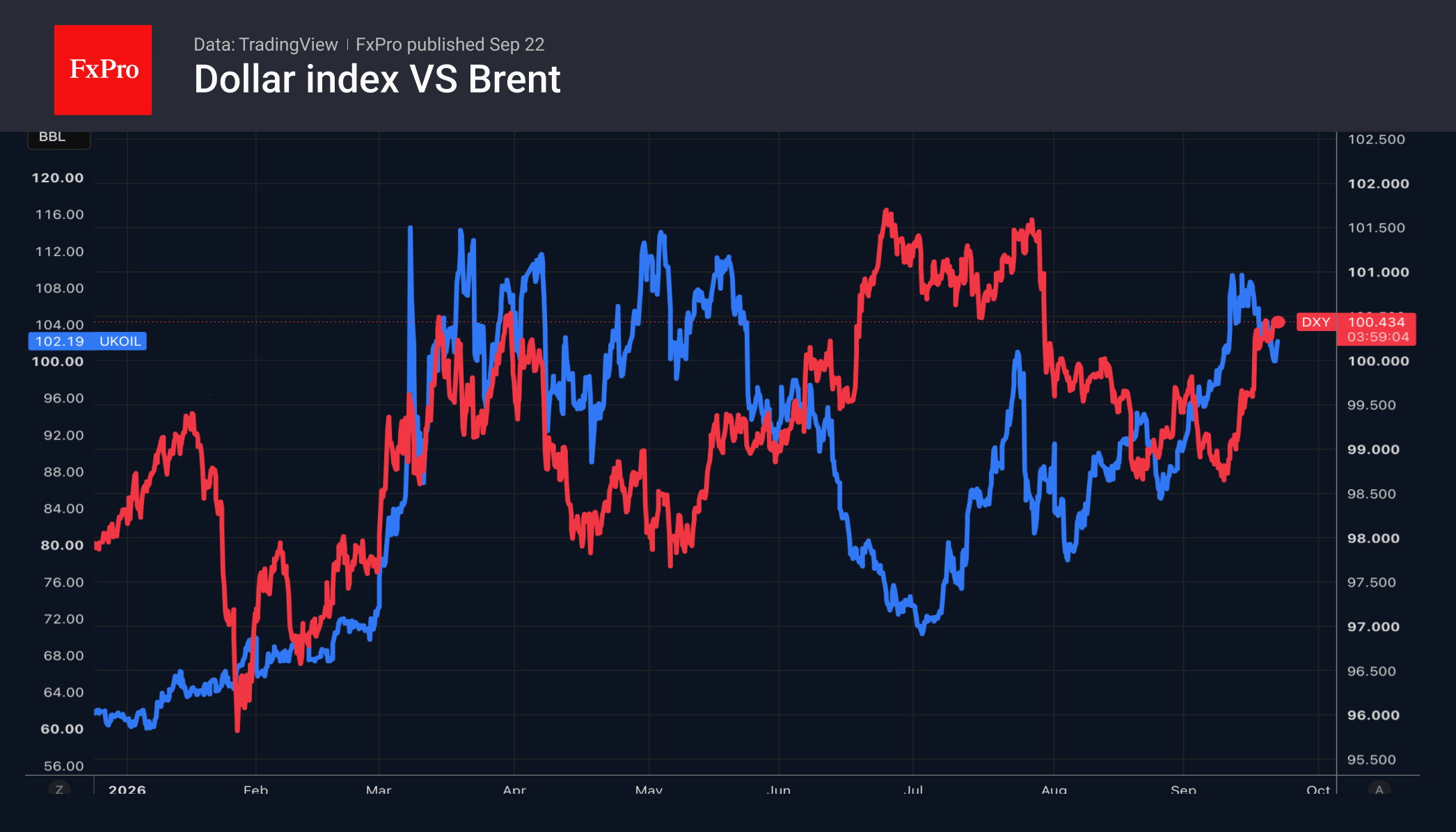
Rumours of the imminent resumption of operations on the East-West pipeline, of Saudi Arabia increasing exports via the Strait of Hormuz, and of a meeting between the US and Iranian presidents at the UN summit were behind the fall in Brent prices over the previous four consecutive trading sessions. The emergence of political efforts on the horizon has slightly bolstered investors’ tentative hopes for an end to the conflict in the Middle East and a normalisation of fuel supplies.
Furthermore, supply disruptions from the Gulf states were indeed less severe than expected. According to JPMorgan, Saudi Arabia has increased exports through the Strait of Hormuz to an average of 2.9 million barrels per day over the last six days, up from 700,000 barrels per day in August.
The fall in Brent prices is being fuelled by rumours that Beijing is putting pressure on Tehran, and this pressure is set to intensify following the official meeting between Donald Trump and Xi Jinping at the White House on 23–25 September. China is the largest buyer of Iranian oil and has already asked its partners to limit attacks on Saudi Arabia by the Yemeni Houthis.
Nevertheless, the US and Iran remain far apart on fundamental issues, so a breakthrough following the dialogue between the two countries’ presidents is unlikely. On the contrary, the deteriorating economic situation will make Tehran more aggressive, negatively impacting Saudi Arabia’s oil exports. Moreover, it is worth bearing in mind that the final say on Iran’s part will still rest with the IRGC and the Supreme Leader.
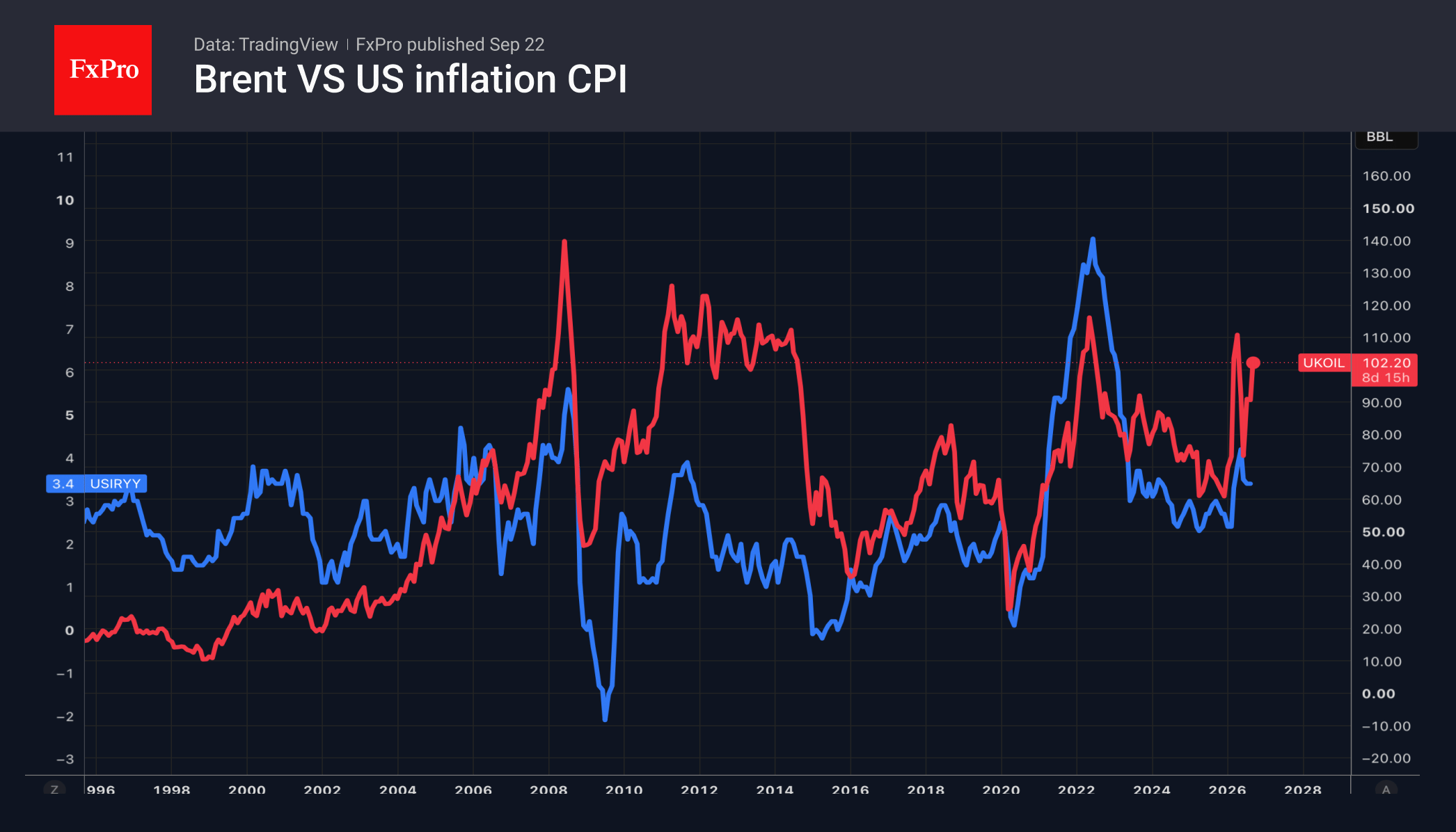
Diesel prices in the US continue to hit record highs, drawing attention from the press and the public. However, for the economy, they pose the risk of accelerating inflation, fuelling expectations of an aggressive tightening of the Fed’s monetary policy. Consequently, the probability of two further rate rises by the end of the year has risen to 45%, up from 29% a week earlier. The market is pricing in a weighted-average rate of 4.69% as of 15 September 2027, up 12 basis points over the week and 62 basis points over the month, a key driver of the USD’s rise during this period.
The picture of the euro’s woes would not be complete without the political risks in Germany. The CDU’s defeat in the regional elections has fuelled rumours of Friedrich Merz’s resignation as Chancellor. This news has overshadowed the upward revision of German GDP growth forecasts from 0.6% to 1.3% in 2026 by independent economic institutes, which has had a greater impact on the euro. In France, talk of a budget crisis is growing louder as unsustainably high public debt has coincided with a substantial budget deficit. At the same time, there is virtually no room for manoeuvre due to slower economic growth and soaring energy imports.
The FxPro Analyst Team





