


The price actions of the AUD/USD have indeed jumped as expected; it rallied by 1.2% to record an intraday high of 0.6690 on Friday, 12 September, Asia session at the time of writing, and hit the lower limit of the 0.6660/0.6680 major resistance zone mentioned in our publication.
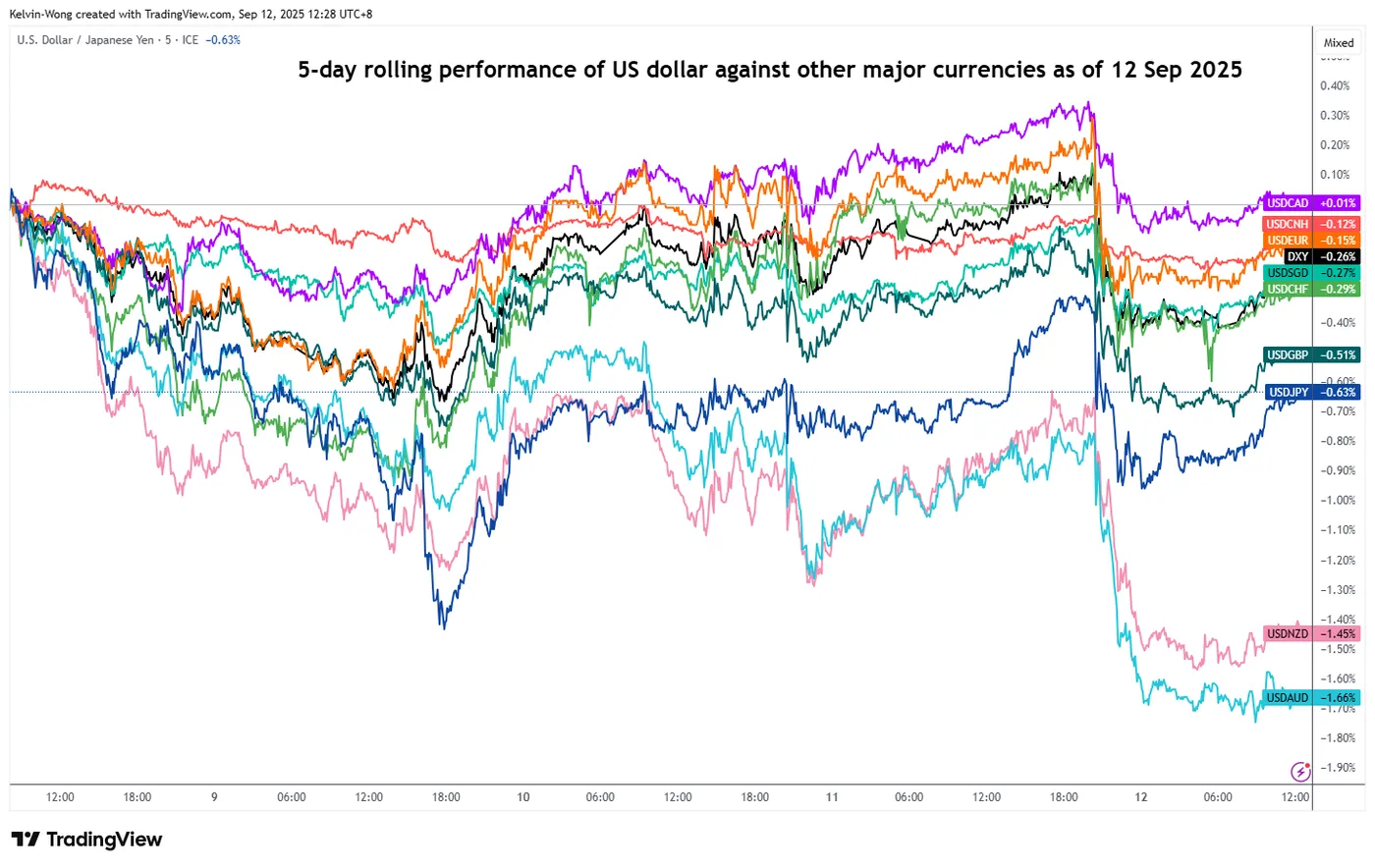
Fig. 1: 5-day rolling performances of major currencies versus the US dollar as of 12 Sep 2025 (Source: TradingView)
Based on the 5-day rolling performances of the US dollar against the major currencies as of Friday, 12 September, the Australian dollar is the strongest performing currency, where the US dollar shed -1.67% against the AUD, a larger magnitude than the loss of -0.3% seen in the US Dollar Index over the same period (see Fig. 1).
What’s next? Let’s break down for you the key fundamental factors and technical elements that are likely to drive forward the movement of the AUD/USD in the near to medium-term time horizon.
Further demand-side weakness in the US economy
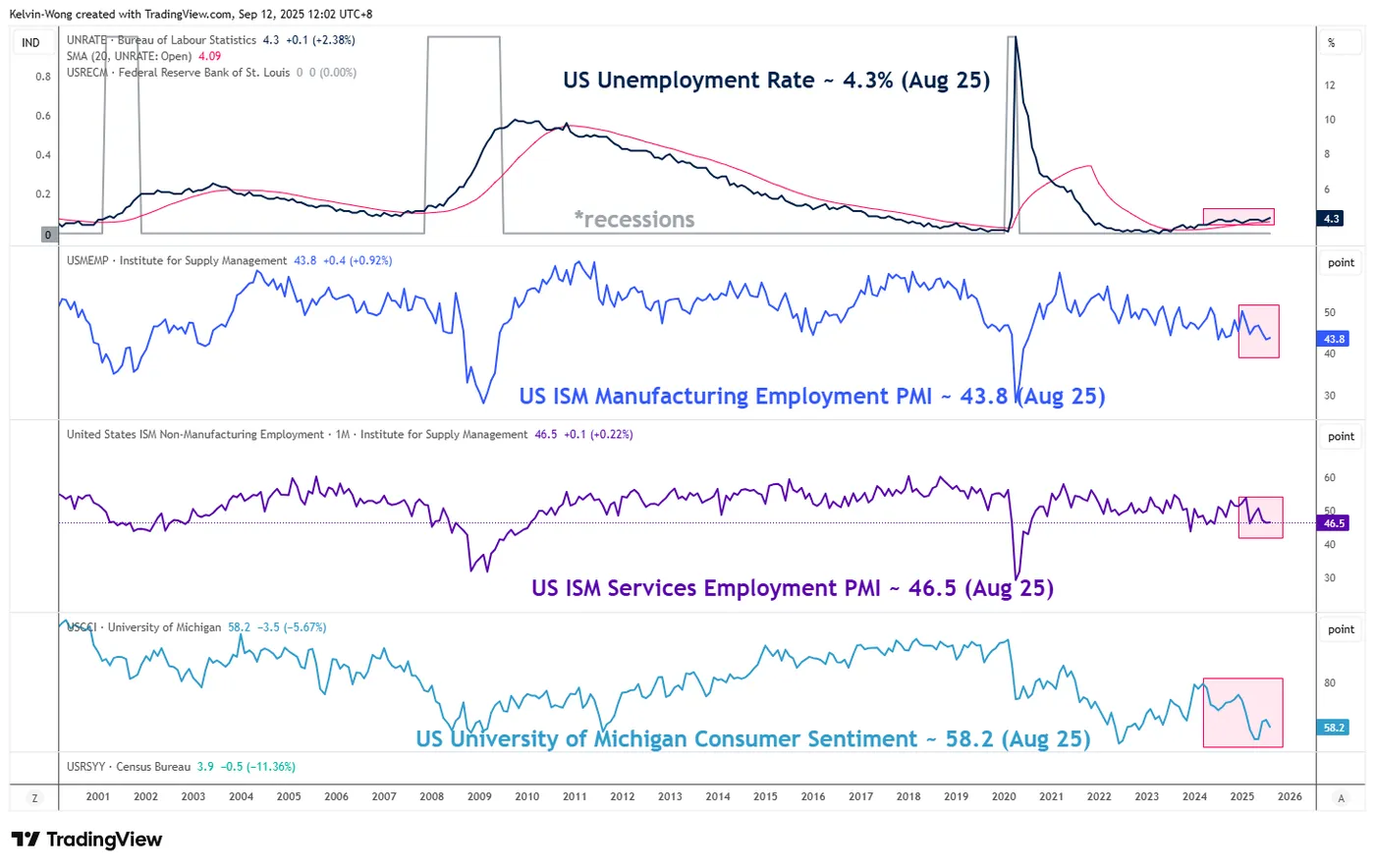
Fig. 2: US Unemployment Rate, ISM Manufacturing/Services Employment & University of Michigan Consumer Sentiment as of Aug 2025 (Source: TradingView)
The rally seen in the Australian dollar in the past two weeks has been more attributed to external economic forces (the US and China).
On the US side of the equation, more evidence that the deterioration of the US labour market (weaker-than-expected non-farm payrolls data for August, unemployment rose to almost a 4-year high of 4.3%, and initial jobless claims for the week ending 6 September increased to 263,000, the highest level since October 2021).
All these latest lackluster US labour market data outweigh the risk of a sticky inflationary trend in the US due to the US White House’s trade tariffs, which have triggered the pricing of a more pronounced Fed dovish pivot that is likely to kickstart next week at the FOMC meeting on 17 September.
Today at 14:00 GMT, the preliminary September reading of the University of Michigan’s consumer sentiment index will be released, a key leading indicator of US demand-side conditions.
According to the Trading Economics website, market forecasts are at 58, a slight dip from August’s print of 58.2.
The major trend of the University of Michigan’s US consumer sentiment has been deteriorating since March 2024’s print of 79/4, and if September’s print is below expectations (below 58), it is likely to trigger higher odds of Fed’s rate cuts bets in 2026, and asserts further downside pressure on the US dollar, in turn, boosting indirect demand for AUD (see Fig. 2).
Higher Iron Ore futures prices trigger a positive feedback loop back into AUD/USD
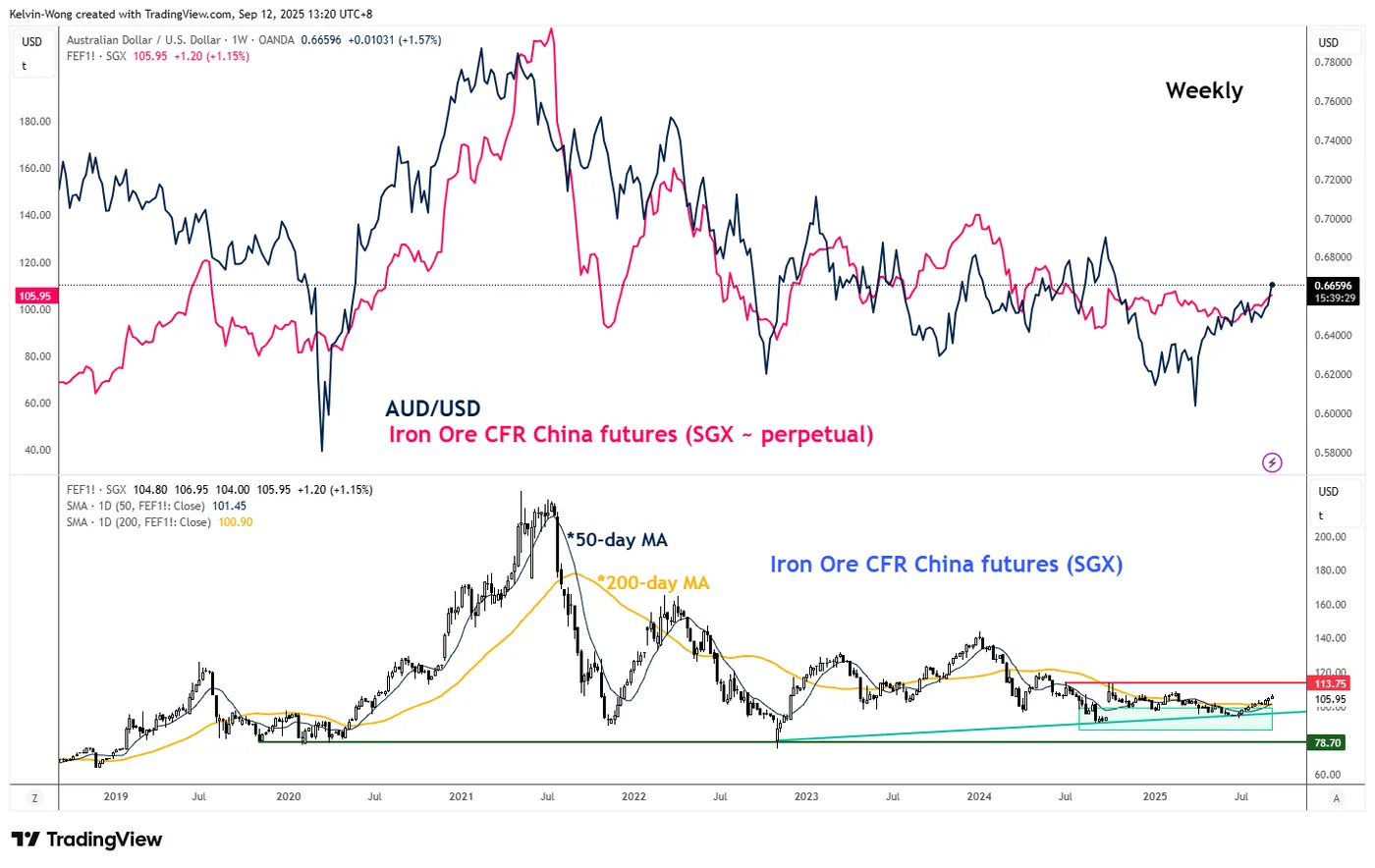
Fig. 3: Iron Ore CFR China futures with AUD/USD as of 12 Sep 2025 (Source: TradingView)
In our previous publication, we highlighted that the latest core CPI inflation trend in China has reduced the risk of an entrenched deflationary risk spiral.
It will have a trickle-down positive impact on the demand for iron ore, which is one of Australia’s key exports to China.
The forward-looking demand for iron ore can be gauged by examining the trends of the iron ore futures, which have a direct correlation with the movement of the AUD/USD (see Fig. 3).
Recent price actions of the Iron Ore CFR China futures listed on the Singapore Exchange have started to form a major bullish basing formation since September 2024 and traded back up above its 200-day moving average since the week of 4 August 2025.
A further move up in the Iron Ore CFR China futures and a break above 113.75 is likely to trigger a major positive feedback loop back into the AUD/USD (see Fig. 3).
Let’s now dive deeper into the technical analysis aspects of AUD/USD and determine its next near-term trajectory (1 to 3 days), key levels to watch, and key technical elements.
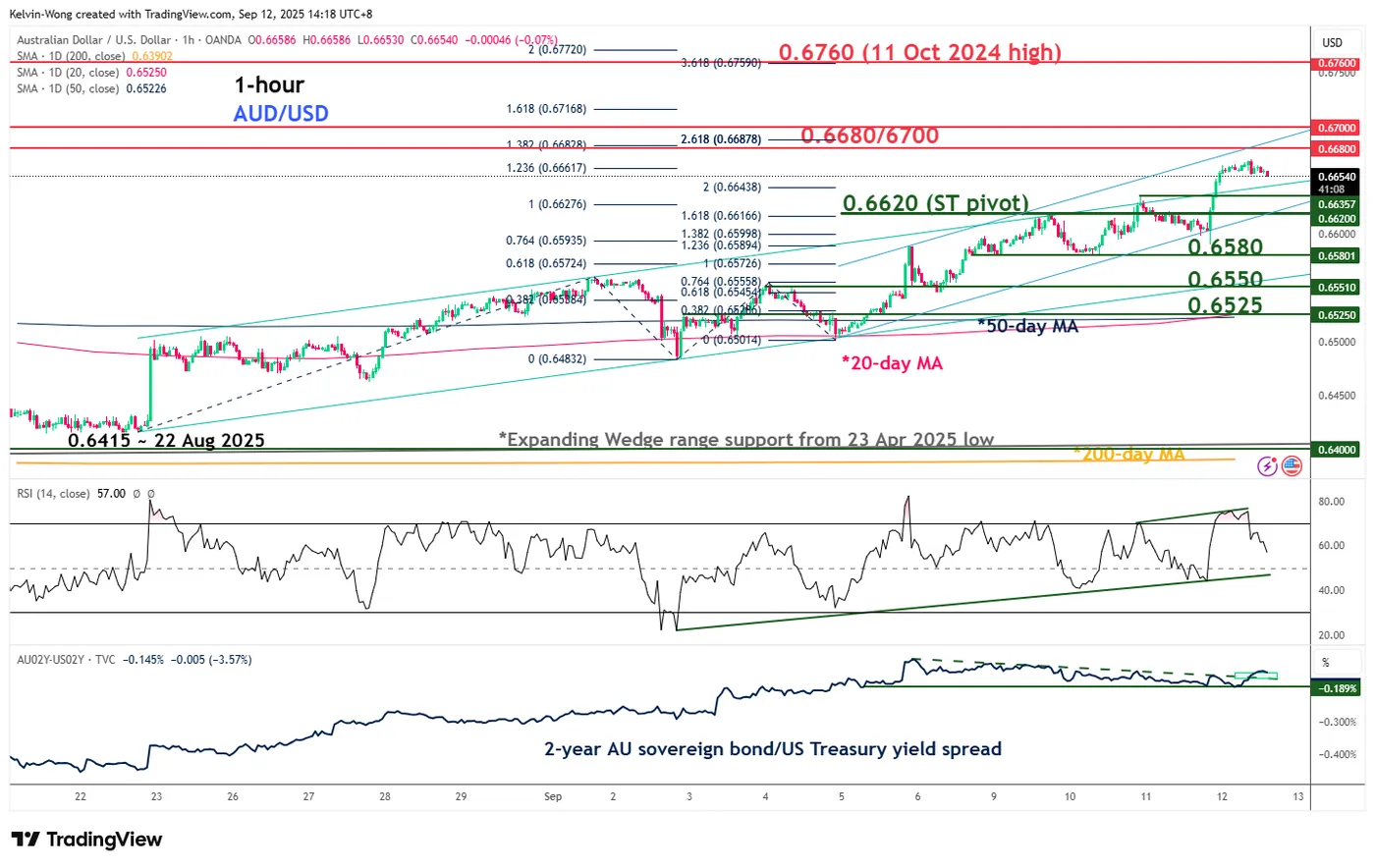
Fig. 4: AUD/USD minor trend as of 12 Sep 2025 (Source: TradingView)
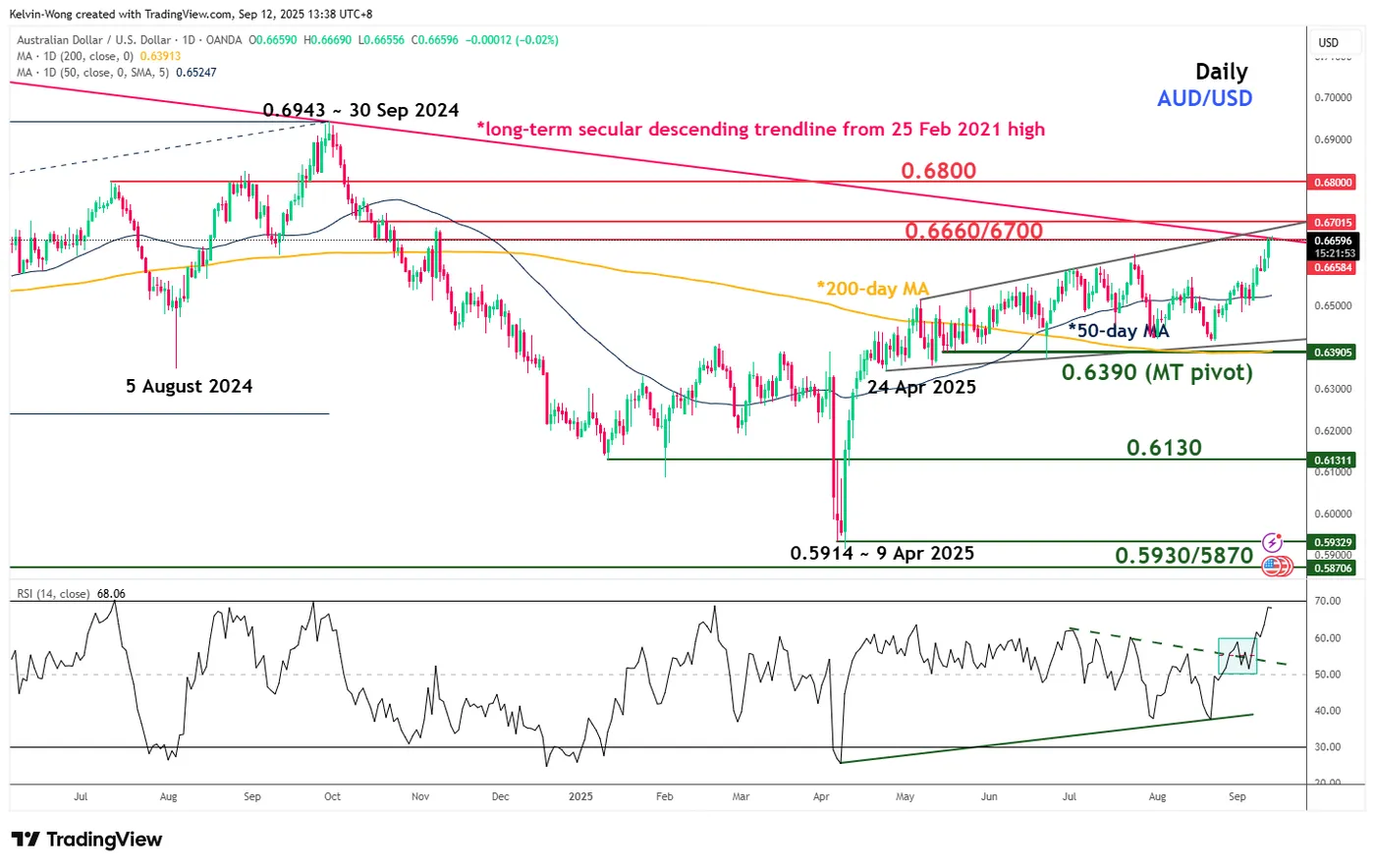
Fig. 5: AUD/USD medium-term & major trends as of 12 Sep 2025 (Source: TradingView)
Preferred trend bias (1-3 days)
The minor bullish trend of AUD/USD from the 4 September 2025 low remains intact, but a risk of a minor pullback first before a potential new impulsive up move sequence materializes.
Maintain bullish bias with an adjusted short-term pivotal support at 0.6620 to contain the potential minor pull-back, and a clearance above 0.6700 adds impetus for the next intermediate resistance to come in at 0.6760 (also a Fibonacci extension) in the first step (see Fig. 4).
Key technical elements
- The major resistance of the AUD/USD stands at 0.6660/0.6700, which is defined by the upper boundary of the medium-term “Expanding Wedge” range configuration and the long-term secular descending trendline from the 25 February 2021 high (see Fig. 5).
- The daily RSI momentum indicator of the AUD/USD has continued to trend higher after its bullish breakout on 5 September 2025 and has not reached its overbought region (above 70). These observations suggest a potential bullish signal for the AUD/USD to break above 0.6700 (see Fig. 5).
- The yield spread between Australia’s 2-year sovereign bond and the US Treasury note has steadily narrowed from -0.55% on 1 August 2025 to -0.19% at the time of writing. This recent breakout above a 5-day descending resistance reinforces the bullish momentum in AUD/USD (see Fig. 4).
Alternative trend bias (1 to 3 days)
A break below 0.6620 key short-term support negates the bullish scenario on the AUD/USD to expose the next intermediate supports at 0.6580 and 0.6550.





