Key takeaways
- BoJ policy pause amid stagflation risks: The Bank of Japan is expected to keep rates unchanged at 0.75%, balancing rising inflation with slowing growth as higher oil prices from the US–Iran war in 2026 weigh on Japan’s economy and consumer confidence.
- Mixed macro signals but tightening bias intact: While weak equity performance (e.g., Nikkei 225 down ~9%) signals soft sentiment, improving wages and sticky inflation support expectations for at least one 25 bps rate hike in 2026.
- Yen under pressure near intervention zone: The USD/JPY is hovering around the 159.45–161.95 intervention risk zone, keeping markets cautious. A break below 157.50 could trigger near-term USD weakness, while continued yen depreciation raises the risk of official intervention.
The Bank of Japan (BoJ) is likely to keep the policy interest rate unchanged at 0. 75% when it concludes its two-day monetary policy meeting on Thursday, 19 March 2026, as the current elevated oil prices due to a prolonged US-Iran conflict stoke stagflation risk.
Japan’s Nikkei 225 is signaling a lackluster consumer confidence
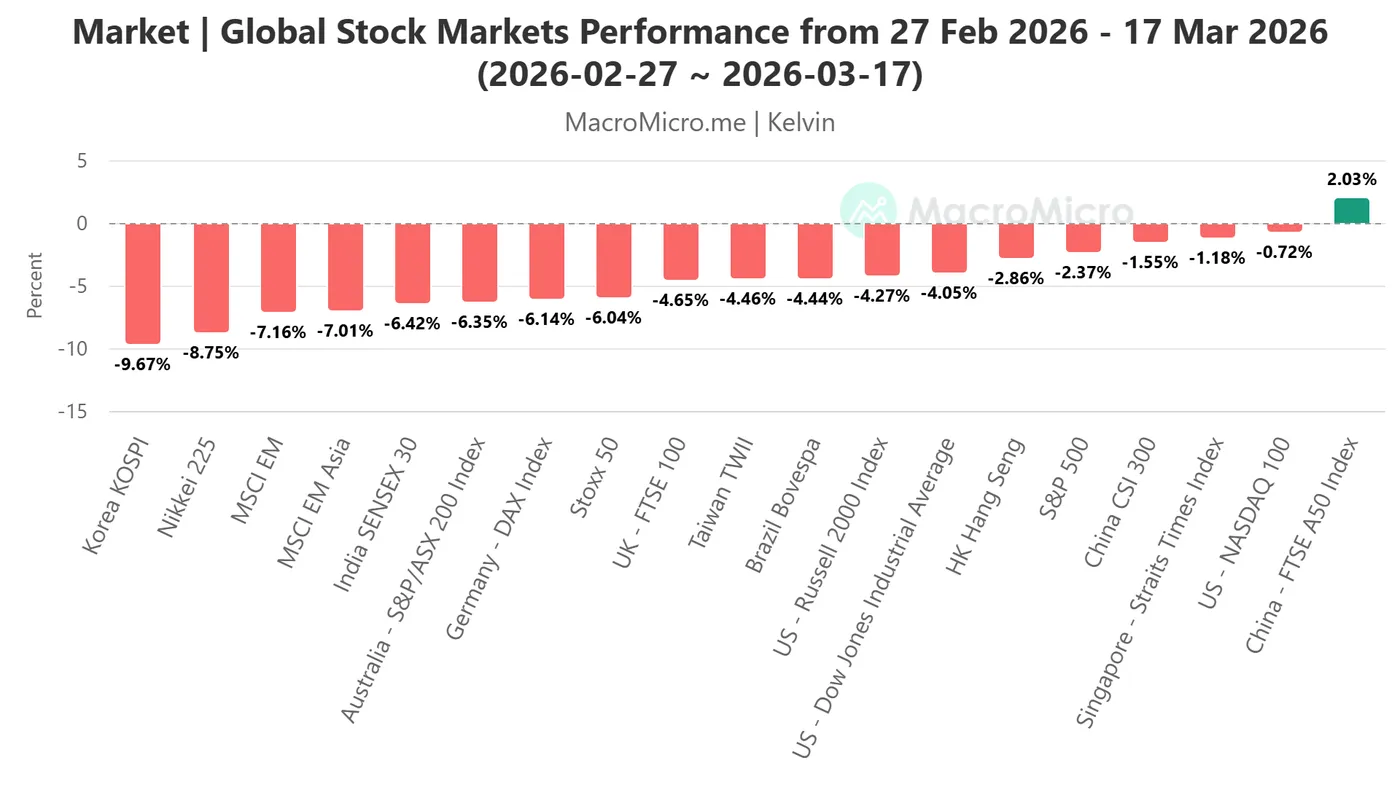
Fig. 1: Nikkei 225 & major global benchmark stock indices from 27 Feb 2026 to 17 Mar 2026 (Source: MacroMicro)
Japan is a major net oil importer, where it gets more than 90% of its crude oil from the Middle East, hence, soaring oil prices are set to push up daily living costs in Japan, in turn, dampen consumer and business confidence, and eventually slow down economic growth.
This negative feedback loop is at play, where Japan’s Nikkei 225 is the second-worst-performing global benchmark stock index, that shed -9% since the start of the US-Iran war as of Tuesday, 17 March 2026 (see Fig. 1).
Japan’s real wages rose for the first time in January 2026
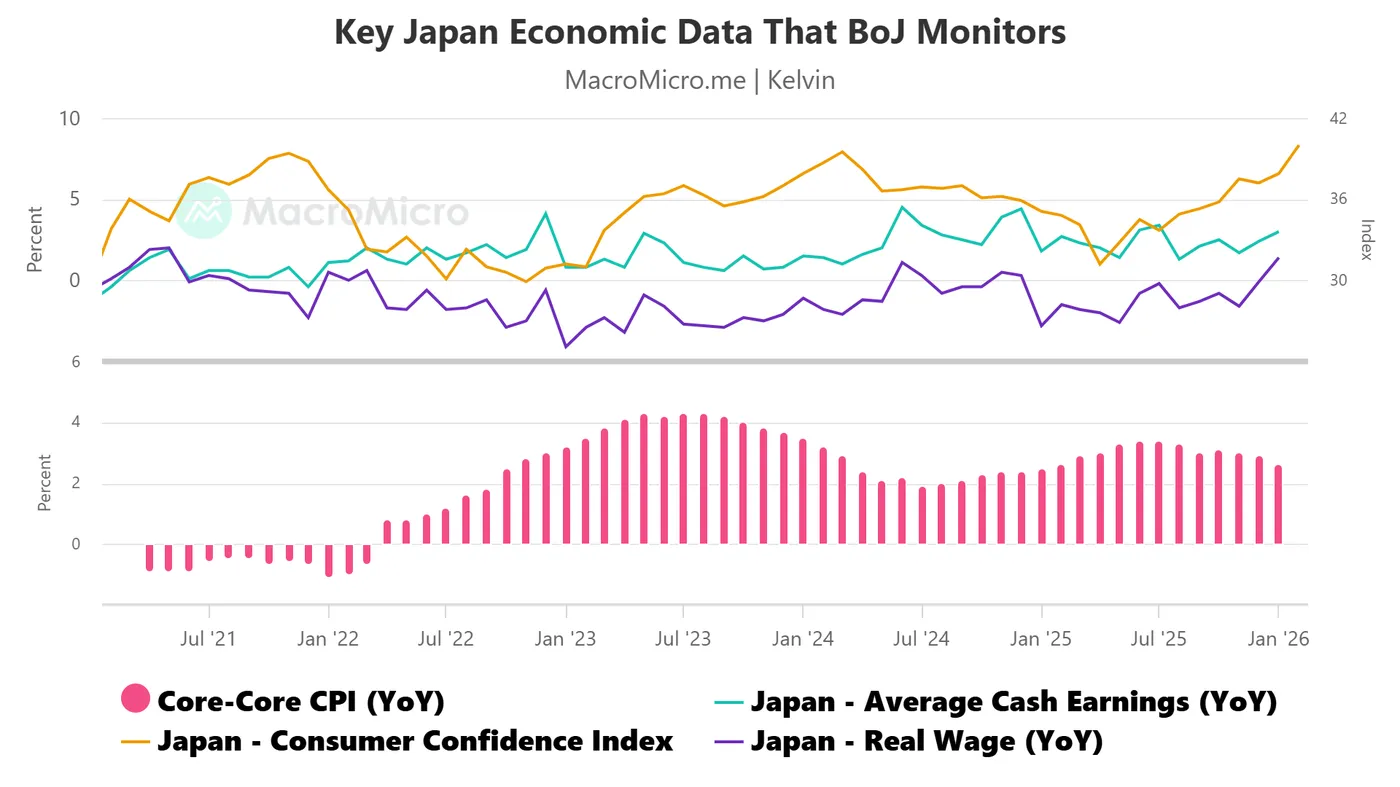
Fig. 2: Key economic data that BoJ monitors as of Jan-Feb 2026 (Source: MacroMicro)
In a parliamentary speech on Tuesday, BoJ Governor Ueda reiterated that underlying inflation is gradually accelerating toward the 2% target. In addition, Ueda mentioned that wages and prices are rising moderately together, as companies become more willing to pass on higher input and labour costs.
Before the US-Iran war, Japan’s real wages rose for the first time in 13 months in January to hit a growth rate of 1.40% y/y (see Fig 2). Also, Japan’s large corporations are expected to offer wage increases of 5% or more for the third consecutive year after the conclusion of this year’s annual spring wage talks on Wednesday.
BoJ is still expecting to hike by 25 bps in 2026
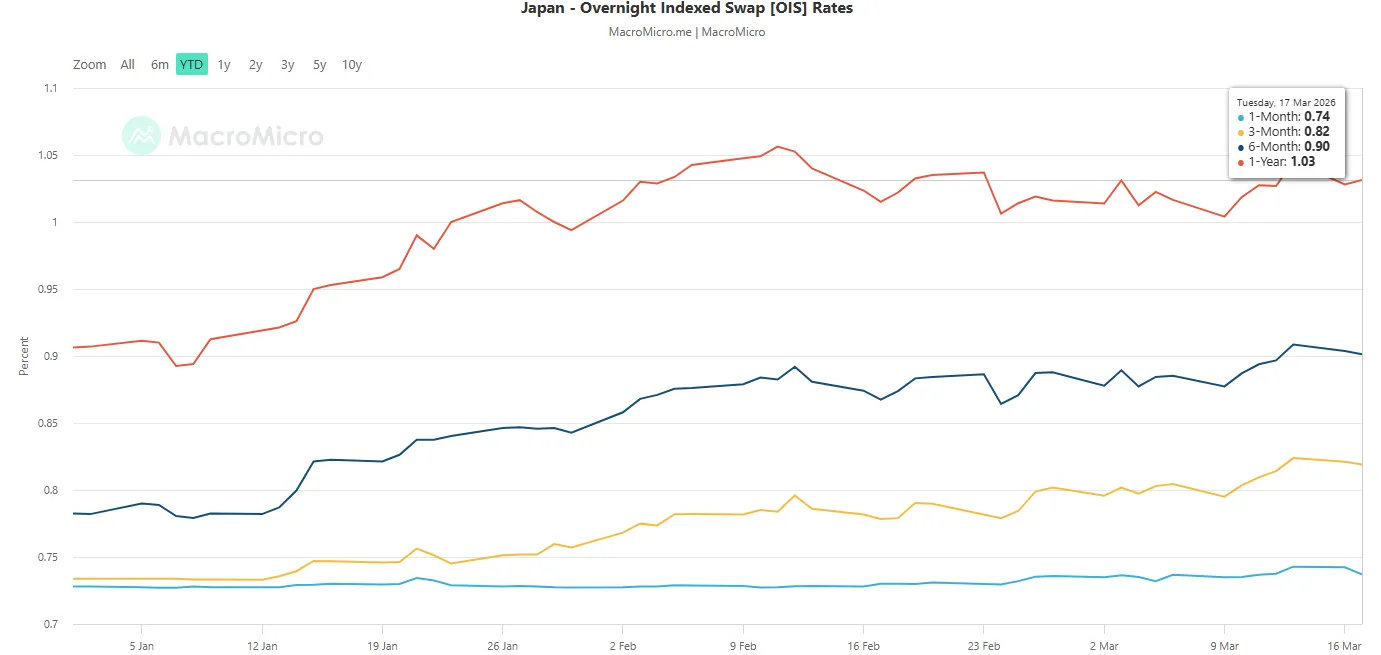
Fig. 3: Japan overnight indexed swap rates as of 17 Mar 2026 (Source: MacroMicro)
The interest rate swap market in Japan is still implying BoJ is looking to hike its policy rate by at least 25 basis points in 2026. The 1-year overnight indexed swap rate has held steady at 1% and increased slightly to 1.03% as of Tuesday, 17 March 2026, and is also above the 1-month overnight indexed swap rate quoted at 0.74% (see Fig. 3).
BoJ Governor’s press conference will be in focus as USD/JPY hovers at 159.45/161.95 key intervention risk zone
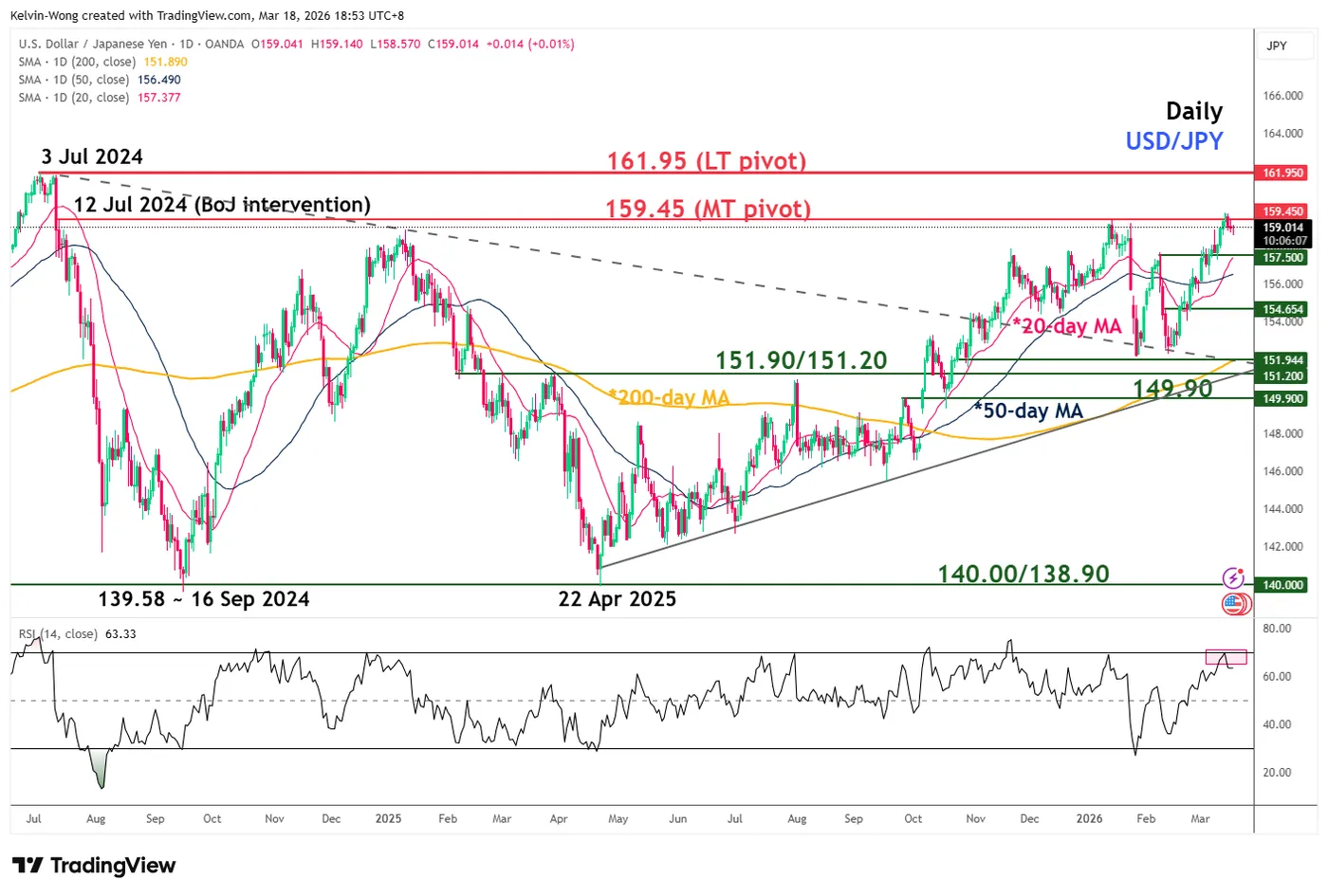
Fig. 4: USD/JPY medium-term trend as of 18 Mar 2026 (Source: TradingView)
BoJ Governor Ueda’s press conference after the monetary policy decision will be at 3.30 p.m. (Tokyo time) on Thursday, 19 March 2026.
Ueda will elaborate on the BoJ’s reasoning behind the current policy decision, and in the past press conferences, Ueda tends to paint a balancing act and tilt towards a dovish stance, in turn, often weakening the Japanese yen thereafter.
However, this time round it might be different as the yen has weakened significantly since the onset of the US-Iran war, where it hit almost a 20-month low against the US dollar at 159.75 on last Friday, 13 March 2026, slightly above the previous intervention level of 159.45, where Japanese authorities sold the US dollar and brought back the yen on 12 July 2024.
The USD/JPY is now trading at 159.00 at this time of writing. Hence, short-term speculators are likely to be cautious about taking aggressive yen short positions as the USD/JPY continues to fluctuate around the key intervention risk zone of 159.45/161.95 (see Fig. 4).
Short-term US dollar bears may get traction if USD/JPY breaks below the key near-term support of 157.50 (also the 20-day moving average) to trigger a potential minor decline towards the next support at 154.65 (23 February 2026 swing low and close to the 61.8% Fibonacci retracement of the current up move from the 12 February 2026 low to 13 March 2026 high) (see Fig. 4).