


Key takeaways
- Hawkish RBNZ supports NZD upside: Stronger-than-expected inflation (3.1%) increases the likelihood of rate hikes, with bond yield spreads signalling a more hawkish stance that underpins NZD/USD.
- Bullish reversal taking shape: NZD/USD has rebounded from its 200-day moving average, breaking back above the 50-day MA, suggesting the recent 3-day decline may have ended.
- Key levels for continuation: Holding above 0.5846 keeps the bullish bias intact, with upside toward 0.5965–0.6030, while a break below this level risks a pullback toward 0.5800 and lower.
Annual inflation in New Zealand came in at 3.1% year-on-year in Q1 2026, unchanged from Q4 2026’s 1.5 year high but exceeded the consensus forecast of 2.9%.
The latest inflation print in New Zealand has continued to surpass the RBNZ (New Zealand central bank) long-term inflation target of 1%-3%, therefore increasing the odds of a 25 basis points (bps) interest rate hike by the RBNZ in July’s monetary policy meeting to bring the official cash policy rate higher to 2.50%. So far, the RBNZ has kept its policy rate unchanged at 2.25% for two consecutive meetings since February 2026.
2-year NZ sovereign bond/US Treasury yield spread has started to price in a more hawkish RBNZ
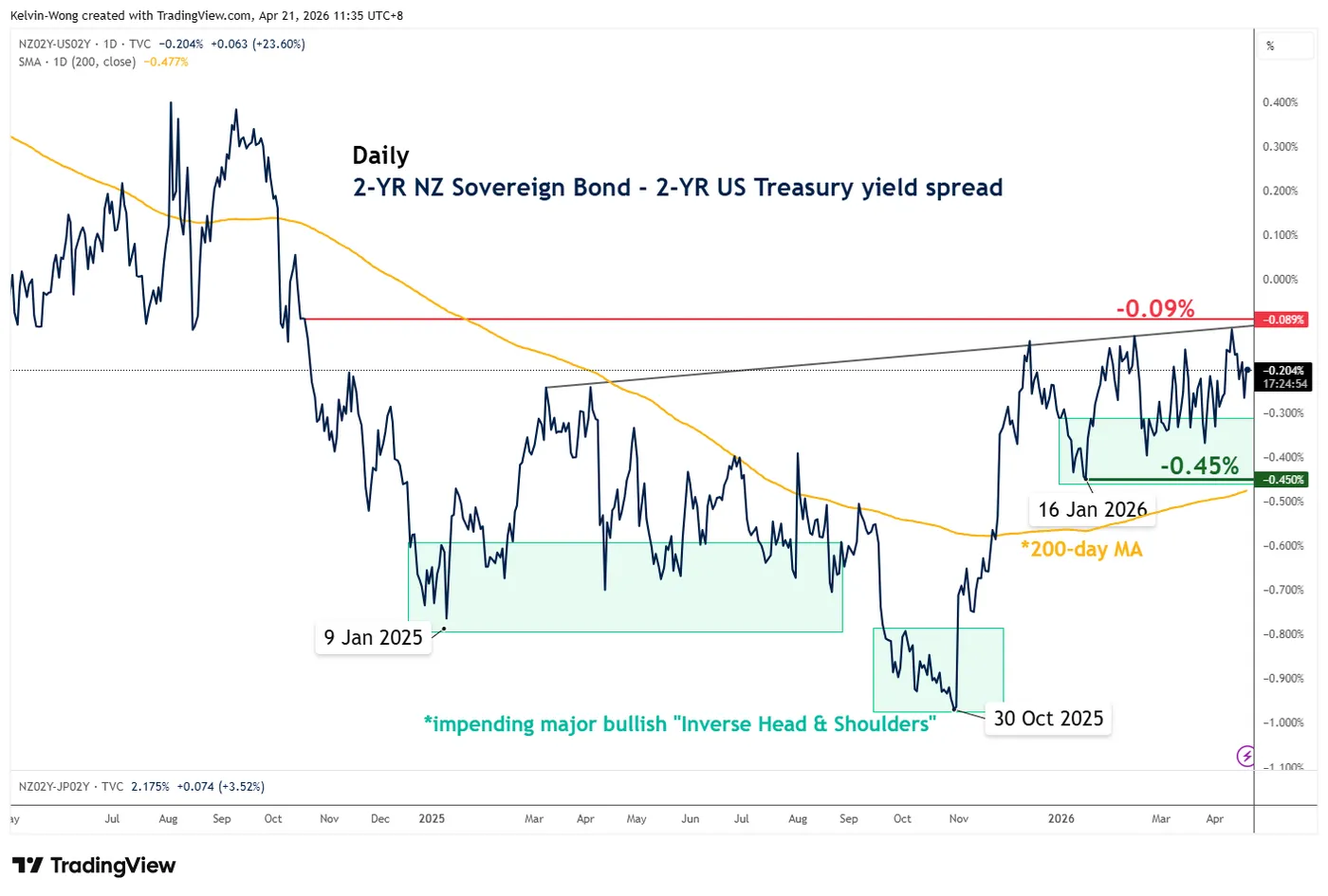
Fig. 1: 2-year yield spread of New Zealand sovereign bond and US Treasury note medium-term trend as of 21 Apr 2026 (Source: TradingView).
The movement of the 2-year sovereign government bond yields is highly sensitive to changes in monetary policy guidance. Hence, the directional movement of the 2-year yield spread between the two countries’ sovereign bonds is likely to influence the foreign exchange rate of these two countries.
By looking at the current 2-year yield spread between New Zealand sovereign bonds and US Treasuries from a technical analysis perspective, it has traced out a major bullish reversal “Inverse Head & Shoulders” configuration since 9 January 2025 and traded above its 200-day moving average, which is acting as a key support at -0.45% (see Fig. 1).
Therefore, breaking above the neckline resistance of the “Inverse Head & Shoulders” at –0.09% is likely to see a further rally in the current 2-year yield spread between New Zealand sovereign bonds and US Treasuries (US Treasuries’ yield premium shrinkage), in turn, putting potential upside pressure on the NZD/USD rate.
Let us now examine the short-term outlook (1-3 days) of NZD/USD from a technical analysis perspective.
NZD/USD – Bullish reversal at 0.5846 support
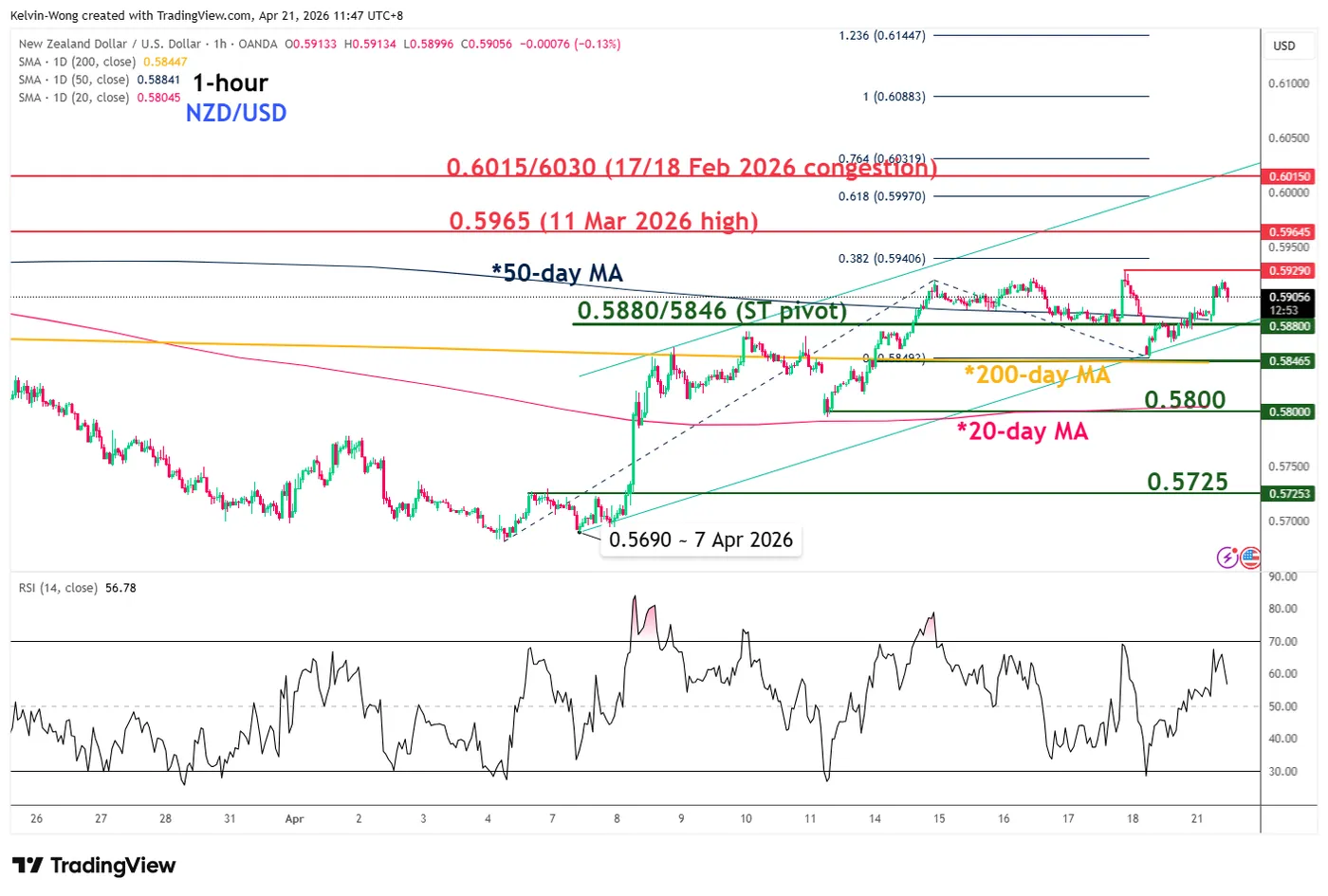
Fig. 2: NZD/USD minor trend as of 21 Apr 2026 (Source: TradingView).
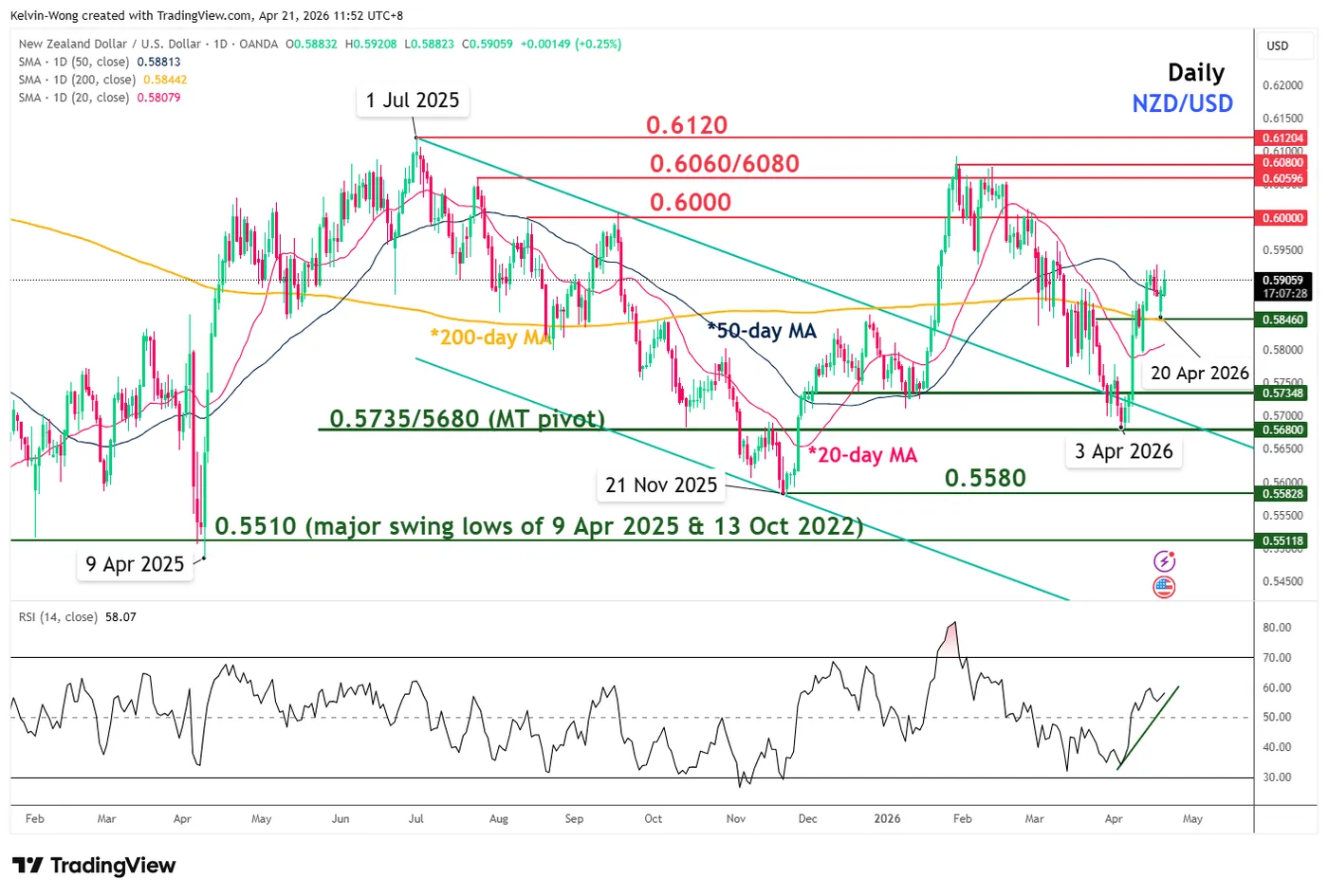
Fig. 3: NZD/USD medium-term trend as of 21 Apr 2026 (Source: TradingView).
The price actions of the NZD/USD have pushed back up above its 50-day moving average after a retest of its 200-day moving average on Monday, 20 April 2026.
Watch the 0.5880/0.5846 key short-term pivotal support on the NZD/USD. A clearance above 0.5929 opens scope for a further potential short-term rally for the next intermediate resistances to come in at 0.5965 and 0.6015/0.6030 (also a Fibonacci extension) (see Fig. 2).
However, failure to hold and an hourly close below 0.5846 invalidates the bullish scenario for a minor corrective pull-back to retest the 20-day moving average that is acting as the next intermediate support at 0.5800. A break below 0.5800 may trigger a deeper slide to expose 0.5725 next.
Key elements to support the near-term bullish bias on NZD/USD
- Price actions of NZD/USD have continued to oscillate within a minor ascending channel in place since the 7 April 2026 low of 0.5690 and still have room to maneuver towards the upper boundary of the minor ascending channel (see Fig. 2).
- NZD/USD has just shaped a 3-day (17 April, 21 April, and 22 April) bullish reversal candlestick condition on the retest of its key 200-day moving average, indicating the potential end of the minor corrective decline sequence from 15 April 2026 to 20 April 2026 (see Fig. 3).
- The daily RSI momentum indicator has shaped a higher low above the 50 level and has not reached its overbought region (above the 70 level) (see Fig. 3).





 increases the likelihood of rate hikes, with bond yield spreads signalling a more hawkish stance that underpins NZD/USD.)