

Sample Category Title
USD/CHF Mid-Day Outlook
Daily Pivots: (S1) 0.9712; (P) 0.9732; (R1) 0.9743; More.....
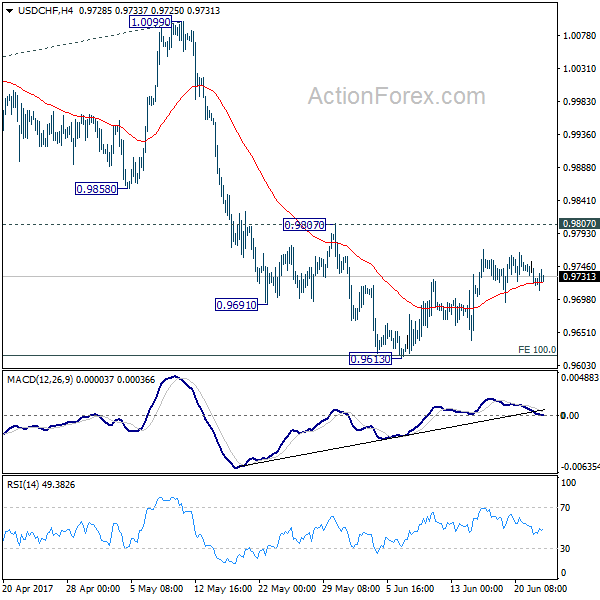
USD/CHF is still staying in consolidation from 0.9613 and intraday bias remains neutral. With 0.9087 resistance intact, near term outlook stays bearish. Break of 0.9613 will extend the whole decline from 1.0342 to 0.9548 support and below. We'd start to look for bottoming signal again as it approaches 0.9443 key support level. However, considering bullish convergence condition in 4 hour MACD, break of 0.9807 will indicate near term reversal and turn outlook bullish for 1.0099 resistance next.
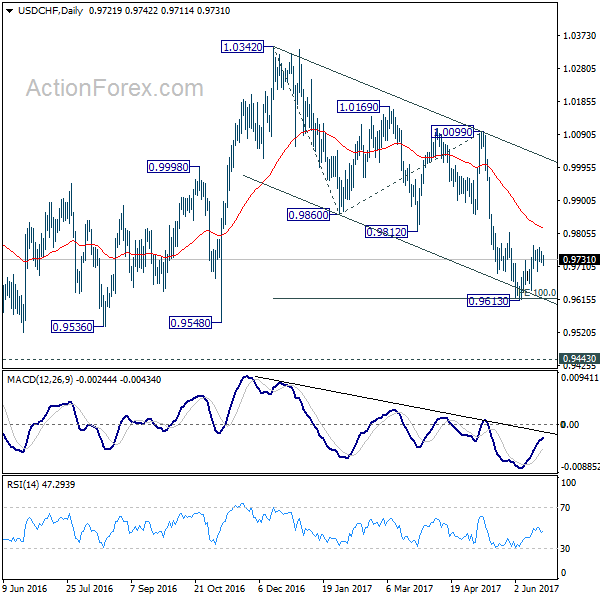
In the bigger picture, USD/CHF is still bounded in medium term range of 0.9443/1.0342 for the moment. Consolidative trading would likely continue and medium term outlook remains neutral. Break of 1.0342 key resistance is needed to confirm underlying bullish momentum in the pair. Meanwhile, downside attempts should be contained by 0.9443 key support level. However, sustained break of 0.9443 will carry larger bearish implication and target 0.9 handle.
USD/JPY Mid-Day Outlook
Daily Pivots: (S1) 111.03; (P) 111.39; (R1) 111.71; More...
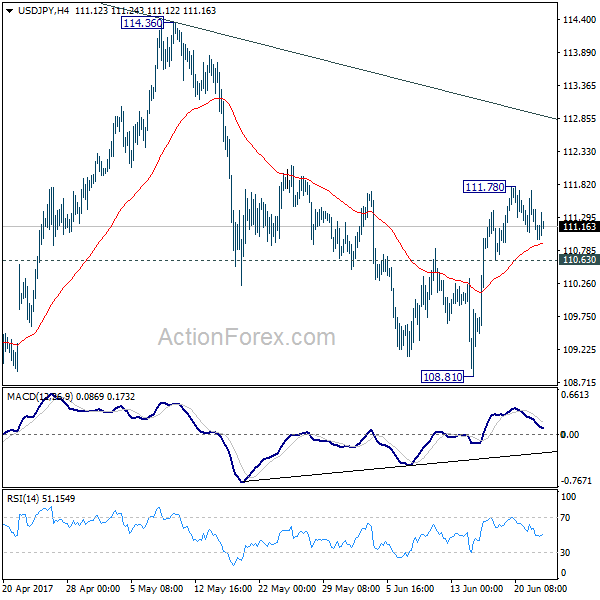
Intraday bias in USD/JPY stays neutral for consolidation below 111.78 temporary top. With 110.63 minor support intact, further rise is still expected. Break of 111.78 will target near term channel resistance (now at 113.02). Sustained break there will suggest that whole pull back from 118.65 has completed at 108.12 already. In such case, further rise should be seen to 114.36 resistance for confirmation. However, break of 110.63 will turn bias back to the downside for 108.81 instead.
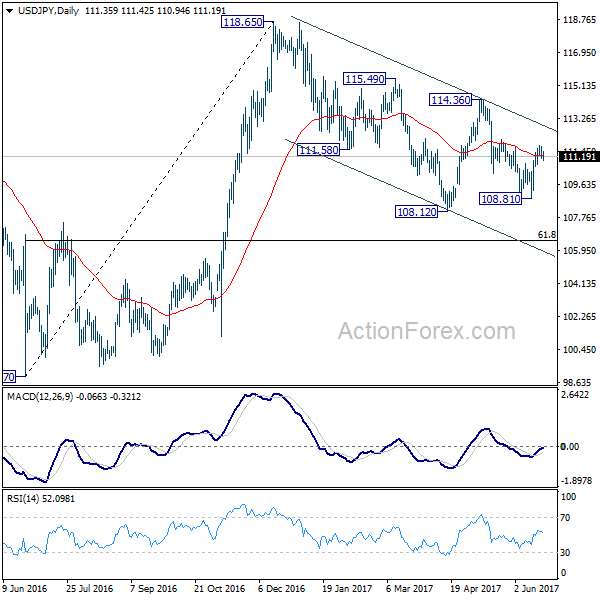
In the bigger picture, price actions from 125.85 high are seen as a corrective pattern. It's uncertain whether it's completed yet. But in case of another fall, downside should be contained by 61.8% retracement of 75.56 to 125.85 at 94.77 to bring rebound. Overall, rise from 75.56 is still expected to resume later after the correction from 125.85 completes.
Canada: Retail Sales Momentum Extends into April
Strong momentum from the first quarter carried into April, with retail sales rising 0.8% during the month. In volumes terms, sales were up by a healthy 0.3%.
April's gains were fairly widespread, led by building material and garden equipment (+3.5%, m/m), clothing and accessories (+3.1%), electronics and appliances (+2.1%) and general merchandise stores (+2.1%). On the flipside, sales at motor vehicle and parts dealers (-1%) and furniture and home furnishing stores (-0.3%) declined.
Regionally, retail sales were up in seven provinces during the month, with Ontario (+1.1%) and Quebec (+1.6%) accounting for the bulk of the increase. Saskatchewan (-4.1%), Nova Scotia (-0.2%) and Newfoundland and Labrador (-0.1%) provided some offset.
Key Implications
April's healthy gain, combined with the robust performance in March, provides a solid handoff for retail sales in the second quarter. While a repeat of the remarkable growth seen in the first quarter is unlikely, retail sales should still hold up relatively well in the coming months.
Indeed, wealth effects from past home price gains in key regions - particularly Ontario and B.C. - along with a widespread rise in economic momentum in other regions should be supportive of overall household spending in the near term. However, the recent slowdown in Ontario's housing market, and rising interest rates later this year could take some steam out of consumer spending towards the end of 2017 and into 2018.
The evolution of economic data so far this year has prompted a more hawkish tone from the Bank of Canada. Barring a significant reversal in momentum or persistantly soft inflation, we expect the Bank to hike rates in October of this year.
USD/CAD Mid-Day Outlook
Daily Pivots: (S1) 1.3278; (P) 1.3312; (R1) 1.3364; More....
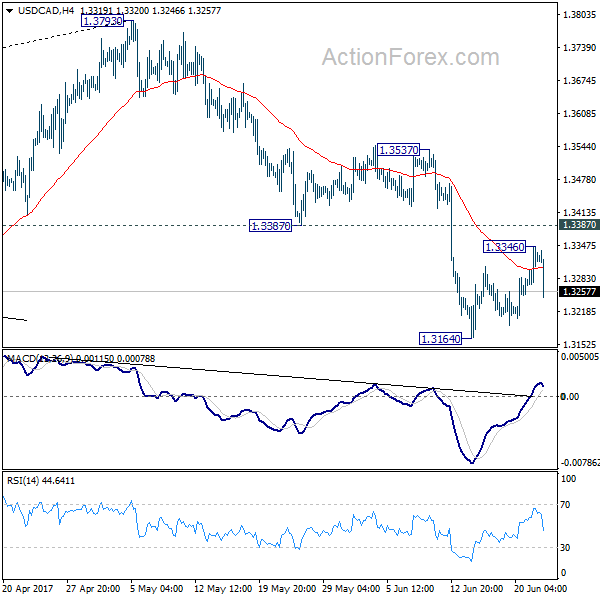
USD/CAD drops sharply in early US session but it's staying above 1.3164. Intraday bias remains neutral first. Consolidation from 1.3164 might extend but upside should be limited by 1.3387 support turned resistance and bring fall resumption. We're holding on to the view that corrective rise from 1.2460 has completed at 1.3793 already. Below 1.3164 will target 1.2968 cluster support, 61.8% retracement of 1.2460 to 1.3793 at 1.2969. However, firm break of 1.3387 will dampen our view and turn focus back to 1.3537 resistance next.
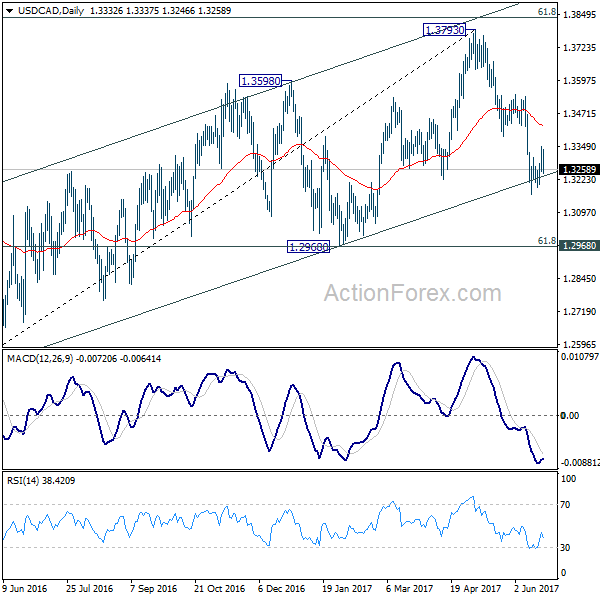
In the bigger picture, price actions from 1.4689 medium term top are seen as a correction pattern. The first leg has completed at 1.2460. Rise from 1.2460 is seen as the second leg and has completed at 1.3793, ahead of 61.8% retracement of 1.4689 to 1.2460 at 1.3838. Break of 1.3222 should now indicate the start of the third leg while further break of 1.2968 should confirm. In that case, USD/CAD should decline through 1.2460 support to 50% retracement of 0.9406 to 1.4869 at 1.2048.
Canadian Dollar Rebounds on Strong Retail Sales
Canadian Dollar regains some strengthen in early US session after solid economic data. Headline retail sales rose 0.8% mom in April. well above expectation of 0.3% mom. Ex-auto sales rose even more by 1.5% mom, beating expectation of 0.7% mom. Loonie has retreated much this week after oil rout continued with WTI hitting the lowest level this year at 42.05. Nonetheless, USD/CAD is held well below 1.3387 near term resistance and maintains bearish outlook. Deeper decline could now be seen back to 1.3164 support.
Released from US, initial jobless claims rose 3k to 241k in the week ended June 17. That's slightly above expectation of 240k but stayed at a very low level historically. And it's now below 300k handle for the 120th straight weeks. The four week moving average rose 1.5k to 244.75k. Continuing claims rose 8k to 1.94m in the week ended June 10. It stayed below 2m level for the 10th straight week, last seen back in 1973. Dollar continues to trade mixed against others. Also released today, UK CBI trends total orders rose to 16 in June. Swiss trade surplus widened to CHF 3.40b in May.
ECB expects solid growth in Q2
ECB sounded optimistic in the latest economic bulletin and noted that "overall, incoming data point to solid growth in the second quarter of 2017." It mentioned that "the euro area economy has now expanded for four consecutive years and growth has become increasingly resilient as it has broadened across sectors and countries." Meanwhile, "growth is supported primarily by domestic demand, although tailwinds from the external environment have increasingly lent support to the outlook." However, "on the basis of current oil futures prices, headline inflation is likely to fluctuate around current levels in the coming months." And, "underlying inflation has yet to show convincing signs of a pick-up and is expected to rise only gradually over the medium term."
BoJ Kikuo: Absolutely no need to raise interest rate now
BoJ deputy governor Kikuo Iwata said today that there is "absolutely no need" to raise interest rate right now since the economy still needs support from "powerful" monetary easing. Echoing governor Haruhiko Kuroda, Iwata also said that Japan is "still distant" from achieving the 2% inflation target. Also, he urged the central bank to maintain the pledge to raise monetary base by JPY 80T a year as "removing the pledge could cause unnecessary market turmoil.
Mild RBNZ hawkish turn
New Zealand Dollar strengthens broadly after RBNZ left the OCR unchanged at record low of 1.75% as widely expected. There are two main factors that are driving up the Kiwi. Firstly, RBNZ removed "developments since the February Monetary Policy Statement on balance are considered to be neutral for the stance of monetary policy." While the the central bank is still in general in a neutral stance, some traders perceive the removal of the sentence as a mild hawkish turn. Secondly, RBNZ noted the around 3% rise in trade-weighted exchange rate since May. And it attributed that increase as "partly in response to higher export prices". While it still noted that a lower NZD will "help rebalance the growth outlook towards the tradables sector", it's not too concerned with the rise in exchange rates.
USD/CAD Mid-Day Outlook
Daily Pivots: (S1) 1.3278; (P) 1.3312; (R1) 1.3364; More....
USD/CAD drops sharply in early US session but it's staying above 1.3164. Intraday bias remains neutral first. Consolidation from 1.3164 might extend but upside should be limited by 1.3387 support turned resistance and bring fall resumption. We're holding on to the view that corrective rise from 1.2460 has completed at 1.3793 already. Below 1.3164 will target 1.2968 cluster support, 61.8% retracement of 1.2460 to 1.3793 at 1.2969. However, firm break of 1.3387 will dampen our view and turn focus back to 1.3537 resistance next.
In the bigger picture, price actions from 1.4689 medium term top are seen as a correction pattern. The first leg has completed at 1.2460. Rise from 1.2460 is seen as the second leg and has completed at 1.3793, ahead of 61.8% retracement of 1.4689 to 1.2460 at 1.3838. Break of 1.3222 should now indicate the start of the third leg while further break of 1.2968 should confirm. In that case, USD/CAD should decline through 1.2460 support to 50% retracement of 0.9406 to 1.4869 at 1.2048.
Economic Indicators Update
| GMT | Ccy | Events | Actual | Forecast | Previous | Revised |
|---|---|---|---|---|---|---|
| 21:00 | NZD | RBNZ Rate Decision | 1.75% | 1.75% | 1.75% | |
| 06:00 | CHF | Trade Balance (CHF) May | 3.40B | 2.44B | 1.97B | 1.96B |
| 08:00 | EUR | ECB Economic Bulletin | ||||
| 10:00 | GBP | CBI Trends Total Orders Jun | 16 | 7 | 9 | |
| 12:30 | CAD | Retail Sales M/M Apr | 0.80% | 0.70% | 0.50% | |
| 12:30 | CAD | Retail Sales Less Autos M/M Apr | 1.50% | 0.70% | -0.20% | -0.10% |
| 12:30 | USD | Initial Jobless Claims (17 Jun) | 241K | 240K | 237K | 238K |
| 13:00 | USD | House Price Index M/M Apr | 0.50% | 0.60% | ||
| 14:00 | EUR | Eurozone Consumer Confidence Jun A | -3 | -3.3 | ||
| 14:00 | USD | Leading Indicators May | 0.40% | 0.30% | ||
| 14:30 | USD | Natural Gas Storage | 78B |
Trade Idea Update: USD/CHF – Hold long entered at 0.9705
USD/CHF - 0.9731
Original strategy :
Bought at 0.9705, Target: 0.9805, Stop: 0.9690
Position : - Long at 0.9705
Target : - 0.9805
Stop : - 0.9690
New strategy :
Hold long entered at 0.9705, Target: 0.9805, Stop: 0.9690
Position : - Long at 0.9705
Target : - 0.9805
Stop : - 0.9690
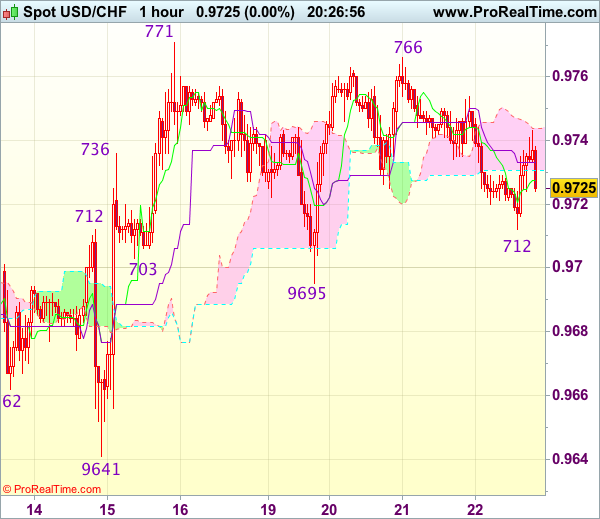
As the greenback has slipped again after meeting resistance at 0.9766, suggesting further consolidation below said last week’s high at 0.9771 would be seen, however, as long as support at 0.9695 holds, bullishness remains for recent upmove to resume after initial sideways trading, break of said resistance at 0.9771 would confirm recent rise from 0.9613 low has resumed for test of resistance at 0.9808 but reckon previous resistance at 0.9825 would hold from here due to near term overbought condition.
In view of this, we are holding on to our long position entered at 0.9705. Below said support at 0.9695 would defer and risk weakness towards said support at 0.9641 but only break there would abort and revive bearishness, this would also suggest the rebound from 0.9613 has ended instead, bring retest of this level later.
Trade Idea Update: GBP/USD – Hold short entered at 1.2695
GBP/USD - 1.2663
Original strategy :
Sold at 1.2695, Target: 1.2595, Stop: 1.2710
Position : - Short at 1.2695
Target : - 1.2595
Stop : - 1.2710
New strategy :
Hold short entered at 1.2695, Target: 1.2595, Stop: 1.2710
Position : - Short at 1.2695
Target : - 1.2595
Stop : - 1.2710
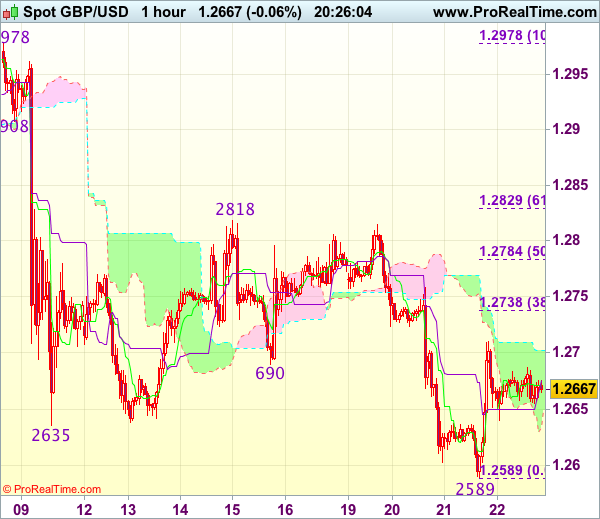
Although cable staged a strong rebound after yesterday’s brief fall to 1.2589, as long as 1.2710 holds, mild downside bias remains for another decline, below 1.2635-40 would bring another fall towards said support but break there is needed to retain bearishness and signal recent decline has resumed for weakness towards 1.2550, however, oversold condition should limit downside to 1.2520-25.
In view of this, we are holding on to our short position entered at 1.2695. Only above 1.2720-25 would abort and suggest low has been formed instead, bring a stronger rebound to 1.2755-60 and possibly 1.2780 but price should falter below indicated strong resistance at 1.2818.
Trade Idea Update: EUR/USD – Sell at 1.1190
EUR/USD - 1.1167
Original strategy :
Sell at 1.1190, Target: 1.1090, Stop: 1.1225
Position : -
Target : -
Stop : -
New strategy :
Sell at 1.1190, Target: 1.1090, Stop: 1.1225
Position : -
Target : -
Stop : -
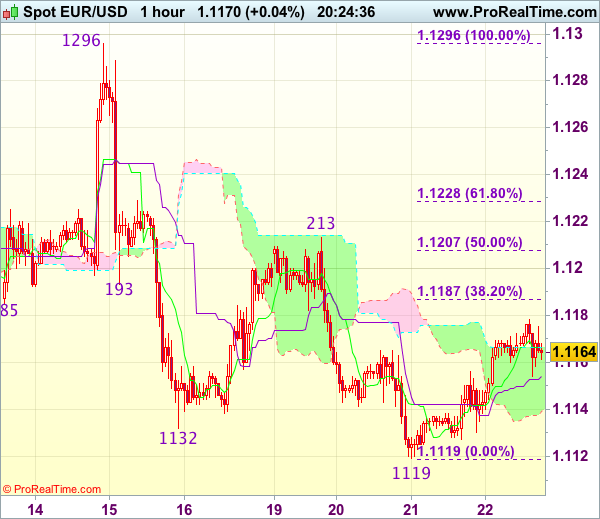
The single currency has rebounded again after holding above this week’s low at 1.1119, suggesting further consolidation would be seen and near term upside risk remains for retracement to 1.1185-90 (38.2% Fibonacci retracement of 1.1296-1.1119), however, upside should be limited and price should falter below 1.1207-13 (50% Fibonacci retracement and previous resistance), bring another decline later, below 1.1135-40 would suggest the rebound from 1.1119 has ended, brig retest of this level, below there would confirm recent decline has resumed for further weakness to previous support at 1.1109, then towards 1.1075-80 but loss of near term downward momentum should prevent sharp fall below 1.1050.
In view of this, we are looking to sell euro on recovery as 1.1185-90 should limit upside. Only above 1.1213 resistance would defer and risk a stronger rebound to 1.1230-35 but upside should be limited to 1.1260-70, bring another decline later.
Trade Idea Update: USD/JPY – Buy at 110.65
USD/JPY - 111.23
Original strategy :
Buy at 110.65, Target: 111.65, Stop: 110.30
Position : -
Target : -
Stop : -
New strategy :
Buy at 110.65, Target: 111.65, Stop: 110.30
Position : -
Target : -
Stop : -
As the greenback slipped again after faltering below recent high at 111.79, retaining our view that further consolidation below this level would be seen and pullback to 110.80 is likely, however, reckon previous support at 110.65 would limit downside and bring another rise later, above 111.45-50 would bring retest of 111.79 but break there is needed to confirm the rise from 108.82 low has resumed and extend headway to 111.90-95 (50% projection of 108.82-111.42-110.65), however, upside should be limited to resistance at 112.13 and 112.25 (61.8% Fibonacci retracement of 114.37-108.82 and 61.8% projection) should hold.
In view of this, would not chase this rise here and we are looking to buy dollar on pullback as 110.65 support should limit downside. Below 110.30-35 (50% Fibonacci retracement of 108.82-111.79 and previous resistance turned support) would abort and signal a temporary top has been formed instead, risk weakness towards 109.95-00 (61.8% Fibonacci retracement).

CAC Inches Lower as Investors Search for Cues
The CAC index has ticked lower in the Thursday session. The index has dropped 0.32% and is currently trading at 5260.25 points. On the release front, the eurozone will release consumer confidence, which is expected to remain at -3 points. On Friday, the eurozone will release Manufacturing PMI, which continues to point towards expansion.
French stock markets lost ground on Wednesday, as falling oil prices weighed on share prices. Brent crude is down 4.6% this week, and has dropped below $45 a barrel, its lowest level since November 2016. June has been a disaster for oil producers, with Brent sinking 10.5% this month. With the world awash in oil, crude prices could be headed even lower. OPEC has made intensive efforts to cut production, but supply continues to outstrip demand. Lower oil prices have also taken the wind out of inflation in North American and Europe (with the exception of Britain), as central banks in the US, Japan and the eurozone continue to grapple with weak inflation levels that are well below the target of 2.0%. If crude continues to nosedive, the CAC could drop to lower levels.
The Federal Reserve raised interest rates last week, and also stated that it was ready to tackle its bloated balance sheet. The balance sheet has ballooned to $4.5 trillion, which accumulated after the 2008 financial crisis when the Fed went on a bond-buying spree to stimulate the economy. The reduction will be gradual, but still marks an important change in direction for the central bank. It's not clear when the Fed will start to trim. FOMC member Patrick Harker said on Wednesday said that he was in favor of the reduction commencing in September, but added that the Fed had yet to determine a start date. As for additional rate increases, the Fed has hinted at one more rate hike in the second half of 2017, and the markets have circled December as the most likely date for a rate move. The CME Group has pegged the odds of a September hike at just 13%, compared to 18% a week ago. However, the odds for a December increase are at 49%, and this could increase if Fed policymakers continue to wax positive about the economy.