





BoJ Governor Haruhiko Kuroda reiterated that the new forward guidance indicated “downward bias on policy rates”. However, it “does not limit additional monetary easing measures to rate cuts”. He added that “there is no change to our understanding that, besides lowering policy rates, there are various possible measures for additional easing.”
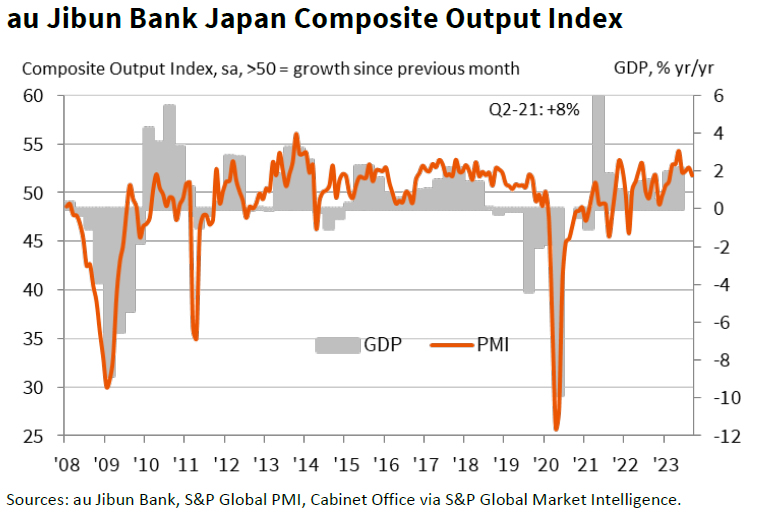
Nevertheless, Kuroda maintained his optimism regarding Japan’s economy, and expected the moderate expansion to continue on robust capital expenditure and a tight job market. He said, “although the timing of a pick-up in overseas economies has been delayed, our view is that Japan’s economy will not decelerate substantially.”
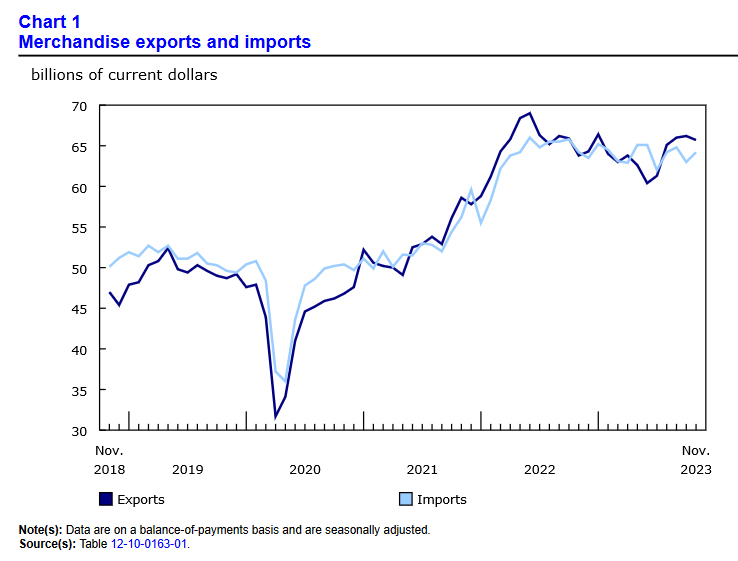
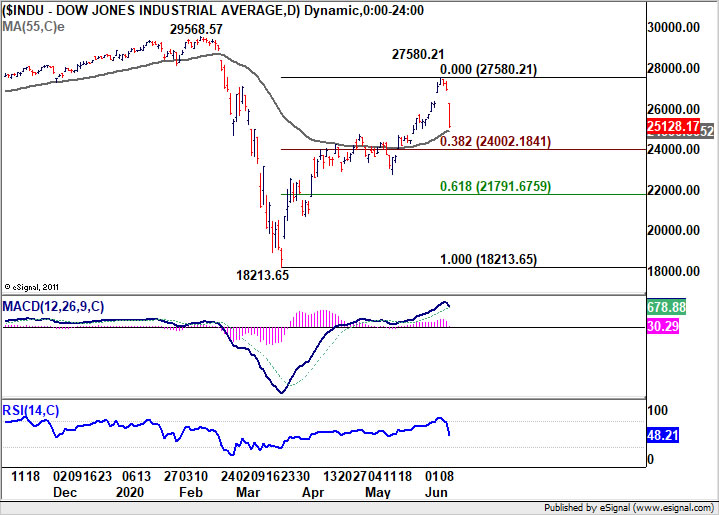
FOMC minutes reveal deepening concerns over persistent inflation and trade-led slowdown
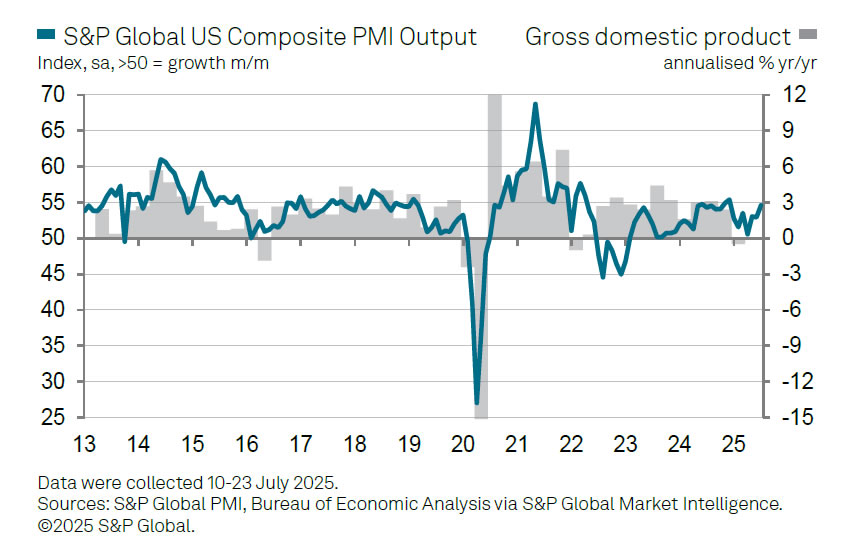
The FOMC minutes from the May 6–7 meeting highlighted growing anxiety among policymakers about the dual threat of persistent inflation and deteriorating growth prospects, largely stemming from US trade policies.
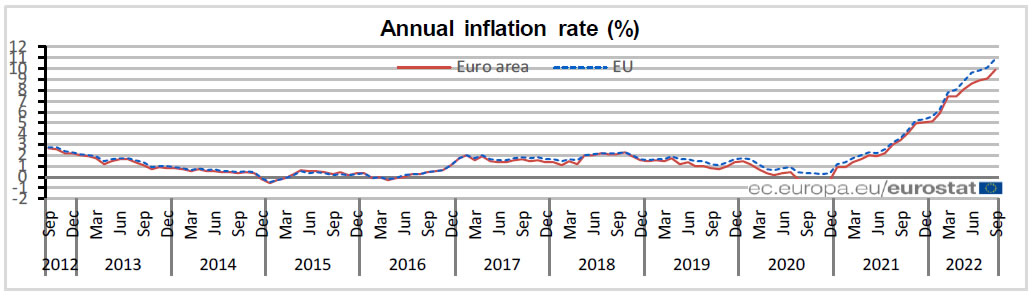
Nearly all participants flagged the risk that inflation could be “more persistent than expected” as the economy adjusts to elevated import tariffs. This situation, they warned, could force the Fed into “difficult tradeoffs” if inflation stays stubborn while growth and employment begin to falter.
The Committee agreed that uncertainty surrounding the economic outlook had “increased further”, justifying a cautious stance on monetary policy, “until the net economic effects of the array of changes to government policies become clearer.”
Fed staff revised their GDP projections lower for 2025 and 2026, citing a larger-than-anticipated drag from recent tariff announcements. Beyond the short-term impact, officials also warned of longer-term structural effects, with trade restrictions likely to slow productivity growth and reduce the economy’s potential “over the next few years.”
The labor market outlook has also darkened, with staff forecasting the unemployment rate to rise above its “natural rate” by year-end and remain elevated through 2027.
Inflation forecast was revised higher, with tariffs seen boosting prices notably in 2025, before gradually easing. Inflation is still expected to return to 2% by 2027, but the path there is now more complicated.
Full FOMC minutes here.