Sample Category Title
Weekly Economic & Financial Commentary: ISM Surveys, Employment, Retail Sales
Summary
U.S. Week in Review
- The economic data calendar was relatively light this week. However, the major indicators that were published showed that inflation pressures continue to percolate with few signs of the labor market exiting its soft patch. Meanwhile, the Fed communication channel provided comments underscoring the lack of consensus on which side of the Fed’s dual mandate demands the most attention, given still-elevated inflation and labor market risks.
U.S. Week Ahead
- Next week will bring some key readings on the economy's early year momentum. We look for the February ISM surveys to show a modest firming in services activity and that the factory sector is continuing to reemerge from the prior year's slump. Yet, the February employment report is likely to indicate that, while the labor market remains roughly in balance, job growth is struggling more than last month's jump in payrolls indicated. We believe the temperate labor market backdrop along with adverse winter weather led to a muted rise in January retail sales.
U.S. Week in Review
The economic data calendar was relatively light this week. However, the indicators that were published showed that inflation pressures continue to percolate with few signs of the labor market exiting its soft patch.
The soft labor market narrative was on display within the details of January’s consumer confidence print. Top-line consumer confidence is still bouncing around at the lower end of its past five-year range but came in a bit stronger than expected during January. The upside surprise was an encouraging development in that it suggests consumers are not feeling any worse about the current state of the economy. That said, the labor differential subcomponent, i.e., the difference between respondents saying “jobs are plentiful” and those saying “jobs are hard to get,” remains a glaring weak spot.
Breaking it down, just 28% of people think “jobs are plentiful,” up slightly during the month but still well off the recent cycle peak of over 50%. This suggests firms are still being cautious on adding to headcounts. But are they reducing payrolls in a material way? “Jobs hard to get” has averaged just 20% over the past several months, up from recent lows but hardly consistent with skyrocketing unemployment. In addition, initial jobless claims declined to 212K during the week ended Feb. 21, further evidence that overall unemployment is not surging higher. The message is that the labor market is currently lethargic, with very slow rates of new hiring. But deep and widespread layoffs (beyond a select few industries) do not appear to be happening either.
The thin flow of major indicators allowed plenty of time to parse through a full week of Fed speak. Generally speaking, the comments provided underscored that there is no clear consensus at the FOMC and among the regional bank presidents on which side of the Fed’s dual mandate demands the most attention. For example, Chicago Fed President Goolsbee stated “I remain optimistic that there can be more rate cuts this year. But that hinges on seeing actual progress on inflation that shows we are on a path back to 2%.” Governor Miran seemed more concerned about downside risks to employment, saying "I think it's way too early to sort of sound an all clear that the labor market doesn't need more support from the Federal Reserve” and “four cuts I think are appropriate and I’d rather get them sooner rather than later.”
However, comments from Governor Waller at the NABE policy conference in D.C. on Monday especially stood out to us. "If the labor market data for February are consistent with the stronger job creation and low unemployment rate initially reported in January, indicating that downside risks to the labor market have diminished, it may be appropriate to hold the FOMC's policy rate at current levels and watch for continued progress on inflation and strength in the labor market. But if the good labor market news of January is revised away or evaporates in February, it would support my position at the FOMC's last meeting, that a 25-basis-point reduction in the policy rate was appropriate, and that such a cut should be made at the March meeting. As things stand today, I rate these two possible outcomes as close to a coin flip."
In our view, January's "strong" employment growth may have been overstated and a more moderate payroll gain in February seems likely. For more on our nonfarm payroll forecast, please see below in our Outlook section. Nevertheless, labor market conditions do not appear to be deteriorating and look to have stabilized, albeit within a "low hire, low fire" context. Meanwhile, January's hotter-than-expected rise in both the headline and core Producer Price Index is the latest reminder that price pressures are still evident and that most inflation measures are still running above the FOMC's 2% target. From our standpoint, this lowers the likelihood of a March rate cut, though two additional 25 bps cuts later this year are still on the table, given still-present downside risks in the labor market.
U.S. Week Ahead
Monday & Wednesday • ISM Surveys
The ISM manufacturing index crossed into expansion territory in January for the first time in 10 months. The improvement comes amid an upswing in capital spending—highlighted by broadening in durable goods orders—as well as restocking efforts in the wake of last year's tariff hikes. We would not be surprised to see a little giveback in February following last month's leap, however, and estimate a February print of 52.0. The nearly 10-point jump in the new orders component in January overstates underlying momentum in the factory sector in our view. Regional PMIs for February show manufacturing activity continued to expand last month, but a more even-keeled pace.
Non-manufacturing activity continues to hold up better, as indicated by the ISM services index maintaining its 14-month high in January. Although firms remain cautious when it comes to hiring, business activity has been sturdy. We look for the February reading, due Wednesday, to edge up to 54.2.
Friday • Employment
We expect the February employment report to show that January’s robust pace of payroll growth overstated underlying momentum in the labor market. While some stabilization in demand for workers is evident, a range of indicators, including JOLTS and consumers' perception of job availability, continue to point to a gradual loosening in labor market conditions rather than a renewed acceleration in hiring. We look for nonfarm payrolls to rise by 45K in February, with weakness in weather-sensitive industries like construction and leisure & hospitality and some payback in healthcare & social assistance after a significantly above-trend reading in January.
We estimate the unemployment rate held steady at 4.3% in February, but see two-sided risk to this call. The household survey's measure of employment growth has been running well ahead of its trend the past two months, leaving some scope for payback in February that could push the jobless rate up to 4.4%. However, the implementation of the household survey's annual population adjustment poses downside risks, given the shift in immigration trends last year. Ratios from the household survey such as the labor force participation rate and unemployment rate are less affected by the population control adjustments than level data, but can move slightly under meaningful changes in the composition of the population.
The roughly balanced labor market should lead to average hourly earnings advancing a trend-like 0.3% in February and 3.7% over the past year. For more information, please see our employment preview.
Friday • Retail Sales
The shutdown-delayed January retail sales report is expected to show spending got off to a modest start in 2026. A large winter storm across the central and eastern U.S. likely crimped activity, with auto sales in January already reported to have fallen to nearly a three-year low. Lower gasoline prices will also have weighed on sales, leading us to expect just a 0.1% increase in total retail sales last month.
Yet, consumers are still finding ways to spend despite the cooler jobs market leading to slower income growth and a dampened consumer mood. High-frequency credit card data showed some modest firming in spending in January, leading us to expect retail sales ex-autos rose 0.3% last month. We expect retail sales to show more signs of life in the coming months as larger tax refunds and stabilizing labor market conditions support more discretionary spending.
New Tariff Regime Kicks in with Eye on U.S. Jobs Impacted by Trade Headwind
A quiet Canadian economic data calendar will leave focus on U.S. jobs next Friday—particularly on the disproportionately trade impacted industrial sector where cross-border economic ties with Canada are closest.
We look for the February report to be consistent with stabilizing broader U.S. labour market conditions. We expect the unemployment rate to tick up to 4.4% to reverse a decline to 4.3% in January, but hold below the recent 4.5% peak in November.
Job growth likely remained subdued (we expect a 65,000 increase), but slow underlying labour force growth due to an aging population and immigration curbs has lowered the breakeven rate of employment needed to keep the unemployment rate from rising more significantly.
Employment in the heavily tariff-exposed U.S. manufacturing sector has underperformed—mirroring conditions north of the border given tight Canada/U.S. industrial integration. But, it posted a small increase for the first time since November 2024 in January.
For Canada, we’re watching the February S&P manufacturing Purchasing Manager’s Index on Monday after it ticked above the neutral growth 50 level in January for the first time in a year.
U.S. tariff regime shifting with rates edging lower
U.S. trade policies are in flux again after the Supreme Court ruled against the use of IEEPA to impose broad-based tariffs last week. The U.S. administration announced a new 10% global tariff via Section 122 on the same day as the ruling, citing balance-of-payments deficit concerns.
The administration has already threatened to raise that to 15% (maximum allowable under that authority), but the list of exemptions from the measures is also long. Critically for Canada, trade compliant with CUSMA rules of origin is exempt as it was under IEEPA rules.
There is a list of more than 1,600 products where tariffs don’t apply “because of the needs of the United States economy.” By our count, products on that exemption list accounted for roughly half of U.S. global imports in 2025. For some trade partners, that share is substantially higher—for example, the exemption list covers more than 80% of U.S. imports from Taiwan in 2025.
Accounting for the exemptions, the new Section 122 tariffs likely represent a step lower in the average effective U.S. tariff rate overall. This aligns with our expectation that U.S. tariff collection may have already peaked given elevated affordability concerns.
Canada’s tariff backdrop unchanged after court ruling
The new measures don’t significantly change the international trade backdrop for Canada.
CUSMA exemptions mean Canada should retain among the lowest average U.S. effective tariff, even as significant targeted tariffs remain in effect on products like steel, aluminum and the auto sector (measures not impacted by the U.S. Supreme Court ruling).
We’ve long highlighted the importance of preserving CUSMA and related exemptions to our Canadian outlook. But, the U.S. administration’s decision last week to uphold these exemptions underscores the agreement is mutually beneficial on both sides of the border—including lowering costs for the 22 U.S. states that counted Canada as their largest source of imports in 2025.
Summary 3/2 – 3/6
Monday, Mar 2, 2026
| GMT | Ccy | Events | Cons | Prev |
|---|---|---|---|---|
| 00:30 | JPY | Manufacturing PMI Feb F | 52.8 | 52.8 |
| 07:00 | EUR | Germany Retail Sales M/M Jan | 0.00% | 0.10% |
| 07:30 | CHF | Real Retail Sales Y/Y Jan | 2.70% | 2.90% |
| 08:30 | CHF | PMI Manufacturing Feb | 50.1 | 48.8 |
| 08:50 | EUR | France Manufacturing PMI Feb F | 49.9 | 49.9 |
| 08:55 | EUR | Germany Manufacturing PMI Feb F | 50.7 | 50.7 |
| 09:00 | EUR | Eurozone Manufacturing PMI Feb F | 50.8 | 50.8 |
| 09:30 | GBP | Mortgage Approvals Jan | 62K | 61K |
| 09:30 | GBP | M4 Money Supply M/M Jan | 0.20% | 0.30% |
| 09:30 | GBP | Manufacturing PMI Feb F | 52 | 52 |
| 14:30 | CAD | Manufacturing PMI Feb | 50.4 | |
| 14:45 | USD | Manufacturing PMI Feb F | 51.2 | 51.2 |
| 15:00 | USD | ISM Manufacturing PMI Feb | 51.9 | 52.6 |
| 15:00 | USD | ISM Manufacturing Prices Paid Feb | 59 | |
| 15:00 | USD | ISM Manufacturing Employment Feb | 48.1 |
| 00:30 | JPY |
| Manufacturing PMI Feb F | |
| Consensus | 52.8 |
| Previous | 52.8 |
| 07:00 | EUR |
| Germany Retail Sales M/M Jan | |
| Consensus | 0.00% |
| Previous | 0.10% |
| 07:30 | CHF |
| Real Retail Sales Y/Y Jan | |
| Consensus | 2.70% |
| Previous | 2.90% |
| 08:30 | CHF |
| PMI Manufacturing Feb | |
| Consensus | 50.1 |
| Previous | 48.8 |
| 08:50 | EUR |
| France Manufacturing PMI Feb F | |
| Consensus | 49.9 |
| Previous | 49.9 |
| 08:55 | EUR |
| Germany Manufacturing PMI Feb F | |
| Consensus | 50.7 |
| Previous | 50.7 |
| 09:00 | EUR |
| Eurozone Manufacturing PMI Feb F | |
| Consensus | 50.8 |
| Previous | 50.8 |
| 09:30 | GBP |
| Mortgage Approvals Jan | |
| Consensus | 62K |
| Previous | 61K |
| 09:30 | GBP |
| M4 Money Supply M/M Jan | |
| Consensus | 0.20% |
| Previous | 0.30% |
| 09:30 | GBP |
| Manufacturing PMI Feb F | |
| Consensus | 52 |
| Previous | 52 |
| 14:30 | CAD |
| Manufacturing PMI Feb | |
| Consensus | |
| Previous | 50.4 |
| 14:45 | USD |
| Manufacturing PMI Feb F | |
| Consensus | 51.2 |
| Previous | 51.2 |
| 15:00 | USD |
| ISM Manufacturing PMI Feb | |
| Consensus | 51.9 |
| Previous | 52.6 |
| 15:00 | USD |
| ISM Manufacturing Prices Paid Feb | |
| Consensus | |
| Previous | 59 |
| 15:00 | USD |
| ISM Manufacturing Employment Feb | |
| Consensus | |
| Previous | 48.1 |
Tuesday, Mar 3, 2026
| GMT | Ccy | Events | Cons | Prev |
|---|---|---|---|---|
| 21:45 | NZD | Building Permits Jan | -4.60% | |
| 23:30 | JPY | Unemployment Rate Jan | 2.60% | 2.60% |
| 23:50 | JPY | Capital Spending Q4 | 3.00% | 2.90% |
| 23:50 | JPY | Monetary Base Y/Y Feb | -10.20% | -9.50% |
| 00:01 | GBP | BRC Shop Price Index Y/Y Feb | 1.20% | 1.50% |
| 00:30 | AUD | Current Account (AUD) Q4 | -16.3B | -16.6B |
| 00:30 | AUD | Building Permits M/M Jan | 5.60% | -14.90% |
| 10:00 | EUR | Eurozone CPI Y/Y Feb P | 1.70% | 1.70% |
| 10:00 | EUR | Eurozone Core CPI Y/Y Feb P | 2.20% | 2.20% |
| 21:45 | NZD |
| Building Permits Jan | |
| Consensus | |
| Previous | -4.60% |
| 23:30 | JPY |
| Unemployment Rate Jan | |
| Consensus | 2.60% |
| Previous | 2.60% |
| 23:50 | JPY |
| Capital Spending Q4 | |
| Consensus | 3.00% |
| Previous | 2.90% |
| 23:50 | JPY |
| Monetary Base Y/Y Feb | |
| Consensus | -10.20% |
| Previous | -9.50% |
| 00:01 | GBP |
| BRC Shop Price Index Y/Y Feb | |
| Consensus | 1.20% |
| Previous | 1.50% |
| 00:30 | AUD |
| Current Account (AUD) Q4 | |
| Consensus | -16.3B |
| Previous | -16.6B |
| 00:30 | AUD |
| Building Permits M/M Jan | |
| Consensus | 5.60% |
| Previous | -14.90% |
| 10:00 | EUR |
| Eurozone CPI Y/Y Feb P | |
| Consensus | 1.70% |
| Previous | 1.70% |
| 10:00 | EUR |
| Eurozone Core CPI Y/Y Feb P | |
| Consensus | 2.20% |
| Previous | 2.20% |
Wednesday, Mar 4, 2026
| GMT | Ccy | Events | Cons | Prev |
|---|---|---|---|---|
| 21:45 | NZD | Terms of Trade Index Q4 | -0.20% | -2.10% |
| 00:30 | AUD | GDP Q/Q Q4 | 0.70% | 0.40% |
| 00:30 | JPY | Services PMI Feb F | 53.8 | 53.8 |
| 01:30 | CNY | NBS Manufacturing PMI Feb | 49.1 | 49.3 |
| 01:30 | CNY | NBS Non-Manufacturing PMI Feb | 49.8 | 49.4 |
| 01:45 | CNY | RatingDog Manufacturing PMI Feb | 50.2 | 50.3 |
| 01:45 | CNY | RatingDog Services PMI Feb | 52.3 | 52.3 |
| 05:00 | JPY | Consumer Confidence Index Feb | 38.2 | 37.9 |
| 07:30 | CHF | CPI M/M Feb | 0.50% | -0.10% |
| 07:30 | CHF | CPI Y/Y Feb | -0.10% | 0.10% |
| 08:50 | EUR | France Services PMI Feb F | 49.6 | 49.6 |
| 08:55 | EUR | Germany Services PMI Feb F | 53.4 | 53.4 |
| 09:00 | EUR | Eurozone Services PMI Feb F | 51.8 | 51.8 |
| 09:30 | GBP | Services PMI Feb F | 53.9 | 53.9 |
| 10:00 | EUR | Eurozone Unemployment Rate Jan | 6.20% | 6.20% |
| 10:00 | EUR | Eurozone PPI M/M Jan | 0.20% | -0.30% |
| 10:00 | EUR | Eurozone PPI Y/Y Jan | -2.70% | -2.10% |
| 13:15 | USD | ADP Employment Change Feb | 45K | 22K |
| 13:30 | CAD | Labor Productivity Q/Q Q4 | -0.10% | 0.90% |
| 15:00 | USD | ISM Services PMI Feb | 53.8 | 53.8 |
| 15:30 | USD | Crude Oil Inventories (Feb 27) | 3.0M | 16.0M |
| 19:00 | USD | Fed's Beige Book |
| 21:45 | NZD |
| Terms of Trade Index Q4 | |
| Consensus | -0.20% |
| Previous | -2.10% |
| 00:30 | AUD |
| GDP Q/Q Q4 | |
| Consensus | 0.70% |
| Previous | 0.40% |
| 00:30 | JPY |
| Services PMI Feb F | |
| Consensus | 53.8 |
| Previous | 53.8 |
| 01:30 | CNY |
| NBS Manufacturing PMI Feb | |
| Consensus | 49.1 |
| Previous | 49.3 |
| 01:30 | CNY |
| NBS Non-Manufacturing PMI Feb | |
| Consensus | 49.8 |
| Previous | 49.4 |
| 01:45 | CNY |
| RatingDog Manufacturing PMI Feb | |
| Consensus | 50.2 |
| Previous | 50.3 |
| 01:45 | CNY |
| RatingDog Services PMI Feb | |
| Consensus | 52.3 |
| Previous | 52.3 |
| 05:00 | JPY |
| Consumer Confidence Index Feb | |
| Consensus | 38.2 |
| Previous | 37.9 |
| 07:30 | CHF |
| CPI M/M Feb | |
| Consensus | 0.50% |
| Previous | -0.10% |
| 07:30 | CHF |
| CPI Y/Y Feb | |
| Consensus | -0.10% |
| Previous | 0.10% |
| 08:50 | EUR |
| France Services PMI Feb F | |
| Consensus | 49.6 |
| Previous | 49.6 |
| 08:55 | EUR |
| Germany Services PMI Feb F | |
| Consensus | 53.4 |
| Previous | 53.4 |
| 09:00 | EUR |
| Eurozone Services PMI Feb F | |
| Consensus | 51.8 |
| Previous | 51.8 |
| 09:30 | GBP |
| Services PMI Feb F | |
| Consensus | 53.9 |
| Previous | 53.9 |
| 10:00 | EUR |
| Eurozone Unemployment Rate Jan | |
| Consensus | 6.20% |
| Previous | 6.20% |
| 10:00 | EUR |
| Eurozone PPI M/M Jan | |
| Consensus | 0.20% |
| Previous | -0.30% |
| 10:00 | EUR |
| Eurozone PPI Y/Y Jan | |
| Consensus | -2.70% |
| Previous | -2.10% |
| 13:15 | USD |
| ADP Employment Change Feb | |
| Consensus | 45K |
| Previous | 22K |
| 13:30 | CAD |
| Labor Productivity Q/Q Q4 | |
| Consensus | -0.10% |
| Previous | 0.90% |
| 15:00 | USD |
| ISM Services PMI Feb | |
| Consensus | 53.8 |
| Previous | 53.8 |
| 15:30 | USD |
| Crude Oil Inventories (Feb 27) | |
| Consensus | 3.0M |
| Previous | 16.0M |
| 19:00 | USD |
| Fed's Beige Book | |
| Consensus | |
| Previous | |
Thursday, Mar 5, 2026
| GMT | Ccy | Events | Cons | Prev |
|---|---|---|---|---|
| 00:30 | AUD | Trade Balance (AUD) Jan | 3.95B | 3.37B |
| 07:45 | EUR | France Industrial Output M/M Jan | 0.40% | -0.70% |
| 08:00 | CHF | Unemployment Rate M/M Feb | 3.00% | 2.90% |
| 09:30 | GBP | Construction PMI Feb | 47.9 | 46.4 |
| 10:00 | EUR | Eurozone Retail Sales M/M Jan | 0.20% | -0.50% |
| 12:30 | EUR | ECB Meeting Accounts | ||
| 13:30 | USD | Initial Jobless Claims (Feb 27) | 215K | 212K |
| 13:30 | USD | Import Price Index M/M Jan | 0.20% | 0.10% |
| 13:30 | USD | Nonfarm Productivity Q4 P | 1.70% | 4.90% |
| 13:30 | USD | Unit Labor Costs Q4 P | 2.20% | -1.90% |
| 15:30 | USD | Natural Gas Storage (Feb 27) | -122B | -52B |
| 00:30 | AUD |
| Trade Balance (AUD) Jan | |
| Consensus | 3.95B |
| Previous | 3.37B |
| 07:45 | EUR |
| France Industrial Output M/M Jan | |
| Consensus | 0.40% |
| Previous | -0.70% |
| 08:00 | CHF |
| Unemployment Rate M/M Feb | |
| Consensus | 3.00% |
| Previous | 2.90% |
| 09:30 | GBP |
| Construction PMI Feb | |
| Consensus | 47.9 |
| Previous | 46.4 |
| 10:00 | EUR |
| Eurozone Retail Sales M/M Jan | |
| Consensus | 0.20% |
| Previous | -0.50% |
| 12:30 | EUR |
| ECB Meeting Accounts | |
| Consensus | |
| Previous | |
| 13:30 | USD |
| Initial Jobless Claims (Feb 27) | |
| Consensus | 215K |
| Previous | 212K |
| 13:30 | USD |
| Import Price Index M/M Jan | |
| Consensus | 0.20% |
| Previous | 0.10% |
| 13:30 | USD |
| Nonfarm Productivity Q4 P | |
| Consensus | 1.70% |
| Previous | 4.90% |
| 13:30 | USD |
| Unit Labor Costs Q4 P | |
| Consensus | 2.20% |
| Previous | -1.90% |
| 15:30 | USD |
| Natural Gas Storage (Feb 27) | |
| Consensus | -122B |
| Previous | -52B |
Friday, Mar 6, 2026
| GMT | Ccy | Events | Cons | Prev |
|---|---|---|---|---|
| 08:00 | CHF | Foreign Currency Reserves (CHF) Feb | 712B | |
| 10:00 | EUR | Eurozone GDP Q/Q Q4 F | 0.30% | 0.30% |
| 13:30 | USD | Retail Sales M/M Jan | -0.20% | 0.00% |
| 13:30 | USD | Retail Sales ex Autos M/M Jan | 0.00% | 0.00% |
| 13:30 | USD | Nonfarm Payrolls Feb | 65K | 130K |
| 13:30 | USD | Unemployment Rate Feb | 4.30% | 4.30% |
| 13:30 | USD | Average Hourly Earnings M/M Feb | 0.30% | 0.40% |
| 15:00 | USD | Business Inventories Dec | 0.10% | 0.10% |
| 15:00 | CAD | Ivey PMIFeb | 51.2 | 50.9 |
| 08:00 | CHF |
| Foreign Currency Reserves (CHF) Feb | |
| Consensus | |
| Previous | 712B |
| 10:00 | EUR |
| Eurozone GDP Q/Q Q4 F | |
| Consensus | 0.30% |
| Previous | 0.30% |
| 13:30 | USD |
| Retail Sales M/M Jan | |
| Consensus | -0.20% |
| Previous | 0.00% |
| 13:30 | USD |
| Retail Sales ex Autos M/M Jan | |
| Consensus | 0.00% |
| Previous | 0.00% |
| 13:30 | USD |
| Nonfarm Payrolls Feb | |
| Consensus | 65K |
| Previous | 130K |
| 13:30 | USD |
| Unemployment Rate Feb | |
| Consensus | 4.30% |
| Previous | 4.30% |
| 13:30 | USD |
| Average Hourly Earnings M/M Feb | |
| Consensus | 0.30% |
| Previous | 0.40% |
| 15:00 | USD |
| Business Inventories Dec | |
| Consensus | 0.10% |
| Previous | 0.10% |
| 15:00 | CAD |
| Ivey PMIFeb | |
| Consensus | 51.2 |
| Previous | 50.9 |
Weekly Gold (XAU/USD) Forecast: US-Iran Standoff Trumps US PPI, Setting Stage for $5300/oz
- Gold has pushed above the $5200/oz handle, eyeing a seventh straight monthly gain.
- The rally is primarily driven by a surge in haven demand following news of potential imminent US military action against Iran, escalating geopolitical risk.
- High-impact US data next week (ISM, jobs report) will influence the US Dollar. The Fed is not anticipated to cut rates until at least June due to lukewarm job breadth and elevated price pressures.
- Gold maintains a bullish trajectory, with the next resistance challenges at $5249/oz and $5300/oz, and downside support at $5,150/oz.
Gold prices have pushed beyond the $5200/oz handle on Friday with a hot US PPI print failing to deter Gold bulls. The PPI release led to temporary US Dollar strength but the DXY has since pushed lower to trade in the red for the day.
As discussed in the previous piece on February 25, Gold needs acceptance above the $5200 for bulls to seize the initiative. Well, what better way to achieve this than a break and weekly candle close above the $5200/oz handle?
Gold fundamental outlook
Gold is heading into the end of February eyeing a seventh straight monthly gain. The recent selloff did give market participants food for thought but a renewed surge in haven demand has boosted the precious metal.
News earlier today from various sources point to the potential of an imminent US attack on Iran. Chinese authorities have warned their citizens to leave Iran and Israel while an Al-Arabiya correspondent on X posted that the US State Department has ordered the evacuation of non-essential staff and their families from the US Embassy in Baghdad.
These moves together point to a rise in geopolitical risk which could explain the rally to end the week.
Add to this the pivot away from US stocks and NVIDIA selloff post what was a rather upbeat earnings outlook, markets appear to have found the needed catalyst for bullish momentum to prevail.
Given that the weekend is ahead, any move by the US on Iran could lead to significant haven demand and thus Gold could open with a significant gap after the weekend.
This is definitely worth monitoring if you are holding trades heading into the weekend.
The week ahead - ISM, NFP in focus
The week ahead brings high impact US data releases, which together with the Geopolitical risk angle could have a massive impact on the US Dollar which remains under pressure as the DXY remains below the 98.00 handle.
The ISM Manufacturing and Services report will be a major data release next week.
The ISM showed significant strength in January, more recent regional Federal Reserve surveys indicate a slight softening in economic activity for February. Despite this cooling trend, "prices paid" components are expected to remain high, driven by rising oil prices and a heightened risk premium resulting from escalating tensions between Iran and the US.
On the labor front, the Friday jobs report is expected to reveal a steady but narrow expansion.
Current estimates suggest the economy is adding approximately 50,000 jobs per month; however, the lack of broad-based growth remains a concern. Roughly 70% of all employment gains over the last three years have been concentrated in the private education and healthcare sectors.
Following a surprise drop in the previous month, the unemployment rate is projected to tick back up to 4.4%.
Ultimately, these combined factors, a lukewarm job breadth and elevated price pressures are unlikely to prompt immediate action from the Federal Reserve.
Given this data, a rate cut is not anticipated until at least June. Will we get a surprise?
For all market-moving economic releases and events, see the MarketPulse Economic Calendar. (click to enlarge)
Technical Analysis - Gold (XAU/USD)
From a technical standpoint, Gold is currently maintaining a bullish trajectory.
A weekly candle close above the $5200/oz handle will ensure the bullish momentum remains strong heading into next week.
The next xhallenge will be a break above the $5249/oz handle before the $5300 mark comes into focus.
Of course, a US attack on Iran could see these levels smashed as the new week starts with further resistance ahead at $5337 before the $5400 handle comes into fcous.
Downside support rests at $5,150/oz. If that level fails to hold, the price may slide further toward the February 24 low of $5,093/oz.
Gold (XAU/USD) Four-Hour Chart, February 27, 2026
Source: TradingView (click to enlarge)
Week Ahead – All Eyes on Nonfarm Payrolls and ISM PMI Data
- Investors reduce Fed cut bets ahead of NFP and ISM PMI data.
- Eurozone CPI and ECB minutes in focus amid strong euro concerns.
- Will Japan’s employment numbers allow the BoJ to hike rates in April?
- Australian GDP and Switzerland’s inflation numbers also in focus.
Dollar fragile even as investors scale back Fed cut bets
The US dollar remained on the back foot against most of its major counterparts this week, gaining notable ground only against the Japanese yen. Strangely, this has been the case even after investors scaled back their rate cut bets to price in 55bps worth of rate cuts.
In early February, they were expecting around 65bps, which translates into two quarter-point reductions and a more-than-50% chance of a third. However, following the blockbuster NFP report for January, some Fed officials showed little willingness to further loosen monetary policy immediately. Even the minutes of the latest FOMC decision, which took place before the jobs data revealed a divided Committee, with several members open to rate hikes if inflation remains elevated and others leaning towards more rate cuts should inflation further cool down.
Maybe the dollar stayed on the back foot as, even with 55bps worth of expected rate cuts, the Fed remains the most dovish major central bank, keeping the divergence with some others, like the RBA, very wide. The greenback may have also been sold following the latest saga between US President Trump and the Supreme Court. After the court ruled some of Trump’s tariffs as illegal, the US President announced a 15% duty on global goods, using a law that does not fall under the court’s decision.
NFP and ISM PMI data take center stage
With all that in mind, next week, dollar traders are likely to lock their gaze on the US employment report for February, but before the NFP release, the ISM manufacturing and services PMIs on Monday and Wednesday may also attract special attention. The Atlanta Fed GDPNow model is pointing to a rebound in economic growth from 1.4% in Q4 to 3.1% in Q1, and should this be confirmed by the ISM numbers, the dollar is likely to strengthen as investors become more convinced that the Fed does not need to rush into further lowering borrowing costs.
However, given the Fed’s dual mandate of full employment and stable inflation at 2%, investors may put some emphasis on the employment and prices subindices of the ISM surveys. The ADP private employment report on Wednesday could also be monitored ahead of Friday’s non-farm payrolls.
Although the Bureau of Labor Statistics (BLS) announced strong jobs data for January, the ADP reported sluggish growth in private employment during the month, while the JOLTS job openings dropped to their lowest since September 2020 in December. This means that more improvement in labor market data may be needed for investors to further scale back their rate cut bets. That said, for the dollar to stage a meaningful and lasting recovery, rate cut expectations may need to start reflecting less than 50bps worth of rate cuts. In other words, traders may need to start questioning a second quarter-point reduction for 2026.
Will the EZ CPI data raise speculation of lower ECB rates?
The euro held onto its gains, with euro/dollar aided by the divergence in monetary policy expectations between the ECB and the Fed. Although at their prior gathering, ECB officials appeared worried about the latest strength of the euro, they later clarified that they see no need for an imminent policy change, allowing market participants to price in a small 25% chance of a rate cut by December.
That said, with the nominal effective exchange rate (NEER) of the euro against the currencies of 41 of Eurozone’s biggest trading partners still hovering near record highs, the preliminary CPI data for February on Tuesday could enter the spotlight.
In January, the headline CPI slowed to 1.7% y/y from 1.9%, and the core rate, which excludes the volatile items of food, energy, alcohol and tobacco, ticked down to 2.2% from 2.3%. Further slowdown in the Eurozone’s consumer prices may spark some concerns about whether a strong euro could eventually harm the broader economy, thereby prompting participants to add to the likelihood of a contingency rate cut by the ECB at some point in the foreseeable future.
This could weigh on the euro, especially if the minutes of the latest ECB gathering, due out on Thursday, reveal that there were members discussing the option of additional reductions in interest rates due to a stubbornly strong euro. Eurozone’s retail sales for January, will also be released on Thursday.
Japan’s jobs data on tap amid BoJ hike confusion
The yen saw its wounds deepening this week as focus on PM Takaichi’s plans of aggressive fiscal spending returned, with headlines hitting the wires that she expressed concerns about additional BoJ rate hikes during a meeting with Governor Ueda on February 17. She went a step further earlier this week and appointed two dovish-leaning policymakers to join the Bank’s Board.
That said, after BoJ hawk Takata insisted that more hikes are needed due to “heated” inflation, the probability of a 25bps rate hike in April rose to around 55%. A quarter-point increase is nearly fully priced in for June. Overall, market expectations suggest that the BoJ will wait for the outcome of the spring wage negotiations before deciding to press the hike button again.
On that note, Japan’s employment report for January will be released on Tuesday and signs of further improvement could add to the notion that the BoJ may consider raising rates again in coming months and thereby support somewhat the yen. The opposite may be true in case of weak data, but further declines in the yen could trigger fresh intervention warnings by finance minister Katayama. Thus, the broader picture of dollar/yen may continue pointing to a trendless phase with volatile swings.
Aussie GDP and Swiss inflation data also on the agenda
The aussie continued benefitting from the divergence in monetary policy expectations between the RBA and the Fed, with Australia’s sticky CPI data this week keeping the probability of a back-to-back rate hike on March 17 at a low but decent 20%. Therefore, should Wednesday’s Australian GDP for Q4 and the Chinese PMIs for February come in on the strong side, the commodity-linked currency may extend its uptrend as investors become more convinced about additional RBA rate increases. Australia’s trade data will be released on Thursday.
Switzerland’s CPI data will also be released amid increased concerns about how the SNB could stop further advances in the all-mighty franc and thereby prevent the economy from falling into deflation.
The tools available for the central bank are negative interest rates and intervention, but SNB President Schlegel recently noted that the bar for adopting a negative-rate policy again is very high. Intervention may be the more likely choice, although it does not come without risks. So, should the CPI reveal that indeed prices in Switzerland stagnated or even dropped in January, concerns about potential SNB intervention may increase and the Swiss franc may be sold.
Weekly Focus – Lingering Tension
Amid all the geopolitical, trade policy and AI concerns, the past week ended up being perhaps less eventful than expected. But a sense of unease is still lingering in the markets, with bond yields trading lower, jittery moves in main equity indices and implied oil volatility at elevated levels.
Donald Trump announced that he would replace the now-illegal IEEPA tariffs with a universal 15% Section 122 tariff for the next 150 days - but for now, only a lower 10% rate has been enacted. Before the Supreme Court's ruling we estimated that the pre-substitution average tariff rate was hovering close to 16%, so for now, businesses get to enjoy at least a temporary window of cheaper imports.
US Trade Representative Jamieson Greer mapped the path forward, flagging that the rate could rise to 15% or higher for 'some countries' (but maybe not all of them?). Looking beyond the 150-day period, the long-term tariff mix will include a combination of country-specific section 301 tariffs and product-specific section 232 measures, both of which the president and USTR can impose without congressional approval after an investigation. Greer noted the administration is looking to start the said investigations soon but did not yet specify which economies would be targeted first. Check our base case assumptions and implications from Reading the Markets USD - Tariff ruling not a game changer for macro outlook, 24 February.
US and Iran have continued talks in Geneva. Omani Foreign Minister Badr Albusaidi, who is mediating the talks, said the two sides had made 'significant progress' yet concrete results seem elusive. Earlier in the week, US Secretary of State Marco Rubio demanded that Iran should be willing to address not just its nuclear, but also its ballistic missile program. But the latest sources suggest the US is now focusing on just the former issue and pushing Iran to destroying its three main nuclear sites while transferring all its remaining enriched uranium to the US, which Iran opposes. Last week, Trump said the world would find out over 10-15 days whether the US would resort to military action. The vague deadline lands on early March, but at least in his State of Union Speech Trump still highlighted preference for a diplomatic solution instead. Talks will continue next week in Vienna.
Next week, the most important data release out of the euro area will be the February Flash HICP. At the time of writing, country-specific data has been mixed, with inflation ticking up to 1.0% y/y in France (cons. 0.8%), 2.3% y/y in Spain (cons. 2.2%), but down in German regional figures. We forecast euro area headline inflation accelerating slightly to 1.8% (from 1.7%) and core steady at 2.2%.
In the US, the focus will be on the long list of labour market releases. Early high-frequency indicators, like jobless claims, ADP's weekly private sector employment estimate and Indeed Hiring Lab's daily online job postings have generally signalled improving labour market conditions into February. We still expect a modest slowdown in NFP growth to +70k and unemployment rate steady at 4.3%.
In the UK, the spring budget will be presented on Tuesday. While we do not expect any meaningful changes to the fiscal outlook, we note that UK markets continue to be particularly sensitive to political uncertainty.
Sunset Market Commentary
Markets
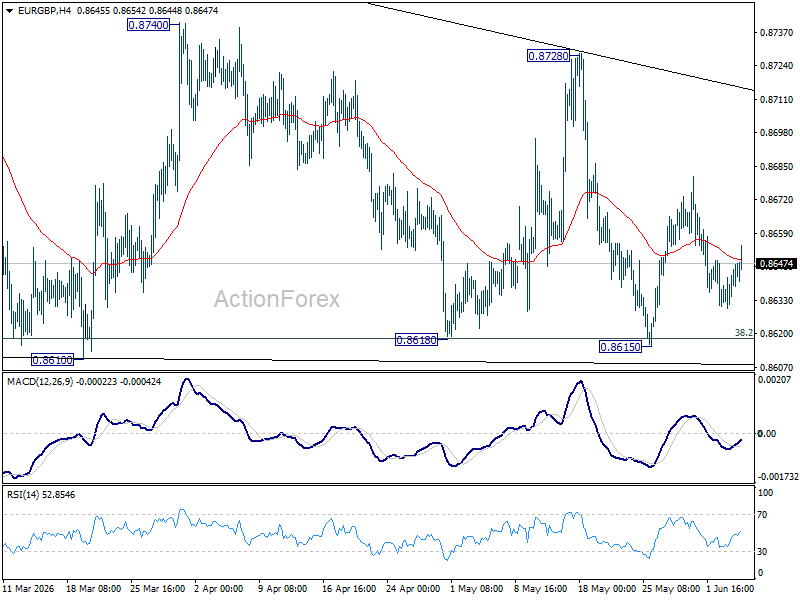
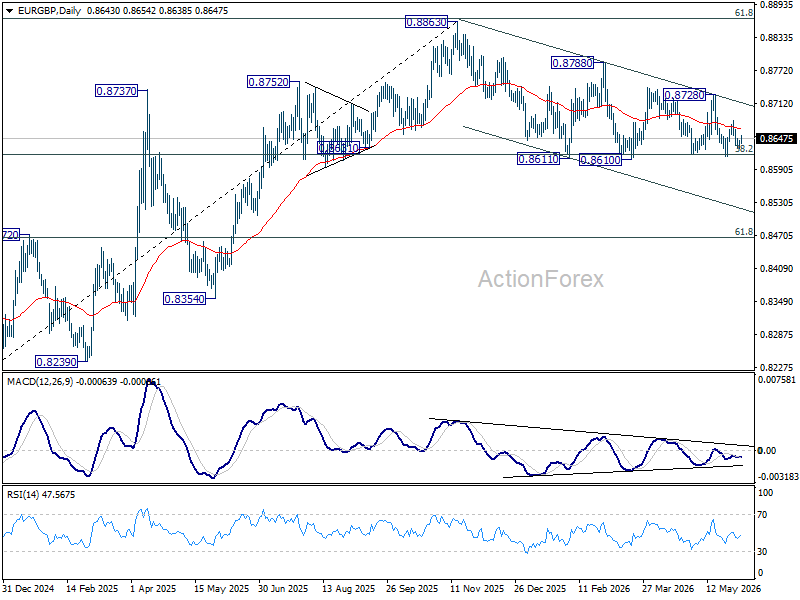
ECB President Lagarde elaborated yesterday in her regular testimony before European parliament on the divergence between actual and perceived inflation. Inflation perceptions matter because they also influence inflation expectations. BoE governor Bailey earlier this week made a similar remark. By doing so, today’s monthly ECB Consumer Expectations Survey (January) drew some extra attention. On the positive side: both perceived inflation over the previous 12 months and expectations for the next 12 months decreased by 0.2 ppt to respectively 3% and 2.6%. Both obviously remain more sticky above the central bank’s 2% target than actual (core) inflation numbers. Expectations for inflation 3-years ahead remain unchanged though at 2.6%, matching the highest level since March 2023. News on the actual inflation front was mixed. The day started with higher-than-expected February readings for both France (0.8% M/M & 1.1% Y/Y vs 0.5% & 0.8% expected) and Spain (0.4% M/M & 2.5% Y/Y vs 0.3% & 2.3% expected) but German numbers offered some counterweight (0.4% M/M & 2% Y/Y vs 0.5% & 2.1% expected). Aggregate numbers for the euro zone are scheduled for next Tuesday. Consensus expects a 0.4% M/M pick-up with the headline number still leveling at 1.7% Y/Y because of (energy-related) base effects. Risks are slightly tilted to the upside of expectations. The euro made a very small attempt to gain on the first higher national inflation numbers (EUR/USD 1.18 to 1.1820), but the move rapidly fizzled out. In the US, producer prices were the economic highlight. Both headline and core PPI rose faster than expected (0.5% M/M & 0.8% M/M) in January with annual readings coming in at 2.9% (from 3%) and 3.6% (from 3.3%) respectively. On a positive note, goods price deflation went from -0.1% M/M in December to -0.3% M/M in January. The Fed has been very attentive to this metric as it is linked to the US trade agenda. Services price inflation accelerated to 0.8% M/M though, in what are mixed signals though for the US central bank. Markets ignored the numbers as they were overshadowed by geopolitical risk aversion. The US Embassy in Jerusalem authorized the departure of non-emergency US government personnel and their family members for their US mission in Israel due to safety risks. The warning comes after a third round of (deadlocked) nuclear talks between the US and Iran in Geneva yesterday. Earlier, the US announced that it was pulling personnel from Lebanon. Markets are on high alert on possible US military action and err on the side of caution going into the weekend. Brent crude prices set a new short-term high at $73/b. Core bonds gain ground with German and US yields dipping between 1-4 bps across the curve. For the US that means a test of key support at 3.4% for the 2-yr and 4% for the 10-yr. In FX space, the trade-weighted dollar keeps bumping into the 98 resistance area. Risks of a break rise in closing, upward, triangle pattern. The Swiss franc outperforms (see below). The combination of risk off and another political blow to the Labour government (losing Manchester area by-election to Greens) pushes EUR/GBP through 0.8750 resistance.
News & Views
The monthly economic barometer on the Swiss economy from the KOF Economic Institute again improved in February to 104.2 after a slight decrease in January (103.3).KOF analyzes that the barometer “continues its upward movements of the previous months and remains above its medium-term average”. It concludes that the positive outlook for the Swiss economy is reinforced. The improvement is mainly visible in demand side indicator bundles for the likes of consumption and foreign demand. Indicators on the production side are painting a more mixed picture. Manufacturing even showed a setback. Within manufacturing, particularly the sub-indicators for the metal industry and for paper and printing products are experiencing a setback. A more favourable outlook is exhibited by the sub-indicators for the electrical industry as well as for the textile industry. Aside from the KOF indictor, the Swiss State Secretariate for Economic affairs also released Q4 GDP data. GDP growth, adjusted for sporting events, grew by 0.2%, coming on the back of a 0.4% quarterly decline in the previous quarter. Activity was mainly supported by domestic demand. Private consumption rose a solid 0.4%. Construction investment (+1%) and investment in equipment also recorded significant growth. Goods exports rose 0.6%. Imports were 2.7% higher. The Swiss franc jumped again sharply higher today with EUR/CHF falling below the 0.91 big figure, a historic strong level except for the early 2015 spike. However, this move was probably mainly due to safe haven flows due to tensions in the Middle East rather than Swiss eco data.
Canada’s GDP Contracts in Q4 on Inventory Drawdown
The Canadian economy contracted by 0.6% (quarter/quarter, annualized) in Q4, below the Bank of Canada's projections for a flat reading and consensus forecast for a more muted decline of -0.2% q/q. For 2025 as a whole, the Canadian economy grew 1.7%, a step down from 2024's 2% pace.
The contraction in output was driven entirely by an inventory drawdown, which subtracted 4.2 percentage points from headline GDP growth. Underlying domestic demand held up much better, rising by 2.4% q/q.
Consumer spending rebounded in Q4, rising 1.7% q/q (annualized), following a 0.8% contraction in Q3. The recovery was driven primarily by services spending (+3.6% q/q), while durable goods outlays continued to decline (-2.8%). That pulled overall goods spending down to -0.9%, marking a second consecutive quarterly decline.
Residential investment declined by 4.4% q/q, after two strong quarters. Weaker ownership transfer costs and renovations, alongside continued softness in new construction, weighed on the aggregate.
Non-residential structures investment also declined (-3.2% q/q). Encouragingly, however, business investment in machinery and equipment and intellectual property products rebounded, signalling a renewed momentum in productive investment after a prolonged period of hesitation from the business sector.
Government spending was strong, rising 3.1% q/q. The increase was driven by a pick up in investment accelerated to 20.4% q/q, up from upwardly revised 16.5% in Q3, supported by higher government investment in weapons systems.
Net trade added roughly 1.5 percentage points to overall GDP growth. Export growth accelerated 6.1% q/q, up from an upwardly revised reading of 3.8% q/q in Q3. Imports also recovered, rising 1.1% q/q after posting one of the largest quarterly contractions in the prior quarter.
The monthly GDP by industry data was also released, where output expanded 0.2% m/m in December, a tick higher than consensus expectations. Statistics Canada's advanced guidance for January points to flat growth, suggesting Canada's economy entered the new year with softer momentum.
Key Implications
Canada ended the year on a weaker footing as businesses drew down inventories, weighing on headline growth. For 2025 as a whole, the economy slowed to a 1.7%, primarily due to lower exports to the United States. That said, domestic demand grew at a better 2.3% pace, supported by stronger government spending. The rebound in consumption and the return of non-residential investment in the fourth quarter provide some reassurance that underlying demand is stabilizing.
Still, today's report is weaker than the Bank of Canada's January projections for a flat reading, reinforcing their view that momentum remains limited. There is still evidence of labour market slack and inflation gradually moderating. Taken together, these dynamics suggest that the Bank of Canada will remain on the sidelines, and the policy rate at 2.25%.
EUR/USD Mid-Day Outlook
Daily Pivots: (S1) 1.1773; (P) 1.1801; (R1) 1.1828; More….
No change in EUR/USD's outlook as sideway trading continues. Intraday bias remains neutral. Near term risk will remain on the downside as long as 1.1928 resistance holds. Below 1.1740 temporary low will target 1.1576 support next. Firm break there should confirm rejection by 1.2 key psychological level and turn near term outlook bearish. However, break of 1.1928 argue that fall from 1.2081 has completed as a correction, and revive near term bullishness. Retest of 1.2081 should then be seen next.
In the bigger picture, as long as 55 W EMA (now at 1.1494) holds, up trend from 0.9534 (2022 low) is still in favor to continue. Decisive break of 1.2 key psychological level will add to the case of long term bullish trend reversal. Next medium term target will be 138.2% projection of 0.9534 to 1.1274 from 1.0176 at 1.2581. However, sustained trading below 55 W EMA will argue that rise from 0.9534 has completed as a three wave corrective bounce, and keep long term outlook bearish.
USD/CHF Mid-Day Outlook
Daily Pivots: (S1) 0.7716; (P) 0.7735; (R1) 0.7759; More….
USD/CHF falls notably today but remains bounded in established range. Intraday bias remains neutral for now. In case of another rise, upside should be limited by 55 D EMA (now at 0.7824) to complete the pattern. On the downside, below 0.7627 will bring retest of 0.7603. Firm break there will resume larger down trend, and target 0.7382 projection level next. However, sustained break of 55 D EMA will indicate that a larger scale corrective bounce in underway and target 0.8039 resistance next.
In the bigger picture, down trend from 1.0342 (2017 high) is still in progress. Next target is 100% projection of 1.0146 (2022 high) to 0.8332 from 0.9200 at 0.7382. In any case, outlook will stay bearish as long as 0.8123 resistance holds.