Sample Category Title
Elliott Wave Analysis: EUR/USD Has Room for Higher Prices
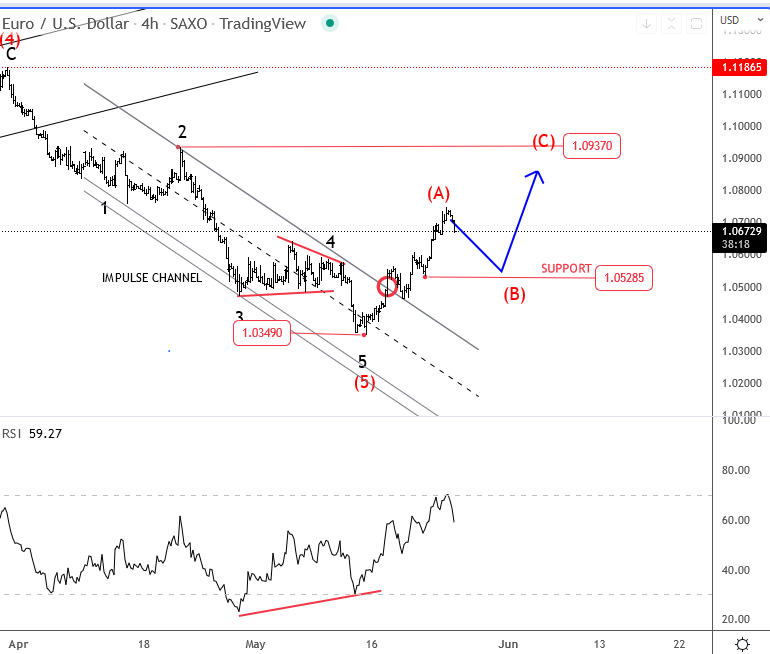
The USD is moving lower across the board as gap between FED and other CB is narrowing. We see more and more ECB members and speculation for a potential 50bp hike which is the main reason for stronger euro these days. There was also RBNZ that lifted rates as expected and was ready for more, so USD is mostly trading south. At the same time stocks also found some support as US yields come down so this is another reason for USD pullback. From an Elliott wave perspective we see EURUSD turning higher, breaking the channel resistance line so it appears that the fifth wave is finished as we talked about in our past updates. Recovery is quite strong so ideally, that's wave (A) first leg of a higher degree recovery which can see even move up to 1.08/1.09, but after wave (B) set-back which can see a pullback in the very near-term.
Big picture
Looking for final wave C of a big complex correction from 2008 highs. The market may try to build a base near 1.0 level later this year.
US Dollar Index Crawls Back ahead of Fed Minutes
US stocks erased some of the gains made on Monday as investors continue worrying about corporate earnings. Social media shares like Snap and Pinterest crashed by more than 20% after Snap warned about trends in the ad business. Advertising companies like Trade Desk, Digital Turnbine, and Omnicon declined sharply. Similarly, Abercrombie & Fitch declined sharply as investors worried about its weak earnings. The next key corporate earnings to watch today will be Nvidia, Snowflake, and Box will publish their results later today.
The US dollar rose slightly after the hawkish statement by Jerome Powell. Like he did last week, the Fed chair warned that the bank will continue hiking interest rates in the coming months. It also rose even after the relatively weak new home sales numbers. The numbers showed that new home sales declined by 16.6% in April. They dropped from 709k to 591k, which was lower than the median estimate of 750k. This trend happened as mortgage rates kept rising. Further data showed that the country’s manufacturing PMI declined from 59.2 to 57.2. The next key mover will be the minutes by the Federal Reserve.
The New Zealand dollar rose slightly on Wednesday morning after the latest interest rate decision by the country’s central bank. It decided to hike interest rates by 0.50% to 2% in its bid to fight inflation. It also signaled that it would continue hiking interest rates in the coming months. This view is in line with what other central banks like the Fed and the Bank of England are doing. The next key economic numbers to watch will be the German and Mexico GDP data. Also, the US will publish the latest core durable goods orders and crude oil inventories.
EURUSD
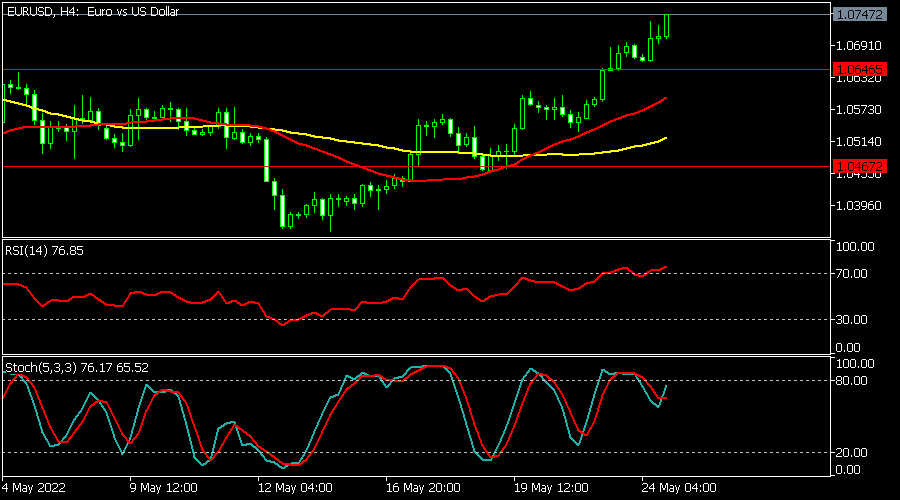
The EURUSD pair has been in a strong bullish trend in the past few days. The pair managed to move above the important resistance at 1.0646, which was the highest level on May 5th. It is being supported by the 25-day and 50-day moving averages. At the same time, the Relative Strength Index (RSI) and the Stochastic Oscillator have kept rising. Therefore, the pair will likely keep rising as bulls target the key resistance level at 1.0800.
EURCHF
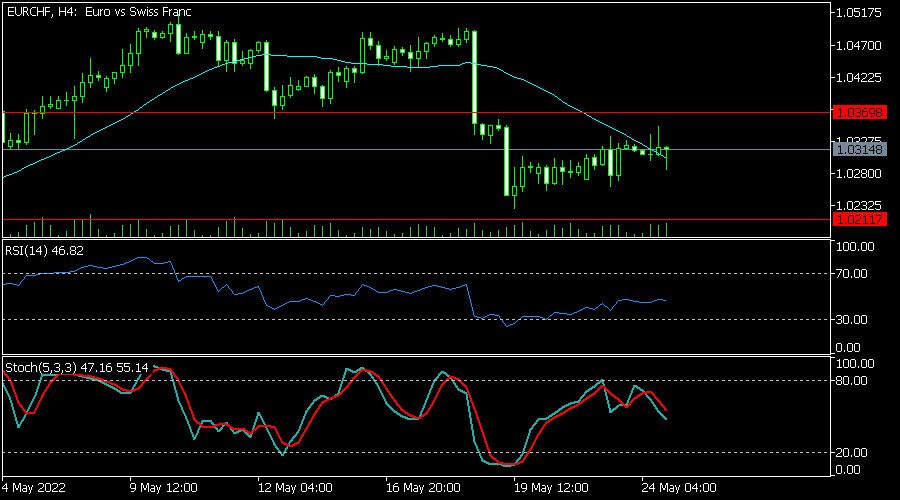
The EURCHF pair has been moving up gradually in the past few days. It is trading at 1.0311, which is slightly above the key support level at 1.0250. A closer look shows that the pair has formed a bearish flag pattern, which is usually a bearish signal. The Relative Strength Index has moved slightly below the neutral point at 50 while the Stochastic Oscillator has moved downwards. The pair will likely have a bearish breakout soon.
NAS100
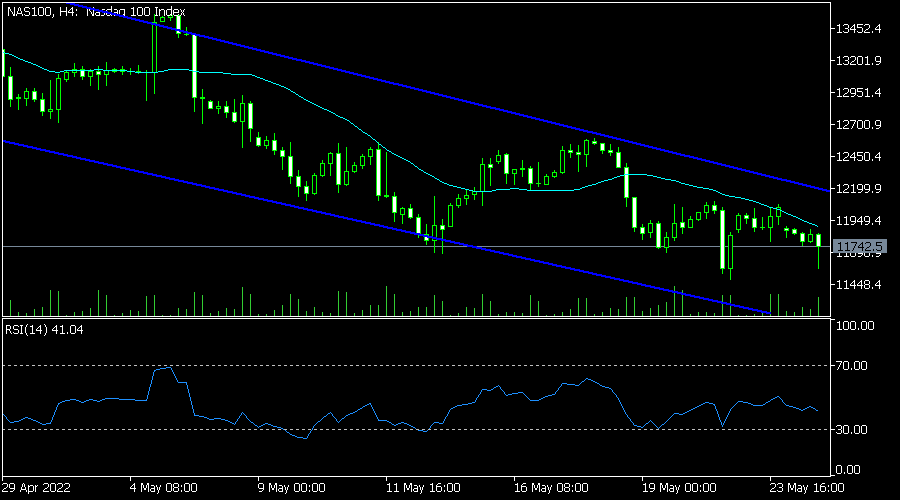
The Nasdaq 100 index came under intense pressure as investors focused on the weak guidance by Snap. The index is trading at $11,750, which is slightly above the year-to-date low. On the four-hour chart, the index is between the descending channel shown in blue. The Relative Strength Index has moved to the neutral level at 50. The index will likely keep falling as bears target the key support level at $11,200.
ECB Panetta: Policy normalization needs to be clearly defined
ECB Executive Board member Fabio Panetta said in a speech, "the very shocks that have led to a surge in inflation (in Eurozone) are also depressing output". Hence, "the inflation path is starting from a much higher point but the medium-term inflation outlook is characterised by high uncertainty." Policy normalization needs to be "clearly defined".
Panetta explained that normalization does not mean moving to a "neutral" policy stance. it shouldn't be assessed against "unobservable reference points" such as neutral rate. And, it "does not imply adjusting unconventional instruments more rapidly than conventional ones".
Normalization is "a process of gradually reducing that stimulus in a way that firmly anchors the inflation path at 2% over the medium term", he said.
NZDUSD Increases above 0.6500 in Short-term Bounce
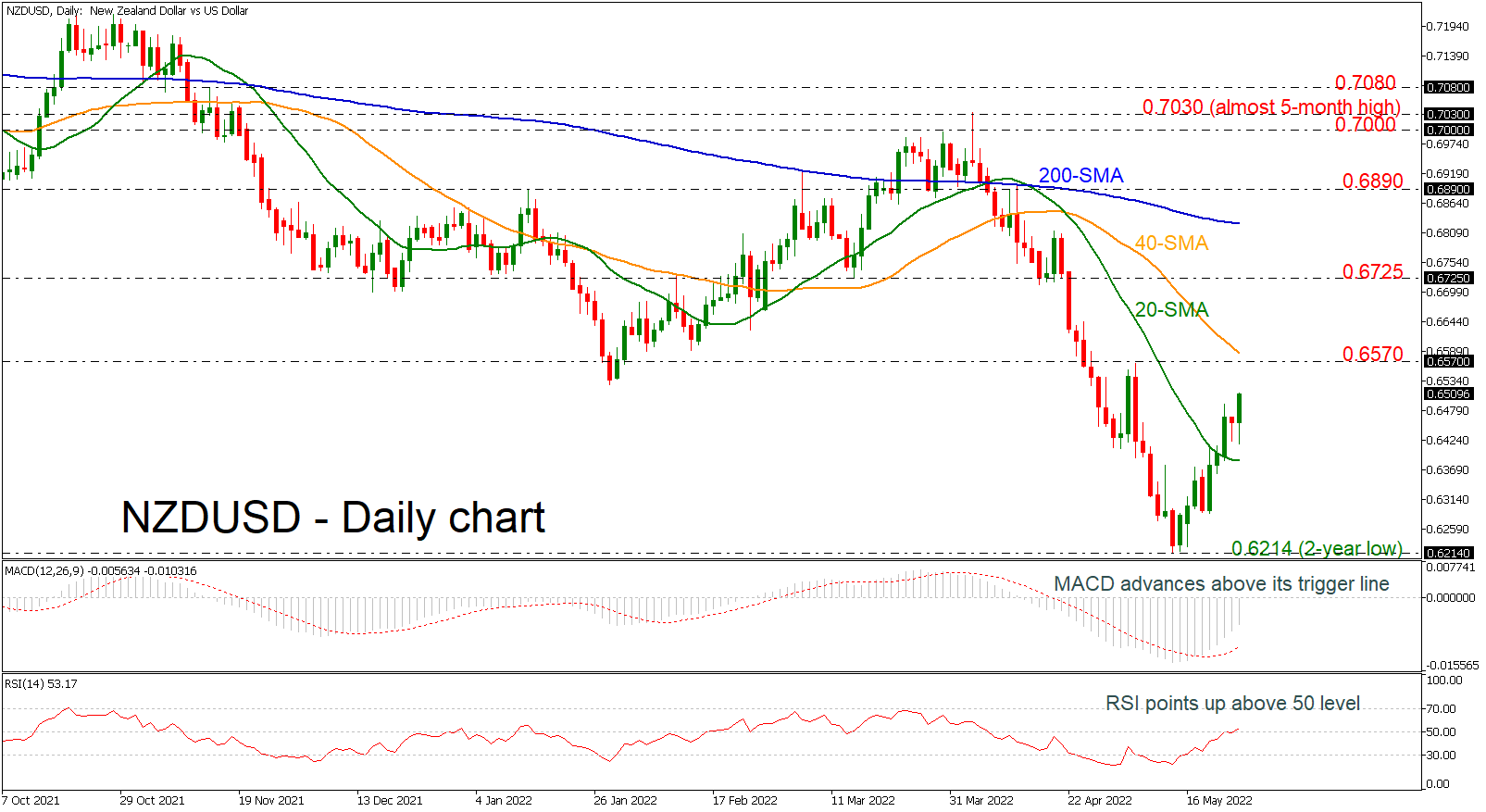
NZDUSD is ticking higher above 0.6500 again after the bounce off the two-year low of 0.6214. The technical indicators are showing more positive signs, as the MACD is advancing above its trigger line in the negative region, while the RSI is pointing upwards after the jump above the neutral threshold of 50. Also, the pair advanced above its 20-day simple moving average (SMA), confirming the recent positive bias in the short-term.
A move to the upside may meet resistance around 0.6570, this being a top from the previous high on May 5. Slightly above this level, the 40-day SMA at 0.6585 and the 0.6725 level could act as an additional barrier in case of stronger bullish movement.
On the other hand, immediate support to further declines may be taking place around the two-year low of 0.6214 ahead of steeper declines until the 0.5920, registered in May 2020.
Overall, in the short-term outlook, the market is bullish; however, in a longer timeframe, NZDUSD is still negative and only a jump above the 200-day SMA may change this view.
EUR/GBP Attempts Bullish Reversal
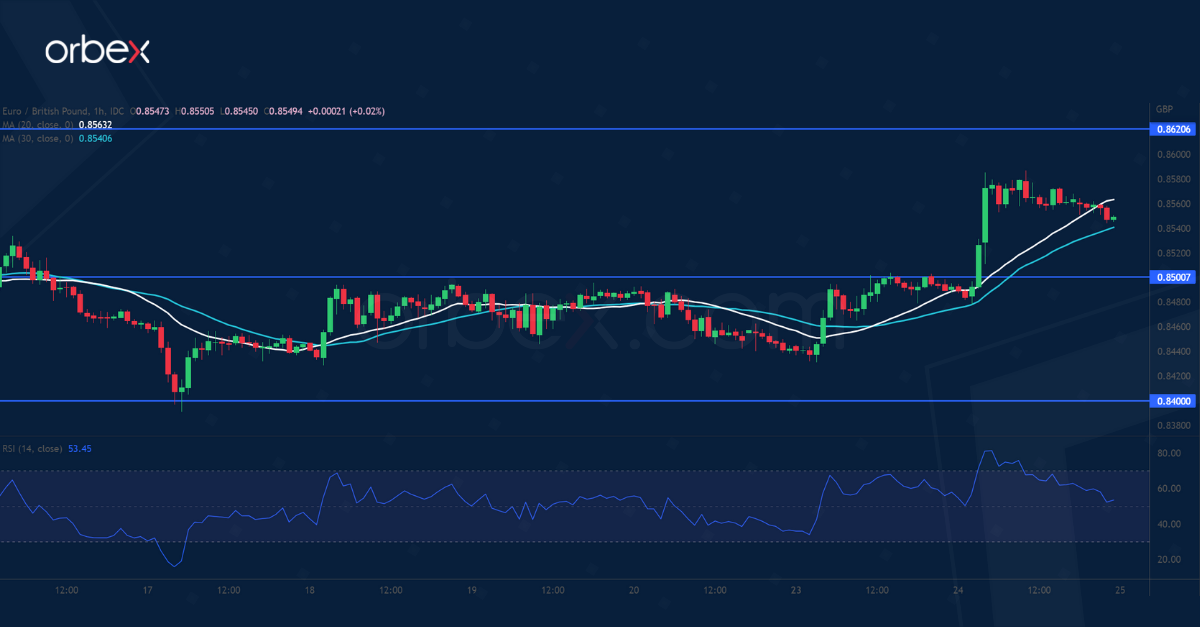
The euro continues higher fuelled by the ECB’s latest hawkish hint. Sentiment stayed bullish after the pair found support over 0.8400. A pop above 0.8530 suggests that sellers scrambled to cover their positions. The RSI’s overbought situation may temper the upward drive momentarily. As the dust settles, the bulls may look to accumulate above 0.8500 ahead of their final breakout attempt. A close above 0.8620 could trigger an extended rally above 0.8720, setting the tone for a bullish reversal in the medium-term.
AUD/USD Tests Resistance
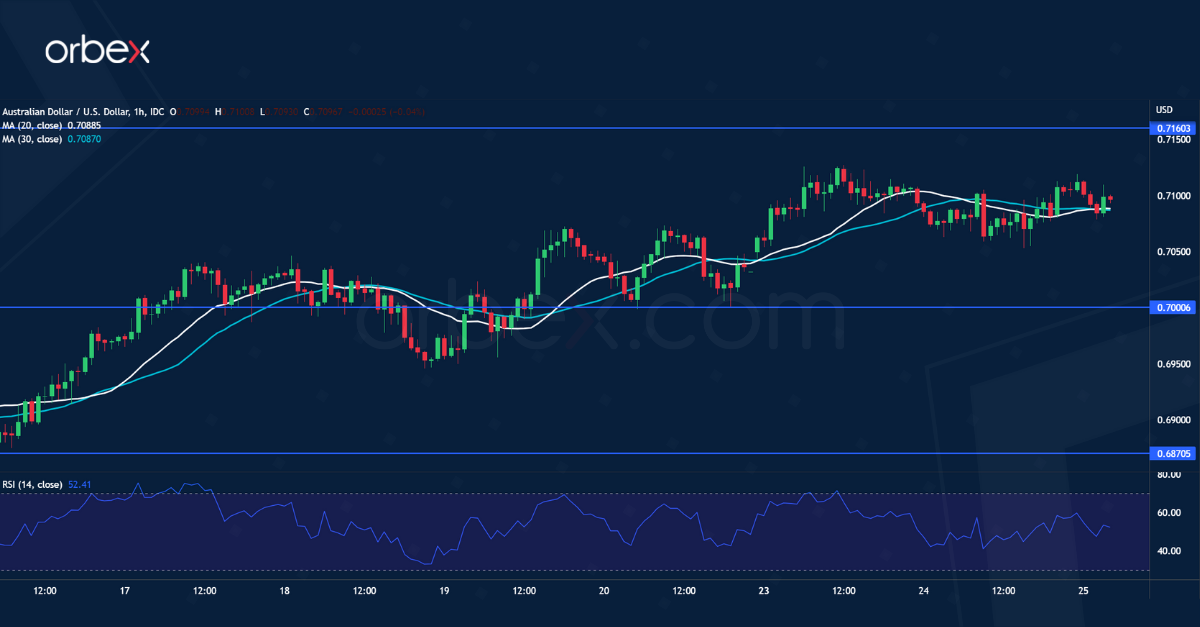
The Australian dollar continues to recover as commodities bounce higher. The rebound gained traction after it broke above the first resistance at 0.7050. A combination of short-covering and fresh buying has sent the aussie to the key supply zone near 0.7160. A bullish close would send the pair 100-pip higher to the last hurdle at 0.7260, the bears’ stronghold on the daily chart. Strong selling pressure could be expected due to bearish inertia. The psychological level of 0.7000 is the first support.
USD/CHF Struggles for Bids
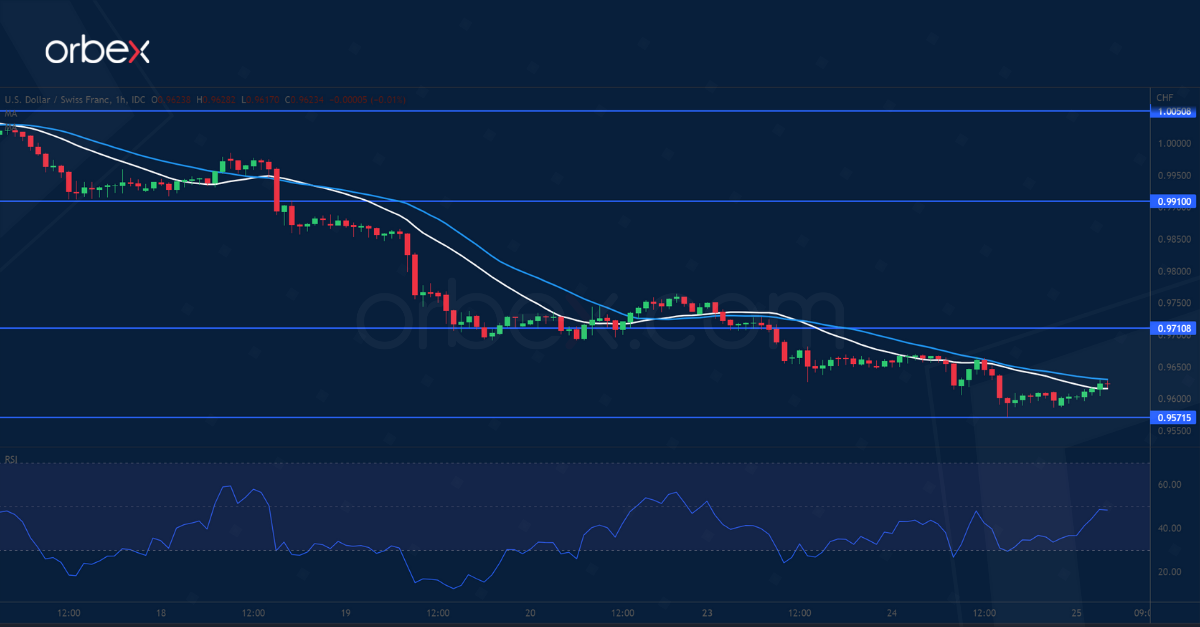
The Swiss franc rallied further after the SNB said it would tighten if inflation persisted. The pair has given up more than half of its gains from the past month. A fall below 0.9710 which sits on the 30-day moving average has put the bulls on the defensive. The discount and the RSI’s repeatedly oversold condition may attract some bargain hunters, but buyers need to clear the support-turn-resistance at 0.9710 before a rebound could take shape. On the downside, a break below 0.9570 would deepen the correction to 0.9500.
Daily Technical Analysis
EUR/USD
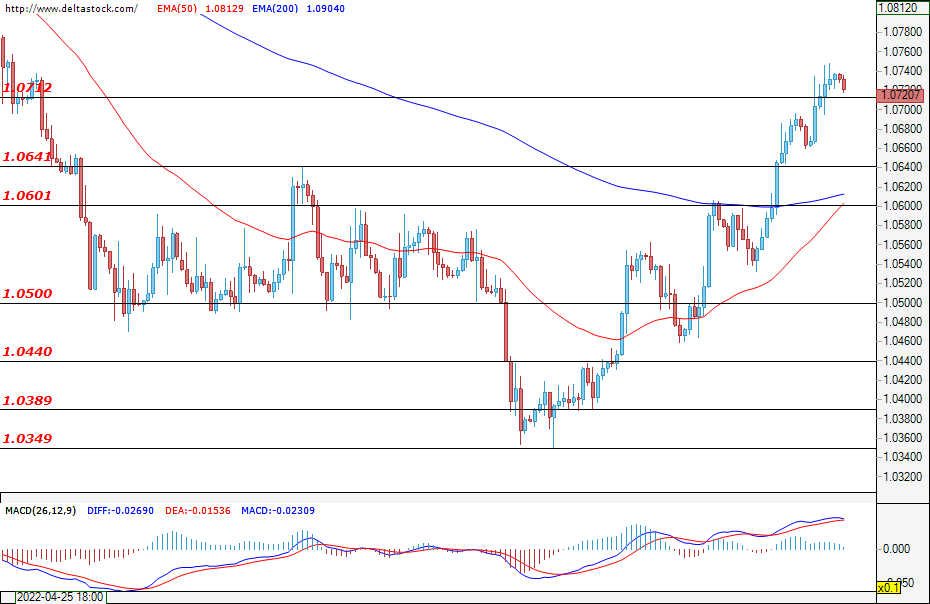
The euro continued to gain ground against the greenback and the currency pair tested the resistance zone at 1.0712. A confirmation of the breach could easily lead to a continuation of the recovery and could result in a rally towards the important zone at 1.0770. If the bullish momentum fades, then the bears could head the EUR/USD towards a test of the support zone at 1.0641. A successful violation of the lower target at 1.0601 may prompt a change in the current sentiment of the market participants and could deepen the decline towards 1.0500.
USD/JPY
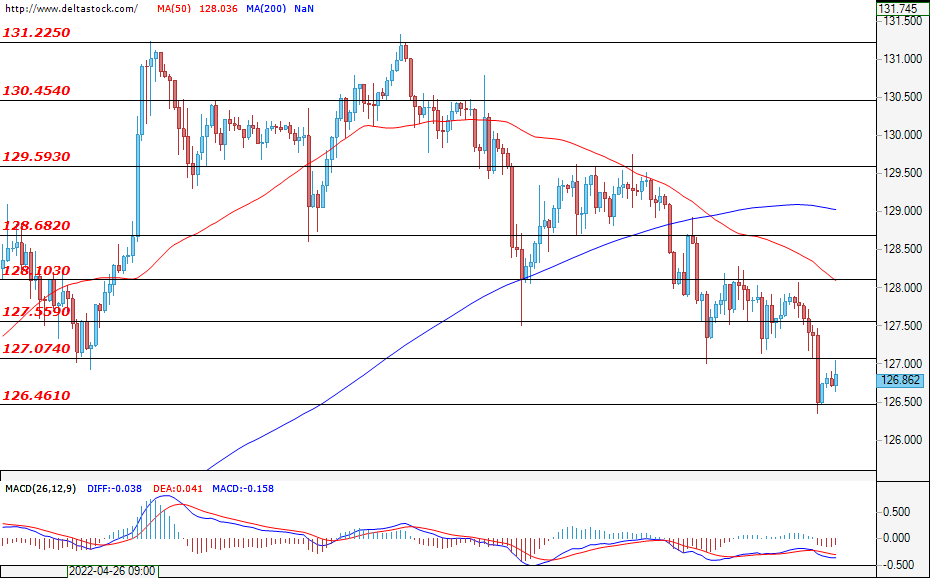
The sellers prevailed during yesterday's session, and after the successful breach of the support at 127.07, the Ninja tested the lower zone at 126.46. During the early hours of today’s session, the pair is trading above the mentioned level, but if the bearish attack continues, its potential violation could easily lead to new losses and could strengthen the negative expectations for the future path of the USD/JPY. The first target for the buyers is the zone at 127.07, which is now acting as resistance, followed by the upper level at 127.55.
GBP/USD
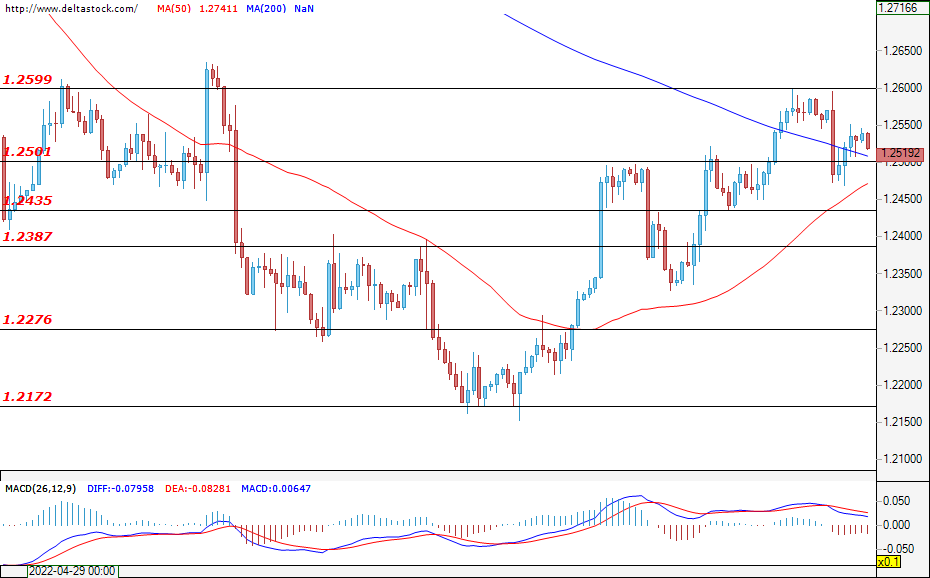
The bears could not gain enough momentum to successfully breach the support zone at 1.2501, and during the early hours of today’s session, the Cable is trading just above the mentioned level of support.. A new bearish attack is the most probable scenario, but only a violation of the mentioned zone could deepen the decline and could lead to a move towards the support at 1.2435. If the bulls enter the market, then a breach of the important resistance at 1.2599 could strengthen the positive expectations and could result in a rally towards the levels from April at around 1.3000.
EUGERMANY40
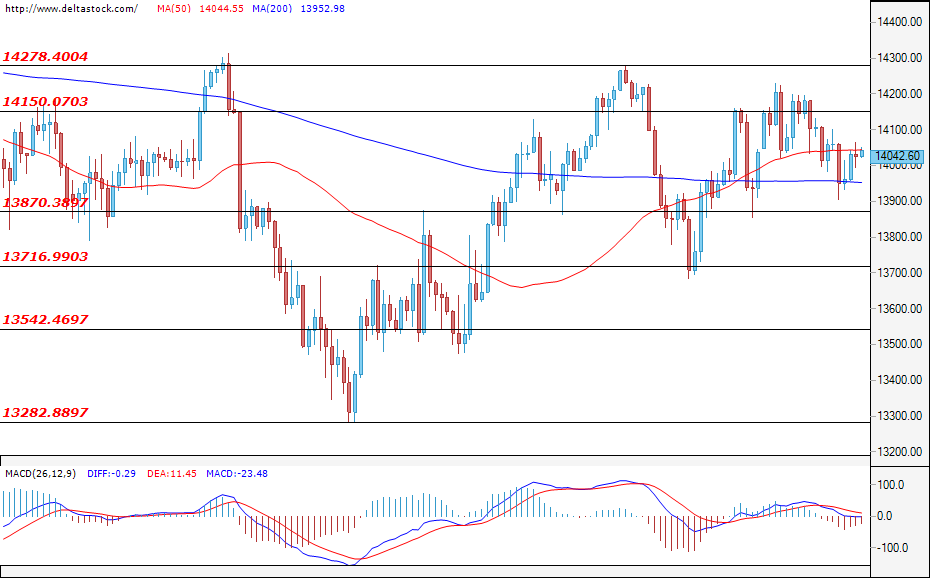
Neither the bulls, nor the bears managed to prevail and the German index remained limited in the zone between 13870 and 14150. A successful breach of the upper border at 14150, followed by a violation of the next target at 14278, could easily lead to new gains and could continue the recovery for the index towards 14400.The first support is the zone at 13900. A breach of the lower level at 13716 would strengthen the negative expectations of the market participants and could pave the way for the EUGERMANY40 for a test of the major support at 13542.
US30
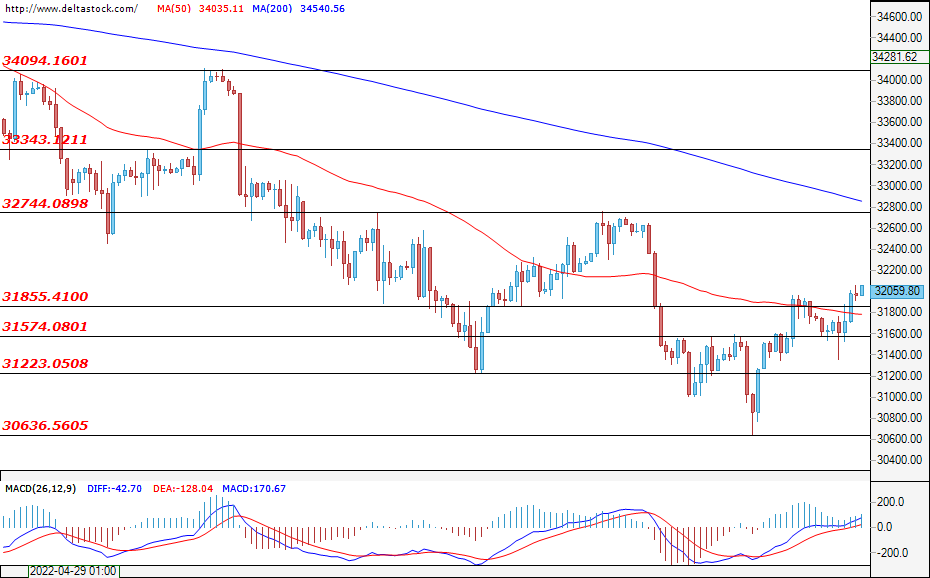
The U.S. index regained some of its recent losses and re-tested the resistance zone at 31855. If the breach is confirmed, then this could easily lead to а more sustained rally and an attack on the upper target at 32744. If the bears prevail, however, then a violation of the support zone at 31574, followed by a successful test of the lower zone at 31223, would mark the current move as corrective and the US30 could head towards the local bottom at 30636. Today, increased volatility can be expected around the release of the FOMC meeting minutes at 19:00 GMT.
USD/JPY Pair Moved into a Bearish Zone Below $130.00
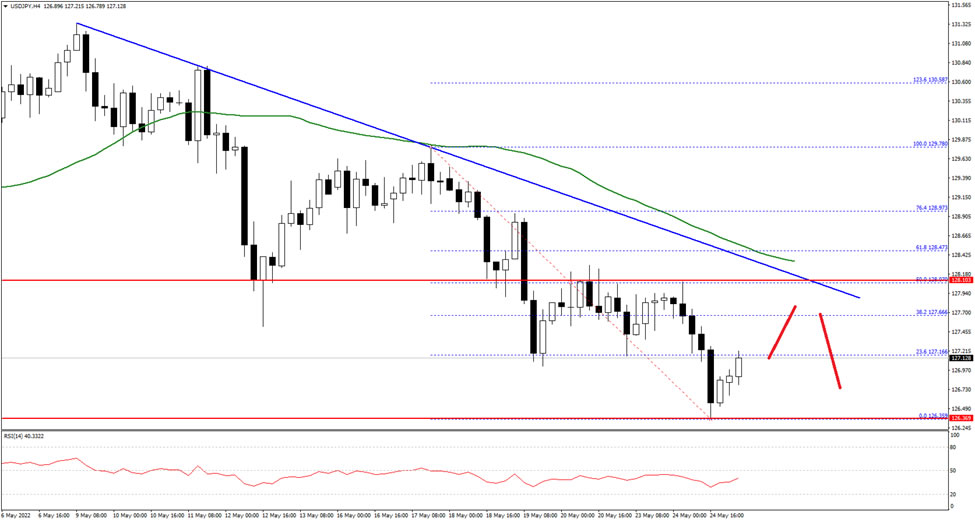
The US Dollar started a fresh decline from well above 131.20 against the Japanese Yen. The USD/JPY pair traded below the 130.00 support zone to move into a bearish zone.
The pair even traded below the 128.20 support and the 50 hourly simple moving average. It tested the 126.40 support zone and is currently correcting higher. On the upside, an immediate resistance is near the 127.15 level.
The first major resistance near the 128.00 zone and a trend line on the hourly chart. A clear break above the 128.00 resistance could push the price towards 128.80. The next major resistance is near the 130.00 level.
On the downside, an initial support is 126.75 on FXOpen. The next major support sits near the 126.40 level, below which there is a risk of more downsides towards the 125.00 level.
Germany Gfk consumer confidence rose to -26, war and inflation still weighing
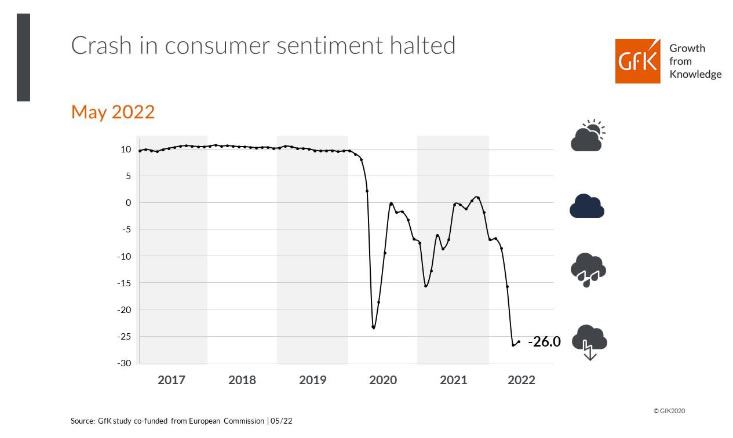
Germany Gfk consumer confidence for June rose slightly from -26.6 to -26.0, worse than expectation of -25.6. In May, economic expectations rose from -16.4 to -9.3. Income expectations rose from -31.3 to -23.7. Propensity to buy dropped from -10.6 to -11.1.
"Although this means that the consumer climate has improved slightly, consumer sentiment is still at an all-time low," explains Rolf Bürkl, GfK consumer expert. "Despite further easing of pandemic-related restrictions, the war in Ukraine and especially high inflation are weighing heavily on consumer sentiment."