Sample Category Title
EURJPY Bulls Wake Up Near 200-SMA, But Can They Dominate?
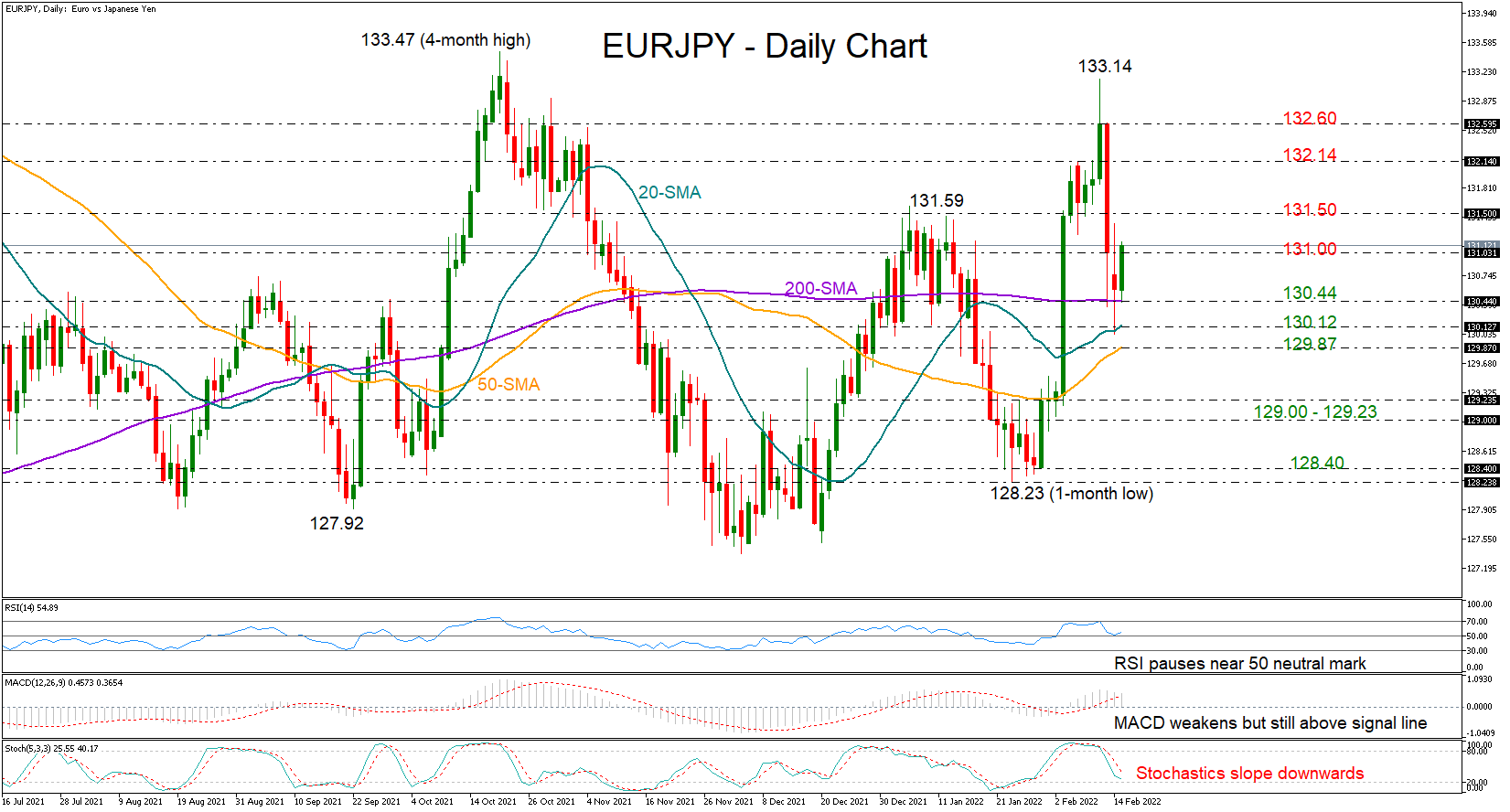
EURJPY found a strong footing around the 200-day simple moving average (SMA) and the 130.50 level despite a flash breakout to 130.00 on Monday, with the price currently looking to re-enter the 131.00 territory.
The pair has retraced more than half of February’s rally and selling tendencies could persist in the short-term as the technical oscillators maintain a negative trajectory. That said, the RSI is currently rejecting any extensions below its 50 neutral mark, while the MACD is still some distance above its red signal line. Hence, any potential declines in the price could be interpreted with some caution.
In the bullish scenario, where the 130.50 floor stands firm and the price crawls above the nearby 131.00 resistance, the rebound could gain extra legs towards the 131.50 barrier. Beyond that, the bulls may attempt to climb above the 132.14 number with scope to test last week’s tough bar of 132.60.
If the 130.50 floor collapses, sellers will push for a close below the 130.00 level, where the 20-day SMA is currently standing. Then, the restrictive 50-day SMA may immediately attract attention around 129.87 before a sharper downfall brings the 129.23 – 129.00 supportive region under examination. If the bears dominate below the latter, the door will open for January’s base of 128.40 - 128.23.
Summarizing, EURJPY is looking cautiously bearish in the short-term picture, with traders probably waiting for a clear close below 130.50 to place their selling orders.
GER 40 Tests Critical Floor
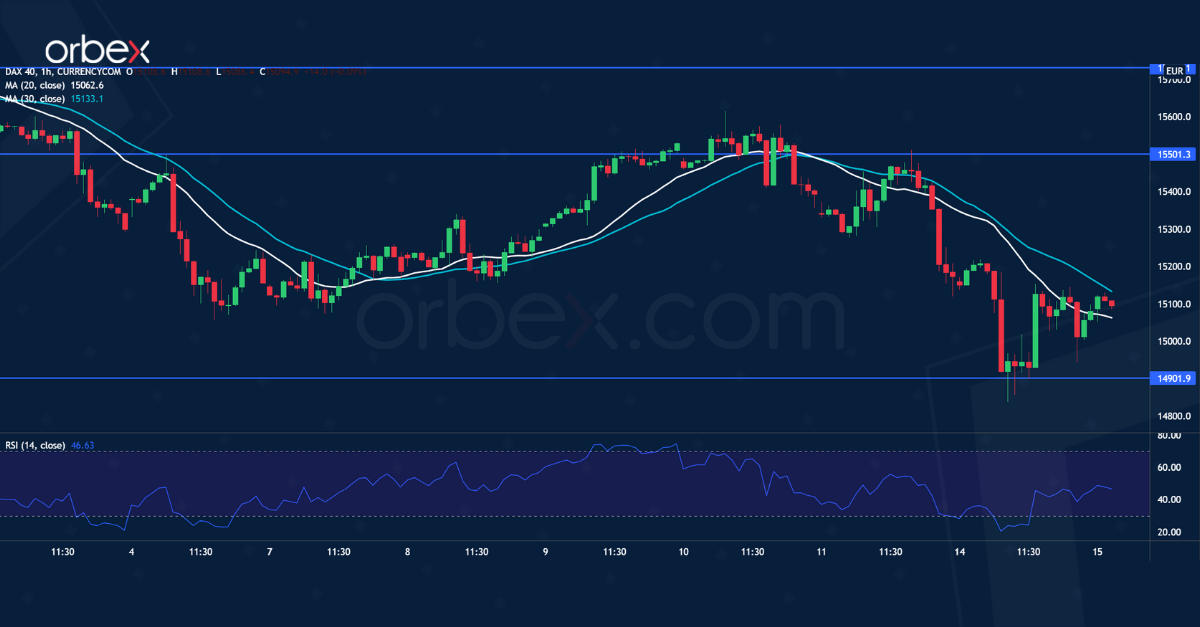
The Dax 40 remains under pressure over Russia-Ukraine tensions. The last rebound’s failure to achieve a new high showed that the bears were still in charge.
Trend followers are likely to sell into strength as sentiment remains wary. The index saw bids in the critical demand zone around 14900 which has been tested several times in the last four months.
A bearish breakout would trigger a broader sell-off and put a serious dent in the medium-term rally. The bulls will need to reclaim 15500 before they could turn things around.
XAG/USD Tests Resistance
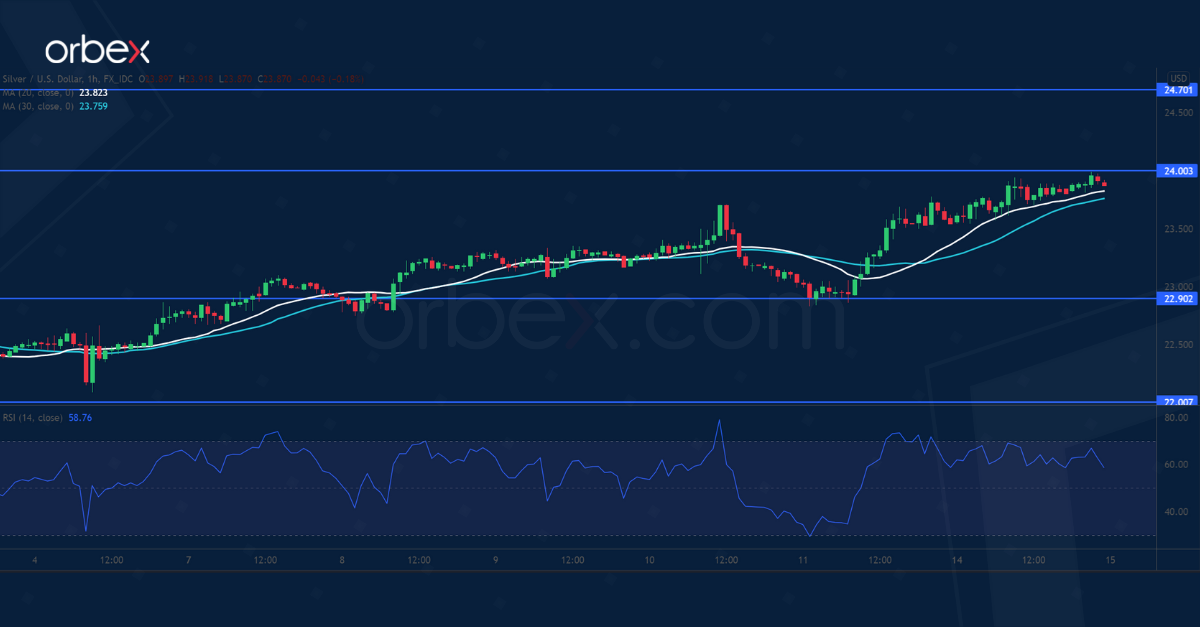
Bullion rallies over investors’ flight to safety. Silver continues to climb from the daily support at 22.00.
Following a brief pullback, a break above the recent high at 23.70 indicates strong buying interest. A bullish MA cross is a sign of acceleration to the upside.
The psychological level of 24.00 is the next hurdle and a breakout would bring the price to January’s peak at 24.70. The RSI’s overbought situation may cause a limited fallback; if so the previous low at 22.90 would be the closest support.
USD/JPY Hits Double Top
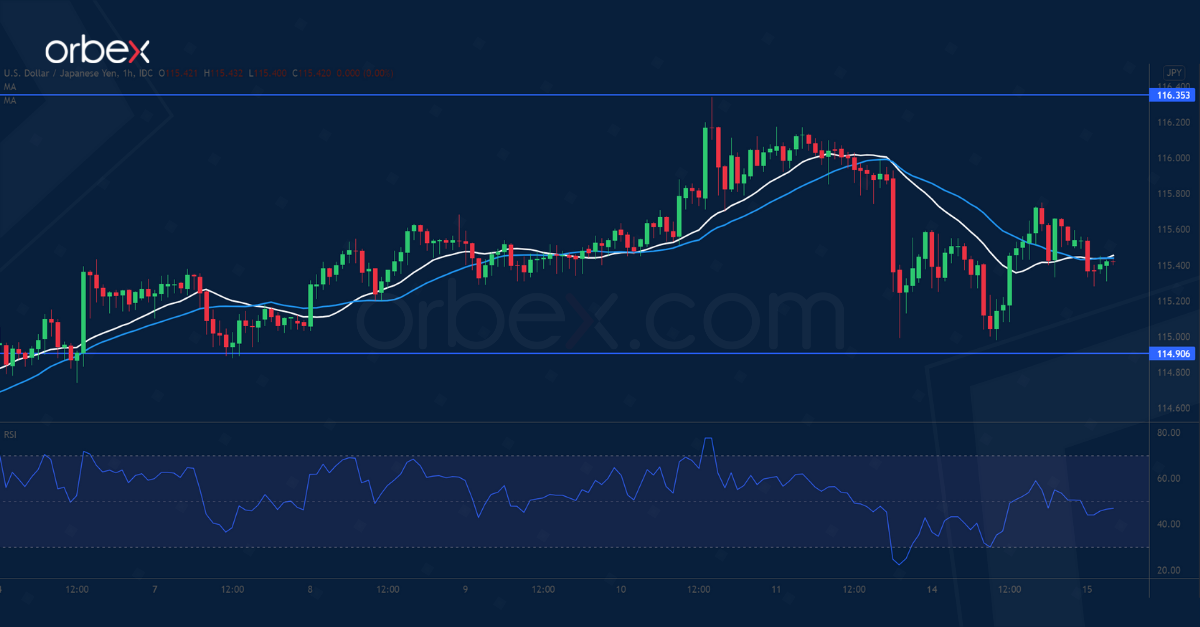
The US dollar recovers as hot CPI fuels bets of a 50 basis points hike in March. The rally came to a halt at January’s high (116.35).
Profit-taking compounded by new selling triggered a liquidation below 115.50. The medium-term trajectory remains upward and the bulls may be eager to buy the dips. 114.90 is the next support and an oversold RSI may attract bargain hunters.
Further down, the daily support at 114.20 is a major demand zone in case of a deeper correction. A close above the double top could resume the uptrend.
Technical Pictures of Key European and US Equity Gauges Still Extremely Fragile
Markets
European stock markets closed 2%-2.5% lower, but off worst intraday levels following headlines that Russian President Putin gave his Foreign Minister Lavrov the go ahead to continue talks aiming to reach a ‘diplomatic solution’ in the Ukrainian conflict. US stock markets hesitated after Friday’s beating with main indices closing between flat (Nasdaq) and -0.5% (Dow). Technical pictures of key European and US equity gauges are still extremely fragile and at risk of deteriorating further.
US Treasuries fell prey to short covering ahead of the weekend, but that move didn’t persist yesterday. It is telling for the strength of the underlying bear flattening trend. US yield added 7.3 bps (2-yr) to 4.7 bps (30-yr). The US 7-yr yield even closed marginally above the US 10-yr yield.
The German yield curve bull steepened with daily yield changes falling up to 3.9 bps for the 5-yr. This is mainly a catch-up effect from Friday’s moves after European close. Intraday dynamics also showed that any rebound in German Bunds didn’t went that far, again telling something about the ongoing core bond sell-off as global central banks are behind the curve in tackling the inflation problem. 10-yr yield spread changes vs Germany widened by up to 3 bps.
The Japanese yen and the US dollar kept each other in balance yesterday with a close around 115.50 though the balance is again tipping in favour of JPY this morning. EUR/USD closed at 1.1307 and sits perfectly in the middle of the broad 1.1121-1.1483 trading band. EUR/GBP followed the move south in EUR/USD to close at 0.8357.
UK labour market data this morning printed too close to consensus to influence trading. The unemployment rate stabilized at 4.1% in the Oct-Dec period compared to Sep-Nov. Employment over that period declined by 38k vs the consensus estimate of -58k. January data nevertheless indicated a 31.9k decline in jobless claims with payrolls rising by 108k. Labour market data don’t alter the BoE’s normalization plans.
Today’s eco calendar contains German ZEW investor sentiment and the US February Empire Manufacturing Survey. We think they’ll play second fiddle and keep our focus on general risk sentiment. The Kingdom of Belgium will issue a new long 30y benchmark via syndication (OLO 95 June2053). It’s the second syndicated deal following a €5bn 10-yr benchmark mid-January (OLO 94 0.35% June2032). This year’s funding plan consists of raising €41.2bn in OLO funding to cover the lion share of the €48.28bn gross borrowing requirement. A New Green OLO remains in the pipeline for later this year.
News Headlines
The Japanese economy rebounded in Q4 at an 5.4% Q/Q annualized pace (1.3.% Q/Q) from an upwardly revised 2.7% Q/Qa contraction in the previous quarter. The outcome was slightly below expectations but the details were fairly constructive. Private consumption (+2.7% Q/Q) was the main driver as spending rebounded. However, the Omicron variant is again negatively affecting activity in the current quarter. Capital spending rose 0.4% Q/Q. Net exports made a positive contribution to growth of 0.2 ppt indicating a solid export performance. Inventory adjustment subtracted 0.1 ppt. Even after the Q4 rebound, Japanese activity is still slightly below its pre-pandemic level. The resurgence of the Omicron, higher prices and uncertainty on the impact of the Ukraine crisis might slow activity this quarter even as public spending will be a supportive. The 10-yr government bond yield (0.215%) remains well below the 0.25% level that the BoJ indicated it wants to defend last week. The yen strengthens slightly this morning with USD/JPY trading at 115.35.
Iron future contracts in Asia declined about 10% this morning, the second consecutive day of substantial losses. The decline comes as Chinese authorities indicated that they want to take action to address a spread of misinformation on prices. They warn iron are trading companies not to speculate, hoard or hike prices. Chinese authorities (state planner) are also reported to plan meetings with trading companies to ensure a smooth operation of trading in the commodity. The reference contract end last week touched the highest level since early August last year.
Daily Technical Analysis
EUR/USD
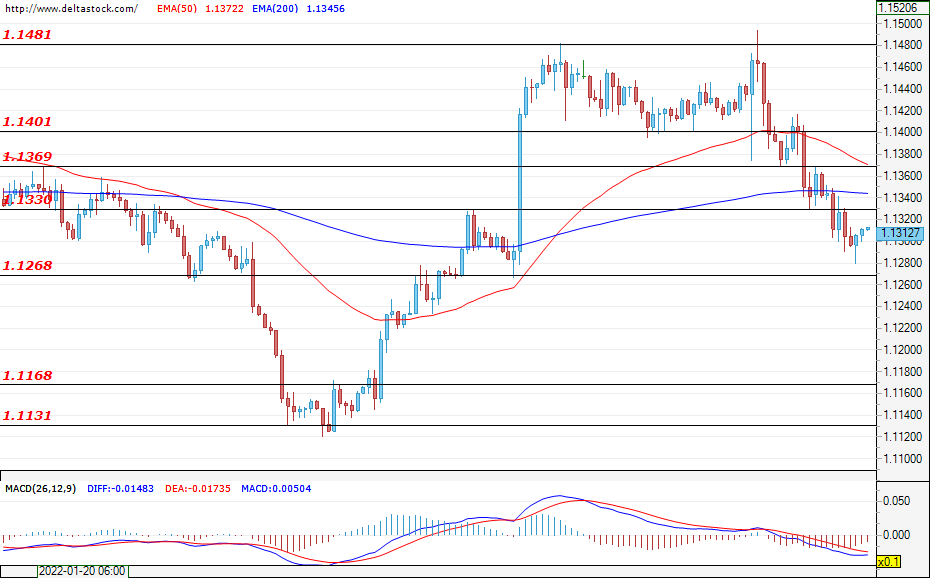
The support zone at 1.1330 was violated and the European common currency continued to lose ground against the dollar during yesterday’s session. If the bearish attack continues, then the expectations are for a test of the target at 1.1268. A successful breach of the aforementioned level would strengthen the negative expectations for the future path of the pair and could easily lead to new losses for the EUR/USD. The first target for the bulls is the level of 1.1330, which is now acting as resistance, followed by the zone at 1.1369. The economic calendar is quite packed today and volatility can be expected at 10:00 GMT, when the GDP data for the Eurozone and the ZEW economic sentiment for Germany are to be announced, as well as the Core PPI for the U.S. at 13:30 GMT. The lack of de-escalation in Ukraine will also keep markets on their toes and might lead to some sharp moves.
USD/JPY
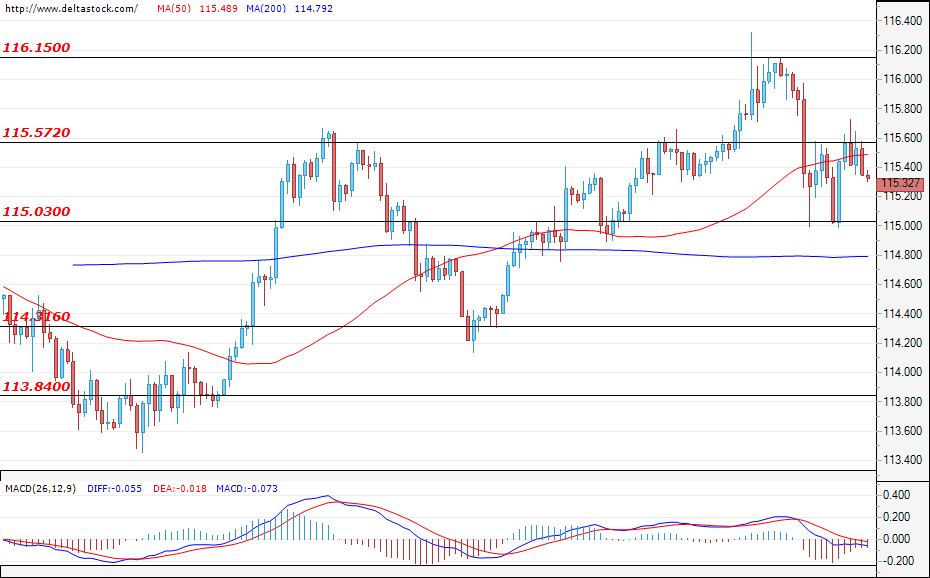
Yesterday, neither the bears nor the bulls managed to gain enough momentum and the Ninja continued to trade in the zone between 115.03 and 115.57. Only a successful breach of one of the borders could set the future direction of the USD/JPY. A violation of the resistance level at 115.57 would pave the way towards a test of the upper target at 116.15, where a breach could lead to a more sustained rally and further gains for the dollar against the yen. A breach of the level at 115.03 will most likely lead to a deeper sell-off towards the support zone at 114.31.
GBP/USD
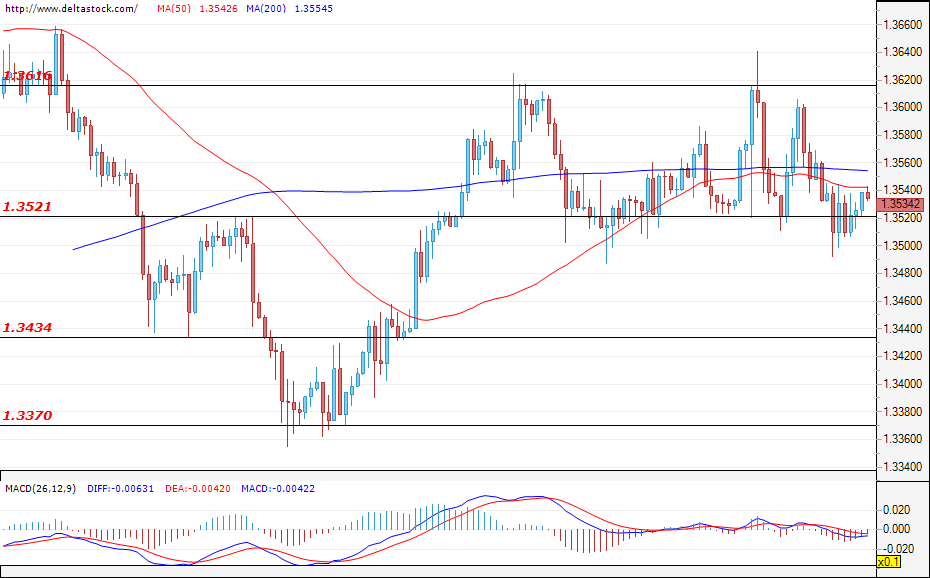
The breach of the support zone at 1.3521 was not confirmed, and during the early hours of today`s trading, the Cable is holding positions above this level. If the bulls manage to keep the pair from falling below 1.3521, then an attack on the resistance zone at 1.3616 would be the most probable scenario. A successful breach of the aforementioned level would strengthen the positive sentiment and most likely lead to more gains for the sterling against the greenback. If the bears gain momentum and manage to violate the support at 1.3521, then their first target would be the level at 1.3434.
EUGERMANY40
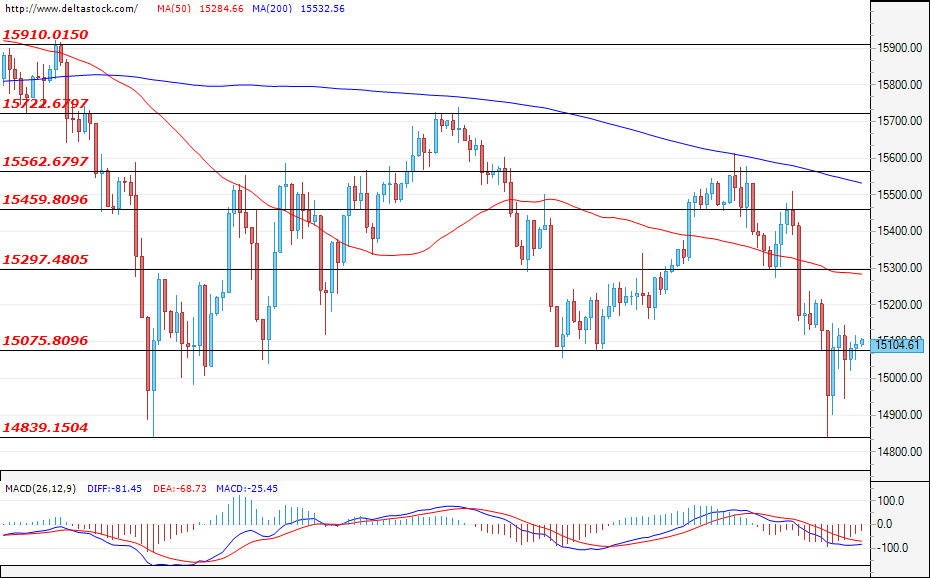
The sell-off was limited by the support at 14839 and the EUGERMANY40 regained some of its losses. At the time of writing, the index is hovering above the level at 15075, and if the bulls breach the resistance at 15297, then the recovery will most likely continue towards the target at 15459. Worse-than-expected data for the German ZEW economic sentiment and the Eurozone GDP data (today; 10:00 GMT) could help the bears to take hold of the market, violate the zone at 15075 and deepen the sell-off towards the major support zone at 14839.
US30
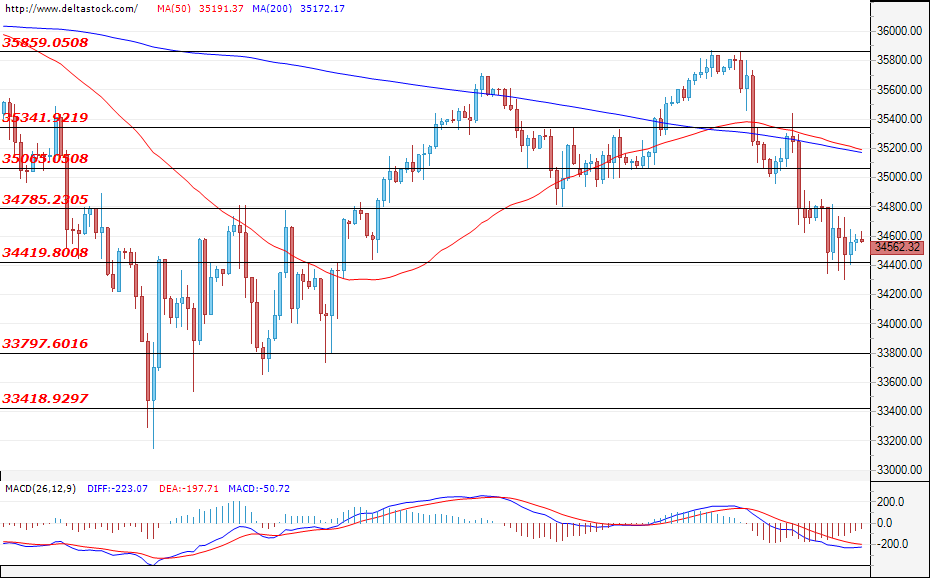
The support zone at 34419 withheld the bearish attack, and during the early hours of today`s trading, the U.S. index steadied just above the mentioned level. If the sellers continue to pressure the US30 and breach the support at 34419, then the sell-off would most likely accelerate towards the support at 33797. The first resistance for the bulls can be found at the level of 34785, followed by 35065. During today's session, investors will be closely watching the data for the U.S. PPI (13:30 GMT) as high readings here could signal an even more aggressive tightening of the Fed’s relaxed monetary policy. The situation in Ukraine will also continue to be on markets’ agenda, keeping volatility high.
Gold Price Soars as Safe-Haven Demand Rises
American equities declined on Monday as the west continued to focus on diplomacy to address the crisis in Ukraine. Today, a week after Vladimir Putin met with Emmanuel Macron, he will meet with Olaf Scholz of Germany. Putin has demanded that Nato members create securities guarantees that Ukraine will not become a member of the organization. Scholz is expected to ask Putin to de-escalate the situation at the Ukraine border and embrace diplomacy. According to the FT, he will also tell Putin about how severe the sanctions from western countries will be if he invades. The Dow Jones declined by more than 290 points.
The British pound declined slightly ahead of important economic data from the UK. the Office of National Statistics (ONS) will publish the latest jobs numbers in the morning session today. Analysts expect the data to show that the country’s unemployment rate declined to 4.0% in December while the economy created thousands of jobs. These numbers will come a day ahead of the latest inflation data from the UK. The data will provide more details about the performance of the UK economy and give a snapshot about what to expect from the Bank of England (BOE).
The euro continued its bearish trend after Christine Lagarde reaffirmed that any rate hike regime will be gradual. The speech came ahead of the latest Eurozone GDP data scheduled for later today. Analysts expect the numbers to show that the country’s economy expanded by 4.6% in the fourth quarter and by 0.3% on a QoQ basis. Eurostat will also publish the latest employment and trade balance numbers. Other important data to watch will be the latest German economic sentiment.
EURUSD
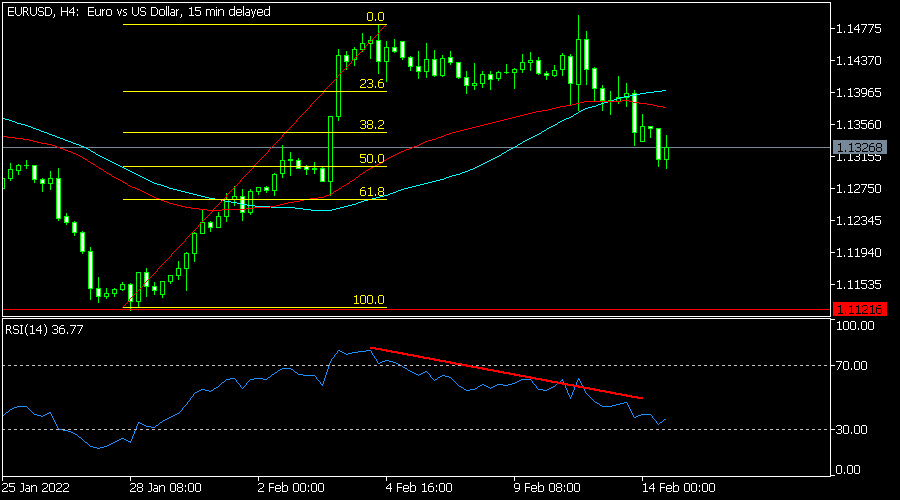
The EURUSD pair declined to a low of 1.1290, which was the lowest level since February 3rd. The pair dropped to the 50% Fibonacci retracement level. It also crashed below the 25-day and 50-day moving averages. At the same time, the MACD has moved below the neutral level while the Relative Strength Index (RSI) has formed a bearish divergence pattern. Therefore, the pair will likely keep falling as bears target the key support at 1.1250.
GBPUSD
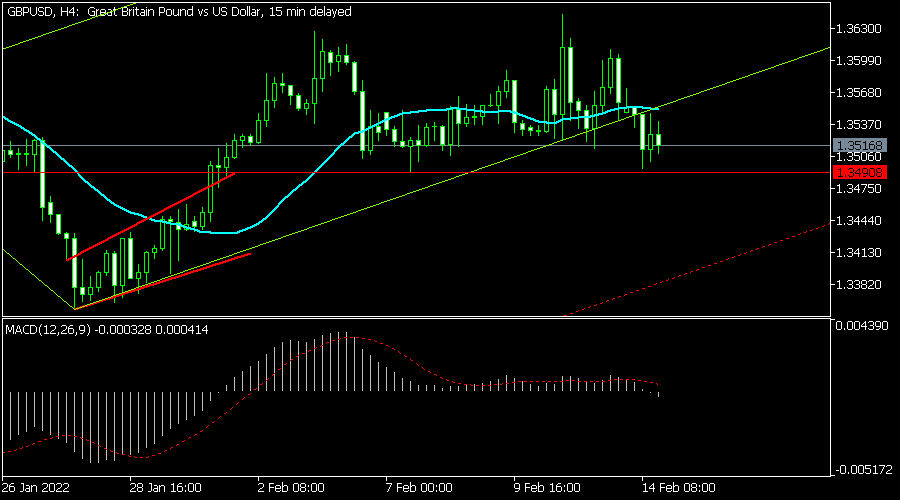
The GBPUSD pair declined ahead of the latest UK GDP data. The pair is trading at 1.3516, which is substantially below the year-to-date high of 1.3570. On the four-hour chart, the pair remains below the 25-day moving average and the 38.2% Fibonacci retracement level. It has also moved below the first support of the Andrews pitchfork tool. Therefore, the path of the least resistance for the pair is to the downside.
XAUUSD
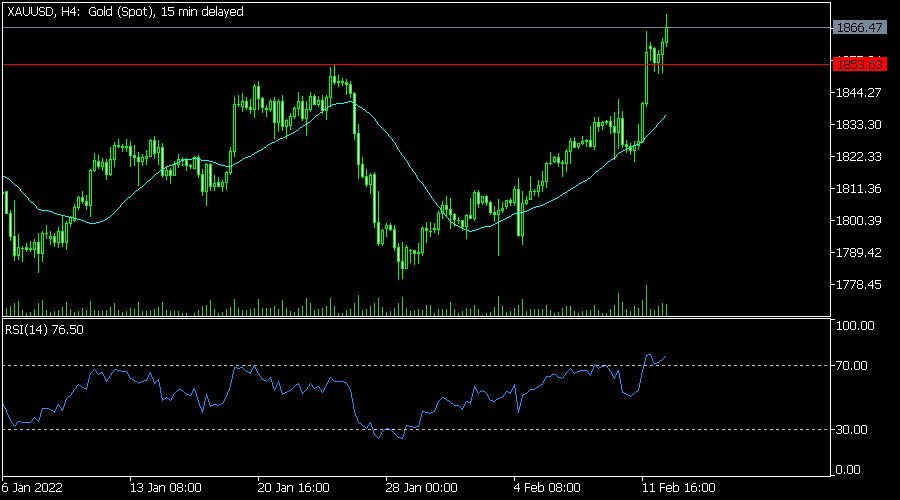
The XAUUSD pair continued its bullish trend as investors moved to safe haven assets. The pair rose to 1,877, which is the highest level since November last year. It also passed the key resistance level at 1,853, which was at the highest point on January 28th. The pair also moved above the 25-day and 50-day moving averages. Therefore, the pair will likely keep rising to the next key resistance at 1,877.
Improved Sentiment on Hopes of Diplomatic pProgress in Ukrainian Crisis
There is a certain relief in the Ukraine-Russia crisis as the two sides seem willing to continue their diplomatic efforts to avoid a military action. The latter could help reversing a part of yesterday’s aggressive selloff in the European markets, and the FTSE 100 could outperform its peers on the back of firm energy and oil prices.
BP, which lost 4% on Monday’s session due to worries that its Russian operations could weigh on the overall performance could recover a part of losses.
Gold gains at risk
Fresnillo jumped 7% in London yesterday as gold advanced to $1880 per ounce, yet the latest gains in gold and oil are vulnerable de-escalation at the Ukrainian border. Any durable relief could pull the gold prices as low as low as $1800 mark, as the rising sovereign yields play against the gold bulls.
Base case: No war
Ukrainian president criticized news giving a date for a potential Russian invasion and said that it could eventually drop its dream to become part of NATO, as a powerful sign of its commitment to de-escalate the tensions at its Russian border.
Lower tensions should have an immediate easing effect on the commodity space as Russia accounts for 45% of the world’s palladium supply, 15% of platinum supply, slightly than 10% of global gold supply, some 8.5% of the global oil supply and 6% of global gas supply.
US producer prices
US indices made a positive attempt on Monday, but the bears were more aggressive than the bulls given the Ukrainian tensions, and the hawkish Federal Reserve (Fed) fears - and the rising oil prices due to the Ukrainian tensions that further fueled the hawkish Fed fears.
The S&P500 slid 0.38% and closed just near the 4400 mark, the Dow dropped near 0.50%, as Nasdaq closed Monday’s session flat. The index fell 5% from last week’s peak, as the post-inflation data trading pulled the interest-sensitive index aggressively down.
Today, the inflation talk continues with the US producer prices due later in the session. Analysts expect a certain easing in the PPI index to 9.1% from last month’s surprise to 9.7%.
Given the rise in oil and commodity prices, there is a higher chance of seeing a positive than a negative surprise.
Any positive surprise could send the PPI index above the 10% psychological mark and keep the bears in charge of the market, regardless of a more hopeful mood due to the diplomatic efforts between Russian and Ukraine.
Fed Governors Split on Pace of Monetary Policy Tightening
Market movers today
German Chancellor Scholz is meeting Russian President Putin to seek a diplomatic solution to the tensions around Ukraine.
In Germany, the ZEW expectation of economic growth is expected to show improving confidence amid waning Covid-19 concerns.
In the US, the producer price inflation may attract more attention given the widespread inflation concerns. Market consensus is expecting inflation pressures to remain unchanged in January compared with December.
The 60 second overview
Ukraine-Russia concerns ease slightly: Russia seems to backing more talks and German Chancellor Scholz said to the Ukrainian President that membership of NATO was not a priority, which could be a way to meet Russian demand that Ukraine should not become a member of NATO. Meanwhile, UK Junior Defence Minister had stated that a Russian attack could happen at no notice now. The RUB strengthened against the EUR.
Fed governors split on pace of monetary policy tightening: Yesterday, James Bullard repeated his hawkish message from last week saying: "I do think we need to front-load more of our planned removal of accommodation than we would have previously. Our credibility is on the line here and we do have to react to data." In contrast, San Francisco Fed president on Sunday said it is paramount for the central bank to be measured and data-dependent.
China's central bank kept its policy rate unchanged but injected loans through its medium-term lending facility. The Chinese equity markets increased on the back of the news.
Geopolitics initially sent equities lower on Monday. The sell-off was most pronounced in Europe in catch-up from Friday, but recovered into the session on positive comments on negotiations. Opposite to the risk-off session in Europe, US cyclicals actually outperformed. Growth cyclicals, such as consumer discretionary and tech led the gains, while healthcare and financials sold off. Energy the worst performing sector, reversing Friday's performance despite oil price ending higher. S&P500 closed down -0.4%, Nasdaq unchanged, Dow and Russell 2000 -0.5%. Asian markets are mixed this morning and US futures pointing slightly lower.
FI: It was again a volatile day in the global financial markets with the ongoing uncertainty regarding the standoff between Russia and the West over Ukraine. Comments from various Federal Reserve officials show a significant difference in how much US monetary policy needs to be tightened and how fast this has to happen. Currently, the market seems to be leaning towards Bullard's view given the continued bearish flattening of the US Treasury curve. In Europe, ECB's Lagarde continued to stress the need for a gradual approach and thus we saw a bullish steepening of the EUR curves.
FX: The Scandies, commodity sensitive currencies and the EUR were the losers in yesterday's session where focus very much remains on geopolitical risks and the prospect for tighter global liquidity conditions.
Credit: Credit remains under pressure amid the renewed tensions in the Ukraine/Russia stand-off. Sellers are clearly dominating the markets, where especially large credit ETFs are seeking liquidity by hitting even conservative bids in the market. Itraxx main widened 1.7bp to 66.8bp while Xover widened 6.3bp to 332.1bp. The latter comprises a widening of a full 74.5bp during the latest month. In cash the picture is similarly bearish with IG spreads widening 1.1bp and HY widening 11.2bp.
Nordic macro
No Swedish data today, however, both Stefan Ingves and Martin Flodén from the Riksbank board will discuss monetary policy at two separate events. However, we expect them both to mirror the communication in last week's monetary policy report and press conference.
In Denmark, employer organisation DA is set to deliver private sector wage growth figures for Q4. The labour market has continued to steam ahead, so it will be interesting to see whether the tight labour market has begun to affect wage growth.
UK payrolled employees rose 108k in Jan, unemployment rate unchanged at 4.1% in Dec
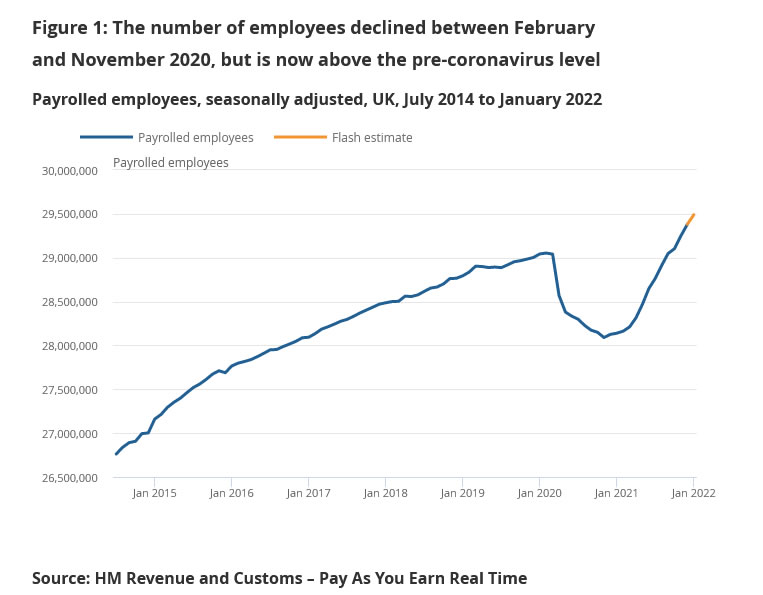
UK payrolled employees rose 0.4% mom, or 108k, to 29.5m in January. Over the year, payrolled employees grew 4.8% yoy, or 1.35m. Claimant count dropped -31.9k.
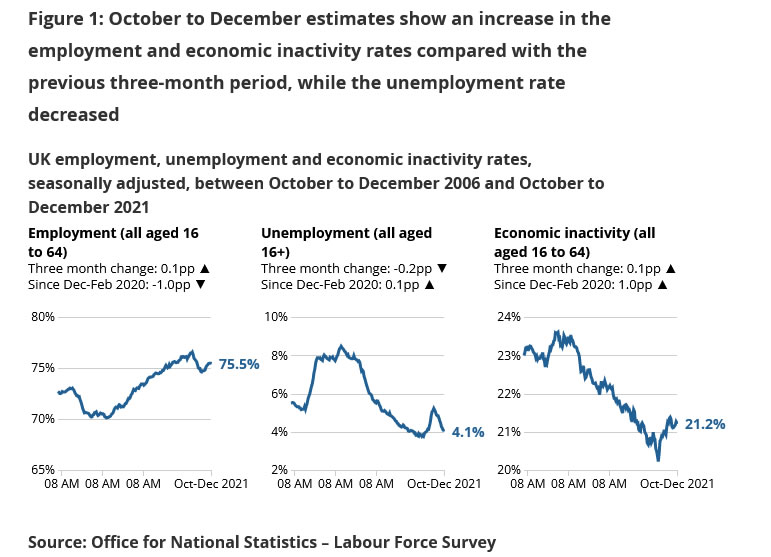
In the three months to December, unemployment rate was unchanged at 4.1%, matched expectations. That's still 0.1% higher than before the pandemic, but down -0.2% from the previous three-month period. Employment rate rose 0.1% to 75.5%, comparing to the previous 3-month period.
Average earnings including bonus rose 4.3% 3moy, much better than expectation of 3.9%. Average earnings excluding bonus rose 3.7% 3moy, above better than expectation of 3.6%.