Sample Category Title
EUR/USD Outlook: Post-ECB Bullish Acceleration Pressures Key 1.1500 Resistance Zone
The Euro continues to trend higher for the fifth straight day, with extension of Thursday’s post-ECB 1.2% rally, pressuring key 1.1500 resistance zone (Jan 14 lower top / 200WMA).
The single currency was boosted by more hawkish that expected ECB and change in the central bank’s narrative, while Swiss National Bank’s intervention also helped and lifted euro against Swiss franc.
Bulls emerged above the top of thick daily loud, generating generated fresh positive signal which requires confirmation on today’s close above the cloud.
Daily techs turned to bullish mode, supporting the action, with the pair being on track for the biggest weekly advance since the third week of March 2020, setting scope for further gains.
Caution on overbought stochastic and RSI turning sideways, which warn that bulls may face headwinds at 1.1500 resistance zone and take a breather.
Broken daily cloud top (1.1439) and 100DMA (1.1428) mark solid supports which should ideally hold, but deeper dips cannot be ruled out, with 1.1400/1.1345 supports expected to hold and keep fresh bulls in play.
US non-farm payrolls is key event today, with expectations that job growth slowed in January amid surge in infections in Omicron variant.
Res: 1.1482; 1.1501; 1.1558; 1.1602.
Sup: 1.1430; 1.1400; 1.1345; 1.1329.

CAD/JPY Awaits Breakout
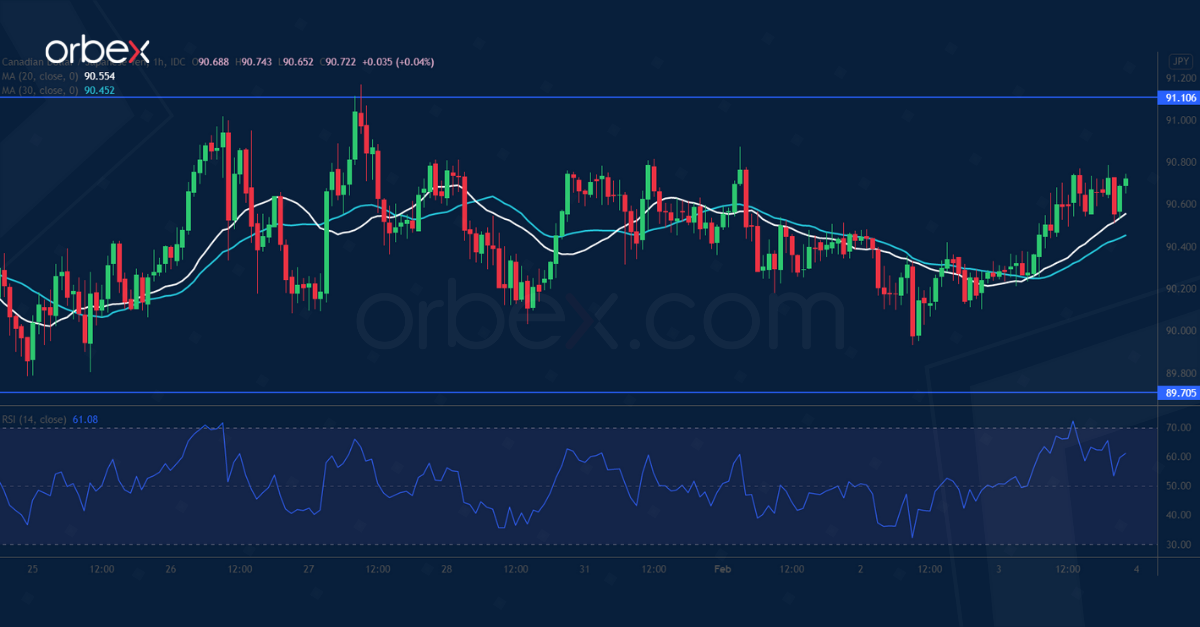
The Canadian dollar recovers over growing risk appetite. A fall below the demand zone around 90.60 weighed on sentiment as the loonie struggled to make a higher high.
The pair found support at 89.70 in what used to be a former supply area on the daily chart. The current consolidation is a sign of indecision. 91.10 proves to be a tough resistance to crack.
A bullish breakout could bring the price to the recent peak at 92.00. Failing that, the pair may suffer from another round of sell-off below 89.10.
GBP/USD Tests Resistance
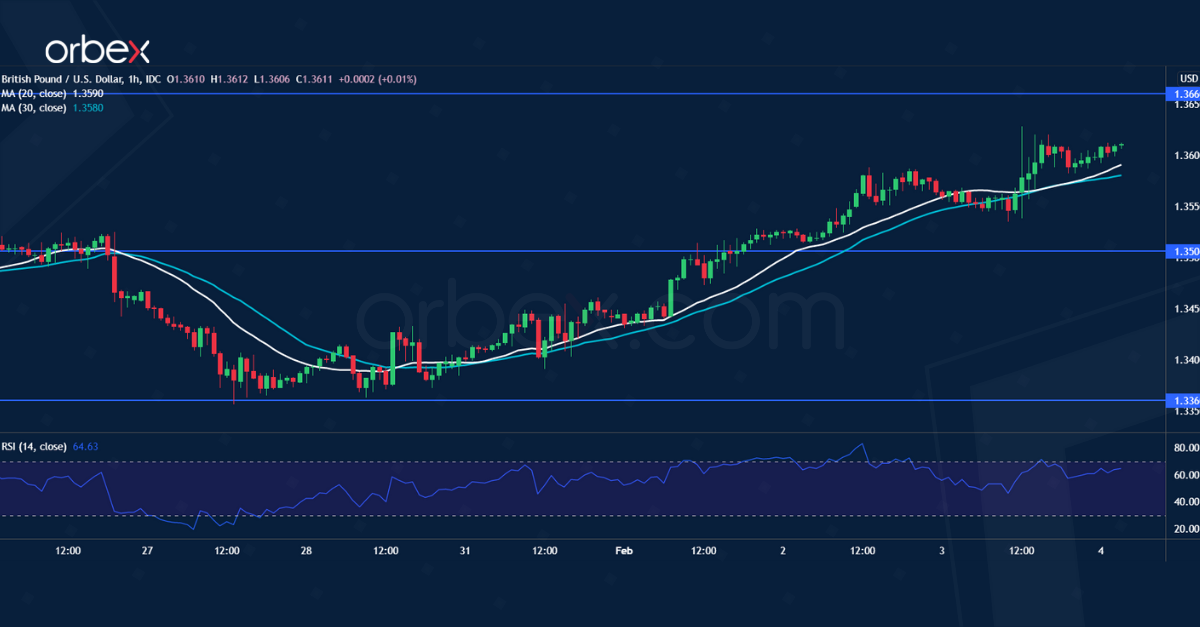
The pound popped higher after the BOE raised interest rates to 0.5%.
The latest rebound above the resistance at 1.3520 has prompted sellers to cover. Then the rally is accelerating towards 1.3660 which is a major hurdle from the sell-off in late January.
A bullish breakout could turn sentiment in the sterling’s favor and send the price to the previous peak at 1.3740. On the downside, 1.3500 is an important support and its breach could invalidate the recovery despite the bullish catalyst.
EUR/USD Breaks Higher
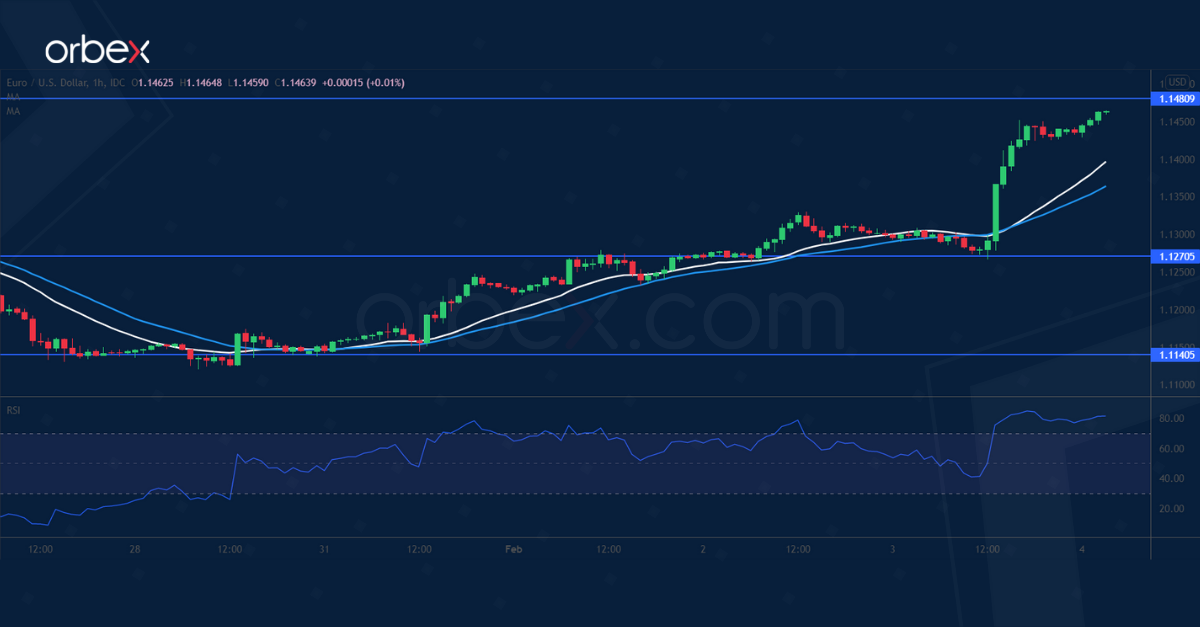
The euro soared as traders bet that persistent inflation could force the ECB to act sooner than later.
A break below the daily support at 1.1300 had put the single currency under pressure. However, a swift rebound above this support-turned-resistance indicates strong commitment from the buy-side.
The pair is rising towards the January peak at 1.1480. The RSI’s triple top in the overbought area may slow the momentum down as intraday buyers take a break. 1.1270 is a key support to keep the rebound relevant.
USDCAD Ticks Marginally Up in Short Term
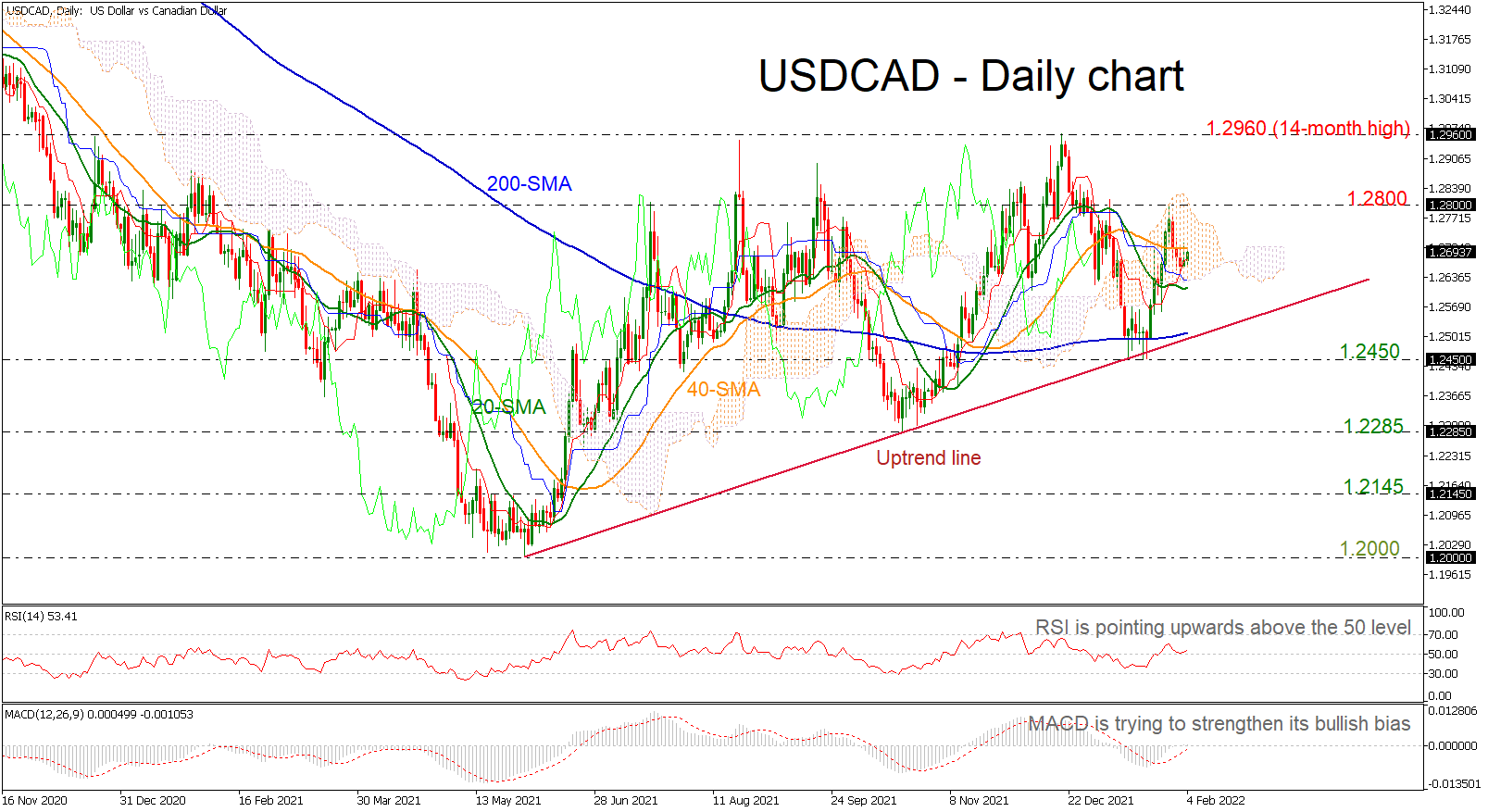
USDCAD is rising somewhat in the short-term, hovering within the Ichimoku cloud and the 20- and 40-day simple moving average (SMAs). Regarding the technical indicators, the RSI indicator is pointing slightly upwards in the positive region, while the MACD is flattening around the zero level, suggesting the weak momentum on price.
If the pair overcomes the 40-day SMA, the next stop could be at the 1.2800 psychological level before the rally finds strong resistance at the 14-month high of 1.2960.
On the flip side, in case of downside corrections, immediate support could come from the 20-day SMA at 1.2615. Also, the 200-day SMA at 1.2510 could attract traders’ attention, which is standing around the ascending trend line. A dive below this crucial line may shift the positive outlook to neutral.
Overall, USDCAD is in a positive bias in the short- and the long-term outlooks. Any movement beneath the 200-day SMA and the uptrend line could change this view.
Daily Technical Analysis
EUR/USD
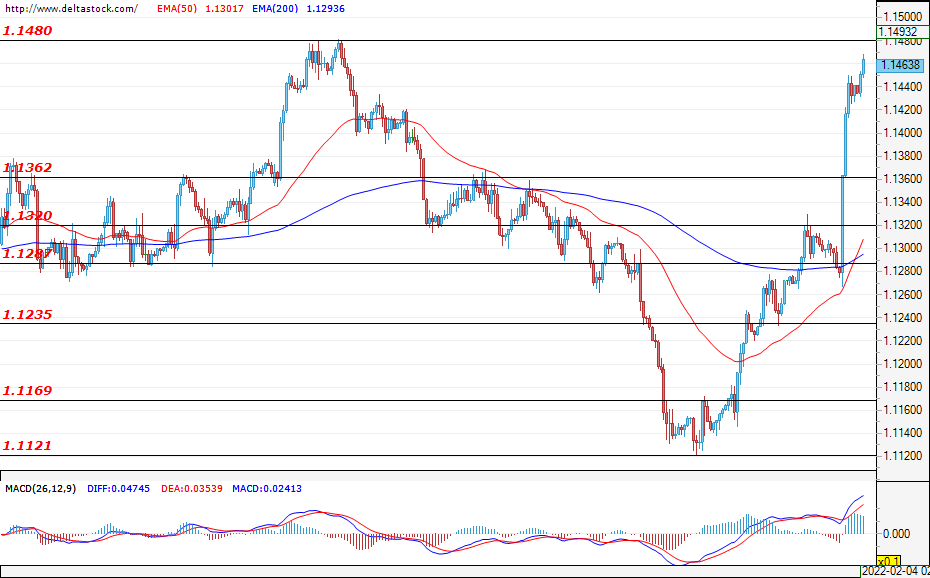
Since the beginning of the week, we have witnessed the appreciation of the single European currency against the U.S. dollar, as at the time of writing the analysis, the currency pair is sitting just below the resistance level at 1.1480. The zone at 1.1362 was easily overcome, with the most likely scenario being for a test of the mentioned resistance zone at 1.1480. During today's session, market participants will closely follow the announcement of the retail sales data for the eurozone (10:00 GMT), as well as the non-farm payroll change data for the U.S. (13:30 GMT), together with the unemployment rate change data, again for the U.S. (13:30 GMT).
USD/JPY
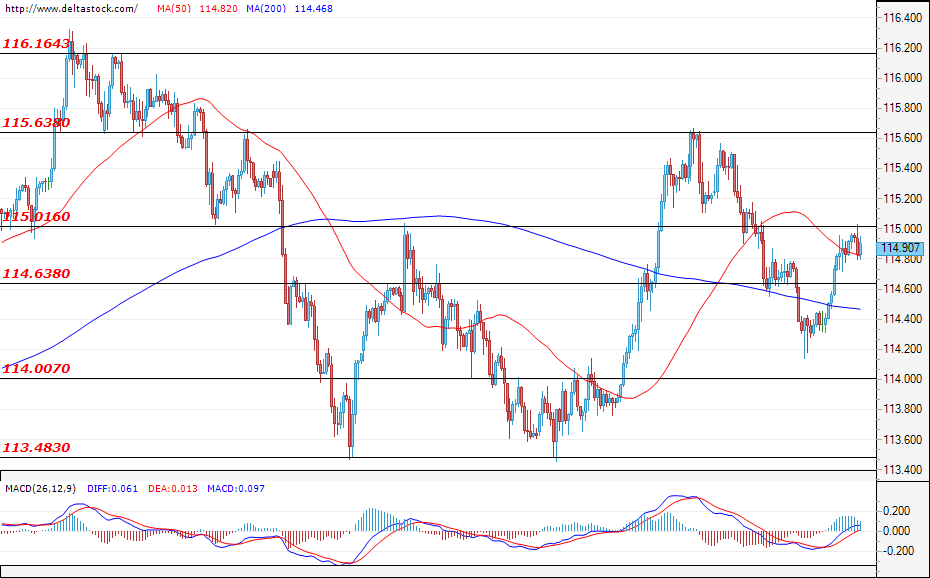
The depreciation of the U.S. dollar against the Japanese yen was limited above the support level at 114.00 in yesterday's trading session, and the subsequent appreciation slowed its pace around the resistance level at 115.00. Despite the current consolidation, the most likely scenario is for a test of the aforementioned resistance. A successful breach here could give the bulls the necessary incentive to continue their upward move towards the next significant resistance zone at 115.63.
GBP/USD
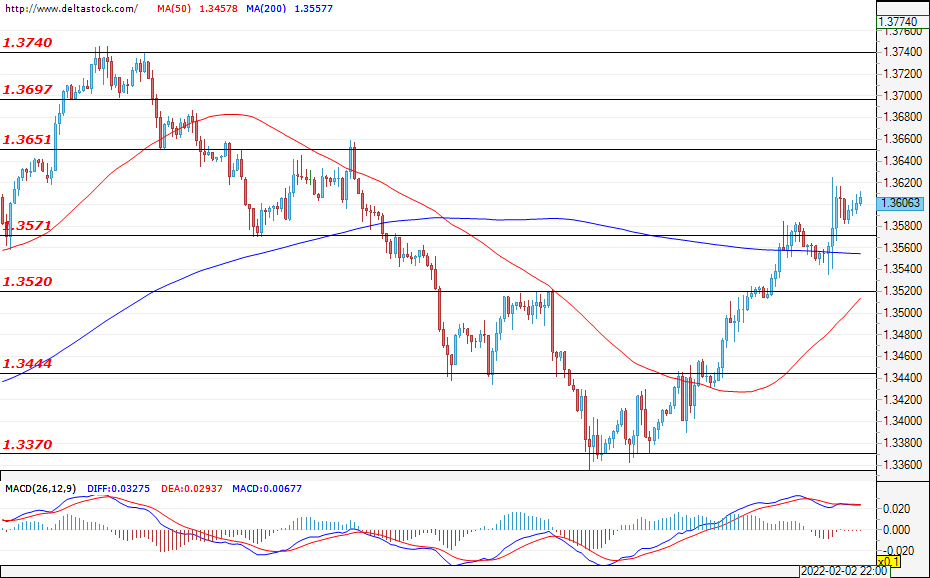
The British pound continued to appreciate against the U.S. dollar, and after a successful breach of the resistance zone at 1.3570, market participants are likely to be able to lead the trade up to the next significant resistance at 1.3650. Looking from the higher time frames, we can still see the lower highs and much deeper troughs, and so the overall sentiment at the moment remains negative. In the current situation, if the bears prevail and limit the appreciation below the resistance zone at 1.3650, then a further deepening of the depreciation towards the main support at 1.3370 is not excluded.
EUGERMANY40
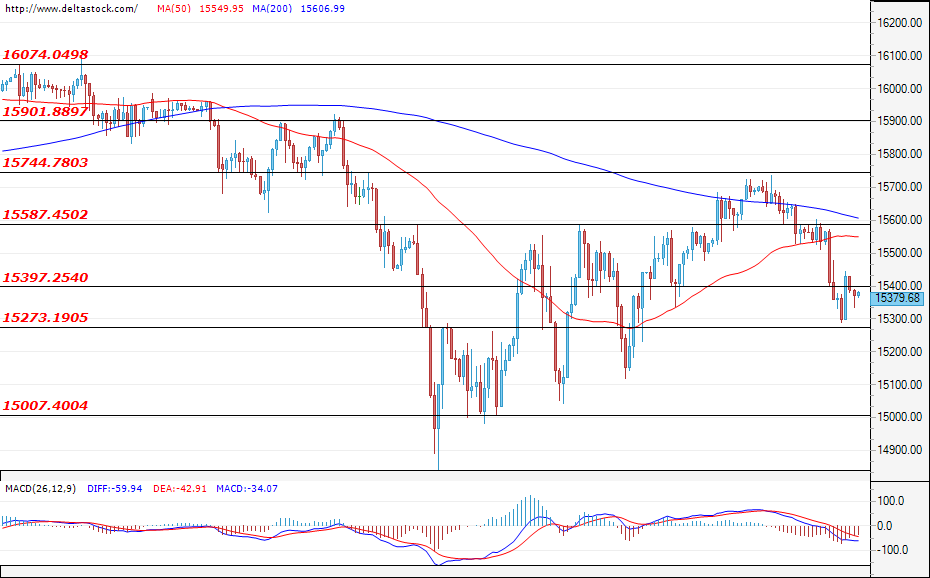
At the time of writing, the German index is trying to breach the resistance zone at 15400, with its first attempt so far being unsuccessful. The economic news, mentioned in the EUR/USD analysis, could affect the volatility of the index during the last session for this week. This, in turn, could determine the future move for the EUGERMANY40, although the higher time frames show us that the range move is remaining intact in the channel of 14800 – 16300.
DOW
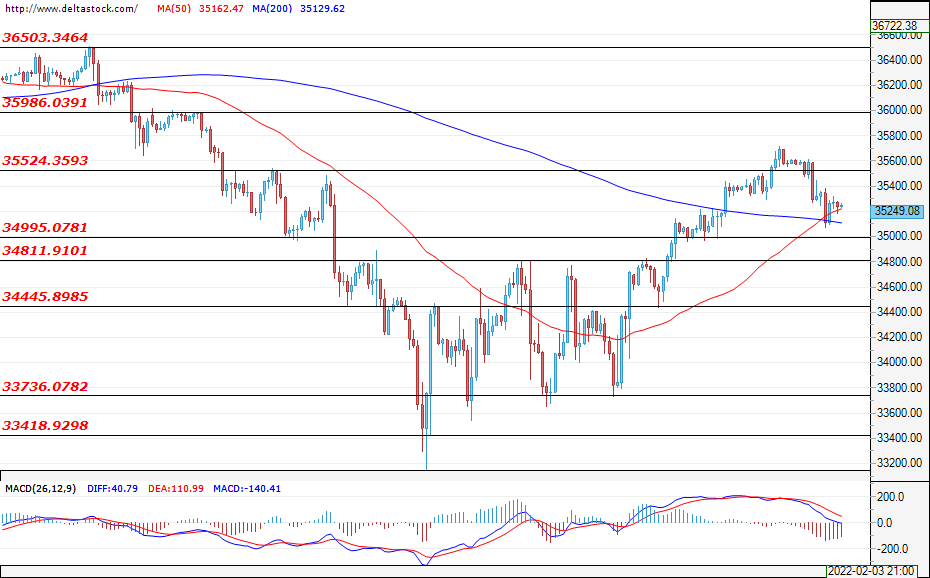
The appreciation of the U.S. blue-chip stock index was limited around the resistance at 35524 and the subsequent decline may deepen further, if the bears manage to gain enough momentum. The announcement of the non-farm payroll change data for the U.S. (today; 13:30 GMT) will play an important role in determining the future direction of the U.S. index. Increased volatility around that time is also expected.
Japanese Bond Markets this Morning Inspired by ECB
Markets
A hawkish hike and a hawkish hold. The Bank of England raised rates by 25 bps to 0.50%, initiated the natural roll off of the balance sheet and will actively start selling from the corporate bond portfolio. Four out of the nine MPC members voted for a 50 bps increase. Inflation is now expected to peak at more than 7% vs 5% previously. If the BoE would follow the market policy rate path (peak rate at 1.5-1.75% by mid-2023), prices would still increase by more than 2% in 2023 and only ease back to/below target in 2024. (Further) tightening policy is necessary to kill off inflation that’s eating away UK incomes/spending and is weighing on growth. UK yields rallied 9.8 to 11.5bps higher. The short end underperformed. Markets pulled forward the next policy milestone, expecting 1% policy rates already in May. This would mean the BoE starts actively selling government bonds.
EUR/GBP briefly hit support at the 0.828 zone but then the ECB came and shocked. There were no changes in policy but there were in the tone. There is unanimous concern on inflation and their upwards risks. Lagarde finally admitted we’re in a different situation and said it needs to be reassessed based on the data. This will happen at the March meeting when inflation forecasts will most certainly be raised to north of 2%, allowing for a quicker end of net buying and a rate hike later this year. Euro area money markets raised their tightening bets and now anticipate more than 40 bps of rate increases. It jolted the front end of the European swap curve by 14.1-15.7 bps! The long end added 2.3 (30y) to 8.9 bps (10y). German yields rose in similar fashion. European yields pulled those in the US 4.2-6.3 bps higher across the curve.
The euro shot up, ignoring the equity selloff in both Europe (-2%) and the US (almost -4%!). This was the trigger the common currency has been waiting for all this time. EUR/USD surged from 1.1304 to 1.144. EUR/GBP closed above 0.84 (from 0.8327). EUR/JPY: from 129.37 to 131.54. And the list goes on.
Japanese bond markets this morning are inspired by the ECB (see below). Asian stocks are surprisingly resilient given moves in Europe and the US yesterday. The German bund continues to underperform USTs. The euro builds on yesterday’s momentum. EUR/USD is nearing a three-month high (1.1456).
US payrolls are today’s headliner. Omicron may have weighed on employment in December. Consensus expects a rather meagre 125k job growth after the disappointing ADP job report earlier this week. Developments on European markets require at least as much attention though. We’re keeping a close eye at market positioning, both in European rates and the currency, now the dust has settled a bit. The picture in EUR/USD definitely turned for the better. First meaningful resistance in EUR/USD is located at 1.1526 but that’s a bridge too far for the time being. The recent surge in European yields may also dial back a bit going into the weekend.
News Headlines
All eyes are on Bank of Japan governor Kuroda after yesterday’s dramatic ECB press conference. He must be the last man standing when it comes to ultra-easy monetary policy. He testified before parliament this morning, stressing that Japanese inflation is low even excluding temporary factors. BoJ member Wakatabe yesterday also warned against premature tightening and even keeps easing options open. Whatever the BoJ says, Japanese interest rates started moving in the other direction. Japanese yields add up to 3 bps this morning with the belly of the curve underperforming the wings. The Japanese 5y yield briefly turned positive for the first time since 2016.The food price index of the UN Food and Agricultural Organization rose 1.1% in January to 135.7, challenging peak levels of 2011. A monthly 4.2% rise in vegetable oils was an important driver, mainly due to supply side constrains. The FAO is concerned the impact of these constraints won’t ease quickly. Dairy prices (+ 2.4% m/m) also increased for the fifth consecutive month due to reduced availability exports from Western Europe and expected lower production from Oceania. The cereal index increased marginally (0.1%), as did the meat index. Sugar was the only subindex to decease (3.1% M/M). Persistent high/rising food prices suggest further upside risks for inflation, especially in developing countries.
Amazon to Reverse Nasdaq Losses, NFP Wages Growth in Focus
Facebook got severely hammered yesterday, and not even a 25% drop could bring in the dip buyers, so one of the biggest tech stocks of America - and the world shed some $250 billion in value in a blink of an eye.
Of course, Facebook’s 26% plunge during the session weighed badly on the S&P500 and Nasdaq. The S&P500 lost about 2.5% while Nasdaq shed some 4%, rapidly giving back the half of the last couple of days gains. The volatility picked up again, with the VXN index, which is a gauge of volatility on the Nasdaq stocks surging back above the 30 mark, as other tech stocks suffered along with Facebook, Apple lost some 1.60%, Google lost more than 3.50%, Netflix more than 5.50%, and Amazon near 8%!
But some of them will find it easier to recover today, and among them we have Amazon, which saw its share price rally near 20% in the after-hours trading after the earnings announcement sounded surprisingly satisfactory to its investors.
Today there are no major earnings on the calendar, so tech investors may enjoy what should be a strong positive session, thanks to … Amazon!
With the most hyped earnings out of the way, we shall start seeing the volatility ease from next week. But the cards are clearly redistributed at the heart of the FAANG – where Apple, Amazon and Google shined, while Facebook and Netflix lost big at this latest earnings season.
A last thing to watch: The US jobs data
The wages growth will be more important than the number of nonfarm jobs added to the US economy at today’s release, because first, we know that the December numbers are heavily shaken by the omicron wave and it’s not representative of the overall health of the US jobs market, and second, even if we see a negative NFP print, it won’t matter much for the Federal Reserve (Fed) expectations.
But the wages growth is important, as higher wages mean a stickier inflation and a stickier inflation means a more hawkish Fed policy, and a more hawkish Fed policy means less liquidity and less appetite for investors.
Wages may have grown more than 5% in the US in January, which would be the biggest growth since March last year, and has the potential to revive the Fed hawks. But the good news is, the Fed hawks have gone so far lately that, even a strong growth in wages wouldn’t do much to the overall market mood. The game is now being played on the earnings front, and the latest reaction to Amazon earnings hints that we will probably have a good session before the weekly closing bell.
She finally said it!
The European Central Bank (ECB) President Christine Lagarde finally said that inflation in Europe would last longer than they expected due to the soaring energy prices. Brava!
At yesterday’s press conference, Lagarde affirmed that the ECB is now ready to adjust all tools as appropriate; this could mean a quicker end of the bond purchases, and a rate hike!
March update to projections will be decisive in what the ECB will do next, but we already know that March projections will include high inflation, and will probably say ‘raise the rates Christine!’.
Money markets are already pricing in a 10bp hike from ECB by July this summer. The EURUSD rallied to 1.1470 post-ECB, pulling out its 100-DMA for the first time since last June. The next important resistance stands near 1.1550, which is the 38.2% Fibonacci retracement on last May – this January decline, which should distinguish between the actual negative trend and a medium-term bullish reversal. So, we have a thick layer of 1.15/1.1550 offers to be cleared before we call the end of the weak euro against the US dollar.
Against the pound it’s a whole different story, as the Bank of England (BoE) is already raising the interest rates and the less dovish ECB could give a relief to the EURGBP, but it may not reverse the medium term negative trend in the euro-pound. Because, although a 25bp hike was largely expected from the BoE at yesterday’s meeting, seeing four members over nine voting for a 50bp hike came a surprise and as a warning that the rate hikes in the UK may continue in the coming meetings. Will that help pushing Cable to the 1.40 level is yet to be seen, as yesterday’s hawkish shift couldn’t keep the pair above the 1.36 mark, even with a broadly relaxed US dollar.
And speaking of the dollar, the US dollar index is again testing its 50-DMA to the downside, and it could be a good level for the dupbuyers to join the USD longs as the hawkish Fed expectations are here to stay.
Oil Price Moving Higher Towards $90.00 Level
Crude oil price started a fresh increase above the $85.00 resistance against the US Dollar. The price remained well bid and it even surpassed the $88.00 level.
There was a close above the $88.50 level and the 50 hourly simple moving average. A new multi-month high is formed and the price is now moving higher towards the $90.00 level.
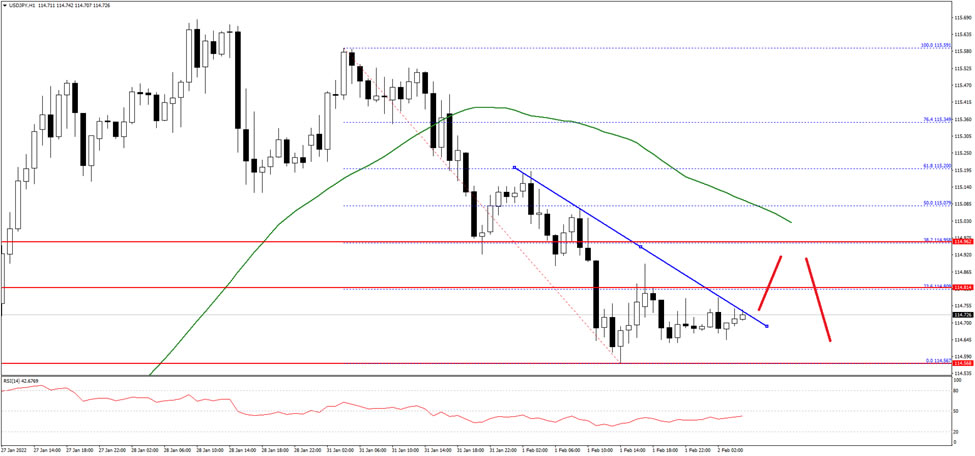
An immediate resistance is near $90.00 on FXOpen. A break and close above the $90.00 level might for more upsides. The next key resistance is near the $92.00 level, above which the price might rise steadily towards the $95.00 resistance level.
On the downside, the previous resistance at $88.80 might act as a support. Any more losses might call for a test of $87.50 and the 50 hourly simple moving average in the coming sessions.
EURCAD, EURUSD Rise after Hawkish Comments by Lagarde
The EURUSD pair rose sharply after the latest interest rate decision by the European Central Bank. The pair initially moved sideways and then rose during the speech of Christine Lagarde. In its statement, the country’s central bank said that it will leave interest rates unchanged until inflation moves comfortably above 2%. However, in her press conference, Lagarde refused to rule out an interest rate hike this year. Analysts believe that the rate hike will happen in the third or fourth quarter. The 10-year German bund rose to the highest level in almost three years.
The US dollar index declined against most currencies in the overnight session. It declined mostly because of the strong performance of the euro and British pound after the ECB and BOE decisions. The currency also retreated because of relatively weak initial jobless claims numbers. Later today, it will react to the latest US initial jobless claims numbers. Analysts expect the data to show that the country’s unemployment rate remained unchanged at 3.9% in January. They also expect that the economy created over 150k jobs in January. On Wednesday, data by ADP revealed that the country’s private sector lost more than 300k jobs.
American stocks declined sharply as investors continued to dump technology stocks. One of the worst-performing stocks was Facebook, whose shares declined by 25%. The decline was because of the company’s weak earnings and challenging environment. As a result, other social media-focused companies like Snap, Pinterest, and Twitter also declined. Most growth stocks have crashed by more than 30% from their all-time high.
EURUSD
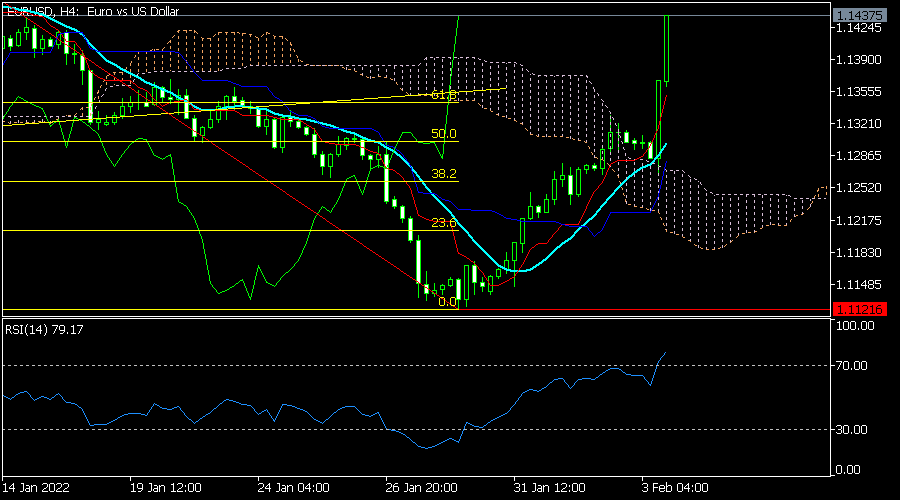
The EURUSD pair continued its bullish momentum after the hawkish statement by Christine Lagarde. It jumped to a multi-high week high of 1.1435, which was substantially higher than last month’s low of 1.1120. On the four-hour chart, the pair has moved above the 25-day moving average and the Ichimoku cloud. It is also fast-approaching its highest level in January. Therefore, there is a likelihood that the pair will continue rising ahead of the NFP data.
GBPUSD
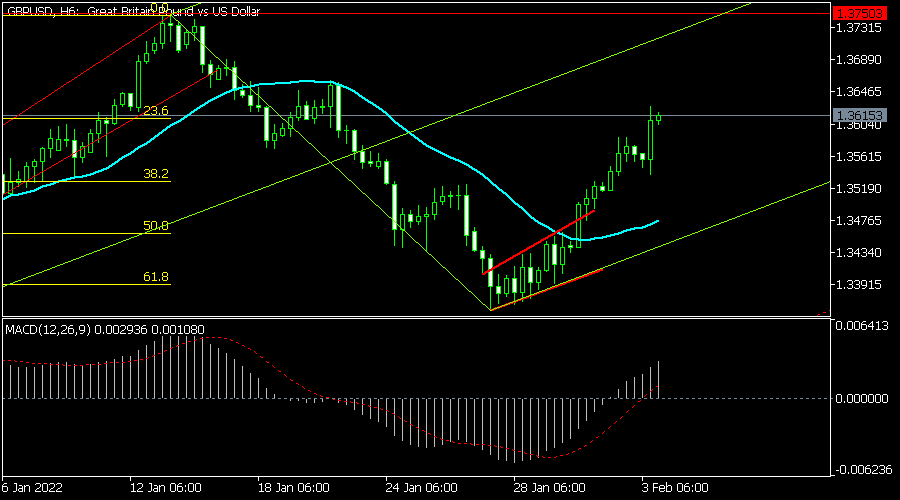
The GBPUSD pair has been in a strong bullish trend lately. The pair jumped to a high of 1.3615, which was the highest level since January. On the four-hour chart, the pair is approaching the median line of the Andrews Pitchfork tool. It has also moved to the 23.6% Fibonacci retracement level. It also moved above the 25-day moving average. The path of the least resistance for the pair is to the upside.
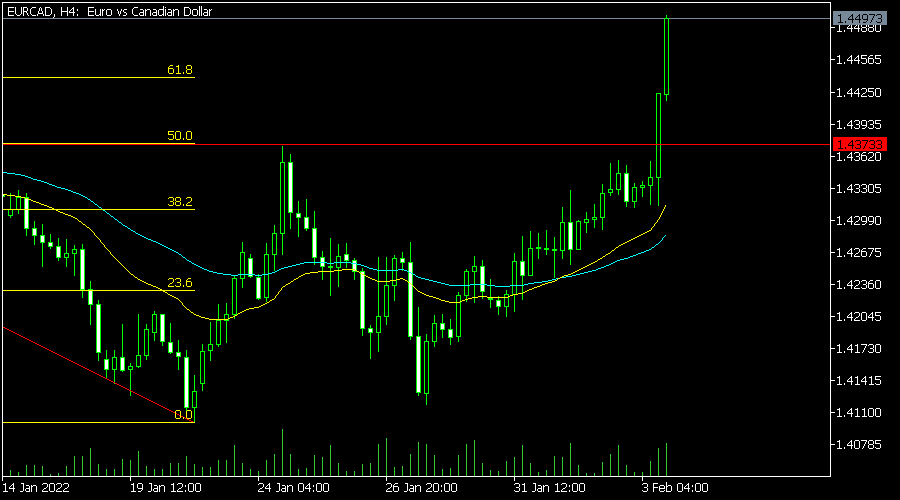
EURCAD
The EURCAD pair also jumped sharply after the ECB decision and ahead of the latest Canadian jobs numbers. It rose to a high of 1.4500, which was the highest level since December 30. On the four-hour chart, the pair moved above the 61.8% Fibonacci retracement level. It is also along the upper side of the Bollinger Bands. Therefore, the pair will likely keep rising although a pullback is also possible ahead of the Canada jobs numbers.