Sample Category Title
Stock Selloff Eases as Fed and BoC Awaited
- Fed’s and BoC’s inflation-fighting credentials to be put to the test
- Dollar steady, yen pulls back as Fed and Ukraine jitters subside slightly
- Wall Street survives another rollercoaster session, Microsoft earnings lift futures
Will Powell scare markets or soothe the panic?
All eyes are on the Fed today as investors search for some much-needed policy guidance amid spiralling inflation, growing doubts about the economic outlook and geopolitical tensions in Eastern Europe. The FOMC decision itself, due at 19:00 GMT, is not expected to spark any fireworks, though there’s a small risk the Fed might decide to end its asset purchases even earlier. Chair Powell’s press conference 30 minutes later will be the main highlight as markets will try to get a sense of how fast policymakers want to move in terms of normalizing policy.
Powell will likely give his blessing to the fully priced rate hike in March but what exactly comes after that is open to debate. There is no dot plot chart at the January meeting so Powell’s tone will be very important in dictating sentiment. Should he signal that more than one rate hike per quarter might be needed to fight inflation, that could send stocks spinning again.
Another hot issue for the markets right now is the timing and pace of the Fed’s balance sheet reduction plan. Powell is unlikely to reveal much at this point so it will all come down to how worried he will sound about inflation and whether he will attempt at all to ease investor fears that the Fed may end up tightening policy too aggressively.
BoC: a ‘surprise’ rate hike?
The Bank of Canada will announce its decision a few hours before the Fed and may opt to get a head start on rate increases even though its last guidance didn’t foresee such a move before April the earliest. With a strong labour market and inflation at a 30-year high in Canada, a surprise rate rise is more than possible from a central bank that has a history of shocking markets. Although it wouldn’t exactly be considered much of a surprise when rate hike odds are as high as 80%.
Hence, it’s questionable whether the Canadian dollar will be able to make another push for the recent high of C$1.2450 per dollar level in the near term.
Dollar firm, pound shrugs off ‘partygate’ debacle
The greenback’s latest resurgence has quashed the mild rebound that the riskier currencies were enjoying in December and early parts of January when the loonie, along with the pound saw the strongest recovery.
The US dollar index is currently trading near two-week highs, climbing back above the 96.0 level and awaiting fresh direction from the Fed. The yen, however, gave up some of its recent gains as safe haven flows eased somewhat amid no fresh escalation in the standoff between Washington and Moscow over Ukraine.
The pound was steady around $1.35, showing few nerves even as things keep getting worse for UK Prime Minister Boris Johnson, who is being investigated for holding a birthday party during lockdown. The next 24 hours could be critical for Johnson when the report into the ‘partygate’ debacle is expected to be published.
Microsoft helps stocks perk up, Tesla and Fed tests still to come
In equity markets, most stocks were in the green, though some Asian markets remained under pressure. European shares opened strongly higher, extending their gains into a second day, despite another wild session on Wall Street on Tuesday.
US stocks fell at the open, started rebounding in late trading, before taking a tumble right before the close. The S&P 500 ended the day 1.2% lower, while the Nasdaq Composite slipped 2.3%. The volatility soon settled down afterwards, however, after Microsoft cheered markets by predicting its cloud unit will enjoy faster growth in the current quarter, following slightly disappointing growth in the reported period.
Microsoft shares were up more than 3% in pre-market trade and US e-mini futures were sharply higher on Wednesday, led by Nasdaq futures, which were last quoted up 2%.
However, there’s plenty of tests to come for the markets, as aside from the Fed meeting, Tesla will announce its earnings after the closing bell.
Canadian Dollar Jumps ahead of BoC Decision
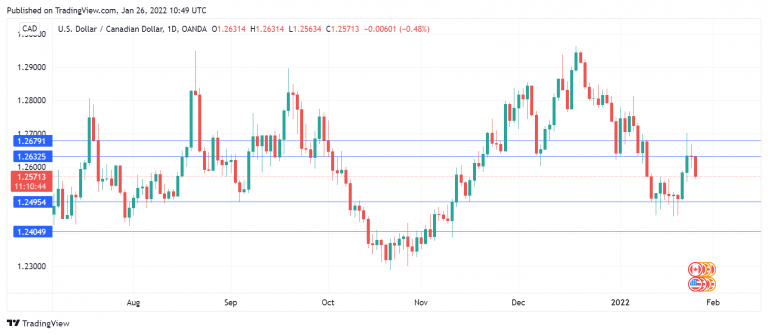
The Canadian dollar is usually sleepy before the North American session. Today has been unusual, with the currency showing recording steady gains in the Asian and European sessions. USD/CAD is trading at 1.2564, down 0.53% on the day, in anticipation of a rate hike from the Bank of Canada later today.
BoC expected to raise rates
It’s a busy day on the central bank watch, with the BoC making their rate announcement followed by the FOMC meeting. Most economists do not expect the BoC to raise rates, but the markets are more hawkish and have priced in a 0.25% rate hike at 70%. The labor market is robust and inflation is running at a 30-year high. In normal times, this would virtually guarantee a hike, but these are not normal times. The Omicron variant continues to spread rapidly and many provinces have renewed health restrictions. The BoC is expected to revise downwards its growth forecast for Q1 and would prefer not to make any moves during a pandemic, but the surge in inflation may prove to be too much for the bank to ignore.
If the BoC does press the rate trigger, USD/CAD should continue to fall towards the symbolic 1.25 line. However, if the bank opts to stay on the sidelines, there would be some disappointment from investors and I would expect USD/CAD to strengthen. The FOMC meeting will also impact on the movement of the pair, which means that the Canadian dollar’s biggest moves should be against the pound, euro and New Zealand and Australian dollars.
The Fed policy decision follows the BoC, with no rate move expected. However, the likelihood of a March lift-off stands at 94%, making it a virtual certainty. The key question swirling in the markets is how aggressive will the Fed be in 2022. The baseline assumption is that the Fed will implement four rates hikes of 0.25% each. Still, the risk of additional hikes, given the surge in inflation, is tilted towards the upside. Will Fed Chair Powell confirm a March move? If so, the US dollar should move higher. If, on the other hand, Powell suggests that inflation could ease after a few hikes, we should see a risk-on mood in the markets which will weigh on the US dollar.
USD/CAD Technical
- There is support at 1.2495 and 1.2405
- 1.2632 was tested in resistance on Tuesday, but has some breathing room. Above, there is resistance at 1.2679
USDJPY Constricted by MAs But Bearish Tone Yet to Dominate
USDJPY is currently being squeezed between the 50- and 100-day simple moving averages (SMAs), also finding its feet on the lower Bollinger band in recent sessions, following the correction from the 5-year high. The longer-term SMAs continue to endorse the broader uptrend, while the slightly weakened incline of the 50-day SMA is reflecting the latest retreat in the pair.
The short-term oscillators are sending mixed messages in directional momentum. The MACD is falling beneath its red trigger and zero lines, while the RSI and the positively charged stochastic oscillator are promoting upside price action in the pair. The RSI is pointing north, nearing its 50 threshold and the stochastic %K line has rebounded off the 20 oversold level and over the %D line.
In the positive scenario, preliminary resistance could arise from the capping 50-day SMA at 114.30 ahead of a limiting area, between the mid-Bollinger band at 114.76 and the nearby high of 115.05. Rising beyond these obstacles, the price may then target the 116.00-116.34 zone of resistance. Should buyers overcome this fortified barrier, which includes the upper Bollinger band and the 5-year peak, the 116.87 high, identified in January 2017, could then come under attack.
Otherwise, if the 50-day SMA dismisses any positive developments in the pair, buyers could then try to create a foothold in the space between the 100-day SMA at 113.41 and the 113.13 low. If this region fails to provide the pair with support, the November and December 2021 troughs around 112.72 along with the April 2019 rally peak of 112.40 could forge a strong base. Moreover, the 112.00-112.22 adjacent border, extending back to February 2020, may further fortify upside defences.
Summarizing, USDJPY has managed to keep the broader uptrend intact above the 112.40-112.72 base. Furthermore, the current neutral-to-bullish tone in the pair is active north of the 100-day SMA at 113.41, and a price jump above 115.05 could fuel optimism. That said, for sellers to reinforce a negative trajectory, they would need to pierce beneath the buffer zone existing from 112.72 until 112.00.

GBPJPY Meets Resistance at 200-SMA; Bearish Forces Persist
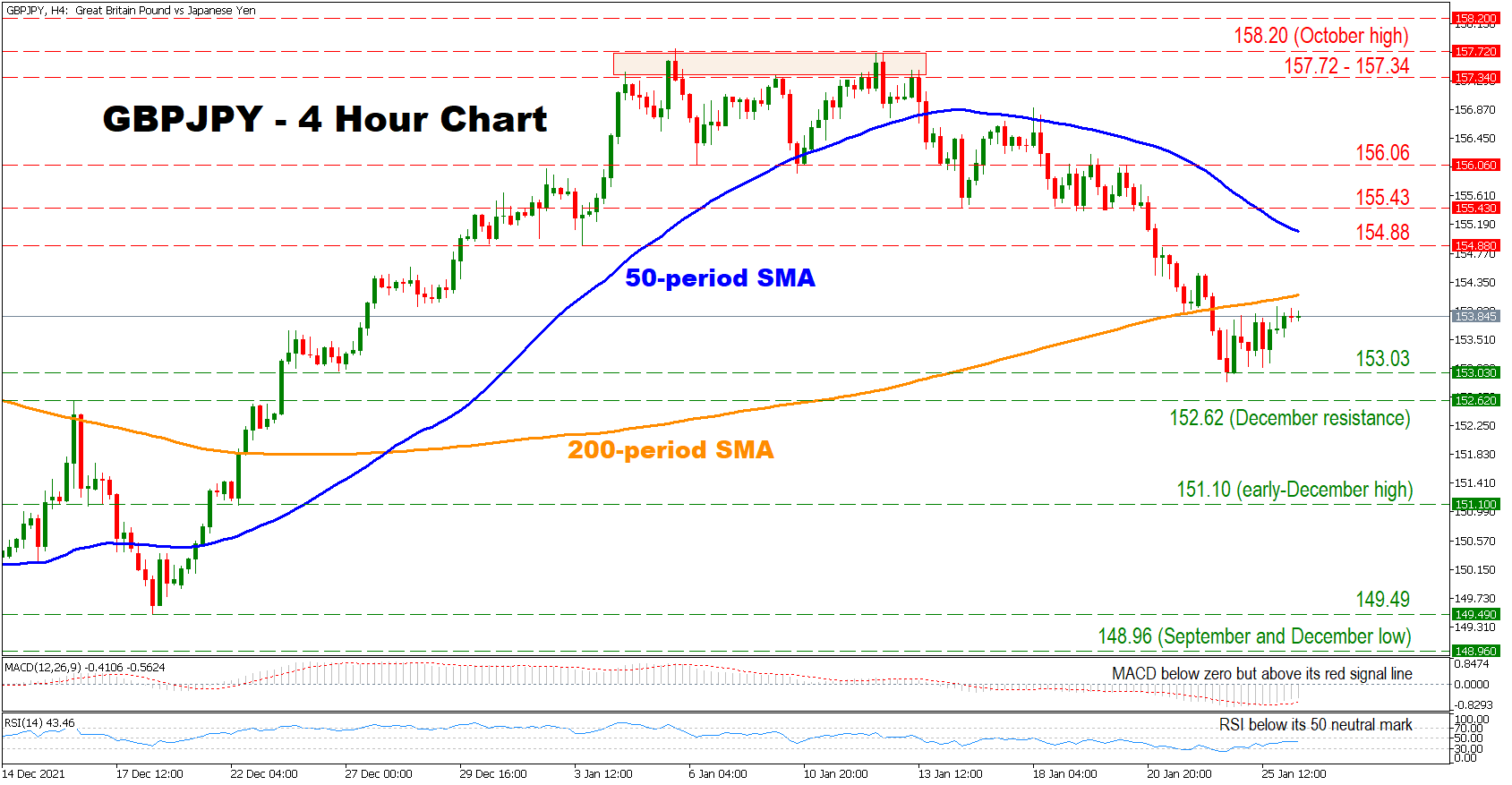
GBPJPY continues its retreat from its early-January high amid persisting negative forces. Moreover, the pair has recently crossed below its 200-period simple moving average after breaking under its 50-period SMA, supporting its cautiously bearish outlook.
Short-term momentum indicators are reflecting a mixed picture as the RSI is located below its 50 neutral mark. However, the MACD is found above its red signal line despite being in negative territory, which indicates that the negative momentum might be fading.
Should the bears maintain control, immediate support might be found at the 153.03 hurdle before sellers eye the 152.62 barrier. A break below that point could open the door towards the 151.10 obstacle. A decisive move below the latter could increase selling pressures, sending the price to test the 149.49 level before sellers shift their attention towards the September and December low at 151.10.
On the flip side, if the bulls seize control, initial resistance might be found at the 200-period SMA currently at 154.16. Crossing above that point buyers might then target the region which includes the 154.88 barrier and the 50-period SMA currently at 155.08. A break above this area could turn the fortunes around for the pair, sending the price to test the 155.43 and 156.06 hurdles sequentially.
In brief, the current outlook for the pair is cautiously bearish. For sentiment to change, buyers would need to break above the 50-period SMA.
EURJPY Finds Some Footing But Bears Keep the Lead
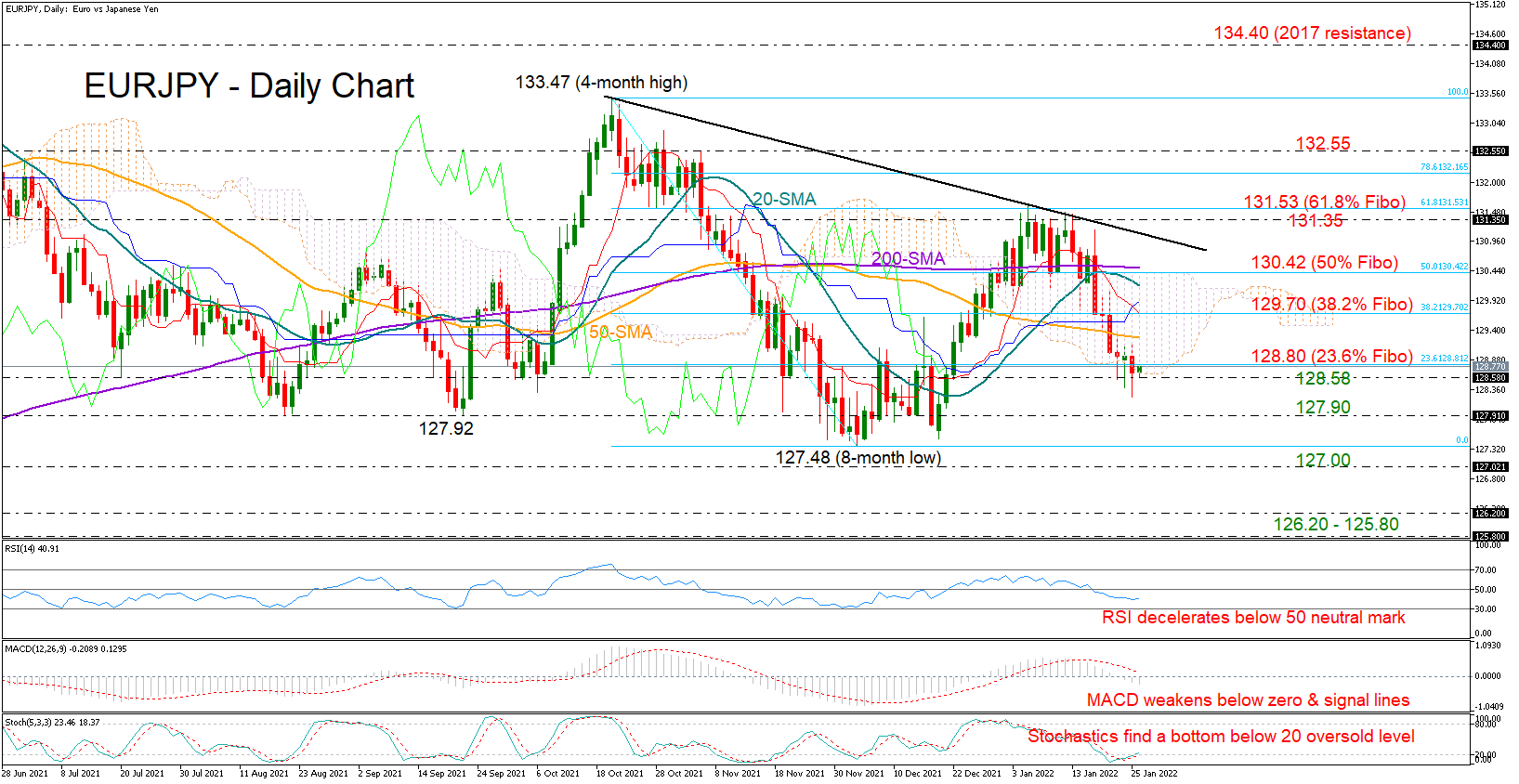
EURJPY slid to a one-month low of 128.23 on Tuesday but managed to close the day within the 128.80- 128.58 tight support area, clinging to a ray of hope that a bullish reversal could develop in the short term.
While the Stochastics are pivoting below 20, flashing oversold conditions, the RSI and the MACD continue to trend downwards within the bearish territory, suggesting the three-week-old sell-off could gain extra legs before the bulls come into play. The recent negative intersection between the red Tenkan-sen and Kijun-sen lines is backing this narrative as well.
If the 128.58 floor cracks, the price could initially pause within the August-September support region of 127.92 before it tests the 127.48 bottom. Crossing below the 127.00 level, the bears may next target the 126.20 – 125.80 restrictive zone, last active during the December 2020 – January 2021 period.
On the upside, if the price crawls above the nearby 128.80 resistance, which represents the 23.6% Fibonacci retracement of the 133.47 – 127.48 down leg, the 50-day simple moving average (SMA) could immediately block the way towards the 38.2% Fibonacci of 129.70. Running higher, the pair may seek a close above the 50% Fibonacci and the 200-day SMA both near 130.42, though a decisive rally above the tough descending trendline at 131.14 would be more meaningful, especially if that is followed by a break above the 61.8% Fibonacci of 131.53 and the previous peak of 131.59.
In brief, EURJPY is in bearish mode in the short-term picture. A close below the 128.58 bar could bolster selling forces.
Euro Drifting ahead of FOMC Meeting
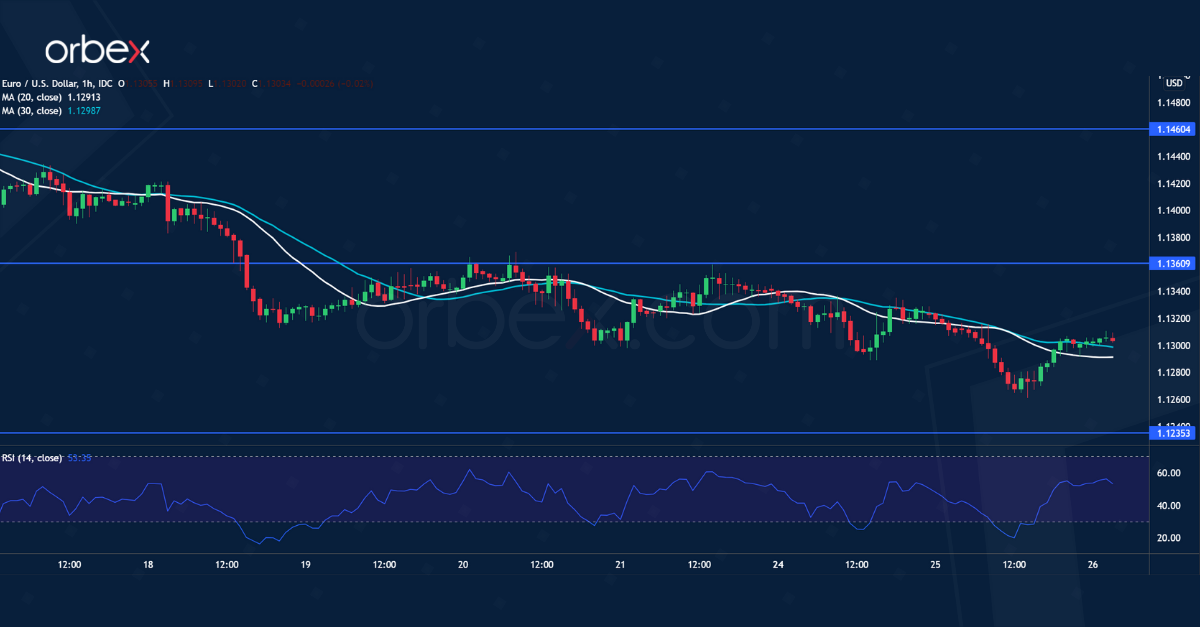
The euro continues to have a quiet week and is trading just shy of the 1.13 level.
All eyes on FOMC
It has been a calm week for the euro, but that could change later today when the FOMC releases its policy decision. Fed policy makers are in an unenviable position, as they strive to find that proper balance between responding to the inflation threat while also being careful not to be overly aggressive in raising interest rates. If the markets feel that the Fed has not achieved this delicate balance, it will let the central bank know loud and clear and we’ll see volatility in the financial markets after the meeting. Powell & Co. have done a good job telegraphing the markets and being transparent, and effective communication ahead of the lift-off of rate hikes will be crucial for market stability.
The Fed is virtually certain to raise rates in March, with FedWatch pegging the likelihood of a hike at 94%. The key question swirling in the markets is how aggressive will the Fed be in 2022. The baseline assumption is that the Fed will implement four rates hikes of 0.25% each. Still, the risk of additional hikes, given the surge in inflation, is tilted towards the upside. There is also the possibility of a 0.50% rate hike during the year, which would send a strong message to the markets that the Fed is determined to put a lid on inflation.
Another factor on the minds of investors is the tense stand-off between Russia and NATO over Ukraine. The US has said it is ready to send 8500 troops to Eastern Europe on short notice, but they will not be deployed in Ukraine. The crisis has escalated into a powder keg which could explode at any time. If Russia invades Ukraine, risk sentiment would sink and the safe-haven US dollar would likely jump at the expense of the other major currencies.
EUR/USD Technical
- In the European session, EUR/USD tested support at 1.1285. Below, there is support at 1.1226
- There is resistance at 1.1359 and 1.1418
Daily Technical Analysis
EUR/USD
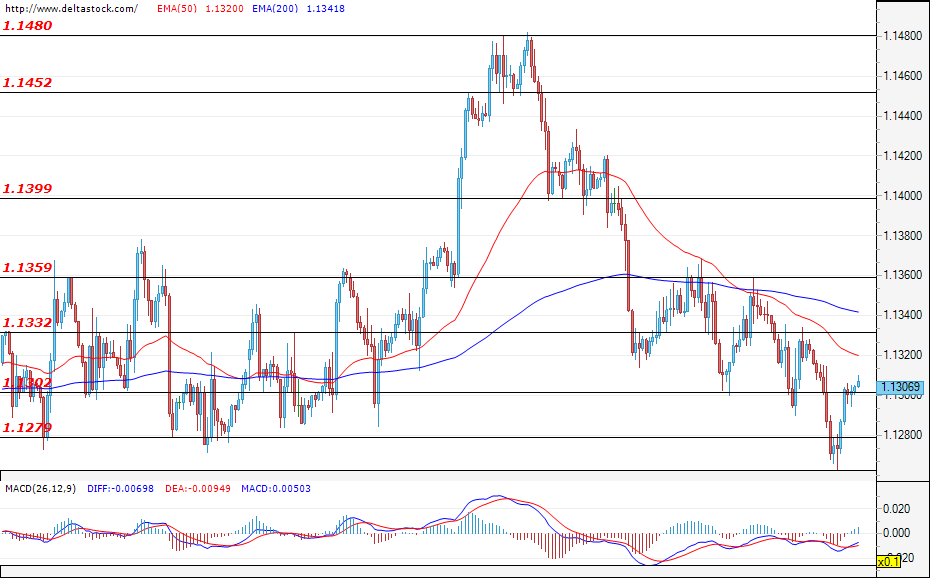
During yesterday's trading session, the currency pair made an unsuccessful attempt at breaching the critical support at 1.1280 and, at the time of writing, it is heading back towards the resistance level of 1.1330. The forecast is for the retracement to be limited by the resistance level of 1.1360 and for the bears to charge the mentioned support at 1.1280 again afterwards. A spike in volatility is possible in the last hours of the trading session when the U.S. Federal Reserve interest rate decision is to be announced (19:00 GMT).
USD/JPY
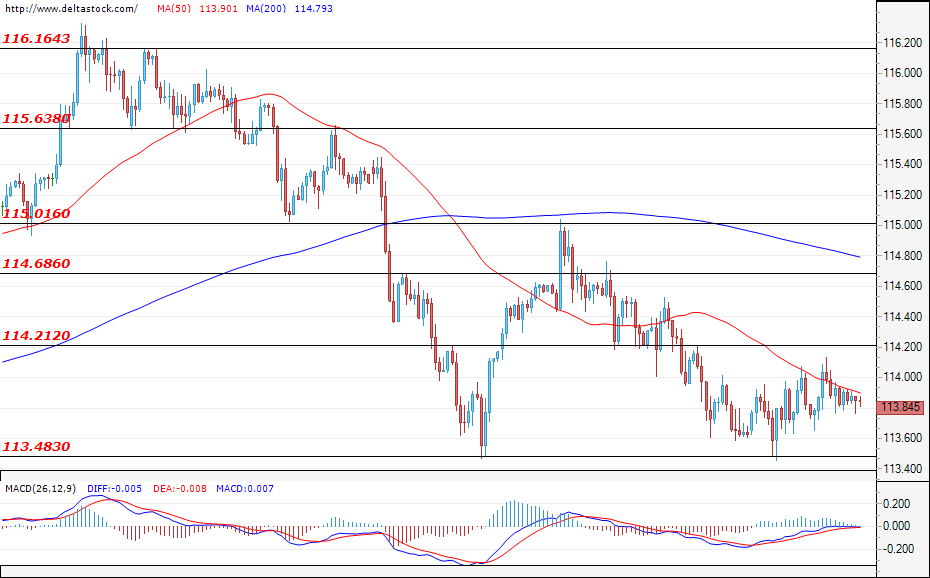
During the last couple of days, the currency pair has been trading in the narrow range of 113.48 – 114.21 and the forecast is for the Ninja to trade in this range during most of the day as investors will be awaiting the announcement of the U.S. Federal Reserve interest rate decision (19:00 GMT). A possible breach of the lower border of the range could lead to a decline towards the support zone at 113.00, while a breach of the upper border would let the bulls attack the resistance at 114.70.
GBP/USD
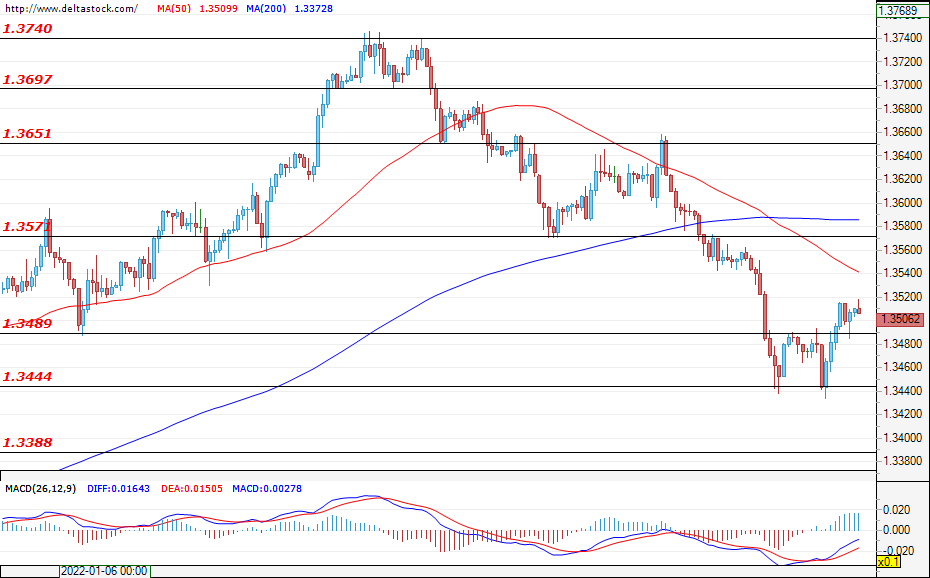
After the unsuccessful test of the support level of 1.3444, the Cable entered a corrective phase and yesterday breached the resistance at 1.3490. The expectations are for the currency pair to consolidate in the zone just above 1.3490 until the U.S. Federal Reserve interest rate decision is announced (19:00 GMT). After that, the pair would either launch another attack on the support at 1.3444 or deepen the corrective phase by attacking the resistance at 1.3571.
EURGERMANY40
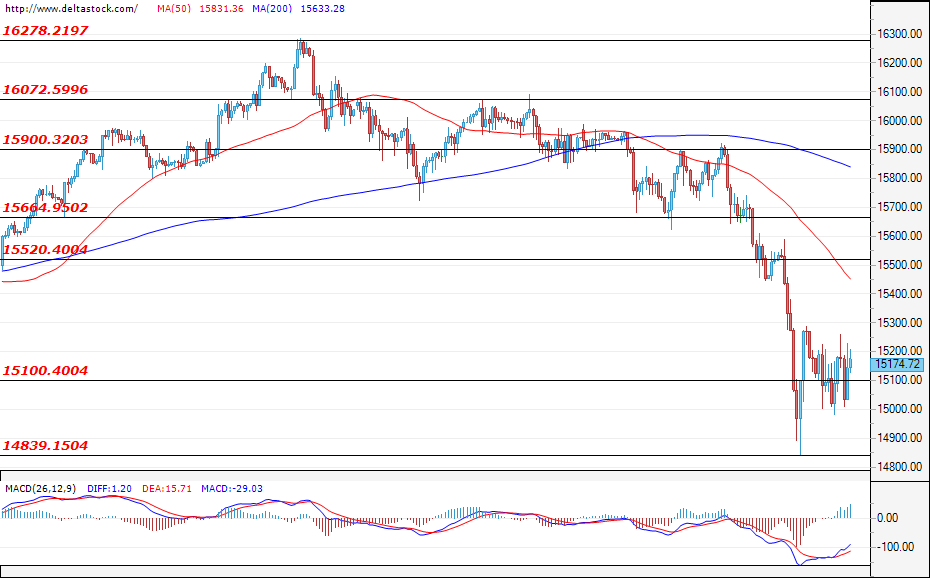
The sell-off was halted at the level of 14840 and the German index managed to recover a minor part of its losses. At the time of writing, the index is consolidating in the zone at around 15100. The expectations are for the corrective phase to continue for a couple more days and for the bears to regain control and re-test the local bottom at 14840 afterwards. In the positive direction, the first significant resistance lies at 15520, which is expected to limit the corrective phase.
US30
During yesterday's trading session, the U.S. blue-chip index managed to partially recover its losses from the past couple of days and, at the time of writing, is headed towards a test of the resistance level of 34541. In case the US30 manages to breach this resistance, then the recovery might continue towards the zone at around the psychological level of 35000. Alternatively, if the bears return to the market, then we could easily witness a new test of the local bottom at 33418. A spike in volatility is very likely in the last hours of the trading session when the U.S. Federal Reserve interest rate decision is to be announced (19:00 GMT).
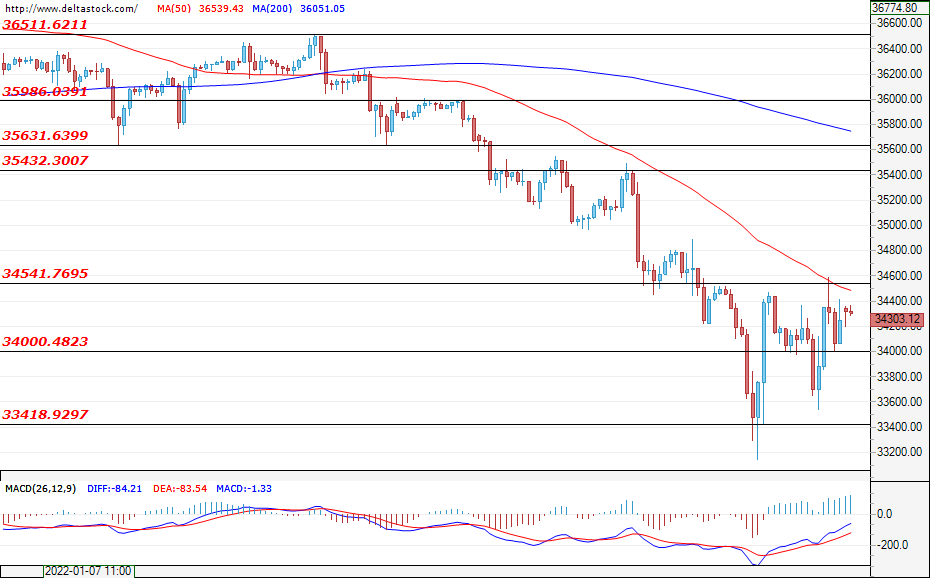
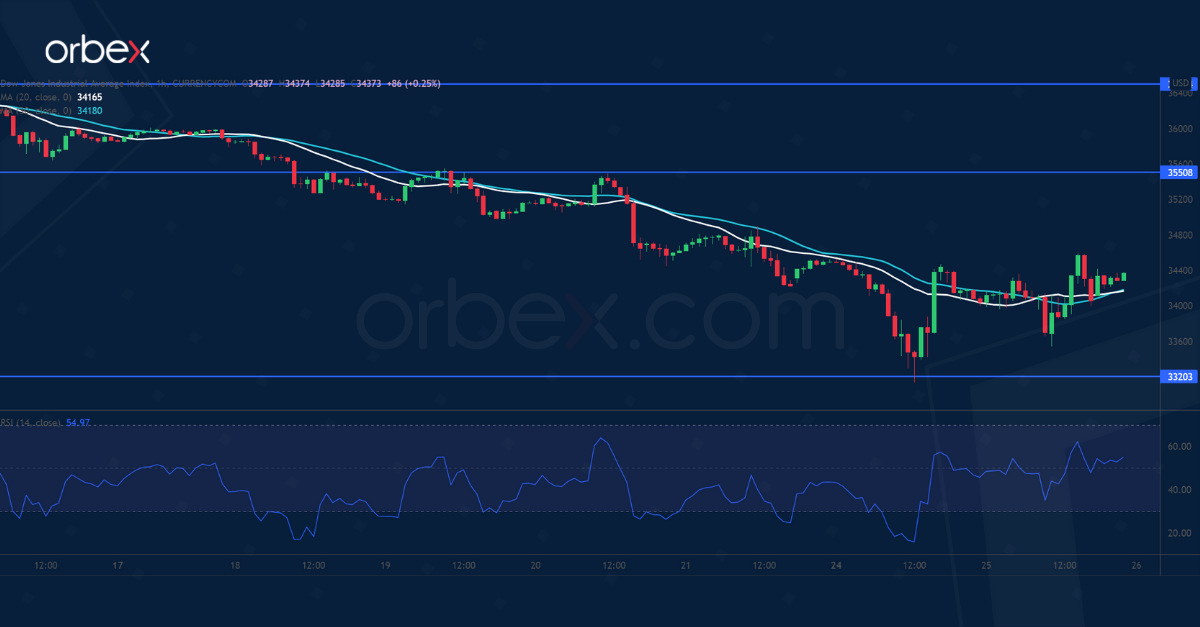
US 30 Hits Last Major Support
The Dow Jones 30 recoups losses as traders await details on the Fed’s monetary tightening.
Breaks below daily supports at 34700 and 34000 have forced buyers to liquidate in bulk. The index saw bids at last June’s low (33200) while the RSI sank into the oversold area on the daily chart. As the quote stabilizes, traders may be looking to buy the dips.
A close above 34500 may lead to 35500 which is a key supply zone from a previous breakout. A break below the daily support could trigger a broader correction in the weeks to come.
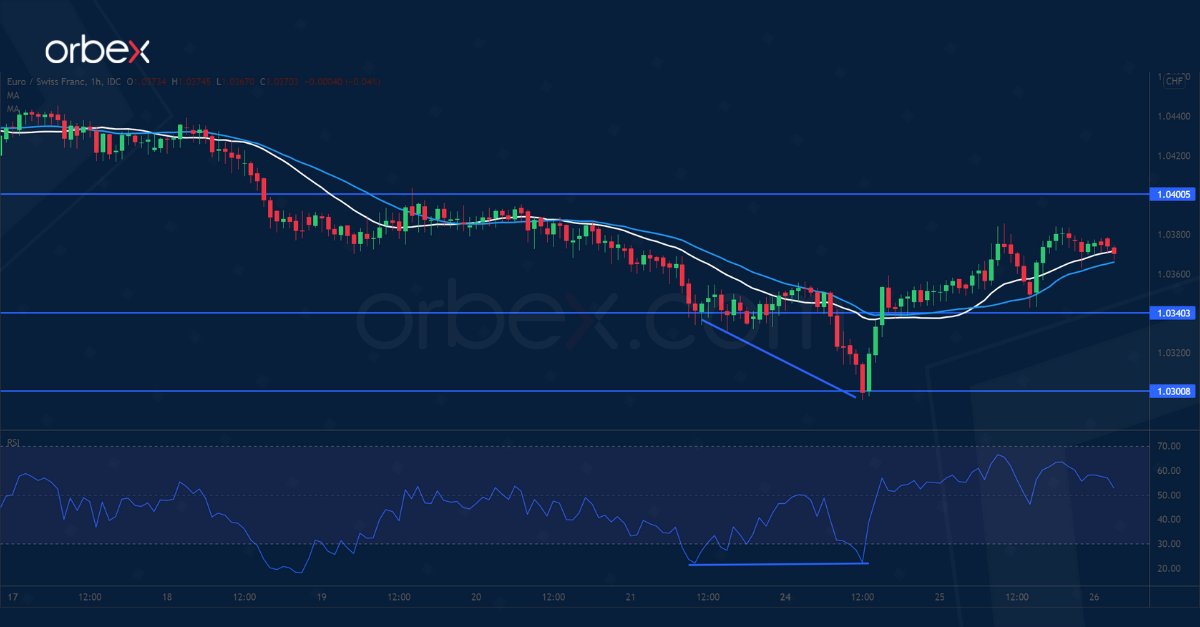
EUR/CHF Attempts Reversal
The safe-haven Swiss franc retreats as global panic selling takes a breather.
A bullish RSI divergence shows a slowdown in the sell-off momentum. Then a rally above 1.0355 has prompted some sellers to cover, taking the heat off the single currency. A bullish MA cross is an encouraging sign for a reversal.
1.0400 is the next hurdle and its breach could be a turning point for traders’ sentiment and a launchpad towards 1.0480. On the downside, 1.0340 is fresh support and then 1.0300 a critical floor to safeguard the rebound.
EUR/USD Grinds Daily Support
The US dollar inches lower as traders take profit ahead of the Fed meeting. The euro’s struggle to stay above 1.1360 indicates buyers’ weak interest in holding onto previous gains.
The latest rebounds have failed to clear the former support that has turned into a resistance. A break below the previous consolidation range and daily support (1.1280) could send the pair to 1.1235.
The RSI’s oversold situation attracted some buying interest. But the bulls will need to lift 1.1360 first before a reversal could become a reality.