Dallas Fed President Lorie Logan pointed out the role of higher term premiums, noting their impact on term interest rates. “Higher term premiums result in higher term interest rates for the same setting of the fed funds rate, all else equal”.
Logan elaborated on this delicate interplay, stating, “If long-term interest rates remain elevated because of higher term premiums, there may be less need to raise the fed funds rate.”
Further expanding on this, Logan remarked, “Thus, if term premiums rise, they could do some of the work of cooling the economy for us, leaving less need for additional monetary policy tightening.”
This suggests a potential offsetting force; should term premiums rise, the economy could experience a natural cooling, thereby alleviating some of the pressure on Fed to intervene.
However, Logan also emphasized the importance of understanding the root causes behind shifts in long-term interest rates. “To the extent that strength in the economy is behind the increase in long-term interest rates, the FOMC may need to do more.”
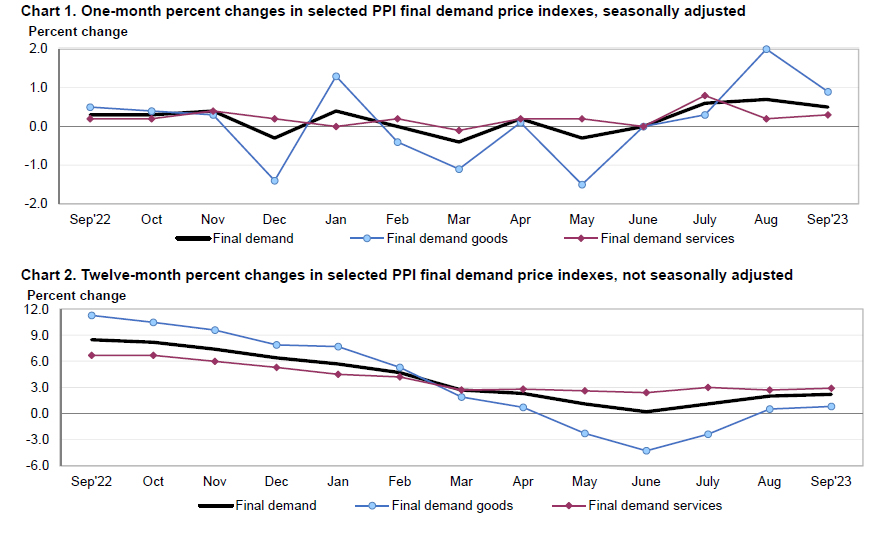
Inflation, as has been the case for many months, remains a focal point of concern. Logan made it abundantly clear that inflation hovering above comfort levels is a significant risk. “Inflation remains too high, the labor market is still very strong, and output, spending, and job growth are beating expectations,” she acknowledged.
High inflation, according to Logan, is the predominant risk that requires meticulous attention. “We cannot allow it to become entrenched or reignite,” she warned.
Logan’s remarks also encapsulated a vigilant and adaptive approach to monetary policy. “I will be carefully evaluating both economic and financial developments to assess the extent of additional policy firming that may be appropriate to deliver on the FOMC’s mandate,” she affirmed.






Fed minutes show majority leaning towards further rate hike
In the minutes from Fed’s September 19-20 meeting, while “a majority of participants” believed another rate increase might be in order, a contrasting view was held by “some” who deemed no further hikes necessary.
A unanimous consensus was evident among all attendees that the existing policy stance needs to “remain restrictive for some time”. The chief rationale behind this unified sentiment is to ensure that inflation trends downwards in a sustained manner to Fed’s target.
An interesting shift in communication strategy was proposed by “several participants”. They emphasized that discussions and subsequent messaging should transition from deliberating the potential height of rate hikes to determining the duration for which rates should be maintained at these elevated, restrictive levels.
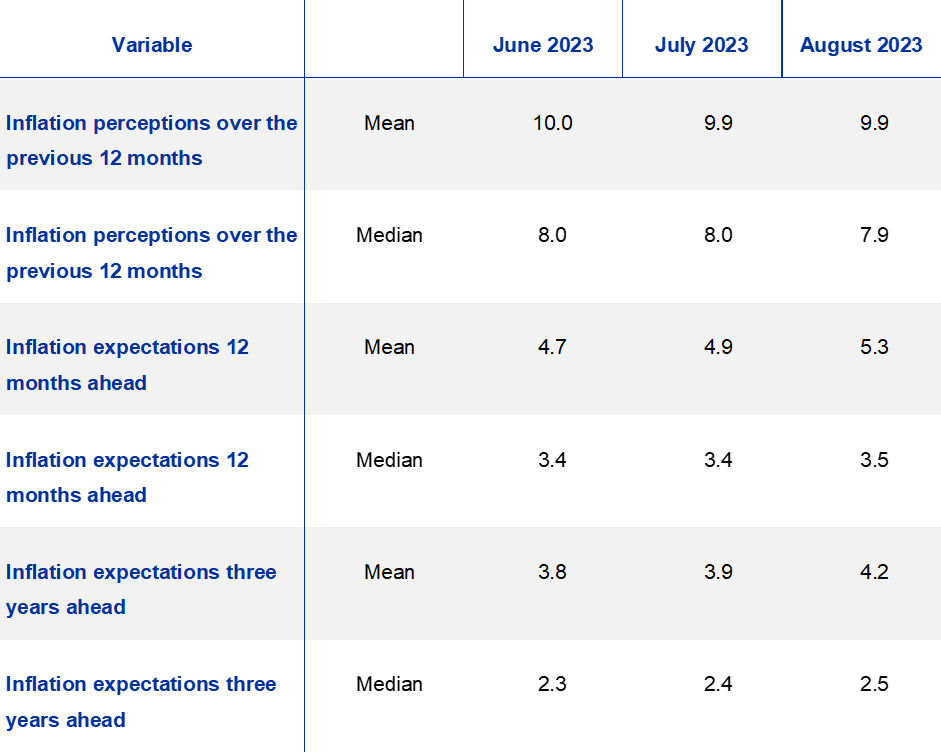
In terms of gauging risks, participants “generally judged” that challenges to fulfilling the Fed’s mandates had become “more two sided”. However, a lingering concern persists. Despite this balanced view of risks, “most participants” continued to see upside risks to inflation.
Full FOMC minutes here.