

Sample Category Title
Sterling rises broadly, pressing resistance against Dollar and Euro
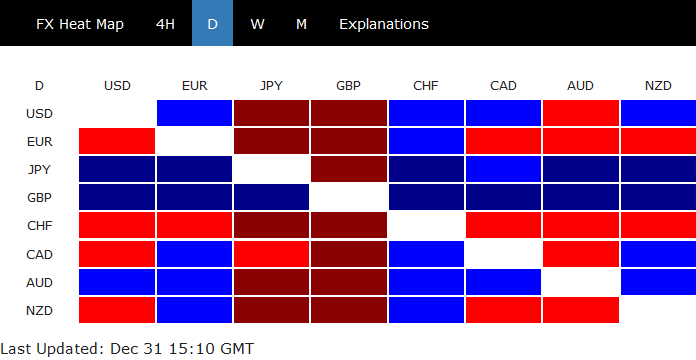
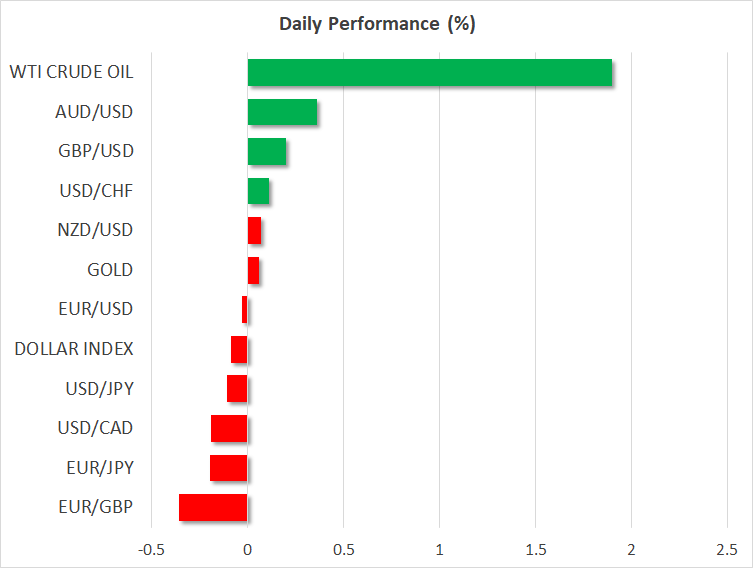
Sterling is overwhelmingly the strongest one today, followed by Japanese Yen. Aussie seems to be the third strongest, but it's momentum is actually far behind the two. On the other hand, Swiss Franc is leading the way down, followed by New Zealand and then Canadian Dollar.
While the market is thin on holiday, Pound's strength could be an indication that trader are already starting to adjust their positions. That comes well ahead of the highly anticipated parliamentary vote on Brexit deal in the week of January 14. For now it's still unlikely for Prime Minister Theresa May's Brexit agreement to enough votes for approval. And May is seeking political and legal assurances from the EU regarding the Irish backstop.
Such deadlock should be well understood by the EU. European Commission President Jean-Claude Juncker said over the weekend that "I get the impression that the majority of British members of parliament deeply mistrust Mrs. May and the EU". And" "people imply that our goal is to keep the U.K. in the EU by any means. He emphasized "that's not our intention. We just want clarity on the future relations. And we respect the result of the referendum."
Separately, UK Trade Minister Liam Fox said there is a "50-50" chance of no Brexit should the deal is voted down. But he emphasized that "that would induce a sense that we had betrayed the people that voted in the referendum." And,
"for me, the worst possible outcome of this process would be no Brexit". But there are rumors there will be cross-party push to delay Brexit date should the deal is voted down.
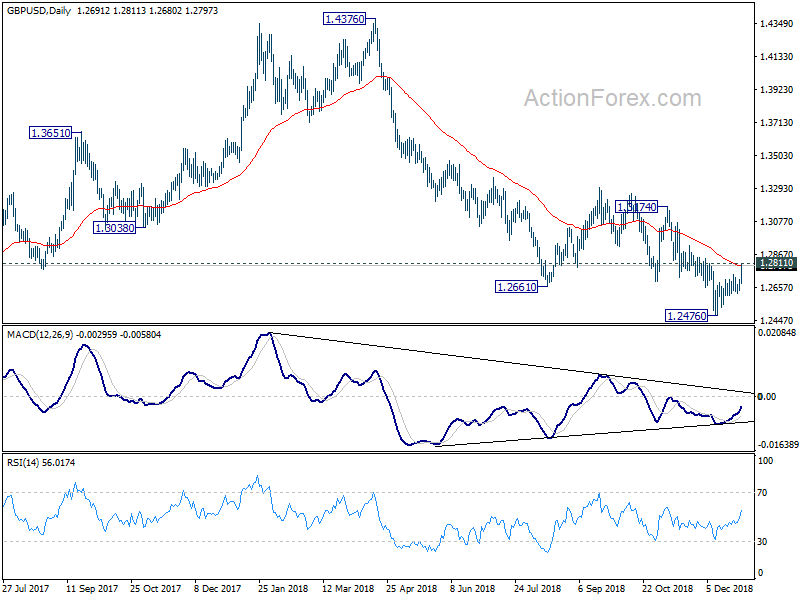
GBP/USD's rise today now puts 1.2811 near term resistance into focus, which is close to 55 day EMA. Considering bullish convergence condition in daily MACD, sustain break of 1.2811 and 55 day EMA will be an early sign of medium term reversal. And further rise would be seen back to 1.3174 structural resistance for confirmation.
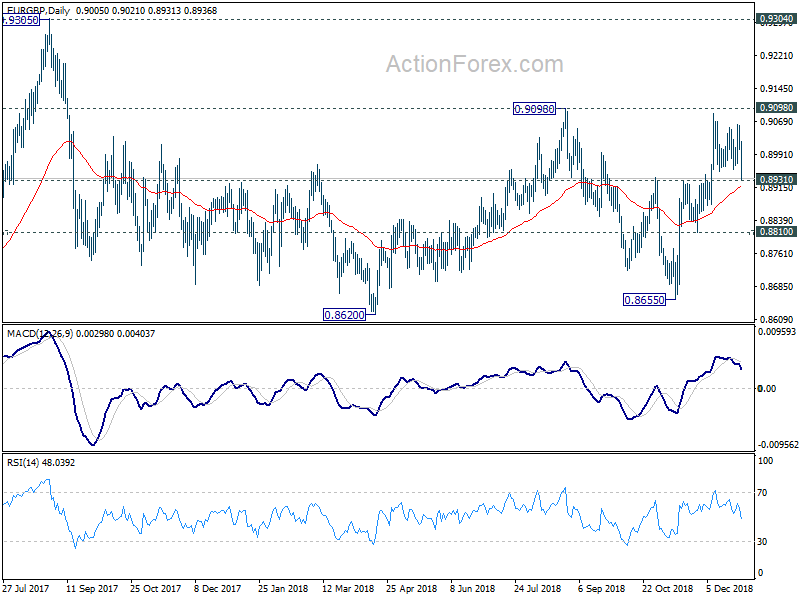
EUR/GBP is already pressing near term support of 0.8931. Firm break there will indicate rejection by 0.9098 key resistance And the rebound from 0.8655 should be over. In that case, deeper fall should be seen back to 0.8810 support and below.
Dollar Continues Slide as Government Shutdown Continues
The US dollar fell to a 4-month low against the Japanese yen on the last trading day of the year. Thin conditions persist as trading was closed for much of the euro area and Japan. USD/JPY continue to remain heavy as no progress has been made with the US partial government shutdown, which is currently at 10 days. President Trump reaffirmed his demands for a border wall, but it is not expected Democrats will budge on giving the President $5 billion for border security. Democrats take over the House on Thursday, and there is no end in sight for the partial shutdown.
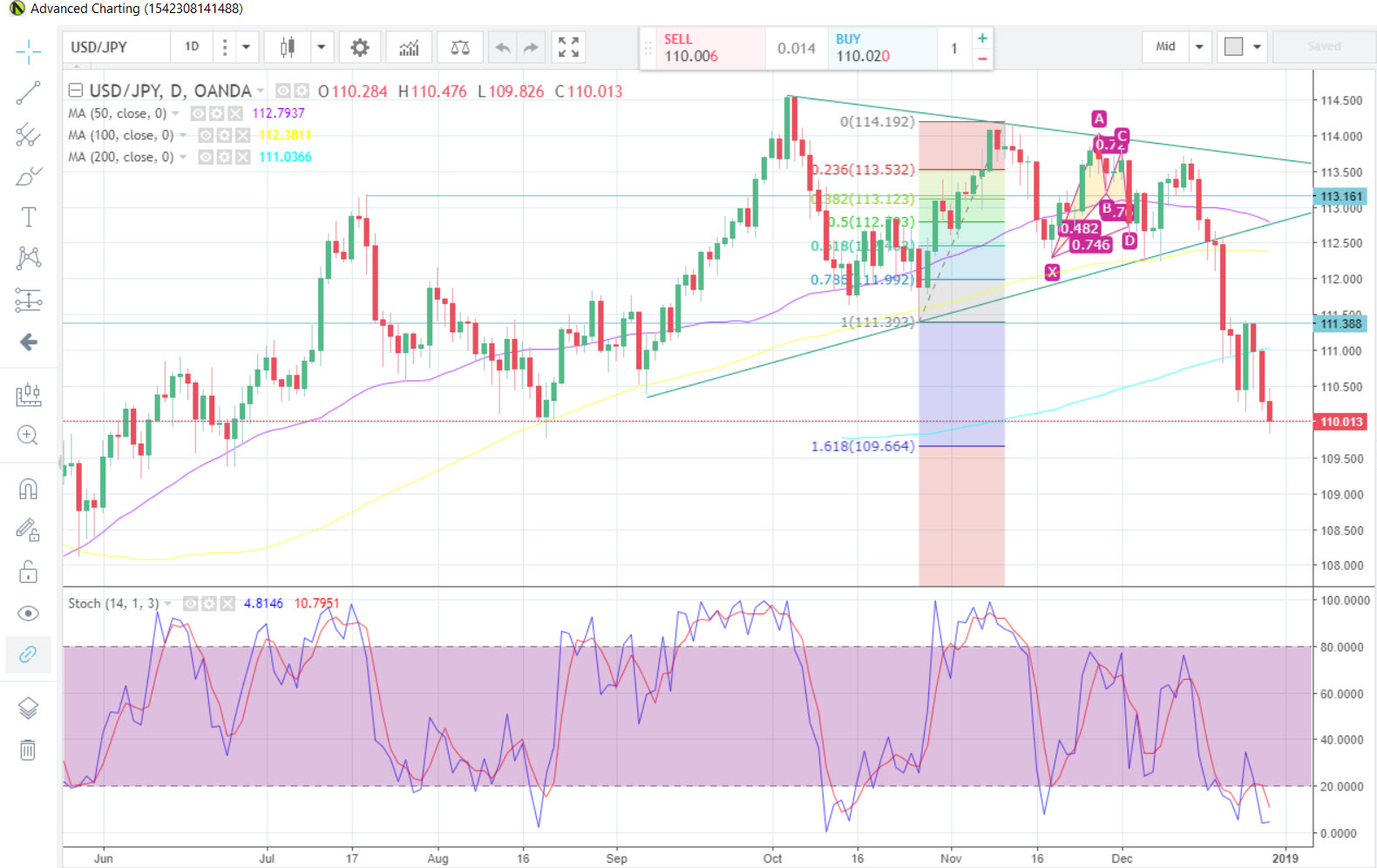
Price action on the USD/JPY daily chart shows that bearish move accelerated once price broke below consolidating triangle pattern in the middle of December. Price has been trading through the 200-day SMA over the past week and appears to have settled on moving lower. Tentative support is coming from the psychological 110 handle, but if that area breaks, we could see weakness target 108.50. Deeper support could target 106.70. To the upside, 111.00 remains key resistance.
Dismal 2018 for Canadian Dollar
As we bid adieu to 2018 and welcome in a New Year, USD/CAD is unchanged. Currently, the pair is at 1.3638, down 0.01% on the day. On Friday, USD/CAD touched its high of the year, at 1.3661. There are no U.S. or Canadian events until Wednesday.
It was a brutal year for the Canadian dollar, as the commodity currency plunged 7.6 percent. The currency started the year in promising fashion, posting gains of 2.1 percent in January. However, the currency slid in February, falling 4.2 percent. After trading in a narrow range for most of the second and third quarters, the Canadian dollar has struggled in Q4, dropping 5.6 percent.
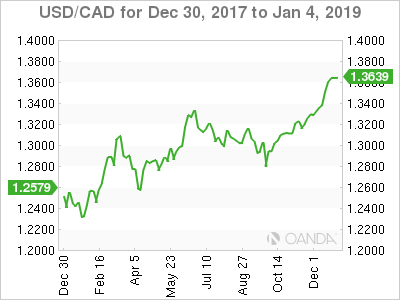
Open: 1.2579 High: 1.3661 Low: 1.2249 Close: 1.3612
I am bearish on the Canadian dollar
Tumultuous equity markets have led to increased risk apprehension, as jittery investors have flocked to safe-haven assets, at the expense of minor currencies like the Canadian dollar. USD/CAD has posted six straight losing weeks. The December slide was punctuated only by the Christmas holidays, with investors taking some time off. The global trade war, which has resulted in more tariffs on Canadian exports, will continue to hamper the Canadian economy. However, this stark situation could quickly change if the U.S. and China come to an agreement on trade issues which have led to tit-for-tat tariffs between the world’s largest two economies.
Another factor weighing on the Canadian currency is the steep decline in oil prices. WTI Crude has fallen to $45 a barrel, plunging some 40% in the past three months. a weakened global economy could mean that oil prices remain depressed for the foreseeable future. If oil prices remain depressed, traders can expect more headwinds for the Canadian dollar, which is a commodity currency.
GBP/USD Could Break Above 1.28
Bulls are controlling the momentum
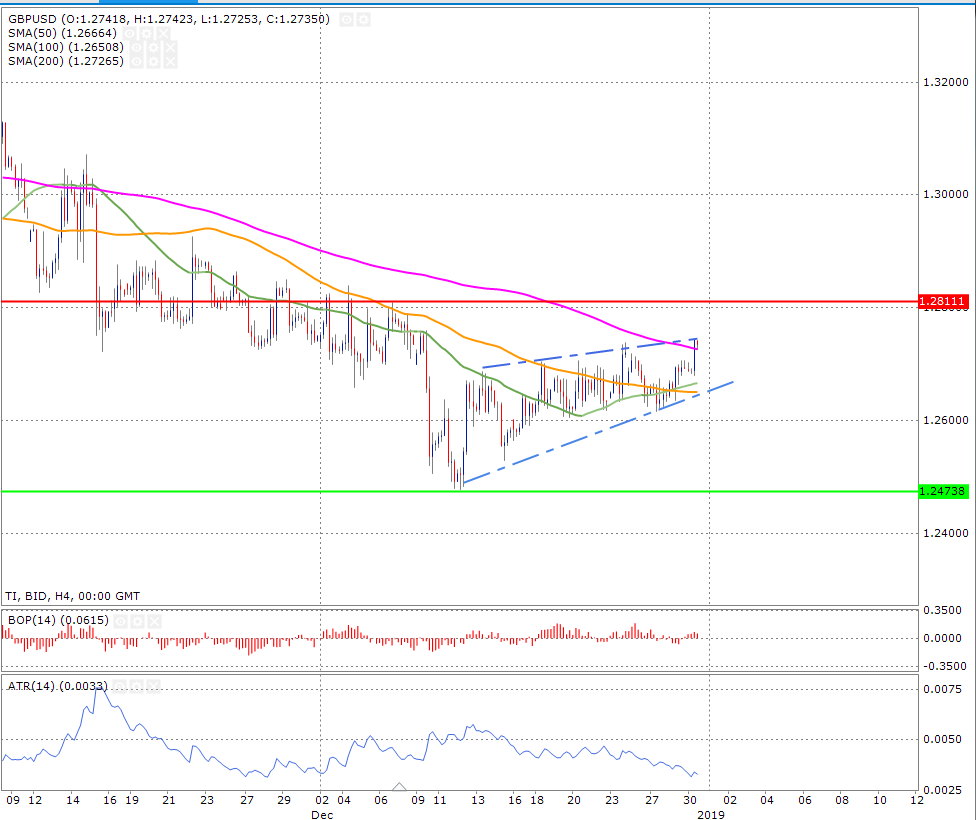
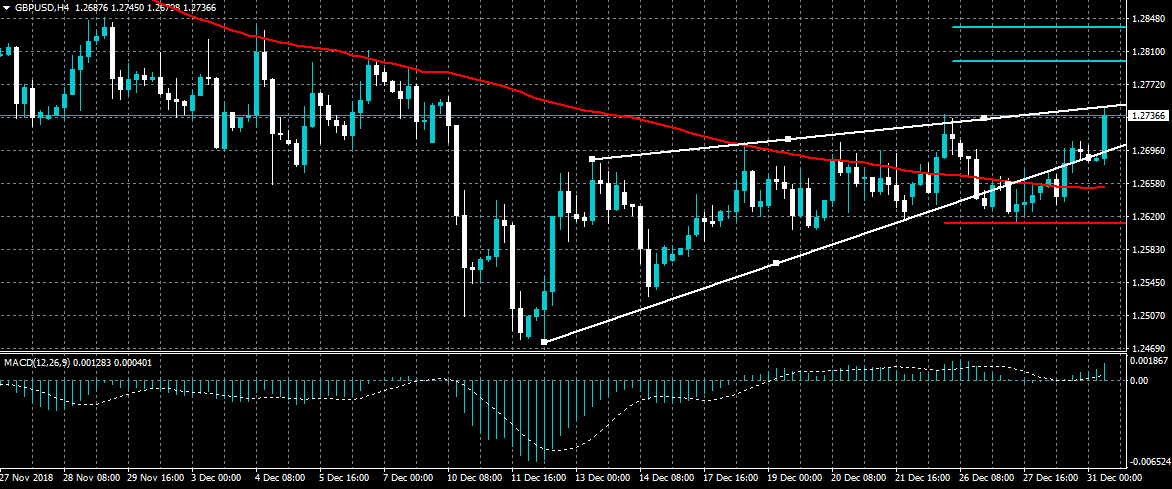
The GBP/USD pair is trading in uptrend on a 4-hour time frame. The confirmation of the uptrend comes from the fact that the price has broken its 50-day moving average (show in orange) and the 100-day moving average (shown in green). Moreover, the price has broken the 200-day moving average to the upside (shown in pink). This clearly shows that the momentum has shifted towards the bull and the are in control of the price.
The average true range indicator shows that there isn’t enough volatility for the pair and this isn’t really a surprise as most of the recent price action has been during the holiday season.
In terms of patterns, the price is trading in an upward wedge pattern, it has challenged the upward line of this wedge pattern and a break of this line would be very bullish.
- The support zone is shown by the green horizontal line
- The resistance zone is shown by the red horizontal line
US Futures Higher After Trump Tweet | Gold Prices Focused On Risk Off Events
Gold prices are trading near-six month high thanks to the weakness in the dollar index. The economic data released on Friday pretty much put cold water on Fed being hawkish in Q1 of 2019 and this pushed the dollar index lower. Spot gold is up today and it is trading near enough 1281 or in other words up nearly 0.8 percent.
Gold prices haven’t given up any gains despite the fact Trump believes that there has been tremendous progress between the US and China on the topic of trade war. Remember this has been something which has put investors off from betting on riskier assets. Looking at the equity markets, one can clearly see that there is positive optimism around this subject however, gold traders aren’t willing to pay too much attention to this. Perhaps, they don’t believe that the progress made so far is good enough.
Back in the equity markets, the yearly performance for most of the indices isn’t looking good. It isn’t far stretched to say that global stocks are set for their worst year since the financial crisis, thanks to the tightening monetary policies adopted by several central banks around the globe especially the Fed and the European Central Bank. The Fed stopped printing easy money a few years back and increased the interest rates four times this year. The European central bank also ended up its quantitative easing program and there has been several discussion on the topic of the ECB normalising the interest rates.
All in all, almost all the European indices are down more than 10 percent over this year and some of them are down over 15% (DAX) for this year. The Euro stoxx 500 index is down by 13 percent this year—the biggest loss since 2008. The fact is that things aren’t looking really any brighter in 2019 as well because there are plenty of risk events which are going to keep investors on their toes. For instance, at the beginning of the year, the first thing which investors will have to deal with is the Brexit chaos the UK leaving the European union. Then we have the US trade war with China and the ongoing struggle about securing the funds to build the wall.
GBPUSD Marginally Bullish in Very Short-Term; Remains Below Falling Trend Line
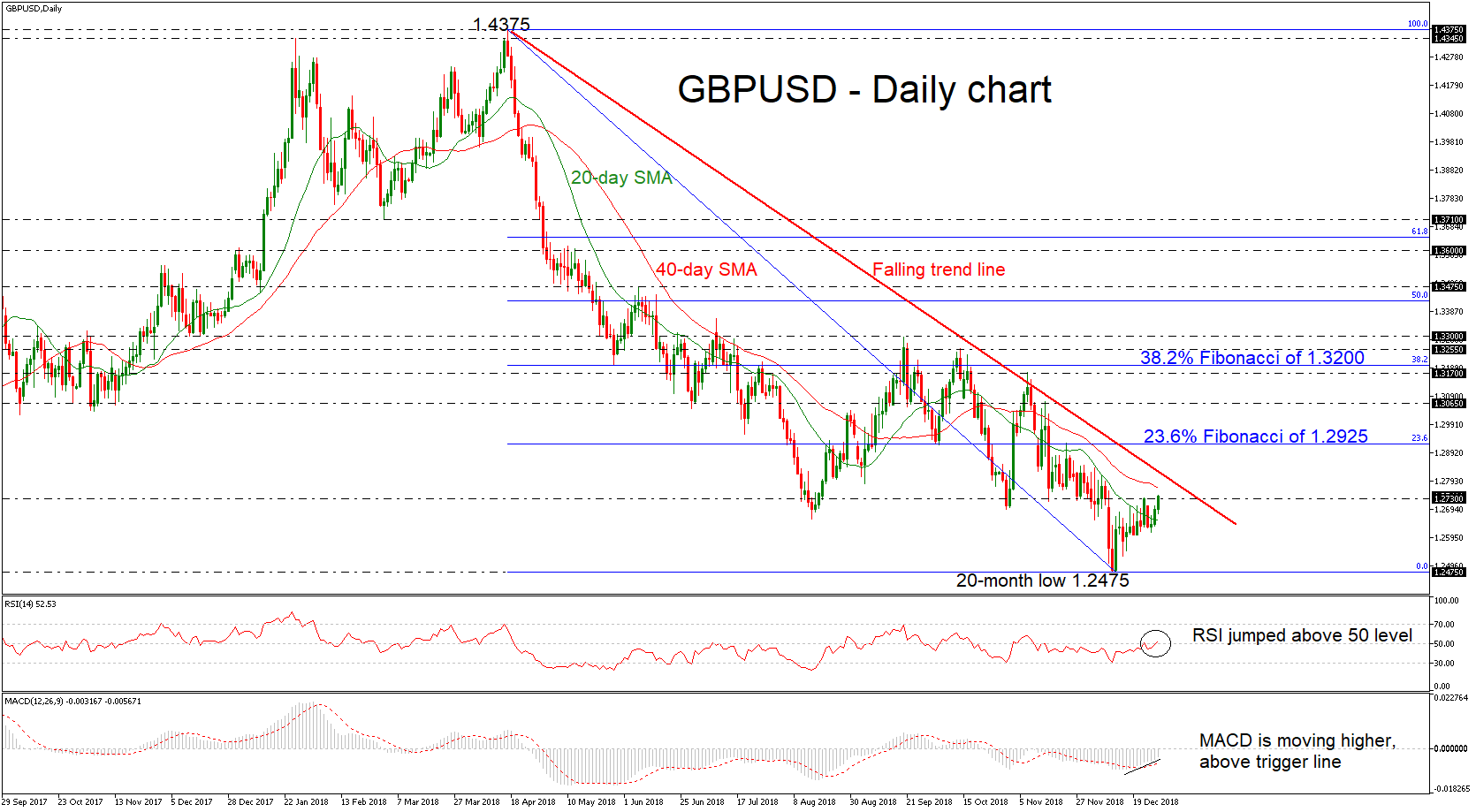
GBPUSD has rebounded somewhat after falling to a 20-month low of 1.2475 on December 12 and momentum indicators are endorsing that the market sentiment might get better and create some gains in the daily timeframe, despite the latest sideways movement; the RSI indicator is sloping slightly up marginally above 50, while the MACD oscillator is increasing strength to the upside and towards the zero line.
Should upside movement dominate in the near term, the market might touch the 40-day simple moving average (SMA) around 1.2770. Steeper increases may overcome that point and surpass the falling trend line to test the 1.2925 barrier, which is the 23.6% Fibonacci retracement level of the downleg from 1.4375 to 1.2475.
Alternatively, if the price moves lower again, support could come from the previous trough at 1.2475. Further down, the price could rest around the 1.2360 hurdle, taken from bottom on April 2. A rally beneath this region would clarify that a downtrend is in progress, shifting focus to the 1.2100 psychological level.
To sum up, the short-term risk looks to be turning positive, while in the long-term view, the downfall from 1.4375 is still active and hence the outlook remains negative.
USDJPY Heavily Bearish Below 110.13 Level
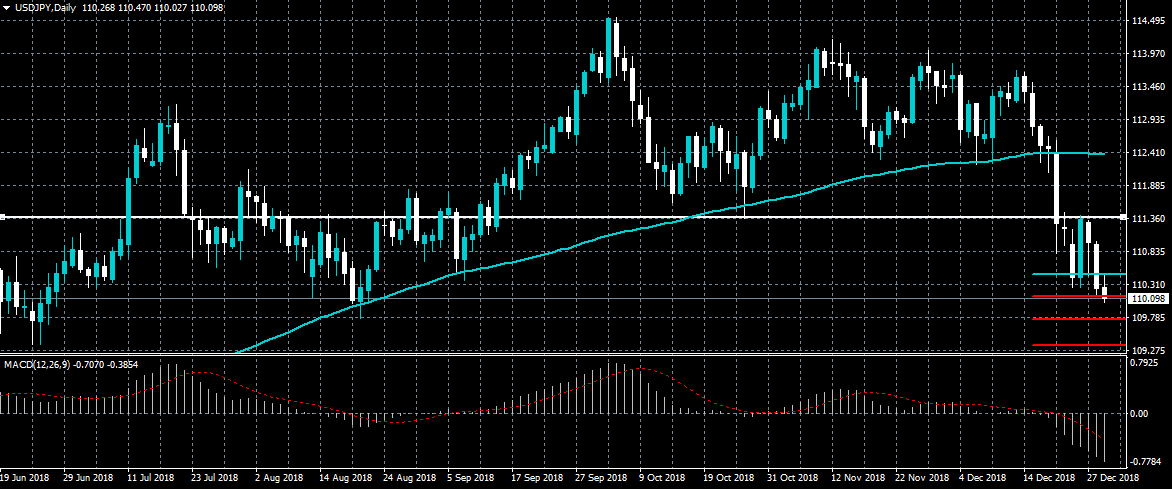
The US dollar has resumed its recent downtrend against the Japanese yen currency during the European trading session, with the pair falling to a fresh December trading low. The USDJPY pair is heavily bearish while trading below the 110.13 support level, a continuation of the down move under the psychological 110.00 level will likely trigger heavy technical selling in the pair.
- The USDJPY pair is heavily bearish while trading below the 110.13 level, key technical support is now found at the 110.00 and 109.76 levels.
- If USDJPY pair trades above the 110.13 level, buyers may test towards the 110.48 and 110.80 resistance levels.
GBPUSD Testing Trendline Resistance
The British pound has found renewed buying interest against the US dollar, with price now trading above the former weekly trading high. The GBPUSD pair is strongly bullish while trading above the 1.2738 level, although buyers have so far failed to break above key trendline resistance. Further advancement towards the 1.2800 level remains possible if the upper trendline is clearly breached.
- The GBPUSD pair is strongly bullish while trading above the 1.2738 level, key resistance is found at the 1.2750 and 1.2800 levels.
- If the GBPUSD pair trades below the 1.2700 level, sellers may test towards the 1.2655 and 1.2600 support levels.
Euro Posts Gains in December, Ends 2018 on High Note
On the last trading day of 2018, EUR/USD is trading quietly. Currently, the pair is at 1.1435, down 0.10% on the day. With no U.S. or eurozone events, traders can expect an uneventful day.
Looking back at 2018, EUR/USD slipped 4.5% against the euro. The pair started the year at the 1.20 level and posted gains over 3 percent in January, but it’s been pretty much downhill since then for the euro. However, the euro has gained 1.0% in December, despite the turmoil which has gripped the equity markets in recent weeks.
Year in Review
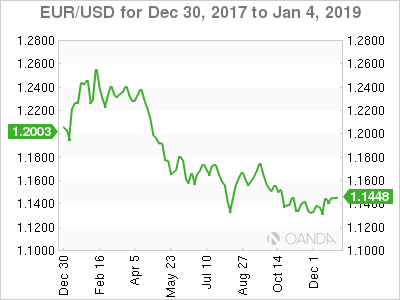
Open: 1.2003 High: 1.2556 Low: 1.1215 Close: 1.1435
As we welcome 2019, here are some items the markets will be closely following:
U.S Government shutdown
A partial shutdown of the U.S. government has entered its second week, with no resolution in sight. President Trump has insisted that a spending bill include some $5 billion for a wall on the Mexican border, but Democrats in the Senate have blocked the bill. The impasse will continue into 2019 and will cost the taxpayer billions of dollars. Previous shutdowns have been resolved within a few weeks, as politicians are wary to drag out the fight and risk the wrath of voters for the lack of government services. The U.S. dollar will be under pressure while the shutdown continues.
U.S -China trade talks
The ongoing global trade war has shaken global equity markets and dampened the global economy. China and the U.S. have slapped tariffs on each other’s products, and the U.S. has threatened to raise the tariffs on Chinese goods from 10 percent to 25 percent on March 1. However, President Trump has agreed to suspend the tariffs while talks are ongoing, and U.S. and Chinese teams are slated to meet this week. If Trump can pull off a deal with the Chinese, the U.S. dollar could respond with gains against the euro.
Trump’s Trade Tweet Boosts Confidence in the Last Day of the Year
- Trade optimism supports stocks, but dollar not so excited
- Italy approves revised 2019 budget plan
- Oil set for negative close after three years
Trump’s trade phonecall lifts market sentiment in the last day of the year
Investors will have their last full trading day on New Year’s Eve Monday before closing their books for 2018 and futures tracking US stock indices such as the S&P 500 and Dow Jones are flashing green, pointing to a positive open thanks to optimistic trade tweets by the US President. However, equities in Asia, were mixed, with Chinese stocks heading higher, while the dollar did not react much, holding near Friday’s lows.
On Saturday, Donald Trump tweeted that he had “a long and very good call” with the Chinese leader, Xi Jinping and that “big progress” could be made in the trade drama which has kept markets under pressure this year. The risk-sensitive aussie was among the best performers early on Monday, while the safe-haven yen was weaker as the news boosted confidence in the markets. Yet sentiment could be better if there was more clarity on how both sides could achieve the ideal trade agreement, with investors maintaining their skepticism that the confrontation could be a prolonged one before a formal decision is taken. On the other hand, the poor performance of Chinese economic indicators suggests that Beijing may soften its demands to avoid a financial slowdown. It’s also worth noting that trade talks are expected to resume in Beijing in the week starting January 7th.
Developments in the monetary front form another puzzle that will feed uncertainty in 2019 as questions remain about whether the Fed will finally keep their pledge to deliver two rate hikes next year at a time when stocks are set for their worst annual close since 2008 and fears about a potential slowdown in global economy continue to loom in the background.
Italy puts its row with the EU to rest
Meanwhile in Italy, the Parliament backed the revised budget plan for 2019 which aims for a deficit target of 2.04% of GDP instead of 2.4% initially proposed, terminating the clash with Brussels before today’s deadline. The euro however which is set for a yearly loss after an impressive rally in 2017 did not gain much on the news as investors are interested to see whether the spending goals are achievable in practice, fearing that any failure could force the collapse of the coalition government. Particularly political tensions could intensify ahead of the European Parliamentary elections in May as Salvini and Di Maio will be competing each against each other to win first place for their respective parties.
Besides Italy, the EU will be also monitoring Brexit progress. In case Britain exits the bloc without a deal, disastrous consequences are anticipated to follow not only in the UK but also in Europe, pushing funds away from the euro.
Oil soars but set to close lower after three years
Crude prices were overwhelmingly recovering early in the European session, winning support from trade optimism, with WTI crude and Brent gaining near 2.0% in the day. Still the markets are due to experience their first yearly decline after three years of gains amid fears of a supply glut and concerns that a potential slowdown in oil-consuming countries such as China could weigh significantly on demand for crude.
