Sample Category Title
ETHUSD Soars As Ethereum Demand Rises
US stocks continued the bullish momentum as investors waited for the upcoming Federal Reserve interest rate decision. The Dow Jones rose by more than 160 points while the S&P 500 and Nasdaq 100 indices rallied by more than 0.25%. The Fed is expected to turn relatively hawkish as the US economy is doing relatively well while inflation has risen. The stocks also rallied after strong quarterly earnings and deal-making. In a report, Pfizer announced that it will make more money this year than expected. The firm expects its sales will rise to $36 billion this year, helped by the Covid vaccine.
Other top movers were Tesla, whose shares declined after Elon Musk cast doubt on the Hertz deal. Private equity companies like Apollo and KKR also recorded strong sales. Meanwhile, Ferrari shares rallied in New York after the company boosted its forward guidance. Avis Budget shares rallied by more than 100% after the company announced strong results. Other firms that reported strong sales were Under Armour and BP.
Cryptocurrency prices rebounded as demand for the coins jumped ahead of the Fed decision. Bitcoin soared to more than $64,000 while Ethereum prices jumped to more than $4,500. In total, the market capitalization of all coins tracked by CoinMarketCap surged to more than $2.7 trillion. There were no specific reasons as to why the prices bounced back.
Elsewhere, key events to watch today are the UK composite and services PMI data. These numbers are expected to show that the economy did well in October. In the US, ADP will publish its forecast for private payrolls. While important, the data tends to be relatively different from the official data. In Europe, Christine Lagarde will deliver a speech that could have some impact on the euro. The earnings season will continue, with the key companies to watch being New York Times, Emerson Electric, Discovery, and Virtu Finance among others.
ETHUSD
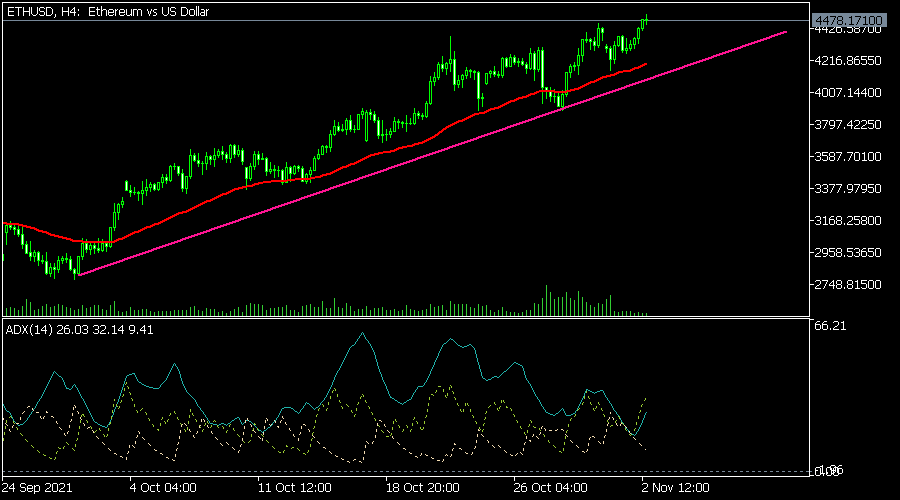
The ETHUSD pair continued its bullish trend in the overnight session. The pair rose to a high of 4,500, which was substantially higher than the July low of 1,800. On the four-hour chart, the pair remains above the 25-day and 50-day moving averages. It has also moved above the pink ascending trendline. Notably, the Average Directional Index (ADX) rebounded, which is a sign that the trend is strong. Therefore, the pair will likely keep rising as bulls target the next key level at 4,600.
EURUSD
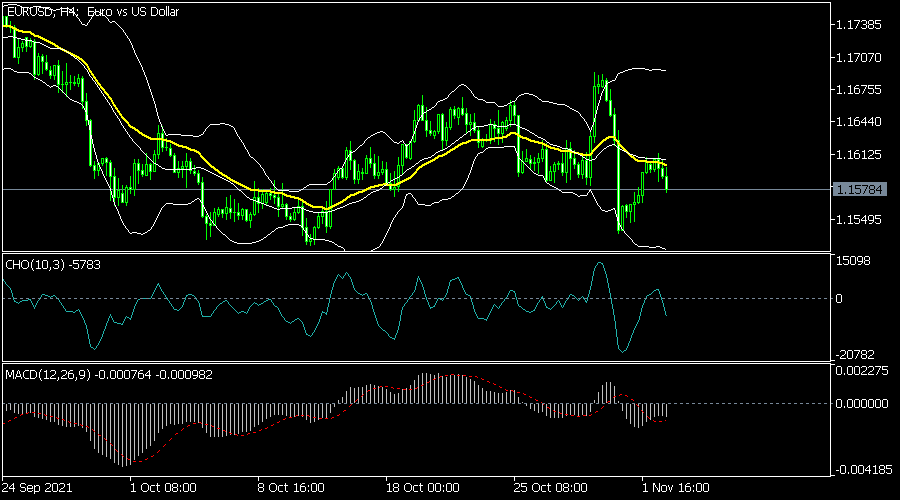
The strong EURUSD rebound that happened on Monday and Tuesday faded as traders braced for a hawkish Federal Reserve. The pair declined to 1.1577, which was lower than this week’s high of 1.1615. On the four-hour chart, the pair managed to move below the middle line of the Bollinger Bands. It also declined below the 25-day MA while oscillators like the MACD and the RSI also moved lower. Therefore, the pair will likely keep falling in the near term.
AUDUSD
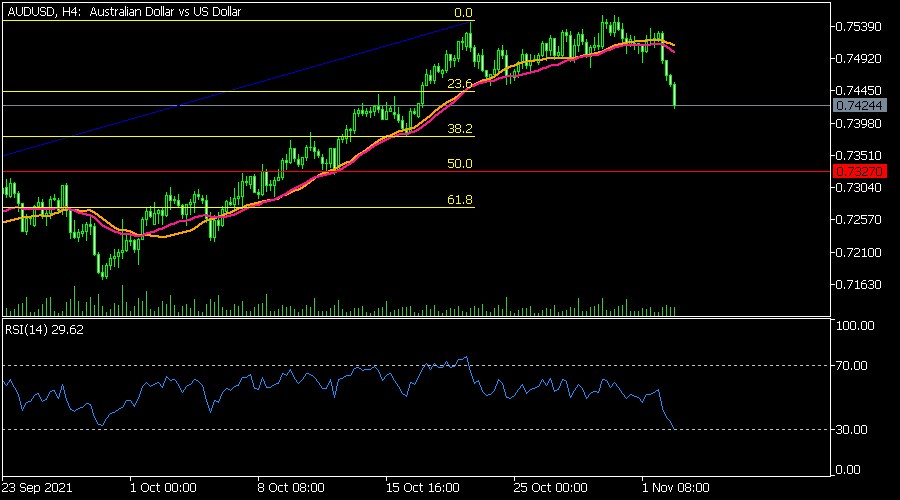
The AUDUSD declined sharply even as the RBA turned hawkish. The pair declined to a low of 0.7425, which was the lowest level since October 19th. It also moved below the 23.6% Fibonacci retracement level and below the 25-day and 50-day moving averages. The Relative Strength Index (RSI) also declined. Therefore, the pair will likely keep falling as bears target the 50% retracement level at 0.7327.
USDJPY Constrained Below 114.00 Ahead Of FOMC Policy Decision
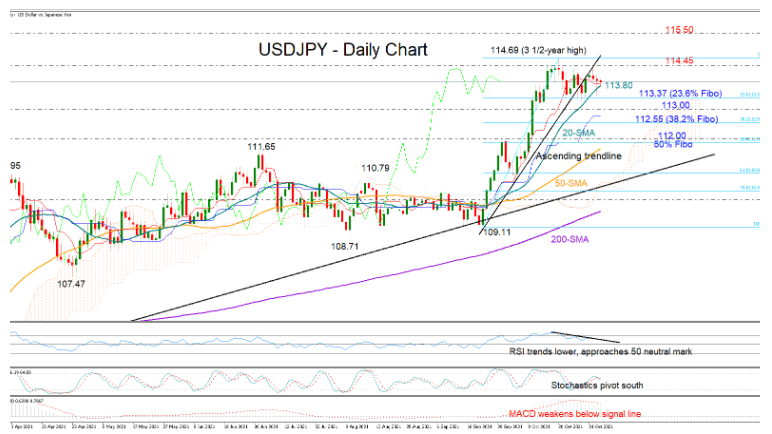
USDJPY has been constrained between the support-turned-resistance trendline and the 20-day simple moving average (SMA) over the past week, unable to clearly close above the 114.00 level ahead of the FOMC policy announcement.
The upward slope in the shorter-term SMAs is endorsing the bullish market structure from September’s lows, but the momentum indicators are foreseeing a depressed trading in the coming sessions. Specifically, the RSI continues to make lower highs and lower lows towards its 50 neutral mark, the MACD remains negatively charged below its red signal line, while the Stochastics seem to be pivoting southwards again, all reflecting a gloomy mood in the market.
Nevertheless, the focus will remain on the supportive 20-day SMA at 113.80, a break of which could bolster selling interest towards the 23.6% Fibonacci of the 109.11 – 114.69 upleg at 113.37. A more aggressive decline could reach the 113.00 round- number, while lower, the bears may head for the 38.2% Fibonacci of 112.56. Yet only a sustainable move below the 112.00 bar and the 50% Fibonacci would downgrade the broad outlook back to neutral.
Should the 20-day SMA stand firm, with the price also closing above the red Tenkan-sen line once again, the bulls may advance to challenge the 114.45- 114.69 ceiling. Another extension higher from here may then encounter the 2017 boundary of 115.50.
In brief, the technical picture is currently looking discouraging for USDJPY, with selling forces expected to intensify below 113.80.
NZDUSD Tries To Exit From Tight Range Of 0.7127-0.7215
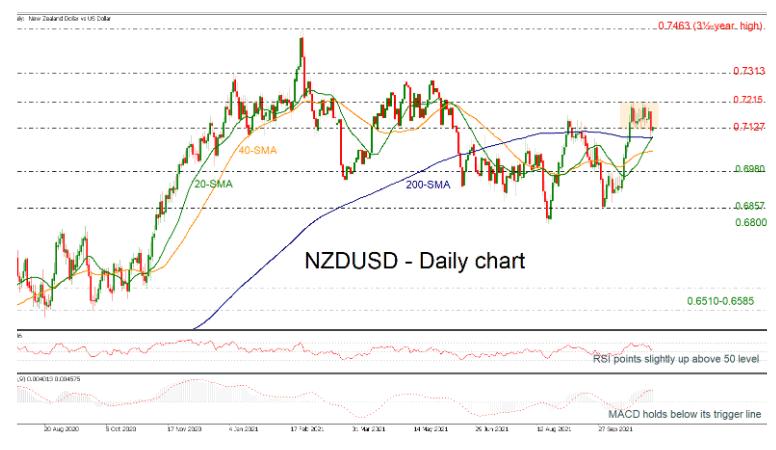
NZDUSD has been trading in a narrow range between 0.7127 and 0.7215 since October 19.
The technical indicators are in confusion as the RSI is pointing marginally up after the bounce off the 50 level, while the MACD is falling below its trigger line. Furthermore, the 200-day simple moving average (SMA) is flattening, which confirms the recent lack of upward momentum in the market.
If the bulls gain control, they have a chance to push the market above the 0.7215 resistance and make an attempt on the 0.7313 barrier of May 26. If this line is broken, the price may revert to its three-and-a-half-month high of 0.7463.
In the worst-case scenario, a decline below the SMAs might push bears all the way to the 0.6980 support level. If the 0.6857 support and the 0.6800 round number are breached, a bearish trend may begin.
Overall, NZDUSD has been unable to improve the bullish structure that began in late September, remaining stuck in a consolidation zone over the last few weeks.
UK 100 Tests Demand Zone
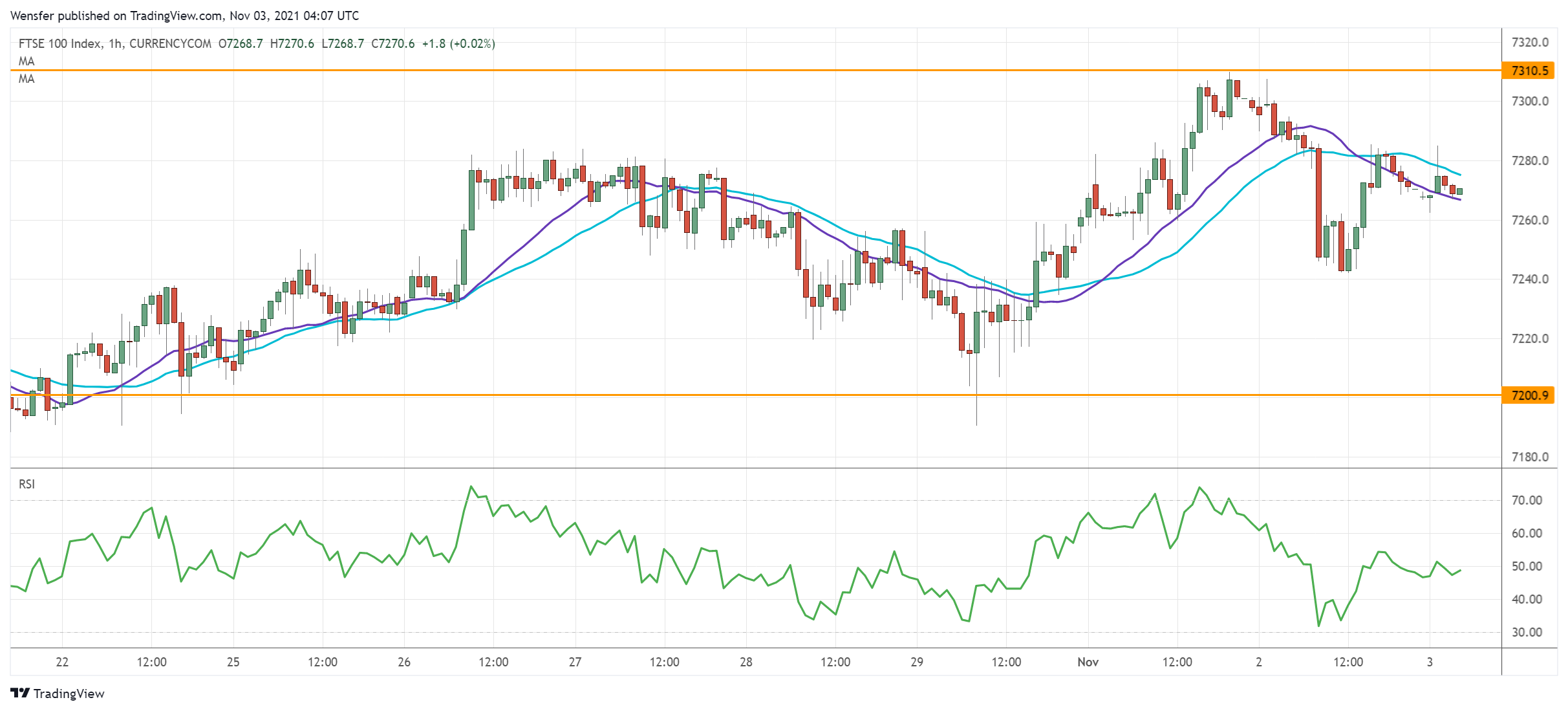
The FTSE 100 consolidates gains as investors turn their attention to the US Federal Reserve meeting.
The bulls are looking to get a foothold after a close above the August peak at 7240. The RSI’s double top in the overbought zone is a sign of overextension in the short term.
Trend followers may look to stake in at the psychological level of 7200, a key demand zone on the 20-day moving average. A bearish breakout would deepen the pullback to 7140. On the upside, a rebound above 7310 would resume the rally.
NZD/USD Retreats From Double Top
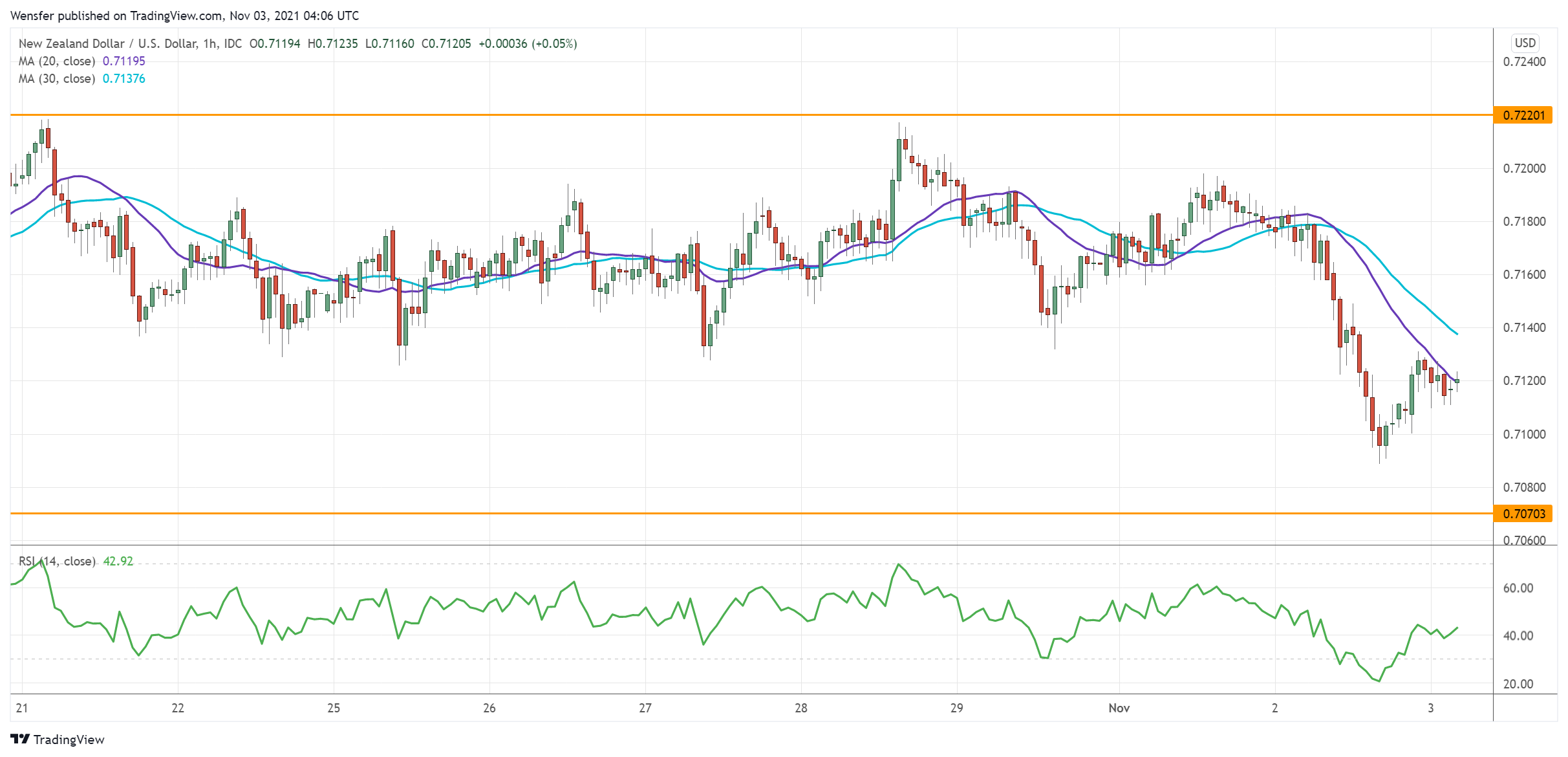
The New Zealand dollar bounced back after the Q3 unemployment rate fell to 3.4%.
A double top at 0.7220 suggests exhaustion in the kiwi’s ascent after the RSI repeatedly pointed to an overbought situation. A break below 0.7130 indicates that the bears have gained the upper hand, pushing the opposing side to close their bets.
The previous supply zone around 0.7070 has turned into a demand zone. This coincides with the 30-day moving average, and along with an oversold RSI, it may gain support from a buy-the-dips crowd.
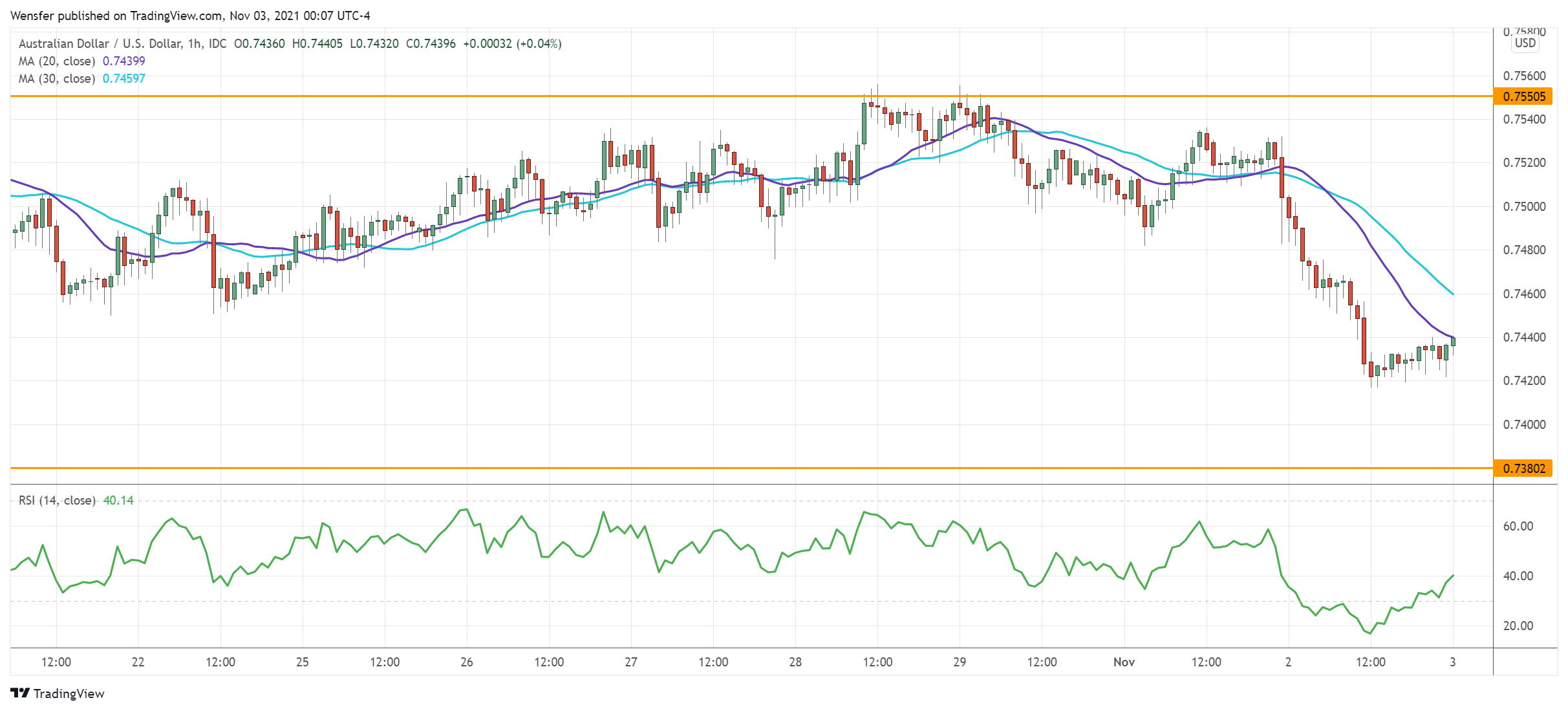
AUD/USD Breaks Lower
The Australian dollar softened after a dovish RBA stressed that inflation was still too low to hike soon.
The pair has met stiff selling pressure near last July’s high of 0.7550. While sentiment has turned positive from the daily chart’s perspective, an overbought RSI has made buyers cautious.
The drop below 0.7490 then 0.7450 has forced out leveraged positions, exacerbating the downward pressure. 0.7380 on the 30-day moving average would be the next support. An oversold RSI may attract bids in this congestion area.
Daily Technical Analysis
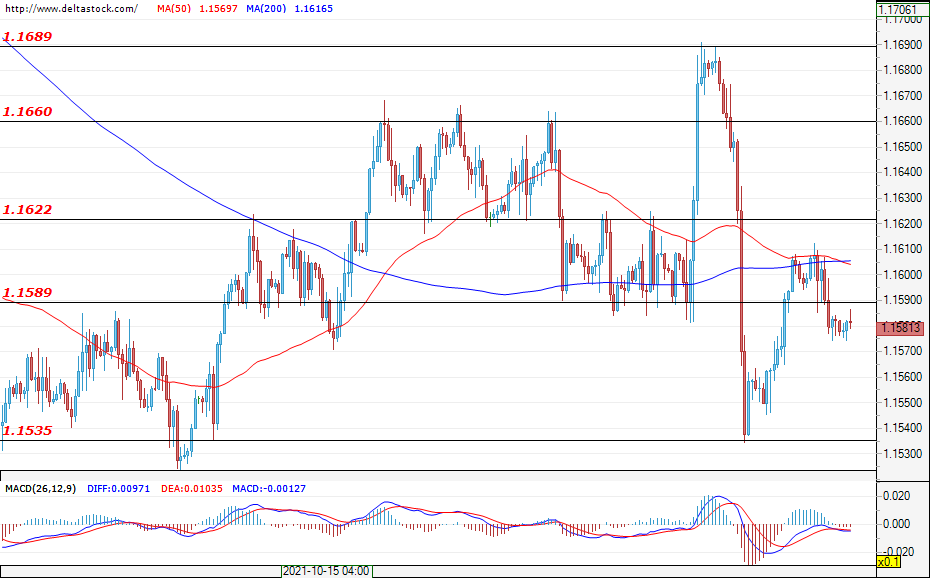
EUR/USD
Current level - 1.1581
Although the single European currency recovered some of its losses against the U.S. dollar, at the time of writing it is trading below the resistance of 1.1589 once again. It is possible that we will see a consolidation around this level as today investors’ focus will fall on the announcement of the unemployment rate data for the Euro area (10:00 GMT), the ADP non-farm employment change data (12:15 GMT) and, finally the most expected data for this week – the announcement of the Federal Reserve interest rate decision (18:00 GMT). The variety of economic news scheduled for today could lead to an increased volatility and could determine the future of the currency pair
| Resistance | Support | ||
| intraday | intraweek | intraday | intraweek |
| 1.1589 | 1.1660 | 1.1535 | 1.1410 |
| 1.1622 | 1.1690 | 1.1535 | 1.1350 |
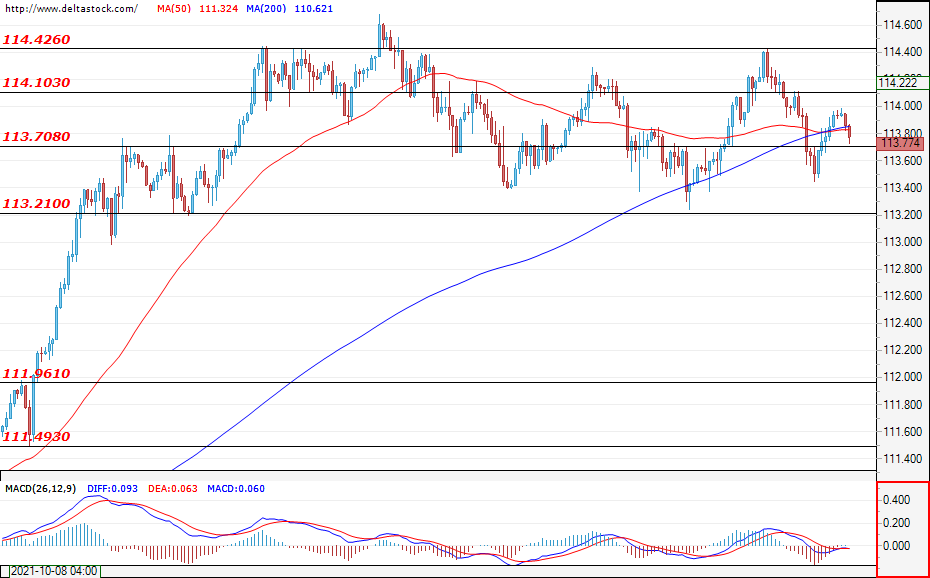
USD/JPY
Current level - 113.77
The unsuccessful test of the resistance zone of 114.42 since the beginning of the week led to a decline as the currency pair lost nearly one figure of its value. However, the bulls managed to limit the sell-off above the 113.21 support area and even followed a recovery above the resistance of 113.70. It is possible to witness a range move in the channel between 113.21 - 114.42. The result of the economic news, mentioned in the EUR/USD analysis, could help investors find a clearer direction.
| Resistance | Support | ||
| intraday | intraweek | intraday | intraweek |
| 114.10 | 115.25 | 113.70 | 111.96 |
| 114.42 | 116.20 | 113.21 | 111.49 |
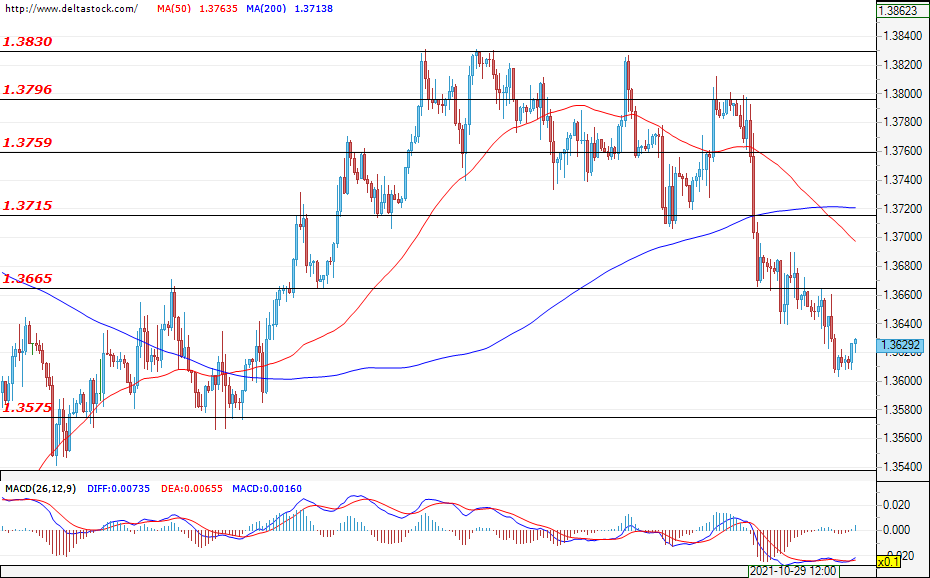
GBP/USD
Current level - 1.3629
The negative move of the pound against the U.S. dollar continues as trading remains above the support of 1.3575. If the bulls manage to gain enough momentum and successfully lead the currency pair above the resistance of 1.3665, it could spell the end of the downward movement. Otherwise, a drop below the 1.3575 support level could lead to a deepening of the sell-off. The PMI services data for the UK (09:30 GMT), as well as the news mentioned in the EUR/USD analysis, could lead to an increased volatility during today's session.
| Resistance | Support | ||
| intraday | intraweek | intraday | intraweek |
| 1.3665 | 1.3759 | 1.3575 | 1.3500 |
| 1.3715 | 1.3796 | 1.3500 | 1.3400 |
EUR/USD Support At 1.1495 Is Key
Markets
Investors yesterday had all the time in the world to asses today’s Fed meeting and the early month US data (ADPlabour report, non-manufacturing ISM and payrolls) given the empty eco calendar. Such a set-up mostly suggests technical trading. The US yield curve bull steepened with the 2y yield declining 4.9 bps and the 30y rising 0.1 bp, but the period between the end of tapering and the lift-off of rate hikes remains as source of debate. The repositioning on EMU yield markets was more impressive. The German 10y and 10y swap rates recently extensively tested the post-corona tops at -0.07% and 0.30%/0.32% respectively. The ST dynamics between real yields and inflation expectations often showed pronounced, even erratic-like swings. A break higher didn’t occur with the ECB still in wait-and-see mode. German yields dropped 5.7 bps (2y) to 7.4 bp (5y), with the very long end again the exception (+0.6 bps). Both inflation expectations and real yields eased, with the first taking the lead. The German/EMU swap yields last week easily recaptured a steep uptrend channel after a first setback. This probably won’t be that easy after yesterday’s decline. The correction in core yields also eased pressure on peripheral markets with the Italian spread narrowing by 8 bps. The moves in equities and FX again were much more modest. US equites extended their trip into record territory even as gains were modest (0.3%-0.4%). European indices traded mixed near recent cycle tops. After a soft start, the dollar regained ground despite the risk-on. USD/JPY closed little changed (113.96). EUR/USD failed to hold north of the 1.16 handle (close 1.1579). Sterling remains in correction modus (EUR/GBP close at 0.8506).
The calendar contains the US ADP labour report (expected job growth at 400k) and the US non-manufacturing ISM (expected stable near 62). Both series provide valuable info on how the US economy navigates through the complex of supply distortions and persistent price increases. Still an unconstrained reaction is unlikely ahead of the Fed. The Fed tapering bond purchases by 15bn/m with net buying ending mid next year is discounted. The focus will be on the inflation narrative and the ‘link‘ between the end of tapering and the first rate hike. The Fed statement simply stated in September: ‘Inflation is elevated, largely reflecting transitory factors’. The Fed pondering the risk of longerlasting inflation might support the case of raising rates rather soon after the end of bond buying. This should ease inflation expectations, support real yields and the dollar. Still Fed Powell might speak in conditional terms at the press conference. Even in such a scenario, the US 10y yield should hold north of 1.5%. In Europe, we look out how far the yield correction goes. 0.17%/18% is first reference for the EMU 10y swap. The Fed giving more weight on inflation should be positive for the USD. EUR/USD support at 1.1495 is key. We also keep a close eye decision on the National Bank of Poland. We assume the market/PLN might be disappointed if the NBP hikes by less than 50 bps.
News headlines
New Zealand employment grew 2% q/q in the previous quarter, crushing estimates of 0.4% and building on strong gains in Q2 of 1.1%. The increase came exclusively on the account of full-time jobs (+2.3% q/q). Hours worked slumped (-6.6%) as a result of lockdowns that still affected the economy in Q3. The unemployment rate hit a new pandemic-low at 3.4%, just shy of the series record low at 3.3% (2007) even though the participation rate equaled the previous multi-decade high (71.2%). Together with last month’s soaring CPI (4.9% y/y), the RBNZ is all but certain to hike policy rates back-to-back at the November 24 meeting. Despite the stellar jobs report, the kiwi dollar was no match for the strong greenback. NZD/USD slipped from 0.718 to 0.7111.
The US ramped up pressure again on OPEC+ to normalize production faster than the 400 000 barrels per day expected to be announced at tomorrow’s meeting. President Biden blamed the OPEC strategy for fuelling inflation while Secretary of State Blinken spoke with the UAE’s foreign minister on Tuesday to press for increased output. Their comments have created speculation the US may release strategic reserves if OPEC fails to raise production. Oil prices decline today, with Brent losing about 1% to $83.86/barrel.
Fed Decides, Tesla (TSLA Stock) Denies And Netflix (NFLX Stock) Expands To Games
The major US indices renewed record before the much-expected Federal Reserve (Fed) decision. And if there is no sign of stress across the risk markets, it’s mostly because we all think we know what will come out from today’s meeting: a gradual start of the tapering of the bond purchases program. This should be the first baby step towards a policy tightening, though it is not a tightening for now, as the Fed will continue buying bonds, and expanding its balance sheet to fresh all time highs, and never-ever-seen levels, but it will continue doing so in a less aggressive speed than the actual $120 billion worth of bonds and mortgage-backed securities that it has been buying so far.
The QE taper announcement will likely be seamless, what may be less seamless is the rate discussion. Now that the major central banks are shifting towards a more hawkish policy stance, except for Japan and the European Central Bank (ECB), there is a rising pressure on the Fed to start thinking about ‘thinking about’ raising rates. Mr. Powell is ideally not willing to touch the US interest rates until 2023, but with the inflation that proves stickier than he first thought, keeping the rates near zero would be a policy mistake that could cost him and the US economy dearly.
From a pricing point of view, most of the price action in bond markets seems to be done into the meeting. The US 2, 10 and 30-year bond yields are stabilizing around the expectation that we could see up to two 25-bp rate hikes, with a first rate hike as soon as next summer. Only very soft economic data could push the expectation of a summer rate hike farther next year.
Due today, the US ADP report will give the first hint on how well the US jobs market did last month. The expectation is that the US economy added 400’000 new private jobs in October versus some 568’000 printed a month earlier, and the Friday’s NFP is expected to come in at 455K. These expectations are far lower than the pandemic months, where a 700K or a million job additions were ‘normal’. Of course, this slowdown is normal, as well, but given the global chip and labour shortages, the energy crisis and the rising inflation, a too soft figure has the power to temper the Fed hawks.
Who is lying?
Tesla is down 3% from sky highs on the confusion regarding the latest Hertz deal. Hertz says that they already started getting the Tesla cars, while Tesla’s Elon Musk says there is no signed contract yet.
The news of a 100’000-vehicle Hertz deal sent the Tesla shares above the $1000 mark, it will be interesting to see if calling off the deal would pull them back below.
Deal or no deal, we should see some consolidation and even a downside correction in Tesla shares, where the technical indicators are screaming that the share is overbought at the current levels. Also the Ford and Amazon-backed Rivian IPO, which is due next week, should divert the EV bulls’ attention from Tesla to the newcomer.
Netflix enters the gaming space
Netflix steps into the online gaming arena with the introduction of five mobile games playable on Android devices, because Netflix knows that video games is the next big thing, and it could create interesting synergies with its original series and films.
The decision is promising. First, the video game business is bigger than the streaming business. Then, there is a larger growth potential including an eventual shift to the metaverse environment, virtual reality, virtual interactions, which also involves the building and marketing of the headsets and hardware that go with it.
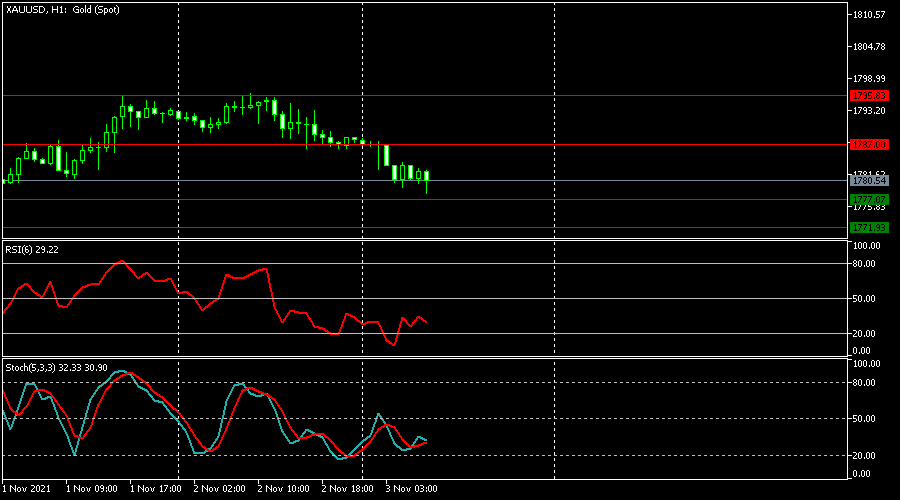
XAUUSD Is Possibly Bearish
Technical analysis
The RSI is below level 50.
The Stochastics is near the oversold zone.
Most likely scenario – SELL
Target prices: 1,777.07 1,771.93
Alternative scenario – BUY
Target prices: 1,787.00 1,795.83
Key levels
Support 1,777.07 1,771.93
Resistance 1,787.00 1,795.83