Sample Category Title
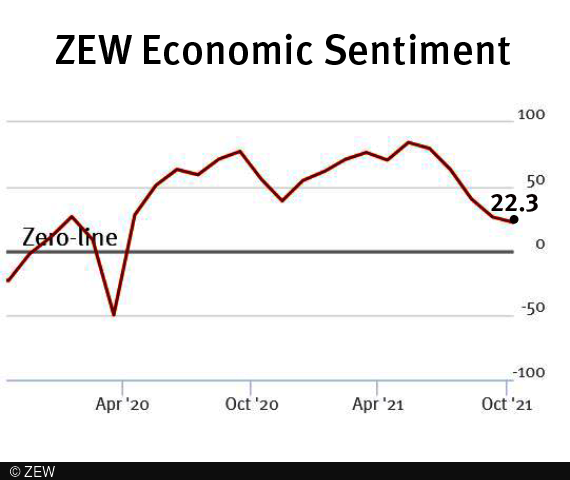
Germany ZEW dropped to 22.3 in Oct, outlook dimmed noticeably
Germany ZEW Economic Sentiment dropped from 26.5 to 22.3 in October, below expectation of 20.4. That's the fifth decline in a row. Germany Current Situation Index tumbled sharply from 1.9 to 21.6, well below expectation of 29.5, and the first decline since February.
Eurozone ZEW Economic Sentiment dropped from 31.3 to 21.0, below expectation of 26.5. Eurozone Current Situation dropped -6.6 pts to 15.9. Eurozone inflation expectations indicator dropped -3.0 pts to 17.1. But 49.1% of experts still expect inflation to rise further in the next six months.
ZEW President Professor Achim Wambach said: "The economic outlook for the German economy has dimmed noticeably. The further decline of the ZEW Indicator of Economic Sentiment is mainly due to the persisting supply bottlenecks for raw materials and intermediate products. The financial market experts expect profits to go down, especially in export-oriented sectors such as vehicle manufacturing and chemicals/pharmaceuticals."
USD/TRY Outlook: USD/TRY Hits New Record High On Fears That The CBRT Would Cut Rates Again Next Week
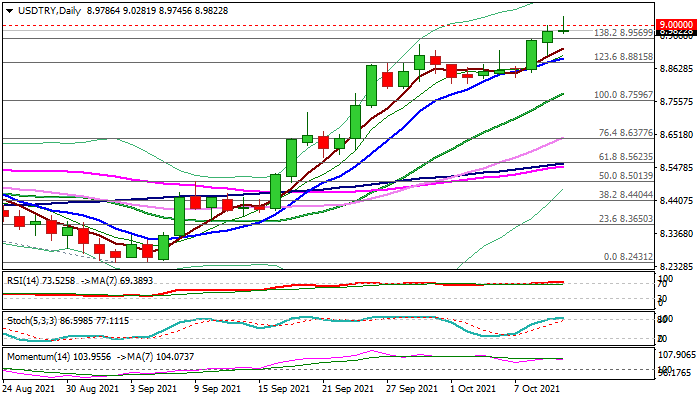
The USDTRY rose through 9.00 barrier and hit new all-time high on Tuesday.
Lira remains under pressure which increased on fears that Turkish central bank would make another rate cut in the policy meeting, scheduled next week, after the CBRT cut interest rates by 100 basis points to 18% in September.
The central bank’s governor said that the latest rate cut was not a surprise and that the central bank had not neglected its duties by the latest action.
Studies on daily and weekly charts are bullish and favor further advance, while overbought conditions suggest that bulls may take a breather which would provide better levels to re-enter strong bullish market.
Close above 9.00 would generate bullish signal for further advance and unmask psychological 10.00 resistance. Bulls eye next barriers at 9.0760 and 9.1507 (Fibo 161.8% and 176.4% projections of the upleg from 8.2431 (Sep 2 trough).
Former top at 8.9393 (Sep 29) and rising 5DMA (8.9268) mark initial supports, with extended dips not to exceed 8.8145 (Oct 4 trough) to keep bulls intact.
Res: 9.0000, 9.0281, 9.0760, 9.1000.
Sup: 8.9745, 8.9393, 8.9268, 8.8925.
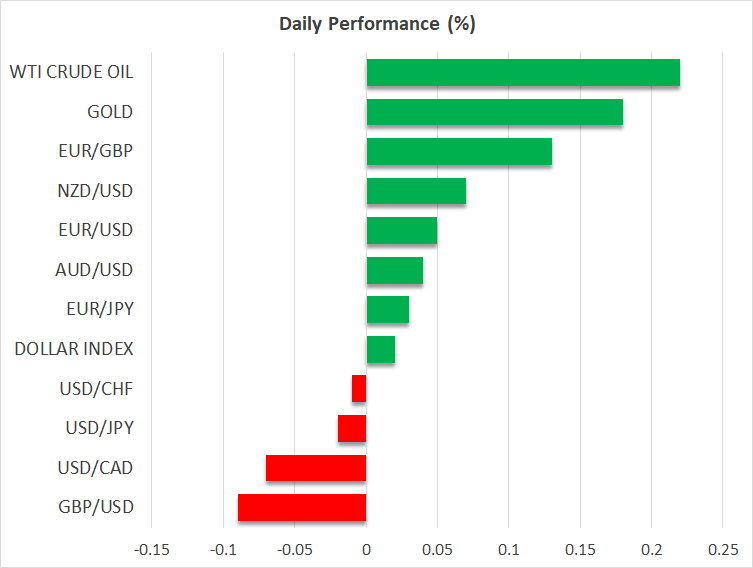
German ZEW Survey Misses Expectations As Bottleneck Hamper Outlook
Notes/Observations
- German ZEW Survey slumps citing persistent bottleneck of raw material and intermediate products.
- UK jobs data signaled that inflation might be less transitory than initially thought (Reminder: BOE Gov Bailey had already acknowledged that inflation would be less transient than the BOE had initially predicted).
- Bank of Korea seems poised to hike again in Nov after pause in Oct.
- US markets return from extended weekend holiday.
Asia
- Bank of Korea (BoK) left Repo Rate unchanged at 0.75% (as expected).
- BOK Gov Lee post rate decision press conference: noted that the majority did favor rate hike if situation remained unchanged and would decide at Nov meeting if hike is needed.
- Japan Sept PPI (CGPI) registered its largest annualized rise since Sept 2008 (Y/Y: 6.3% v 5.8%e).
- Most coal mines in Shanxi that were shut by flooding said to have resumed operations (Note: Price of thermal coal in China had reached a record high due to recent flooding in the country’s largest coal producing province of Shanxi).
- Evergrande looks set to miss its 3rd round of bond payments as markets stay on edge over contagion fears that other property developers face large debt repayments soon (Note: Have yet to get any public comments out of Evergrande).
- China PBOC seen cutting the RRR rate during Q4 [in line], may also conduct 'large' MLF and reverse repo operations.
Europe
- ECB's Stournaras (Greece) reiterated view that inflation would fall below 2% in 2022 despite increasing energy prices. Reiterated Council stance that ECB did not expect a significant pickup in inflation in the medium-term.
- Sept BRC Sales LFL Y/Y: -0.6% v +1.5% prior; BRC noted it saw signs consumer confidence has been hit by fuel shortages and wetter weather.
- Brexit Min Frost said to warn EU that it will be making a historic misjudgment if EU did not offer new concessions on the Northern Ireland Protocol. To urge the EU to bend rules and accept that ECJ involvement must end.
- Business Secretary has submitted formal bid for assistance for industries hit by high energy prices (as speculated). Proposals could involve loans worth hundreds of millions of pounds and expected to be back by PM Johnson.
- France Central Bank cut its Q3 growth estimate from 2.5% to 2.3%.
Speakers/Fixed income/FX/Commodities/Erratum
Equities
- Indices [Stoxx600 -0.33% at 456.02, FTSE -0.60% at 7,103.65, DAX -0.57% at 15,112.25, CAC-40 -0.57% at 6,532.99, IBEX-35 -0.15% at 8,885.50, FTSE MIB -0.29% at 25,854.00, SMI -0.07% at 11,762.91, S&P 500 Futures -0.05%].
- Market Focal Points/Key Themes: European indices open lower across the board but later moved to trade mixed; less negative sectors include consumer discretionary and technology; sectors leading to the downside include materials and financials; travel and leisure subsector supported following easyjet trading update; earnings expected during the upcoming US session include LVMH.
Equities
- Consumer discretionary: Givaudan [GIVN.CH] -1.5% (earnings), EasyJet [EZJ.UK] -2% (trading update), Entain [ENT.UK] -1% (earnings).
- Financials: Societe Generale [GLE.FR] -1.5% (to merge its Retail units).
- Healthcare: GenSight Biologics [SIGHT.FR] +3.5% (FDA's Fast Track Designation).
- Industrials: Stagecoach [SGC.UK] -1.5% (trading update).
Speakers
- EU Energy Commissioner Simson stated that gas prices to remain high throughout winter.
- German ZEW Economists commented that the assessment of domestic situation had worsened due to persisting bottlenecks for raw materials and intermediate products.
- Russia Economy Ministry raised its 2021 CPI forecast from 5.8% to 7.4% while maintaining 2022 CPI at 4.0%. Inflation was seen nearing its peak but unlikely to fall due to poor harvest. No talk of introducing new export duties or curbing the upper price limits with retailers.
- Japan PM Kishida stated in Parliament that must deploy fiscal stimulus flexibly but dids not suggest any problem with raising debt balance indefinitely. Must avoid the possibility of any emerging JGB default risk and would not hesitate on fiscal spending for emergencies. Watching impact of FX moves on companies. Weak JPY currency (yen) should help increase exports and increase corporate costs by pushing up import prices.
Currencies/Fixed income
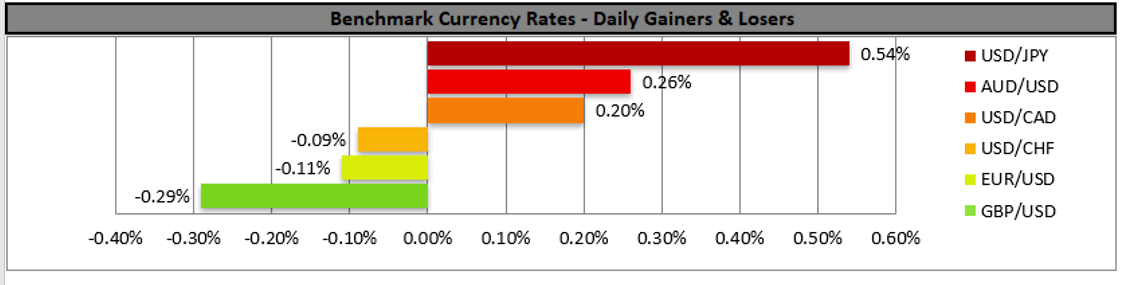
- USD maintains its firm tone against the major pairs as market participants continue to see the Fed implementing its taper plans in Nov despite the recent weak US payroll report. Most currencies weaken against USD amid growing inflation concerns. Recent strength in commodities prices coupled with wage increases appear to be fueling more persistent price pressures thus challenging central banks expectations.
- EUR/USD at 1.1565 area. Inflation and raw material bottlenecks appear to be another headwind for any upward momentum.
- GBP/USD back below the 1.36 level despite decent UK jobs data. Dealers noted the data signaled that inflation might be less transitory than initially thought (**Reminder: BOE Gov Bailey had already acknowledged that inflation would be less transient than the BOE had initially predicted). Most analysts continue to bring forward their call for the 1st BOE rate hike before Feb 2022.
- Higher US yield advantage continued to push the JPY currency to 3-year lows with USD/JPY firmly above the 113 level.
Economic data
- (SE) Sweden Sept PES Unemployment Rate: 3.7 v 3.8% prior.
- (NL) Netherlands Aug Trade Balance: €4.5B v €5.8B prior.
- (DE) Germany Sept Wholesale Price Index M/M: 0.8% v 0.5% prior; Y/Y: 13.2% v 12.3% prior.
- (UK) Sept Jobless Claims Change: -51.1K v -88.0K prior; Claimant Count Rate: 5.2% v 5.4% prior.
- (UK) Aug Average Weekly Earnings 3M/Y: 7.2% v 7.0%e; Earnings (ex-bonus) 3M/Y: 6.0% v 6.0%e.
- (UK) Aug ILO Unemployment Rate: 4.5% v 4.5%e; Employment Change 3M/3M: +235K v +250Ke.
- (NO) Norway Q3 House Price Index Q/Q: 1.1% v 2.6% prior.
- (RO) Romania Sept CPI M/M: 0.8% v 0.2% prior; Y/Y:6.3 % v 5.8%e.
- (FR) Bank of France Sept Industrial (Business) Sentiment: 100 v 103e.
- (TR) Turkey Aug Industrial Production M/M: 5.4% v 3.7%e; Y/Y: 13.8% v 10.5%e.
- (DE) Germany Oct ZEW Current Situation Survey: # v 28.0e; Expectations Survey: # v 24.0e.
- (EU) Euro Zone Oct ZEW Expectations Survey: # v 31.1 prior.
Fixed income issuance
- (EU) European Union opened its book to sell EUR-denominated 15-year green Nextgeneration bond (NGEU); guidance seen -5bps to mid-swaps.
- (ID) Indonesia sold total IDR8.0T vs. IDR8.0T target in bills and bonds.
- (NL) Netherlands Debt Agency (DSTA) sold €1.75B vs. €1.0-2.0B indicated range in of 2.75% Jan 2047 DSL Bonds; Avg Yield: 0.357% v 0.403% prior.
- (UK) DMO sold £1.25B in 0.5% Oct 2061Gilts; Avg Yield: 1.414% v 1.127% prior; bid-to-cover: 2.52x v 2.39x prior; Tail: 0.2bps v 0.2bps prior.
- (IT) Italy Debt Agency (Tesoro) sold €6.0B vs. €6.0B indicated range in 12-month Bills; Avg Yield: -0.474% v -0.477% prior; Bid-to-cover: 1.30x v 1.42x prior.
Looking ahead
- 05:15 (CH) Switzerland to sell 3-month Bills.
- 05:25 (EU) Daily ECB Liquidity Stats.
- 05:30 (ZA) South Africa Aug Total Mining Production M/M: 0.5%e v 4.1% prior; Y/Y: 3.1%e v 10.3% prior; Gold Production Y/Y: No est v 13.4% prior; Platinum Production Y/Y: No est v 10.3% prior.
- 05:30 (HU) Hungary Debt Agency (AKK) to sell 3-Month Bills.
- 05:30 (DE) Germany to sell €5.0B in 0% Sept 2023 Schatz.
- 05:30 (BE) Belgium Debt Agency (BDA) to sell €0.6-1.0B in 3-month and 12-month bills.
- 05:30 (EU) ECB allotment in 7-Day Main Refinancing Tender (MRO).
- 05:30 (ZA) South Africa to sell combined ZAR3.9B in 2030,2040 and 2048 bonds.
- 06:00 (IL) Israel Sept Consumer Confidence: No est v 93 prior.
- 06:00 (US) Sept NFIB Small Business Optimism Index: 99.5e v 100.1 prior.
- 06:00 (FI) Finland to sell €1.0B in 9-month and 12-month bills.
- 06:30 (EU) ESM to sell €1.1B in 12-month Bills.
- 06:45 (US) Daily Libor Fixing.
- 07:00 (ZA) South Africa Aug Manufacturing Production M/M: +6.1%e v -8.0% prior; Y/Y: +0.2%e v -4.1% prior.
- 07:00 (MX) Mexico Aug Industrial Production M/M: -0.6%e v +1.1% prior; Y/Y: 4.2%e v 7.3% prior; Manufacturing Production Y/Y: 4.4%e v 6.2% prior.
- 07:45 (FR) ECB's Villeroy (France).
- 08:00 (IN) India Sept CPI Y/Y: 4.5%e v 5.3% prior.
- 08:00 (IN) India Aug Industrial Production Y/Y: 11.7%e v 11.5% prior.
- 08:00 (UK) Daily Baltic Dry Bulk Index.
- 08:30 (IE) ECB's Lane (Ireland, chief economist).
- 08:55 (US) Weekly Redbook LFL Sales data.
- 09:00 IMF updates its World Economic Outlook (WEO): 2021 Global Growth Forecast currently at 6.0%.
- 09:00 (RU) Russia Aug Trade Balance: $16.4Be v $23.2B prior; Exports: $46.5Be v $49.5B prior; Imports: $27.3Be v $26.3B prior.
- 09:00 (EU) Weekly ECB Forex Reserves.
- 09:00 (NL) ECB's Elderson (Netherlands, SSM member).
- 09:00 (RU) Russia announcement on upcoming OFZ bond issuance (held on Wed).
- 09:00 (EU) ECB weekly QE bond buying update.
- 09:45 (UK) BOE to buy £1.47B in APF Gilt purchase operation (20+ years).
- 10:00 (US) Aug JOLTS Job Openings: 10.938Me v 10.934M prior.
- 10:00 (MX) Mexico Weekly International Reserve data.
- 10:30 (CA) Canada to sell in 3-month, 6-month and 12-month bills.
- 11:30 (US) Treasury to sell 13-week and 26-week bills.
- 11:30 (US) Treasury to sell 3-Year Notes.
- 12:30 (US) Fed’s Bostic on inflation at Peterson Institute.
- 13:00 (MX) Mexico Sept Total Formal Job Creation: No est v +128.9K prior.
- 13:00 (US) Treasury to sell 10-Year Notes Reopening.
- 16:30 (US) Weekly API Oil Inventories.
- 17:45 (NZ) New Zealand Sept Food Prices M/M: No est v 0.3% prior.
- 19:00 (KR) South Korea Sept Unemployment Rate: 3.0%e v 2.8% prior.
- 19:30 (AU) Australia Oct Consumer Confidence Index: No est v 106.2 prior.
- 19:50 (JP) Japan Sept M2 Money Supply Y/Y: 4.3%e v 4.7% prior; M3 Money Supply Y/Y: 3.9%e v 4.2% prior.
- 19:50 (JP) Japan Aug Core Machine Orders M/M: 1.4%e v 0.9% prior; Y/Y: 13.9%e v 11.1% prior.
- 20:00 (NZ) New Zealand Oct Preliminary Business Confidence: No est v -7.2 prior; Activity Outlook: No est v 18.2 prior.
- 20:00 (AU) Australia to sell A$1.0B in 1.25% 2032 Bonds.
- 21:10 (JP) BOJ Outright Bond Purchase Operation; to buy 1~3 Years and 5~10 Years maturities.
- 22:30 (KR) South Korea to sell KRW800B in 2-year Bonds.
- 23:00 (KR) South Korea Sept Total Bank Lending To Household (KRW): Nio est v 1046.3T prior.
- 23:00 (KR) South Korea Aug M2 Money Supply M/M: No est v 0.9% prior; "L" Money Supply M/M: No est v 0.9% prior.
- 23:00 (CN) China to sell 3-year and 7-year Bonds.
Yen Smashed By Rising Yields
- Japanese yen gets hit by soaring bond yields and energy prices
- Stock markets continue to grapple with a myriad of risks
- Sterling weighs BoE rate hikes, euro/dollar remains heavy
Nightmare environment for yen
A powerful recovery in bond yields across the world is inflicting some serious damage on the Japanese yen. The Bank of Japan’s yield curve control strategy essentially keeps a ceiling on Japanese yields, rendering them unable to join the global rally and making the yen less attractive as interest rate differentials widen against it.
Global yields have been propelled higher by expectations for stickier cost inflation, with supply chains in disarray and energy prices going berserk. Investors are betting central banks will eventually respond by raising rates to tame inflationary forces. But the BoJ will probably be the last one to do so given Japan’s chronic battle against deflation. The nation’s heavy reliance on energy imports also dims the outlook for growth.
Even the nervousness in equity markets couldn’t stop the bleeding in the yen, which is generally seen as a safe haven. Looking ahead, the outlook remains negative in an environment of monetary policy divergence between Japan and most major economies. Carry trades are coming back into fashion and the yen is the market’s favorite funding currency.
The saving grace for the Japanese currency would be some massive shock that sparks panic in the markets and pushes investors back into bonds for safety, calming yields down. However, this doesn’t seem likely since most of the risks facing markets are linked to inflation and higher rates.
Wall Street loses altitude
Stock markets started the week on the wrong foot. From paralyzed supply chains to an energy crisis that threatens to cripple Europe and Asia to growing credit risks in the Chinese property sector, there are several threats on the radar forcing traders to play defense.
It’s a perfect storm. Supply chains seem overwhelmed, with disruptions spilling over from ports to the mainland lately amid lorry driver shortages, squeezing corporate profit margins as transportation and energy costs soar simultaneously. This burden could be passed onto consumers, taking a bite out of real incomes.
The fear is that global growth slows down as companies can’t cover demand but inflation remains hot thanks to cost pressures - a toxic combination that central banks are powerless against. And with the fallout from Evergrande spreading across the Chinese property market with more developers missing debt payments, there is a dimension of credit risk as well.
That said, this isn’t a catastrophe either. Growth is unlikely to slow enough to turn this into another recession and investors remain fairly confident that any credit events in China will remain isolated. Hence, there is light at the end of the stagflation tunnel, although it’s too early to call for the bottom ahead of an earnings season that will likely echo worries around growth and inflation.
Sterling fears BoE error, euro struggles
In the broader FX arena, sterling remains caught in limbo, incapable of capitalizing on mounting bets that the Bank of England will raise rates this year. British inflation expectations have skyrocketed, signaling that this inflation episode will be persistent as the UK is suffering more acute supply disruptions than most economies.
Markets are saying the BoE will respond by raising rates, but central banks can’t fix broken supply chains, so there is a risk this will be a policy mistake that simply chokes the recovery. As for the pound, the BoE is already priced very aggressively, so the currency’s fortunes now hang mostly on how risk sentiment fares.
Meanwhile, euro/dollar remains heavy. The picture still seems negative amid Fed/ECB divergence, safe-haven demand for the dollar, and the American economy escaping a global slowdown with only minor injuries thanks to its self-sufficiency on energy.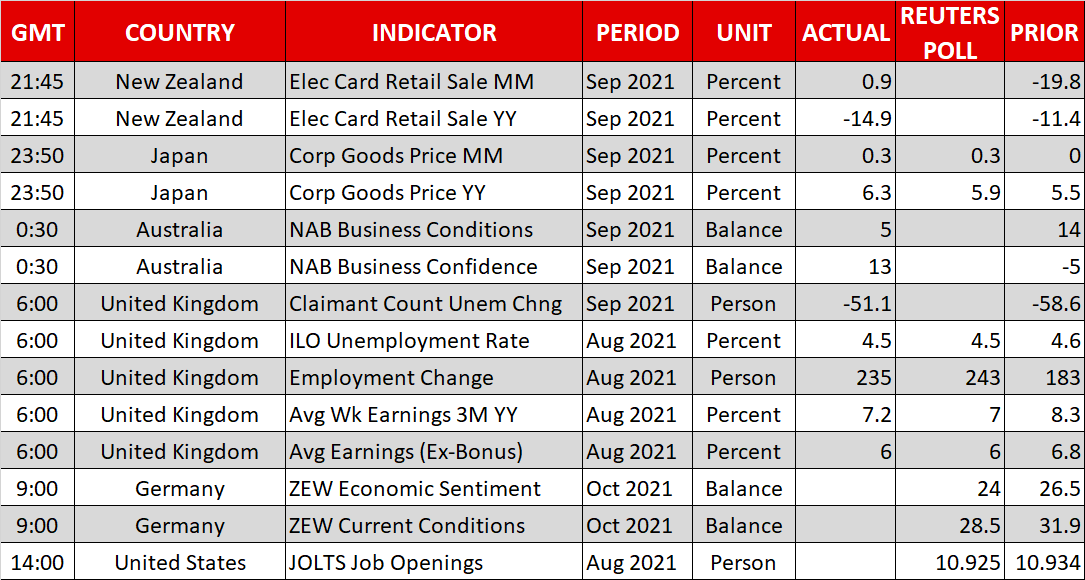
Rising Energy Prices Threaten Economic Recovery In The US, Europe, And Asian Countries
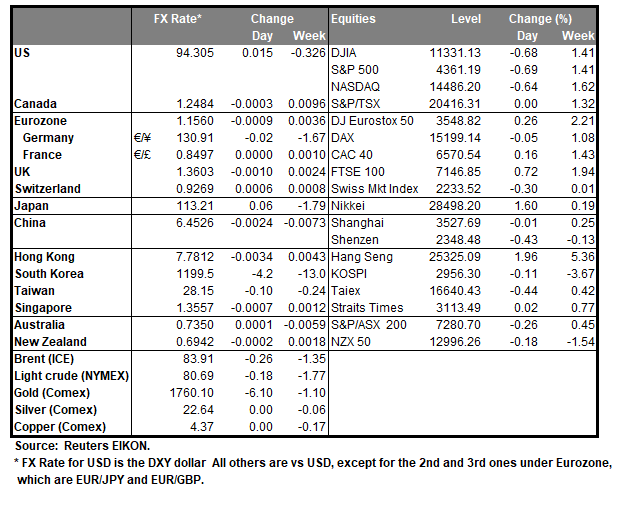
Yesterday, Columbus Day was celebrated in the United States, but the stock exchanges were open. Only US Treasuries were not traded. The US indices decreased by the end of the day. The Dow Jones Industrial Average fell 0.72%, the S&P 500 lost 0.69% and the Nasdaq decreased by 0.64%. Investors continue to monitor the problem of the US debt ceiling. Refusal of the Republicans to approve the increase in the national debt limit in December will be a "disaster" for the US. But analysts are confident that politicians will find a common ground. The start of the third-quarter earnings season will allow investors to gauge the impact of rising inflation, supply chain problems, labor shortages, and a jump in energy prices on companies' performance. Wall Street analysts expect S&P 500 index companies' third-quarter earnings to rise 28%, compared with the same period last year. However,year-end forecasts will be weak.
Pharmaceutical companies Merck and Ridgeback filed requests with the US Food and Drug Administration (FDA) to approve a medicine against COVID-19. They did it after positive results from a study of the Molnupiravir drug.
US airline Southwest Airlines is facing a shortage of flight crews.
European stock indices were mostly down yesterday. German DAX decreased by 0.05%, French CAC 40 lost 0.16%, Italian FTSE MIB fell 0.46% and Spanish IBEX 35 lost 0.63%. The exception was the British FTSE 100, which increased by 0.72%. Rising energy prices could lead to higher inflation in the coming months. It may limit consumer spending on other products and services and ultimately slow the US, European and Asian economic recovery to the point of recession.
The Turkish lira decreased to 9 liras against the dollar for the first time in history. The Turkish lira is now the world's worst-performing currency in 2021 (-17.4% YTD). But Turkey's leader Erdogan said yesterday that Turkey's economy would get stronger every day.
WTI crude oil jumped above $82 amid the global energy crisis, hitting a 7-year high. Fuel, coal, and natural gas prices are skyrocketing in Europe and Asia. Fossil fuel stocks run out ahead of winter, prompting a switch to petroleum products such as diesel and kerosene. The US supports calls for OPEC+ to increase production to support the global economic recovery. In turn, Qatar announces that it will not rejoin OPEC+ because it contradicts state policy.
Industrial metal prices continue to rise. The aluminum price on LME exceeded $3,000 per ton for the first time since July 2008.
The global auto industry is experiencing the sharpest drop in production since May 2020, as parts shortages hit all production facilities.
The Coffee Federation announces that rising coffee prices have caused widespread supply chain disruptions around the world. As many as 1 million bags, or nearly 10% of Colombia's coffee crop, cannot get to distributors.
Another Chinese developer, Sinic is likely to default on $250 million in bonds. At the same time, China Evergrande bondholders again failed to receive coupon payments at the end of the US trading day. China's leader Xi Jinping has launched the largest financial probe of the real estate sector since he came to power. Meanwhile, Morgan Stanley has upgraded its view on China's property sector to "attractive" as it sees an increasing likelihood of easing measures considering default risks and weakness in the housing market.
Thailand softened entry rules for vaccinated tourists. Thailand will lift quarantine restrictions for vaccinated visitors from certain countries in November.
Japan's new Prime Minister Kishida claims that his country's sovereignty also extends to the Kuril Islands. Kishida wants to resolve the territorial disputes now rather than pass it to the next generations.
Main market quotes:
- S&P 500 (F) 4,361.19 −30.15 (−0.69%)
- Dow Jones 34,496.06 −250.19 (−0.72%)
- DAX 15,199.14 −6.99 (−0.05%)
- FTSE 100 7,146.85 +51.30 (+0.72%)
- USD Index 94.39 +0.33 (+0.35%)
Important events for today:
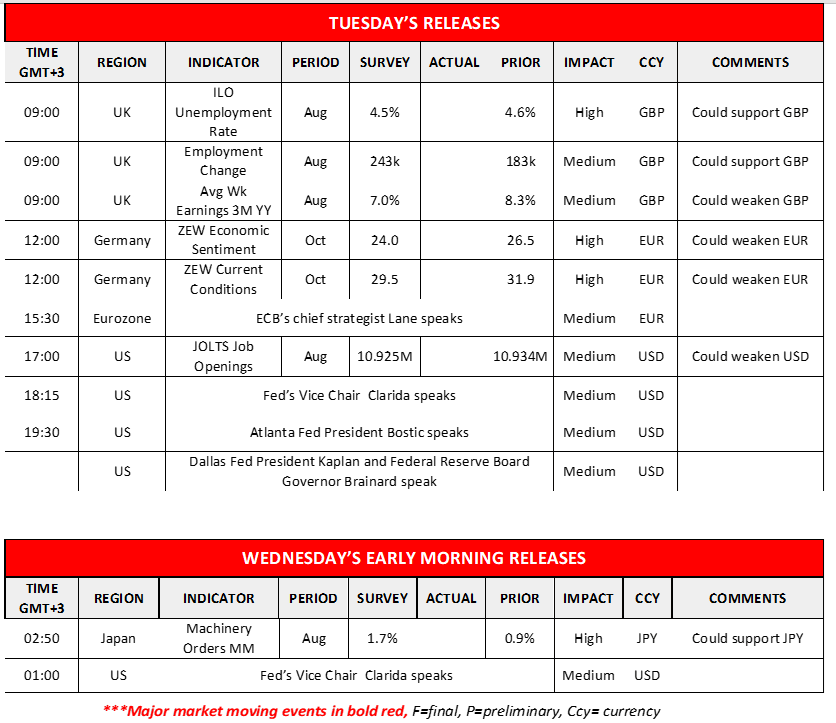
- Japan Producer Price Index (m/m) at 02:50 (GMT+3);
- UK Average Earnings Index (m/m) at 09:00 (GMT+3);
- UK Claimant Count Change (m/m) at 09:00 (GMT+3);
- UK Unemployment Rate (m/m) at 09:00 (GMT+3);
- Germany ZEW Economic Sentiment (m/m) at 12:00 (GMT+3);
- Eurozone ZEW Economic Sentiment (m/m) at 12:00 (GMT+3);
- US JOLTs Job Openings (m/m) at 17:00 (GMT+3);
- US FOMC Member Clarida’s Speech at 18:15 (GMT+3);
- US FOMC Member Bostic’s Speech at 19:30 (GMT+3).
Oil Steady, Gold Under Pressure
Oil holds its Monday gains
Oil prices powered higher overnight with Brent crude nearing USD 85.00 and WTI USD 82.00 a barrel as the Asia rally continued into New York. Only a statement by a US official saying stocks could be released from the SPR capped the gains, leading to a small retreat into the close. Brent crude finished 1.33% higher at USD 83.65, and WTI rose 1.25% to USD 80.50 a barrel for the session.
In Asia, prices are almost unchanged. Asia is not chasing prices higher today and part of that reason could be because the short-term technical indicators have entered overbought territory. Combined with reports of huge, long speculative positioning in the futures markets, it would not surprise me in the least, if we saw a sharp sell-off of 5 to 8 dollars a barrel at some stage this week. As I have stated previously though, given the state of play in the physical market, a speculative long culling will be a dip to buy and is likely to be very short-lived in duration.
Brent crude has resistance at USD 85.00 and USD 87.00 a barrel, with support at USD 82.00 a barrel. WTI has resistance at USD 82.00, with support at USD 78.70 a barrel. Once again, watch the relative strength indexes (RSIs) this week. The higher into overbought territory they go, the deeper the short-term correction lower will be.
Gold nervously poised above support
Gold prices edged lower overnight in a dull session, gold finishing just 0.14% lower at USD 1753.50 an ounce before reversing those losses exactly to USD 1757.00 an ounce in listless Asian trading today. Having failed at USD 1780.00 an ounce on Friday, gold is now ominously consolidating at the bottom of its week’s range near USD 1750.00 an ounce.
The US dollar did not continue correcting lower as I expected, and gold can probably thank the US bond market’s closure overnight for not finishing the day much lower. Gold is now in danger of testing support and its fate is entirely in the hands of US yields this evening.
If US yields trade sideways this week, gold should trade in a USD 1740.00 to USD 1780.00 an ounce range with an upside bias. Critical support lies at USD 1720.00 an ounce, and if US yields rise, it could be tested. The USD 1800.00 region, with the 100 and 200-day moving averages (DMAs) each side of it, remains a formidable barrier.
US Dollar Extends Gains
The US dollar rally resumes, boosted by energy
New York spent the overnight session in risk aversion mode, and you can take your pick from a menu of reasons why. The Fed taper and higher US bond yields, legislative fixture congestion, and the debt ceiling now that the Senate is in recess, fears that US and global growth are slowing, the list goes on. The fact that energy prices are surging, and that internationally, most is priced and transacted in US dollars seems to have been overlooked, but logically, higher energy prices mean more US dollars need to be bought.
Uncertainty and the underlying current that the Fed backstop is drawing to a close saw the US dollar rise overnight, the dollar index rose 0.27% to 94.36 where it remains in Asia. The index has well-denoted resistance between 94.45 and 94.50, just above, which has capped rallies over the past 10 days. A daily close above 94.50 will signal the next leg of the US dollar rally is in play. Only a fall through 93.50 changes the bullish outlook temporarily.
The EUR/USD recovery has been capped at 1.1600 and the single currency has eased back to 1.1555 in Asia. A combination of high energy prices and a rising yield differential will crimp the euro from here and a fall through 1.1500 signals the next stage of its retreat. Likewise, sterling has failed ahead of 1.3650 and has fallen to 1.3595 in Asia. The possibility of a Bank of England hike in November appears to be priced into sterling for now and more pressing domestic issues will now drive price action. A fall through 1.3550 signals a retest of 1.3400 but a BOE hike will at least provide some support, especially versus the EUR.
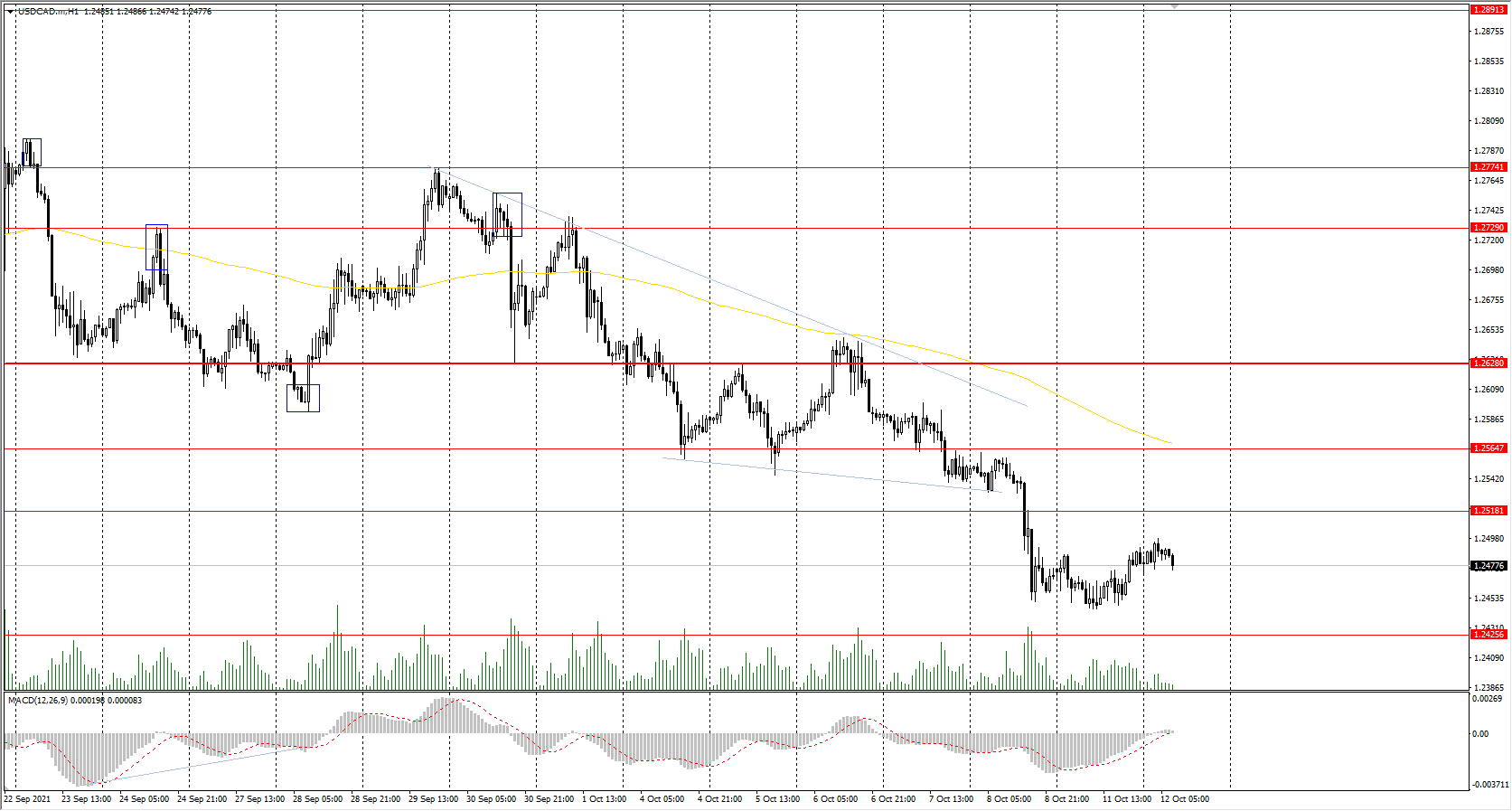
The yield differential play was there for all to see in USD/JPY overnight, as was the impact of higher US dollar-priced energy on Asia. USD/JPY leapt 1.0% higher to 113.35 overnight where it remains in Asia today. USD/JPY has now risen nearly 200 points in just two days. The rally will depend on US bond yields this evening in New York, but a test of 114.00 appears imminent. Both the Australian and New Zealand dollars remained steady overnight, in no small part due to the upside breakouts in AUD/JPY and NZD/JPY. That will provide a modicum of support going forward to both Antipodeans even if the risk-sentiment atmosphere globally continues souring, leading to US dollar buying.
China continues to hold the USD/CNY steady around 6.4500, with one eye on its imported energy bill. Elsewhere though, regional currencies are in retreat. USD/KRW has risen 0.30% to 1199.00 today despite the BOK threatening intervention. We will hear many such statements from across the region going forward. USD/IDR and USD/MYR have risen modestly in Asia and are regional outperformers thanks to booming energy and commodity prices. That should continue shielding them from the worst of the upcoming US dollar rampage. The baht has risen by 0.45% today on the tourism reopening news, but I expect its day in the sun to be fleeting.
The Indian rupee sank again overnight, USD/INR rising of 75.40 as of this morning. India remains amongst the most vulnerable to the coal and oil squeeze, and if inflation prints above 5.0% tonight, the RBIs stagflationary policy settings will sink the currency once again.
Oil-Induced Equity Slumps Spreads To Asia
Asian markets see red as oil flies upwards
WTI’s rise to 7-year highs spooked US equity markets overnight, with nerves increasing that the Q3 earnings season will contain tempered expectations for 2022. With equity valuations so pimped up, thanks to the world’s central banks, any changes to the assumed post-pandemic boom growth story could have an outsized negative effect. Of course, even after the Fed taper, interest rates will still be near zero, as they will be in most of the developed world. That is underlyingly supportive of equities, but markets are FOMO herd-like, I mean “forward-looking.” A wobbly earnings season could have the street looking for the exit door. If US bond yields resume their rise this week, that noise will increase.
Overnight, the S&P 500 retreated by 0.69%, with the Nasdaq losing 0.64% and the Dow Jones falling by 0.74%. Notably, the futures on all three have continued south in Asia, all three indexes slumping by around 0.50%. Although volumes were lighter overnight due to the partial US holiday, there does seem to be less buy-the-dip mania than in times past. Everything likely hinges on the opening of the US bond market this evening.
Asia rose yesterday on an individual series of positive news at a national level. That has evaporated today after the surge in oil prices overnight. The Nikkei 225 has fallen by 1.0% with the Kospi slumping by 1.45%. Mainland China’s Shanghai Composite has retreated by 1.0% as well with the CSI 300 falling by 0.45% with the Hang Seng tumbling by 1.20%.
In regional markets, Singapore is down by 0.55% with Taipei retreating by 1.15%. The energy and commodity price squeeze has left Indonesia and Malaysia as bright spots in Asia today. Jakarta is 0.60% higher, while Kuala Lumpur has climbed 0.45%. An aggressive reopening announced yesterday by Thailand has sent the SET 50 0.75% higher today. With their high beta to US markets, Australian markets have headed south in sympathy today. The ASX 200 and All Ordinaries have fallen by 0.45%.
European markets are unlikely to take solace from the performance of Asia today, especially as Europe and the UK have a particularly soft underbelly when it comes to energy prices. Continental markets are likely to open lower once again. US markets have the JOLTS and three Fed speakers to negotiate, but most importantly, any recovery will be dependant on US bond yields not rising as they return to work today.
The Analytical Overview Of The Main Currency Pairs
The EUR/USD currency pair
Technical indicators of the currency pair:
Prev Open: 1.1565
Prev Close: 1.1553
% chg. over the last day: -0.10%
The European Commission will consider joint gas purchases for EU countries as a response to the energy price hike. European companies are switching to the tight coal market due to soaring gas prices, but coal prices are also breaking records. Europe's energy crisis could accelerate inflation in the region.
Trading recommendations
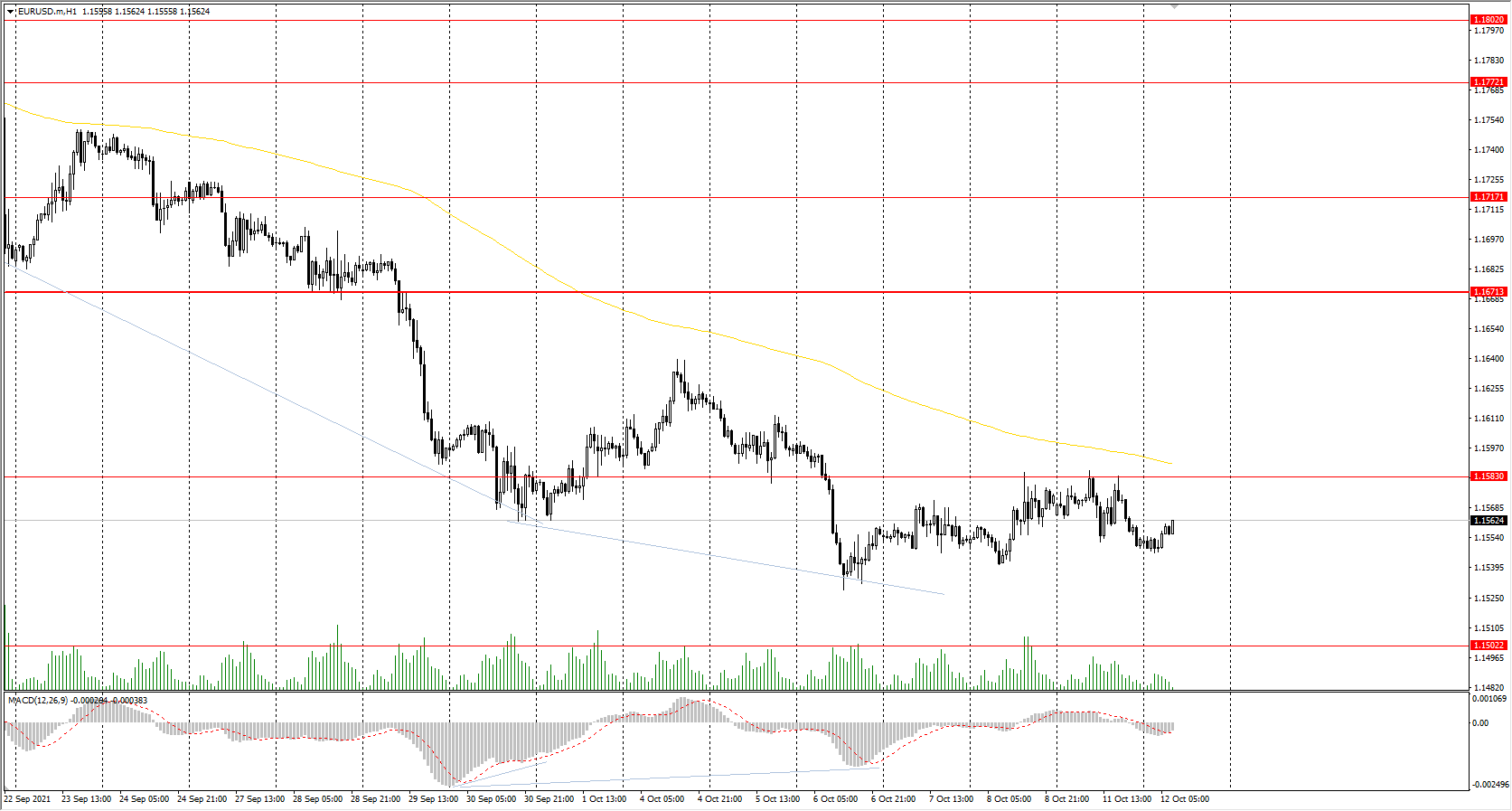
Support levels: 1.1502, 1.1453
Resistance levels: 1.1583, 1.1671, 1.1717, 1.1772, 1.1802, 1.1835
From the technical point of view, the EUR/USD trend is bearish. The MACD indicator has become inactive. The price is trading in a corridor. Under such market conditions, traders should consider sell deals from the resistance levels near the moving average. Buy trades should be considered only from the support levels with additional confirmation in the form of a buyers' initiative.
Alternative scenario: if the price breaks out through the 1.1671 resistance level and fixes above, the mid-term uptrend will likely resume.
News feed for 2021.10.12:
- Germany ZEW Economic Sentiment (m/m) at 12:00 (GMT+3);
- Eurozone ZEW Economic Sentiment (m/m) at 12:00 (GMT+3);
- US JOLTs Job Openings (m/m) at 17:00 (GMT+3);
- US FOMC Member Clarida’s Speech at 18:15 (GMT+3);
- US FOMC Member Bostic’s Speech at 19:30 (GMT+3).
The GBP/USD currency pair
Technical indicators of the currency pair:
Prev Open: 1.3609
Prev Close: 1.3594
% chg. over the last day: -0.11%
The UK considers helping industries hit by high energy prices. Global bank analysts believe that the Bank of England will raise interest rates by 15 basis points as early as this December.
Trading recommendations
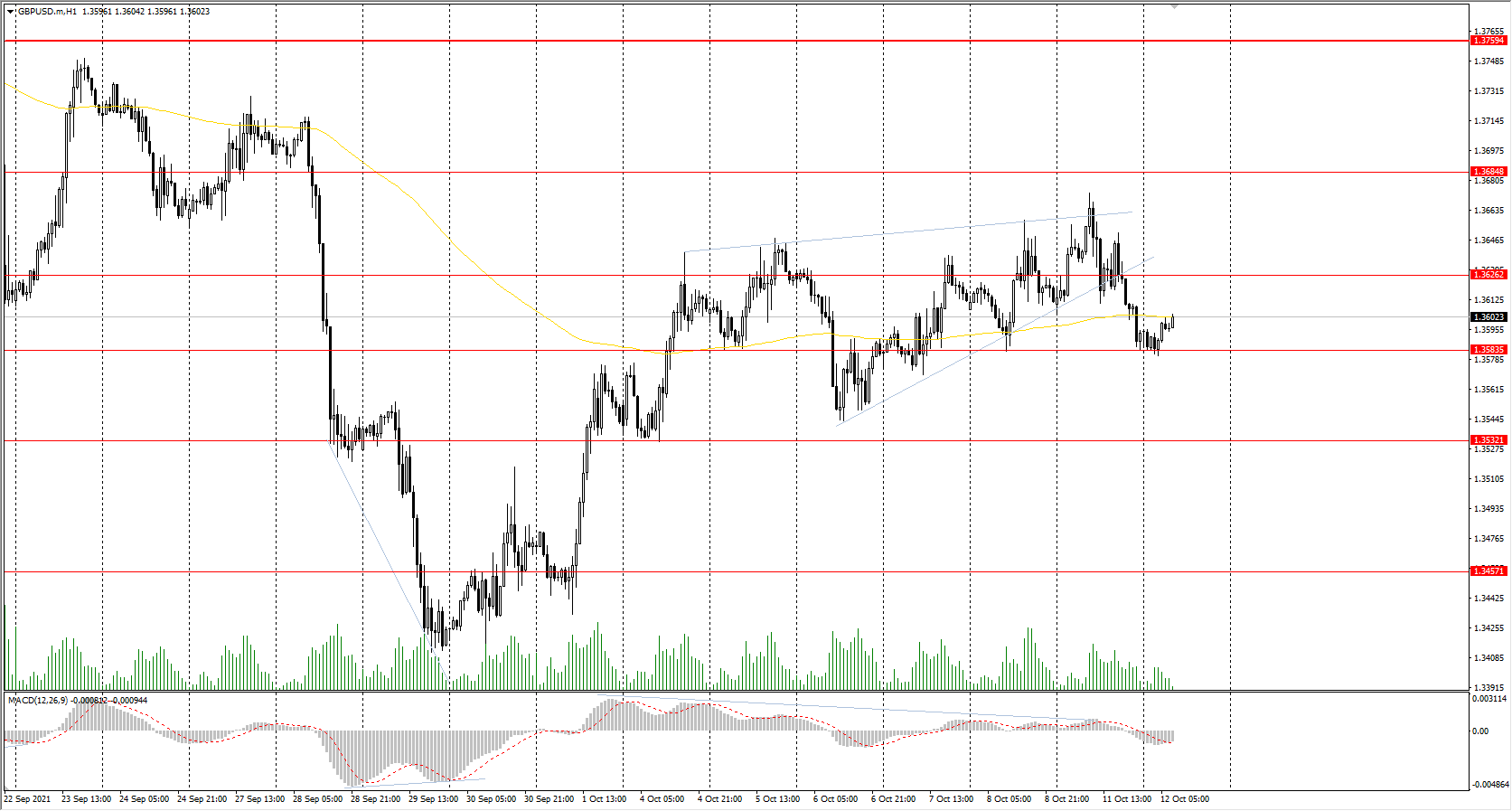
Support levels: 1.3584, 1.3532, 1.3457, 1.3360, 1.3282
Resistance levels: 1.3626, 1.3685, 1.3759, 1.3812, 1.3886
On the hourly time frame, the GBP/USD trend is bearish. However, the British currency looks more confident than the euro due to its direct correlation with oil prices. The MACD indicator has turned negative. The price broke down the triangle pattern. Buy trades should be considered only within the day and after the initiative price returns to the triangle. It is best to look for sell trades from the nearest resistance levels.
Alternative scenario: if the price breaks out through the 1.3759 resistance level and consolidates above, the bullish scenario is likely to resume.
News feed for 2021.10.12:
- UK Average Earnings Index (m/m) at 09:00 (GMT+3);
- UK Claimant Count Change (m/m) at 09:00 (GMT+3);
- UK Unemployment Rate (m/m) at 09:00 (GMT+3).
The USD/JPY currency pair
Technical indicators of the currency pair:
Prev Open: 112.14
Prev Close: 113.32
% chg. over the last day: +1.05%
The producer price index, which reflects the inflation rate for corporate goods or business-to-business inflation, reached 6.3% (previous value 5.8%), the highest level since August 2008.
Trading recommendations
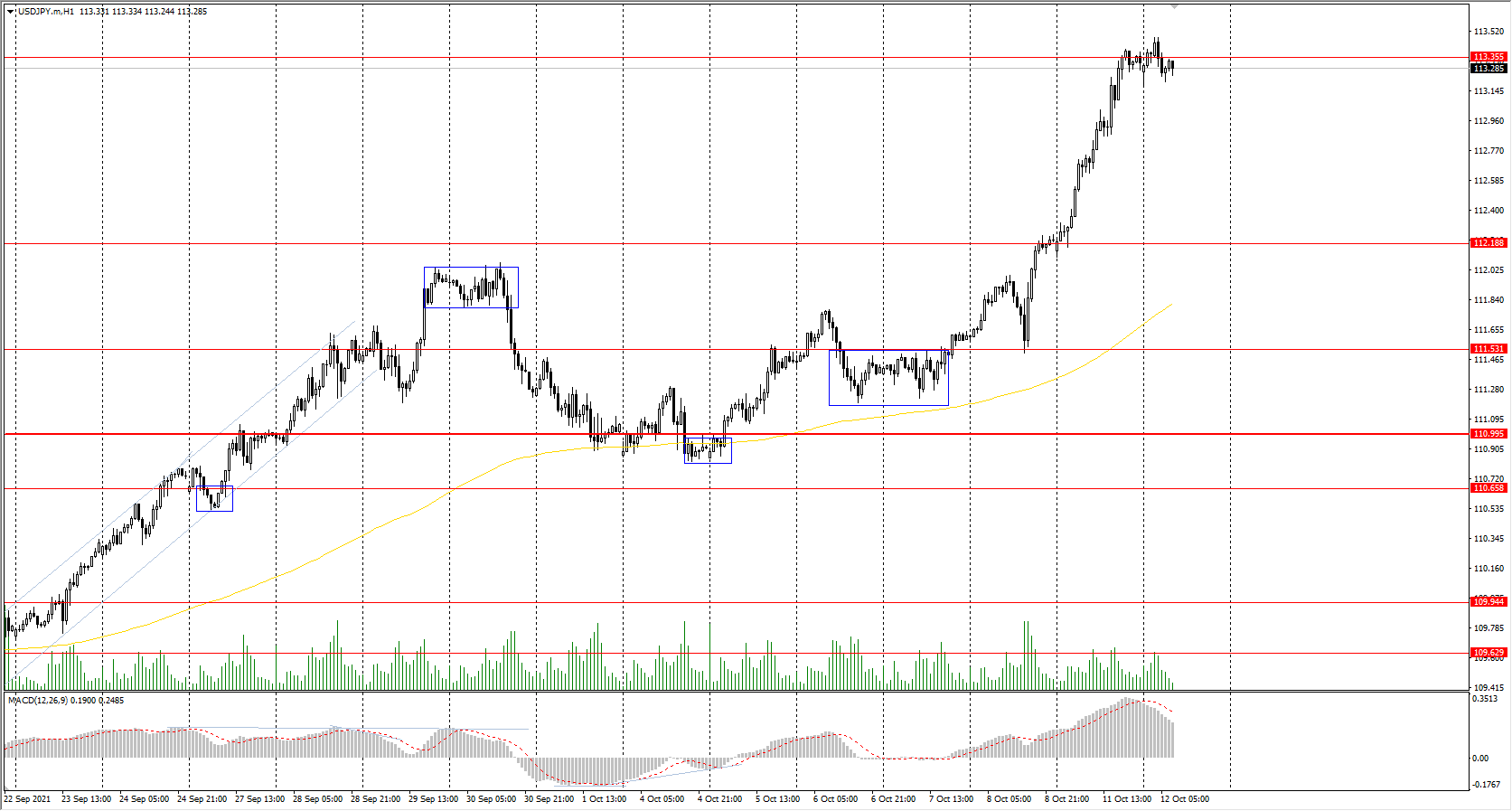
Support levels: 112.19, 111.53, 110.99, 110.65, 109.95, 109.63
Resistance levels: 113.35
The main trend of the USD/JPY currency pair is bullish. The Japanese yen is rapidly declining against the US dollar; the last time such a price was in 2019. The MACD indicator is positive. There are signs of overbuying, but no signs of reversal. Under such market conditions, it’s better to look for buy positions from the support levels near the moving average, since the price has deviated greatly from the average line. Sell positions should be considered only throughout the day from the resistance levels, given there is sellers' initiative.
Alternative scenario: if the price falls below 110.99, the uptrend is likely to be broken.
News feed for 2021.10.12:
- UK Average Earnings Index (m/m) at 09:00 (GMT+3);
- UK Claimant Count Change (m/m) at 09:00 (GMT+3);
- UK Unemployment Rate (m/m) at 09:00 (GMT+3).
The USD/JPY currency pair
Technical indicators of the currency pair:
Prev Open: 112.14
Prev Close: 113.32
% chg. over the last day: +1.05%
The producer price index, which reflects the inflation rate for corporate goods or business-to-business inflation, reached 6.3% (previous value 5.8%), the highest level since August 2008.
Trading recommendations
Support levels: 112.19, 111.53, 110.99, 110.65, 109.95, 109.63
Resistance levels: 113.35
The main trend of the USD/JPY currency pair is bullish. The Japanese yen is rapidly declining against the US dollar; the last time such a price was in 2019. The MACD indicator is positive. There are signs of overbuying, but no signs of reversal. Under such market conditions, it’s better to look for buy positions from the support levels near the moving average, since the price has deviated greatly from the average line. Sell positions should be considered only throughout the day from the resistance levels, given there is sellers' initiative.
Alternative scenario: if the price falls below 110.99, the uptrend is likely to be broken.
Yen Continues To Slip Lower
The Japanese Yen continued to be on the retreat against the USD yesterday, reaching a level not seen since 2018 but also lost ground against the common currency and the pound, yet seems to have paused for now during the Asian session. Fundamentally rising energy prices could create substantial issues for the energy hungry economy of Japan and may increase its needs for USD. Also US yields continued to be on the rise and characteristically the US 10 year yield reached a level not seen since last April as investors expect the Fed to announce the tapering of its QE program in November’s meeting thus weakening safe haven JPY, as the interest rate differentials were highlighted between BoJ and the FED. It should be noted that Japans’ corporate goods prices accelerated more than expected on a year-on-year level in September, while during tomorrow’s Asian session we get Japan’s Machinery orders growth rate for August. Overall though we expect fundamentals to play the primary role for JPYs’ direction.
USD/JPY continued to rise yesterday breaking the 112.50 (S1) resistance line, now turned to support. We maintain a bullish outlook for the pair, yet today’s stabilisation in the Asian session seems to suggest otherwise. The RSI indicator below our 4-hour chart is still above the reading of 70, which confirms the bullish sentiment on the one hand, yet on the other may imply that the pair is overbought and could correct lower. Should the bulls maintain control over the pair’s direction we may see it breaking the 113.70 (R1) resistance line and aim for the 114.55 (R2) level. Should on the other hand a correction lower be preferred by the market and the bears take over, we may see the pair reversing course, breaking the 112.50 (S1) support line and aim for the 112.25 (S2) level.
GBP traders focus on UK’s employment data
The pound remained stable against the USD, EUR and CHF, yet fundamentally a crisis seems to be simmering underneath the surface for GBP. On the monetary front BoE Saunders’ comment over the weekend, that households should get ready for significantly earlier rate hikes due to inflationary pressures, tended to underscore BoEs’ current hawkish profile. Fundamentally, the EU and the UK seem to be heading towards a collision over Brexit, specifically the border at Northern Ireland, once again. The issue on the other hand, could also serve in the UK as a deflection to the country’s current problems, created mostly by the shortage presented in the supply chains, which seems to torment the UK economy. Today we note the release of UK’s employment data for August which are forecasted to show a tightening of the UK employment market.
GBP/USD maintained a sideways motion, with its price action revolving around the 1.3600 (R1) level. Currently we tend to maintain a bias for the rangebound movement to be continued. Please note that the RSI indicator below our 4-hour chart runs along the reading of 50, implying a rather indecisive market. Should the pair’s price action start to decline we may see it aiming if not breaching the 1.3430 (S1) support line which reversed the pair’s downward movement on the 29th of September. On the other hand should buyers be in control of the cable’s direction, we may see it breaking clearly the 1.3600 (R1) level and aim if not breach the 1.3750 (R1) resistance line which capped the pair upward movement on the 23rd of September.
Today’s events and expectations
Today during the European session, we get from the UK, August’s employment data and from Germany, October’s ZEW indicators. In the American session, we get the US JOLTS Job openings for August. On the monetary front, we note ECB’s Lane, Fed’s Vice Chair Clarida, Atlanta Fed President Bostic, Dallas Fed President Kaplan and Federal Reserve Board Governor Brainard are scheduled to speak. Also during tomorrow’s Asian session we get Japans’ machinery orders for August.
USD/JPY H4 Chart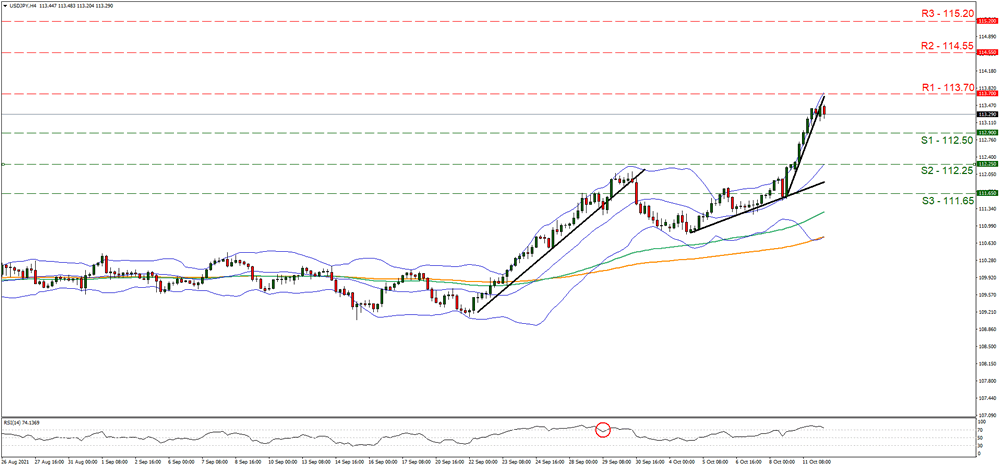
Support: 112.50 (S1), 112.25 (S2), 111.65 (S3)
Resistance: 113.70 (R1), 114.55 (R2), 115.20 (R3)
GBP/USD H4 Chart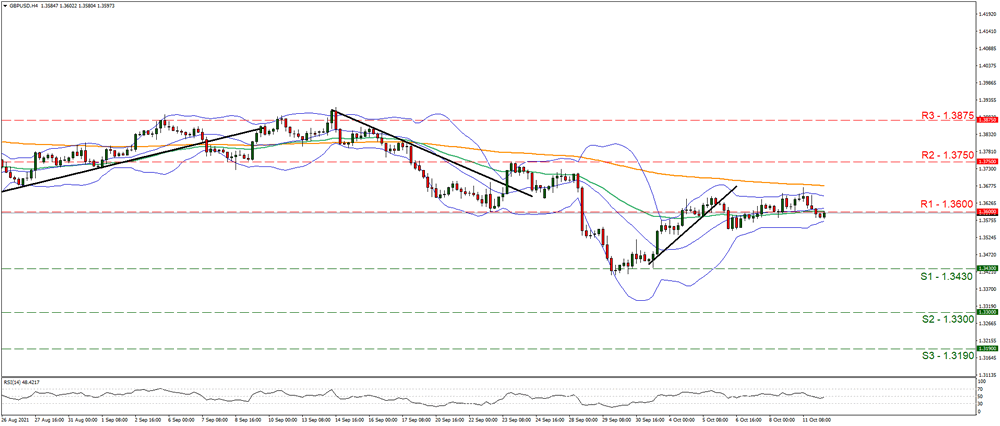
Support: 1.3430 (S1), 1.3300 (S2), 1.3190 (S3)
Resistance: 1.3600 (R1), 1.3750 (R2), 1.3875 (R3)