Sample Category Title
BoJ’s government debt holdings jumped to record high
BoJ's government debt holdings jumped to record high in the period of October to December 2017. By the end of December, holdings jumped 6.8% yoy to JPY 449T. That equaled to 41.1% of all Japanese government debt. Insurance and pensions holdings was a distant second, at JPY 21.6T only. Overseas holdings also rose to JPY 122T, a record high.
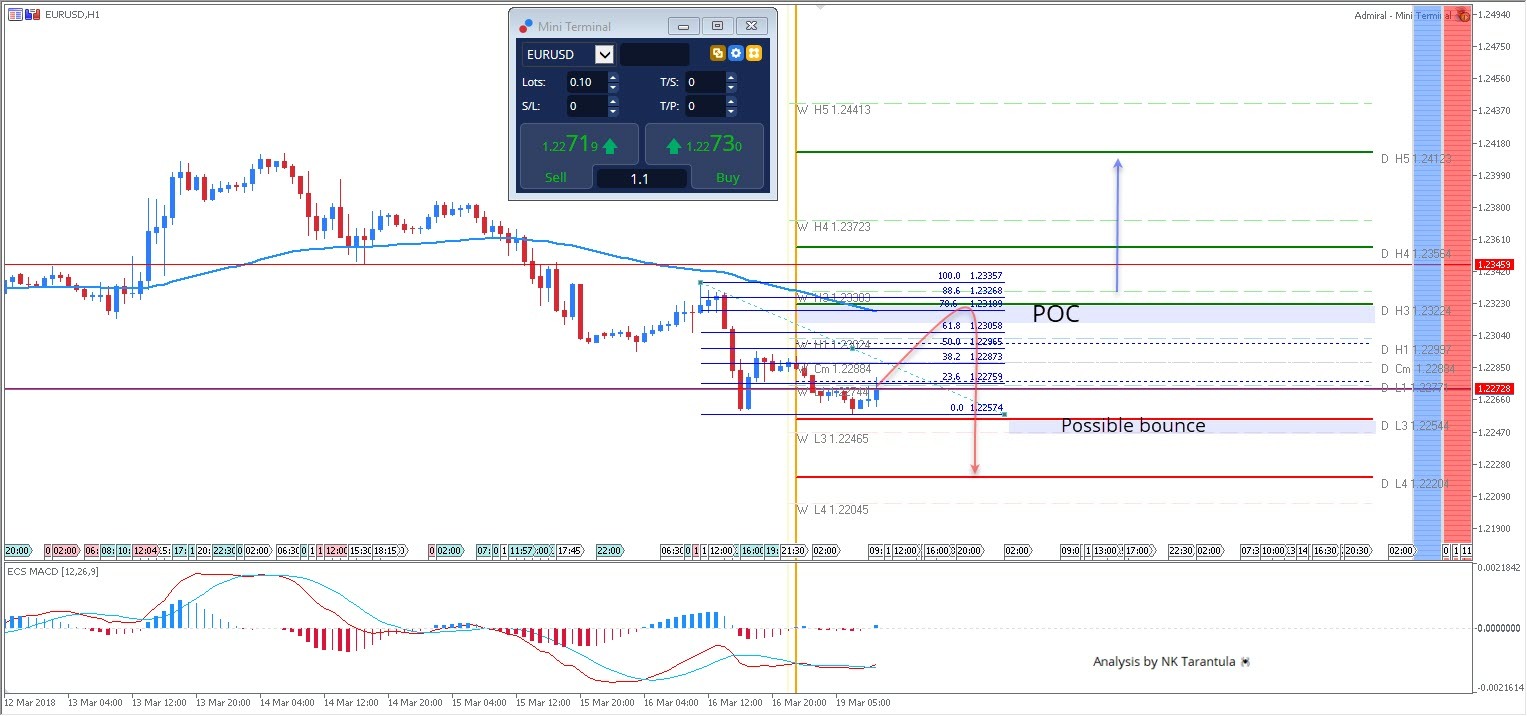
EURUSD Possible Bounce At W L3 -1.2246
The EUR/USD has reached 1.2257 and bounced just above W L3 level 1.2246. At this point the W L3 holds the pair from further drop as it makes a confluence with D L3 level. If we see a retracement, pay attention to 1.2305-20 the POC zone. The EUR/USD might reject from the zone re-testing 1.2254-46. Further drop is expected below W L3 towards 1.2220 and 1.2204. Only 4h close above W H3-1.2338 should bring the pair into the bullish mode targeting 1.2372.
W H3 - Weekly Camarilla Pivot (Weekly Interim Resistance)
W L3 - Weekly Camarilla Pivot (Weekly Interim Support)
W H3 - Weekly Camarilla Pivot (Weekly Interim Resistance)
W H4 - Weekly Camarilla Pivot (Strong Weekly Resistance)
D H4 - Daily Camarilla Pivot (Very Strong Daily Resistance)
D L3 – Daily Camarilla Pivot (Daily Support)
D L4 – Daily H4 Camarilla (Very Strong Daily Support)
POC - Point Of Confluence (The zone where we expect price to react aka entry zone)
Technical Outlook: EURUSD – Bears Probe Below 55SMA Again, All Eyes On Fed
The Euro stands at the back foot at the beginning of the week, with FOMC meeting being in focus.
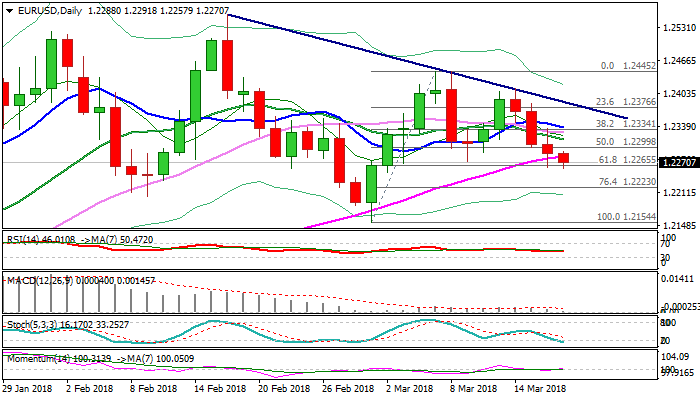
Fresh probes below 55SMA (1.2282) and 1.2265 (Fibo 61.8% of 1.2154/1.2445 upleg) which were cracked last Friday, keep near-tern negative tone in play.
Firm break here would signal extension of bear-leg from 1.2412 (14 Mar lower top) towards key supports at 1.2154 / 27 (month’s low / base of thick daily cloud).
Bearish setup of daily MA’s is conflicted by rising 14-d momentum moving into positive territory and oversold slow stochastic, which could delay bears.
Broken daily cloud top marks initial barrier at 1.2295 and so far caps today’s action, with stronger upticks expected to hold below 1.2355 (converged daily Tenkan / Kijun-sen).
The first FOMC policy meeting under command of new Fed chief Powell is closely watched. Markets are widely expecting 0.25% hike this week, as expectations were supported by recent positive US data which signaled strong US economy’s growth.
With rate hike already priced in, the focus turns towards Fed’s post-meeting comments, as traders looks for signals for increasing pace of tightening which would include four rate hikes, rather than three, projected at Fed’s meeting last December.
More hawkish Fed would boost the dollar and sent Euro below pivotal supports at 1.2172/27 zone (Fibo 38.2% of 1.1553/1.2555 rally / daily cloud base) which would generate reversal signal.
Res: 1.2295, 1.2336, 1.2355, 1.2383
Sup: 1.2260, 1.2223, 1.2205, 1.2154
G20 Meeting In Focus And A Look At The Week Ahead
All Day, the G20 is due to meet about a range of global economic issues including regulation of cryptocurrencies, in Buenos Aires. Headlines may affect any market depending on the context.
At 13:40 GMT, US FOMC Member Bostic is due to speak about the future of community development at the National Interagency Community Reinvestment Conference, in Miami. Audience questions are expected and USD crosses may be impacted.
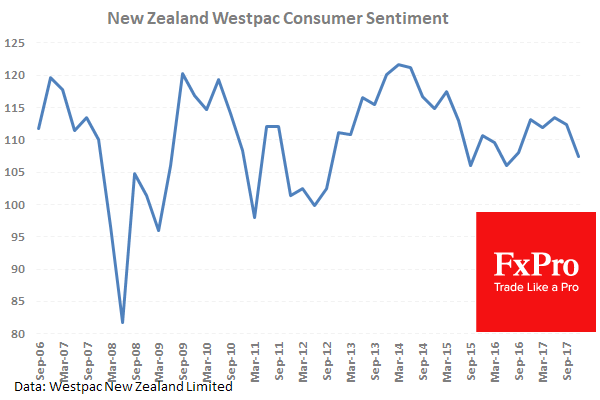
At 21:00 GMT, New Zealand Westpac Consumer Survey (Q1) is expected, with a prior number of 107.4. NZD crosses may be affected by this data.
Major data releases for this week:
On Tuesday, at 00:30 GMT, RBA Meeting Minutes will be released. AUD crosses may move in reaction to this data.
At 09:30 GMT, UK Consumer Price Index Data will be released
On Wednesday, at 09:30 GMT, UK Average Earnings data will be published.
At 18:00 GMT, the US Fed Interest Rate Decision will be announced with the Monetary Policy Statement and FOMC Economic Projections. A Press Conference will follow at 18:30 GMT.
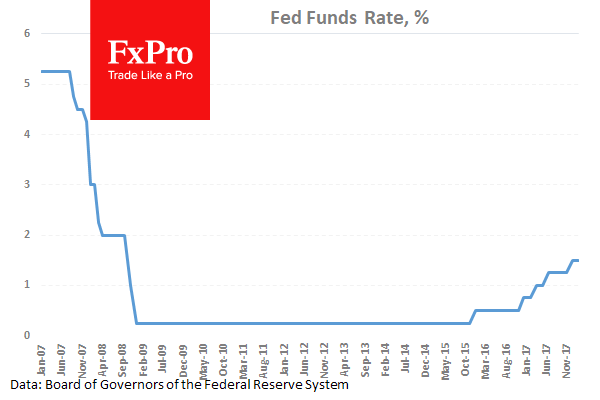
At 20:00 GMT, the RBNZ Interest Rate Decision and Rate Statement will be released.
On Thursday, at 01:30 GMT, Australian Employment data will be published.
At 12:00 GMT, the UK BOE Interest Rate Decision will be announced with the Monetary Policy Summary, BOE Minutes and the level of the Asset Purchase Facility. GBP crosses may be moved by this data.
On Friday, at 12:30 GMT, Canadian Retail Sales data will be released along with Consumer Price Index data.
Currencies: EUR/USD Locked In Indecisive Trading Pattern
Rates: More divergence between US Note future and Bund
Last week’s technical break in the Bund/German 10-yr yield suggests further outperformance vs the US Note future, also taking into account Wednesday’s FOMC meeting. We expect a hawkish shift in the new dot plot, reflecting a strong assessment of the US economy by Fed governors.
Currencies: EUR/USD drifts south ahead of FOMC decision
FX markets traded on some potential divergence between the US and Europe last week. Soft ECB comments and low inflation might delay ECB policy normalization. At the same time, investors don’t want the be positioned short dollar ahead of the FOMC decision. EUR/USD 1.2155 support might again come on the radar.
The Sunrise Headlines
- US stock markets closed Friday’s trading session flat (Nasdaq) to 0.3% higher (Dow). Asian risk sentiment is mixed overnight with Japan and Korea underperforming after rumours that Apple is developing its and producing its own device displays for the first time.
- Russian President Putin won re-election by a wide margin (76.1%) strengthening his hand amid an escalating confrontation with the West. He will start a new six-year term after already 18 years in power.
- Three ECB policymakers (Villeroy de Galhau, Knot and Weidmann) struck an optimistic tone on the EMU inflation outlook despite stubbornly slow price growth so far this year.
- Iron ore is losing altitude fast. Futures in Singapore are heading for the lowest close in more than three months as investors fret about record holdings at China’s ports and concern that demand may disappoint.
- China named Yi Gang to run its central bank, elevating a long-serving deputy governor with deep international links to the forefront of efforts to clean up the nation’s financial sector and modernize monetary policy.
- The US Congress, facing yet another government shutdown deadline at midnight on Friday, will try this week to approve a massive spending bill that would end lawmakers' nettlesome budget infighting, at least through Sept. 30.
- Today’s eco calendar contains only second tier EMU eco data. Belgium holds an OLO auction. G20 Finance Ministers meet in Buenos Aires
Currencies: EUR/USD Locked In Indecisive Trading Pattern
EUR/USD drifts lower ahead of FOMC
EUR/USD extended its gradual decline on Friday. EMU February inflation was revised from 1.2% to 1.1%, confirming recent analysis of ECB’s Draghi and Praet that there is still work to do on inflation. At the same time, investors remained a bit cautious on USD shorts going into this week’s FOMC meeting. US data including production and Michigan consumer confidence were good. The dollar maintained the benefit of the doubt. EUR/USD closed the session modestly lower at 1.2290. USD/JPY hovered up and down to close the session at 106.01.
Sentiment on Asian markets is fragile to slightly negative this morning. China outperforms. Investors maintain a cautious approach ahead of upcoming event risk including trade frictions between the US and its trading patterns and the FOMC policy decision. The trade-weighted dollar is holding near last week’s ST recovery top (currently 90.30 area). EUR/USD is drifting further south (1.2265 area). Comments from some less dovish ECB members this weekend (Knot/Weidmann) didn’t change the euro dynamics. The yen slightly outperforms the dollar. USD/JPY trades in the 105.74. Overall market uncertainty rather than Japanese politics are probably to blame.
Today’s EMU and US eco calendars are thin. Last week, soft ECB talk was reinforced by poor EMU inflation data. Even with those data, the debate on further ECB policy normalization will have to start further down the road. However, it is too early for the ECB to catch up with the Fed anytime soon. Interest rate differentials between the dollar and the euro widened further. For now, this presumed policy divergence is weighing slightly on EUR/USD. The pair tries to break intermediate support at 1.2273. EUR/USD 1.2155 might again come on the radar. We keep a close eye on USD/JPY & EUR/JPY. EUR/JPY breaking below 129.35 support could weigh further on EUR/USD, too.
UK news flow was mixed on Friday, but sterling remained well bid. EUR/GBP declined further to the low 0.88 area, partially due to euro softness. This week’s UK data might be mixed. Markets will keep a close eye at the EU summit looking for any progress on Brexit. The combination of a soft euro and hope on some Brexit progress might pull EUR/GBP a bit lower in the established 0.8950/0.8690.consolidation range
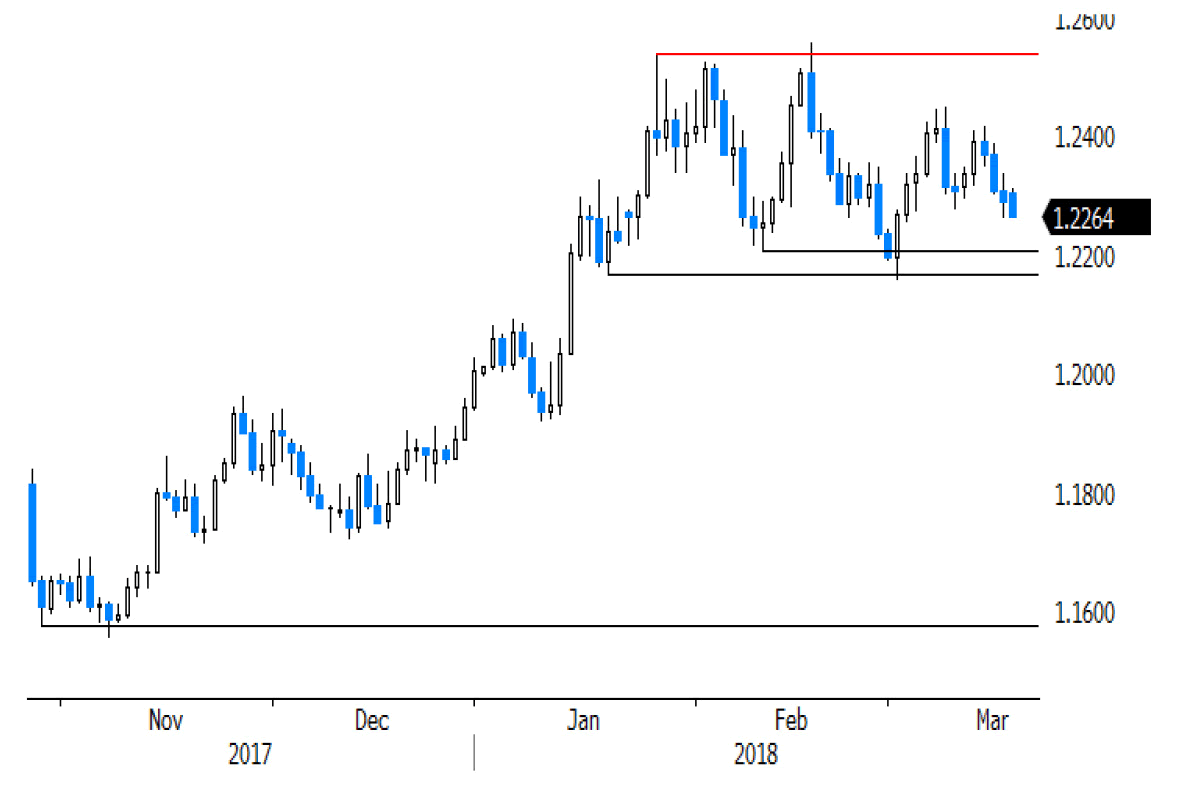
EUR/USD dollar outperforms euro ahead of FOMC decision
Daily Wave Analysis: GBP/USD Triangle Pattern Prepares For Critical Breakout
Currency pair GBP/USD
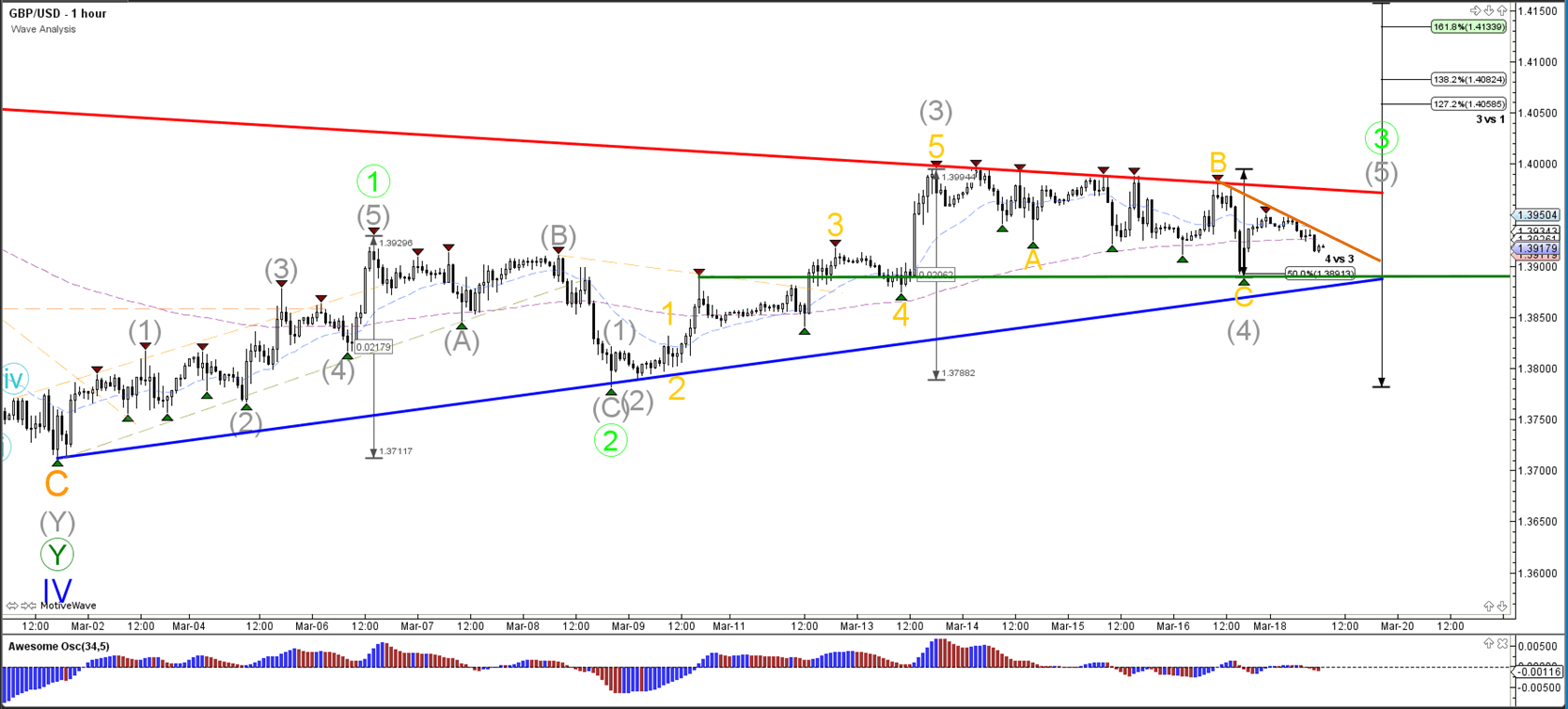
The GBP/USD remains stuck in between support (blue) and resistance (red) and a breakout is needed to indicate the new direction. A bullish breakout above resistance (red) could spark the continuation of wave 5 (blue) within wave C (purple) whereas a bearish break could indicate a change in wave patterns and a bearish continuation.
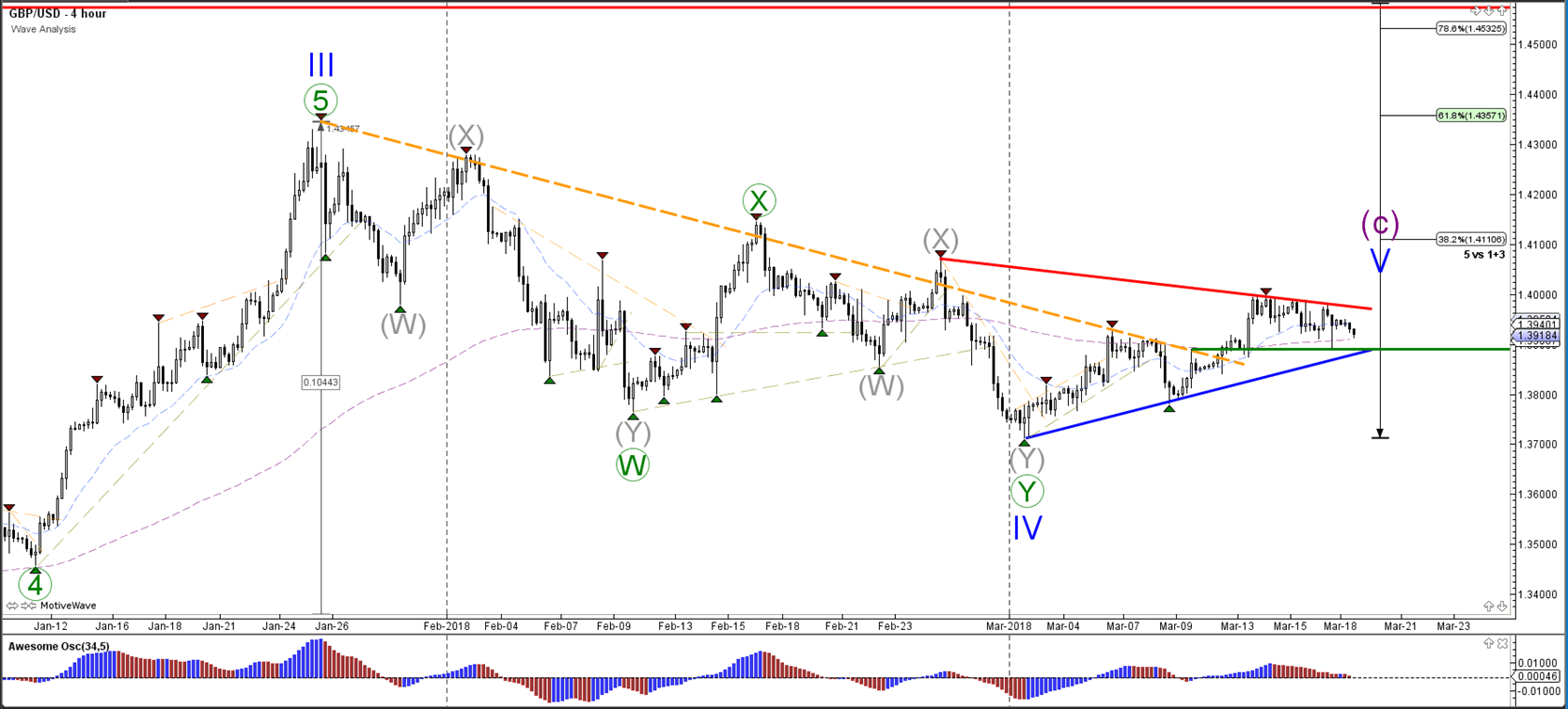
The GBP/USD bounced at the 50% Fibonacci support level of potential wave 4 (grey). The trend lines are key factors for the next breakout.
Currency pair EUR/USD
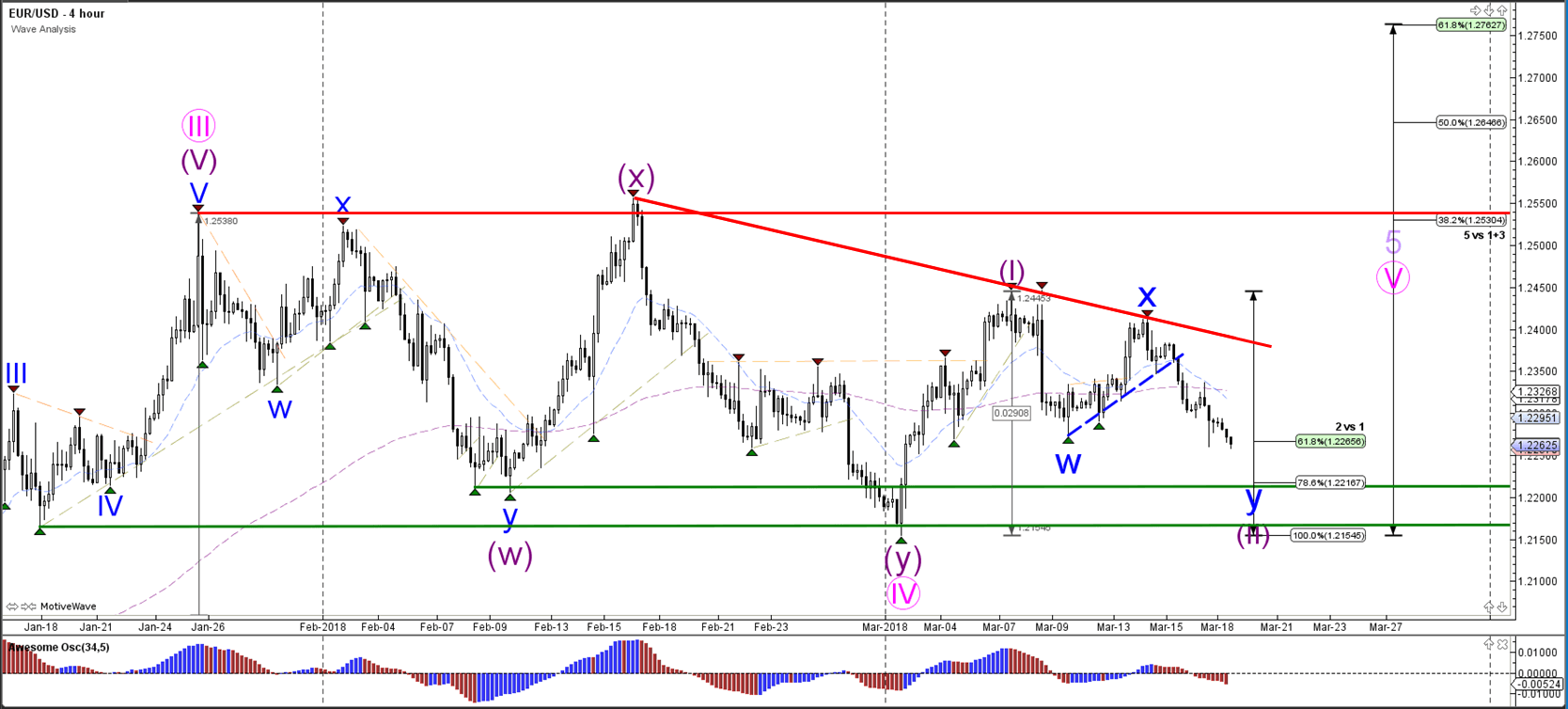
The EUR/USD is testing the 61.8% Fibonacci support level of wave 2 vs 1 (purple). A break below the Fib could see price retest the support zone (green). A break below the 100% Fib invalidates the wave 2 whereas a bullish bounce could see price continue with the bullish waves 5 (pink/purple).
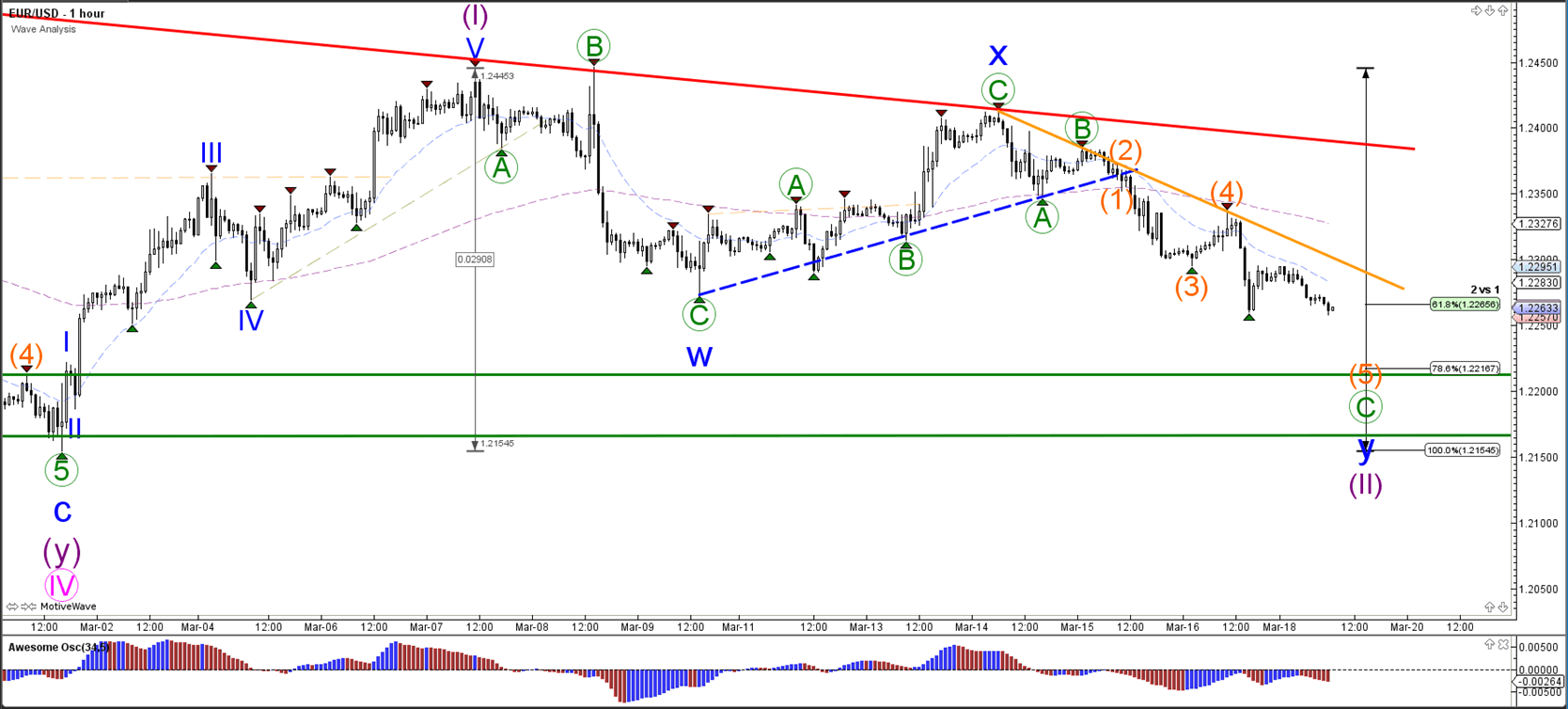
The EUR/USD is building a bearish wave C (green) within a larger WXY (blue) correction.
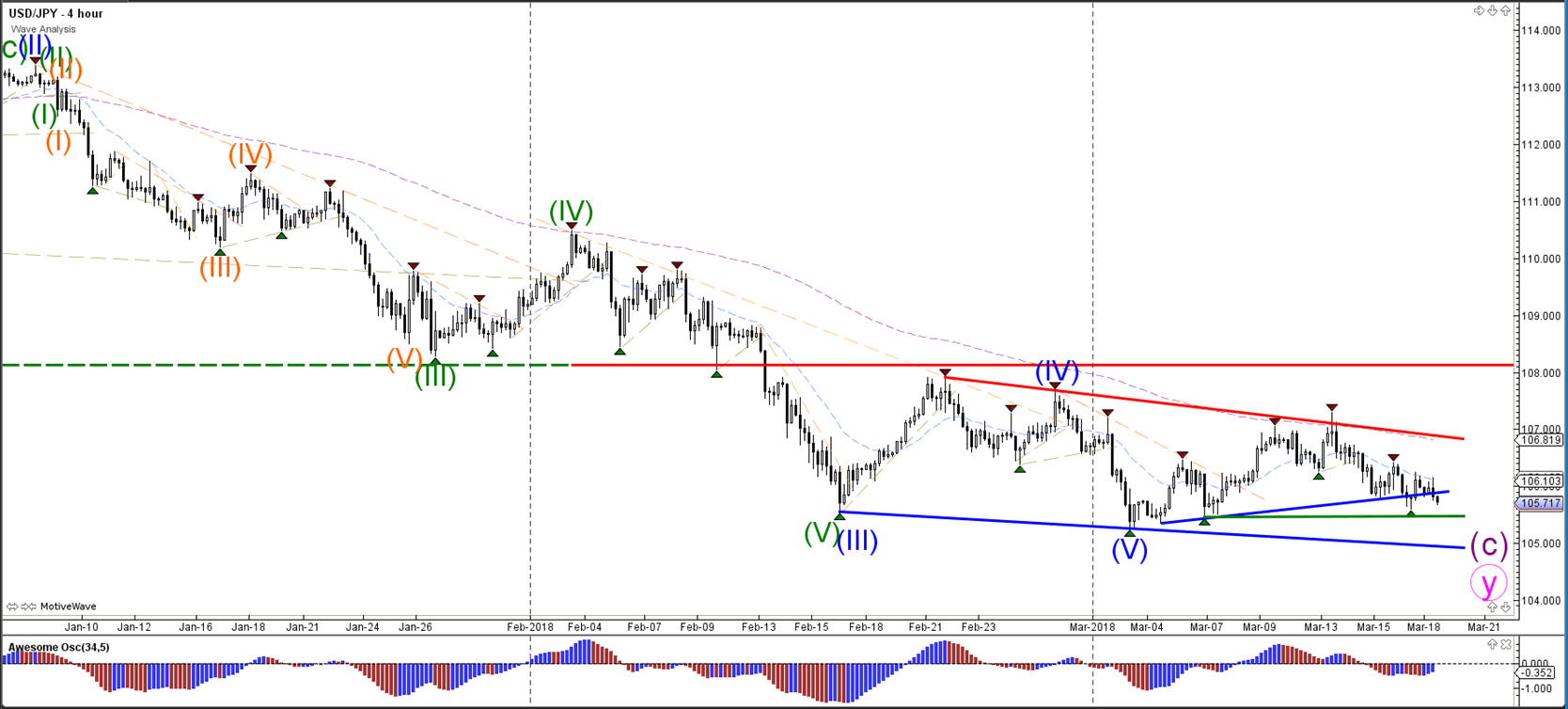
Currency pair USD/JPY
The USD/JPY trying to break below the support (blue) zone of the bigger triangle chart pattern. A bearish breakout could see the continuation of the downtrend.
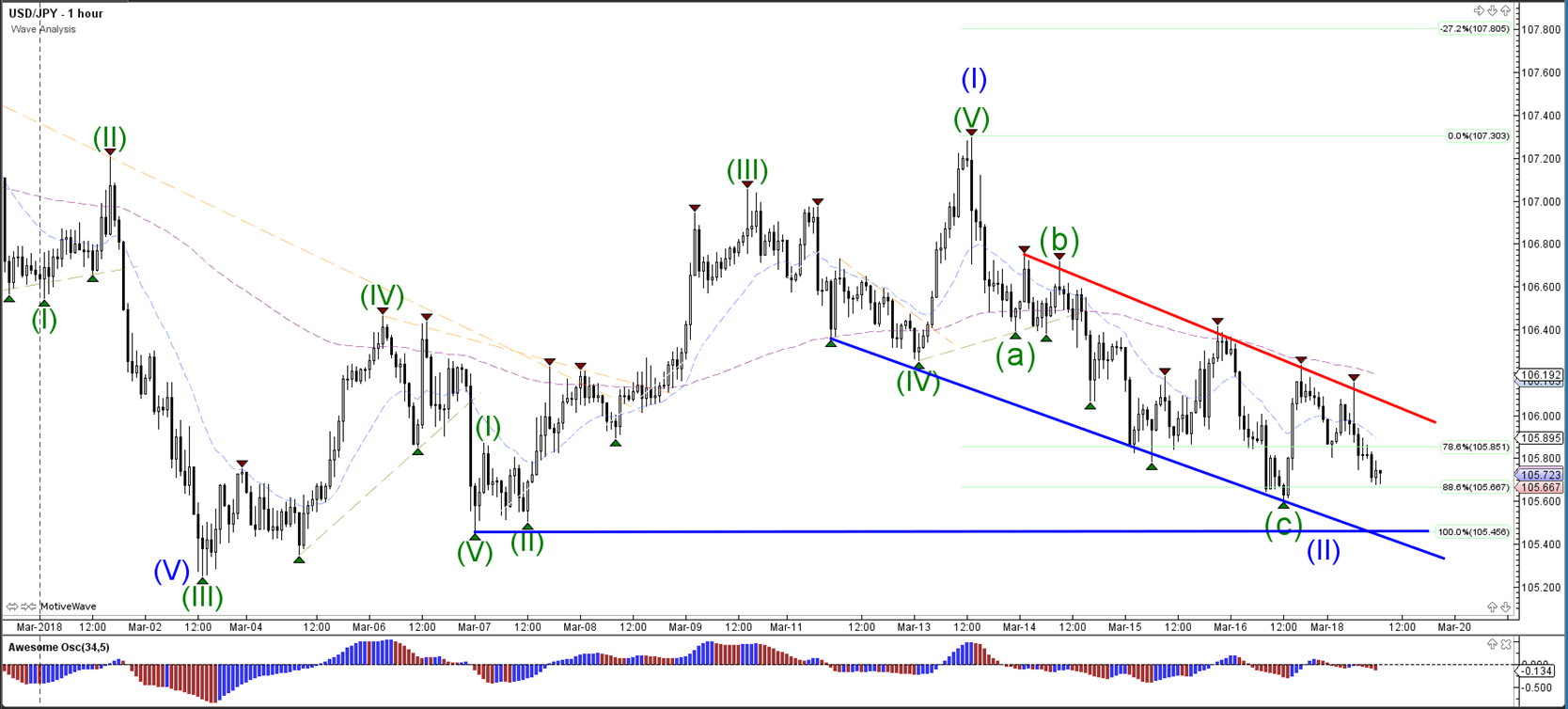
The USD/JPY is testing the 88.6% Fibonacci support level of wave 2 (blue). A break below the 100% Fib invalidates this wave 2 (blue).
EURUSD Trades In Narrow Range, Maintains Short-Term Bearish Bias
EURUSD ended last week slightly lower where it started, while it was sold-off three out of five trading days. The pair remains under significant pressure and risk is still to the downside as prices continue to post bearish days.
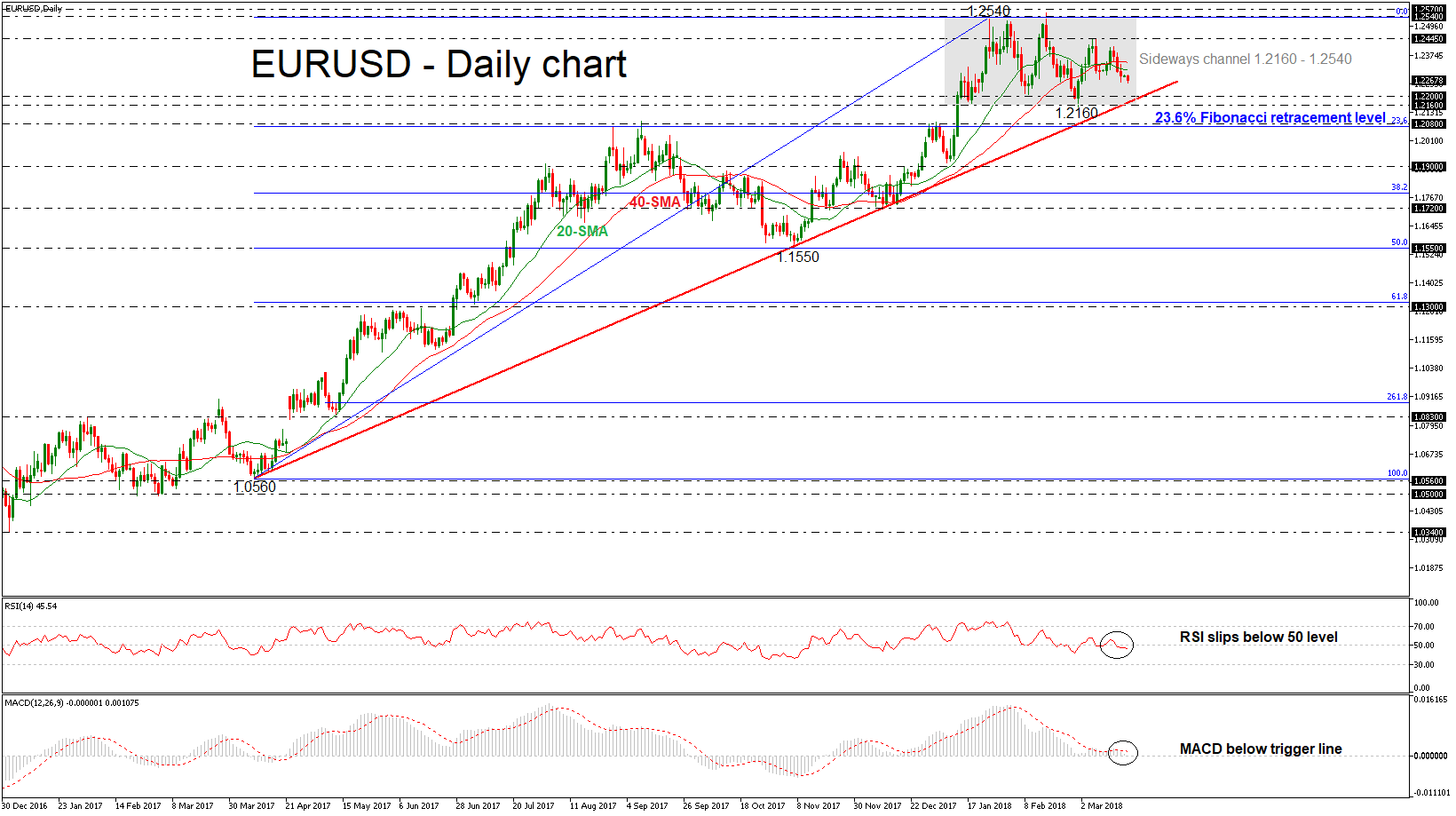
It is worth mentioning that in the short-term the price has been developing within a sideways channel since January 12 with upper boundary the 1.2540 barrier and lower boundary the 1.2160 support. In the bigger picture, the market is bullish as long as the ascending trend line since April 2017 holds.
In the daily timeframe, the technical indicators are pointing to the downside signaling more weakness in the market. The prices are looking capped by the 20 and 40-simple moving averages which are negatively aligned. The RSI indicator holds below the 50 level, while the MACD oscillator retains below the trigger line and near its zero line.
The next level to have in mind is the 1.2200 psychological level and the 1.2160 support barrier. At this stage, the market would likely see a resumption of the short-term downtrend and touch the next support at 1.2080, which overlaps with the 23.6% Fibonacci retracement level of the upleg from 1.0560 to 1.2540. A closing day below the aforementioned level, could turn the medium-term bullish bias to bearish and move EURUSD towards the 1.1900 psychological level.
On the flip side, upside moves are likely to find resistance at 1.2445. Rising above this area could shift the focus to the upside towards the 1.2540 resistance level. Breaking this level could see a test of the 1.2570 high taken from the peak in December 2014.
Forex Analysis: EU Publishes List Of Tariffs On US Goods And Services
Over the weekend, the EU published a list of tariffs on US products in response to the US tariffs on Steel and Aluminium. The total value of EU tariffs is up to €6.4 billion and this list is for “stakeholder consultation” purposes only. The EU will make the decision on whether to impose the tariffs in three months time but this is a clear signal to the US. Stock markets are trading lower and EURUSD is back to Friday’s lows around 1.22634.
Eurozone Consumer Price Index – Core (YoY) (Feb) was released and came as expected, unchanged in at 1%. Consumer Price Index (MoM) (Feb) was 0.2% v an expected 0.2% from -0.9% previously. Consumer Price Index (YoY) (Feb) was 1.1% v an expected 1.2%, from 1.2% previously. Consumer Price Index – Core (MoM) (Jan) was as expected at 0.4%, from -1.7% prior. Inflation rose late in 2016 and early in 2017 to 2.0%, the highest levels in five years, but has stabilized around 1.3% since June (YoY). The ECB is looking for inflation to “approach 2%”. Labour Cost (Q4) was 1.5% v an expected 1.8%, against a previous reading of 1.6%. EURUSD moved lower to 1.23178 before turning higher to reach 1.23311 due to this data.
US Housing Starts (MoM) (Feb) came in at 1.236M v an expected 1.290M, from a previous number of 1.326M, which was revised up to 1.329M. Building Permits (MoM) (Feb) were 1.298M v an expected 1.320M, with the prior reading of 1.377M, which was revised down from 1.396M. As expected, this data showed a slight fall in residential construction activity but, overall, these data points have been recovering since hitting lows of 0.46M and 0.49M respectively in 2009, after the financial crisis. The readings last month were the highest since those lows in both cases. EURUSD sold off from 1.23282 down to 1.23000 after this data release.
US Industrial Production (MoM) (Feb) was released and came in at 1.1%. The consensus was for 0.3%, from -0.1% previously, which was revised down to -0.3%. After four months of positive data, this measure had slipped below zero in the last reading. Capacity Utilization (Feb) was also released at this time and came in at 78.1% v an expected 77.7%, from 77.5% prior, which was revised down to 77.4%. This data point fell last month, after reaching a two year high in December. USDJPY continued higher from 105.836 to 106.143.
US Michigan Consumer Sentiment Index (Mar) was 102.0 v an expected 99.3, from a previous number of 99.7. This measure of consumer confidence is at levels not seen since 2003 and the highest level since the financial crisis. This latest reading surpassed the previous high of 101.1, which had been reached in October. GBPUSD dropped from 1.39350 to 1.38890 in reaction to this data.
The Baker Hughes US Oil Rig Counts was released, with a headline number of 800 from 796 last week. WTI Oil can become volatile around this data release and will be in traders’ minds when trading resumes on Monday.
Japanese Adjusted Merchandise Trade Balance (Feb) was released and came in at ¥-201.5B against ¥373.3B previously. Twelve months ago this data point peaked at ¥680.0B, and this was the first dip below zero since November 2015. Merchandise Trade Balance Total (Feb) was ¥3.4B v an expected ¥-99.6B, with a prior of ¥-943.4B, which was revised down to ¥-994.1B. Exports (YoY) (Feb) were 1.8% v an expected 1.9%, from 12.2% previously, which was revised up to 12.3%. Imports (YoY) (Feb) were 16.5% v an expected 17.1%, with a prior reading of 7.9%, which was revised down to 7.7. USDJPY moved higher from 105.954 to 106.145 following this data release.
EURUSD is down -0.20% overnight, trading around 1.22634.
USDJPY is down -0.20% in early session trading at around 105.738.
GBPUSD is down -0.16% this morning, trading around 1.39221.
Gold is down -0.32% in early morning trading at around $1,309.61.
WTI is down -0.29% this morning, trading around $62.23.
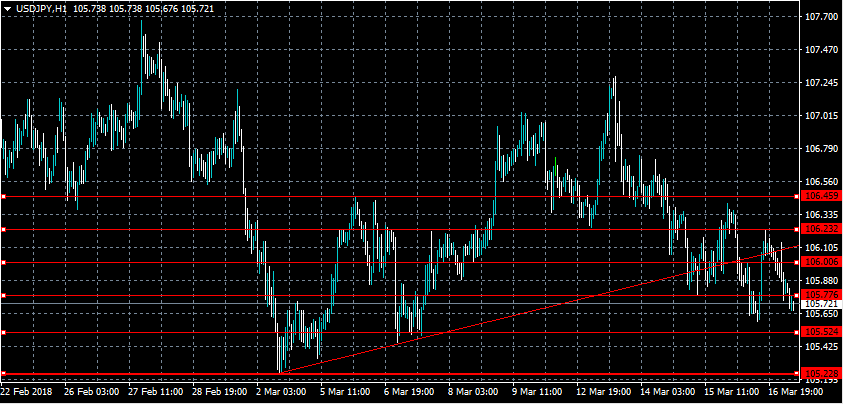
USDJPY Bearish Pressure Building Below 106.00
The U.S dollar is turning lower against the Japanese yen currency on Monday, with political uncertainty remaining the driving force behind the latest move lower. Prime Minister Shinzo Abe faces the worst crisis of his leadership, whilst the Trump administration remains at odds with the Federal Bureau of Investigations. The start of the G20 summit is also likely to underpin risk-off trading sentiment, with technical sellers watching the 105.50 level closely on the USDJPY pair.
The USDJPY pair is strongly bearish while trading below the 106.00 level, sellers continue to press towards the 105.50 and 105.22 support regions.
If USDJPY pair price-action can hold above the 106.00 level, and upside correction towards the 106.23 and 106.45 levels may occur.
EURUSD Strongly Bearish Below 1.2278 Level
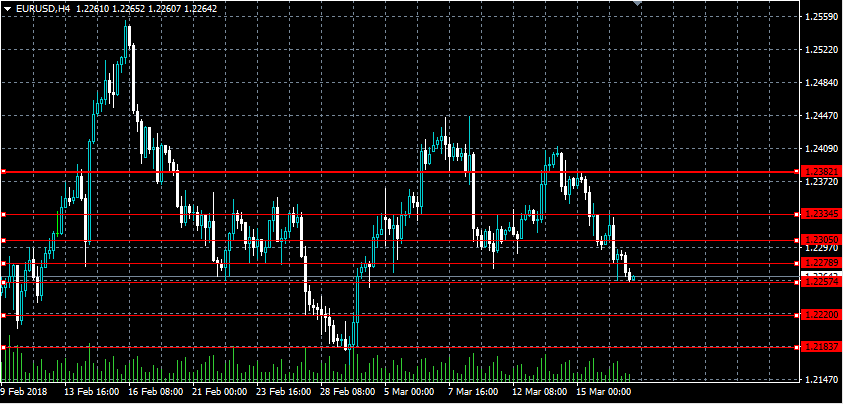
The euro remains under strong bearish pressure against the U.S dollar on Monday, following an overall strengthening of the greenback late on Friday. The EURUSD pair found support at the 1.2260 level, following stronger than expected U.S economic data, with American job openings at their highest level since records began. Investors now look towards the G20 summit in Argentina, with EURUSD sellers now looking to take price-action below the current daily trading low, found at the 1.2257 level.
The EURUSD pair is intraday bearish whilst trading below the 1.2278 level, key technical support is found at the 1.2229 and 1.2183 levels.
If the EURUSD pair can maintain price-action above the 1.2278 level, an upside correction towards the 1.2305 and 1.2334 levels may occur.