Sample Category Title
Risk-Taking Pauses ahead of FOMC Minutes, NFP
- Asian stocks mixed, US and European futures edging lower
- FOMC minutes, US jobs report could offer fresh signals on Fed rate hike timing
- Rising US interest rates to weigh on gold
- Brent reclaims $80/bbl level as OPEC+ sticks with gradual output hikes
The risk-on start to 2022 is taking a breather, with Asian stocks seeing mixed performance while US and European equity futures are in the red. Typical safe havens are faring better so far today with the US dollar holding steady, gold rising, while the Japanese Yen is the best performing G10 currency.
This year, market participants are primarily framing their outlook around how inflation informs the Fed on when to raise rates, as the world continues to battle against Covid-19 and record infections.
FOMC minutes, NFP to be examined for potential US rate hike clues
The December FOMC minutes due today may offer fresh clues about the timeline pertaining to the Fed’s tapering and rate hikes. As things stand, markets are forecasting a better-than-even chance of a US rate hike as soon as March, the same month that the Fed’s unwinding of its asset-purchases is set to be completed. The latest FOMC dot plot signaled a total of three rate hikes for 2022.
The consensus headline figure for this Friday’s US nonfarm payrolls report is estimated at 424k, with the unemployment rate falling to 4.1% in December. The jobs report will be used to determine how far the labour market must improve before meeting the Fed’s “maximum employment” criteria for a hike. Faster-than-expected US wage growth, beyond the estimated 4.2% for December that feeds into demand-pull and cost-push inflation, may also prompt the Fed to hasten its policy tightening.
If this week’s FOMC minutes and the NFP print suggest that a March rate hike is probable, that could prompt further gains in Treasury yields and the US dollar, while triggering declines in growth stocks and gold.
Rising Treasury yields a drag on bullion
Gold prices are seeing some relief today, unwinding more of Monday’s losses after bullion was pummelled by surging US Treasury yields. Rising interest rates could be the scourge of gold bugs in the first half of 2022, as ramped-up expectations for Fed rate hikes could dampen demand for the non-interest-paying precious metal. Still, lingering concerns over a possible turn for the worse in the worldwide battle against Covid-19 should offer some measure of support for gold prices.
Easing Omicron concerns keep oil bulls in play
Oil prices have been swept up with the risk-taking activities that kicked off the new year, with Brent futures now resurfacing above the psychologically important $80/bbl level. OPEC+ delivered on the widely expected decision to stick with its plans to raise output gradually, suggesting that the global recovery in demand is resilient enough to weather Omicron’s threat, at least for the time being.
Oil benchmarks could see more near-term upside if concerns over an oversupplied market in the first quarter are further diminished, as long as global demand remains steadfast. However, recent gains could be swiftly unwound if we see more reports of significantly tighter restrictions in major economies to curb Omicron’s spread.
USDJPY Looks Overbought after Sharp Ascent; Bullish Overall
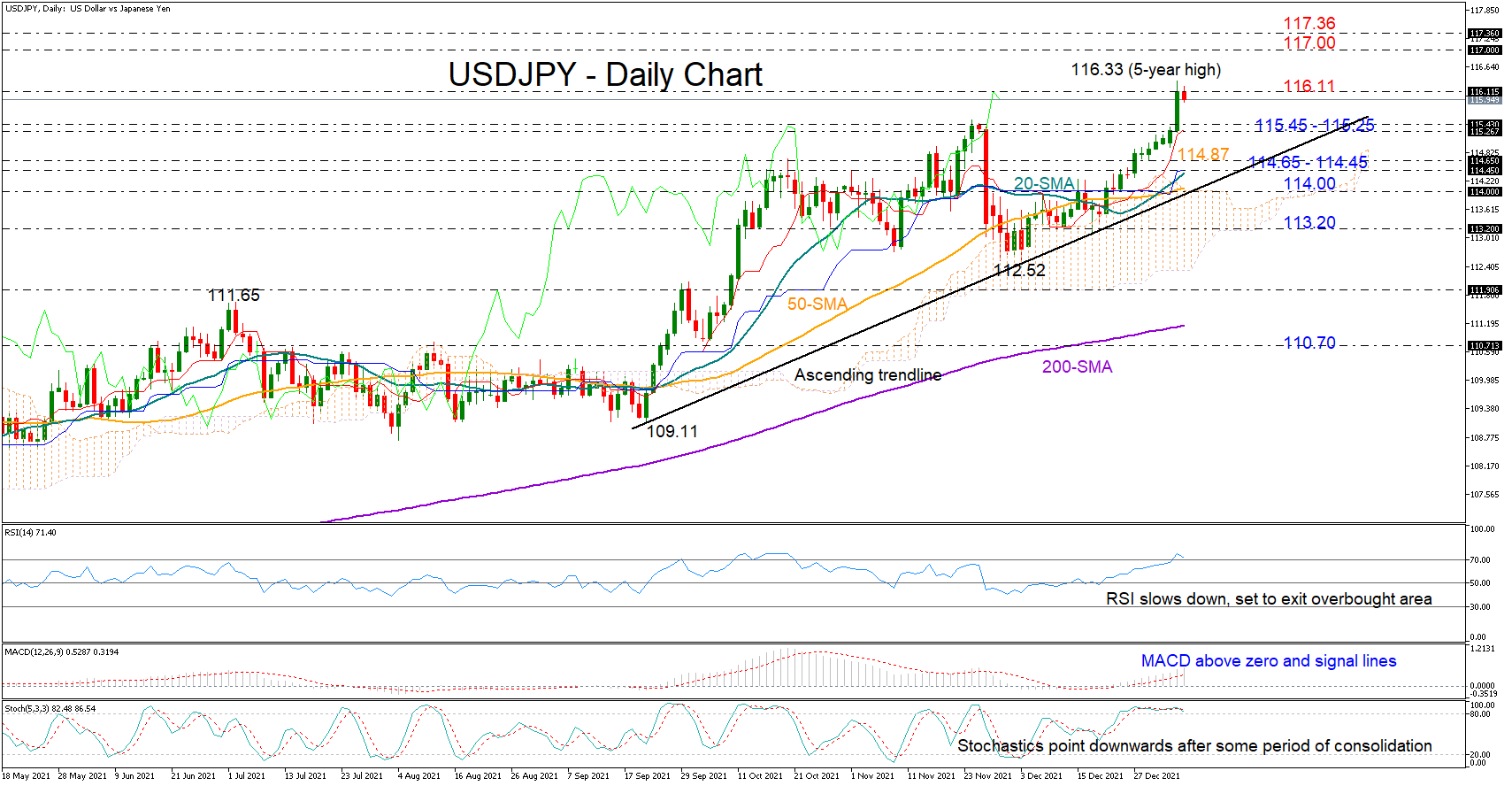
USDJPY resumed its broad positive trend after the bulls drove aggressively to a five-year high of 116.33 on Tuesday, marking seven consecutive days of gains.
Despite the fast ascent, the pair could not close above the 116.11 limitation taken from late 2016 and start of 2017, with the price sliding back to the negative territory during the early trading hours today.
A deceleration cannot be ruled out in the coming sessions as the market seems to be trading in overbought waters according to the RSI and the fast Stochastics. Yet, the upward pattern in the market has yet to show any sign of weakness and the ascending trendline is still safely navigating the price action northwards. Hence, unless the bears press the price below that trendline currently seen at 114.00, any declines could be of minor concern and buyers could remain on board.
Before the bears reach that key line, the price may seek initially support within the 115.45 – 115.25 region and then somewhere between 114.65 and 114.45. Falling beneath 114.00, the spotlight will turn to the 113.20 handle.
Should the bull run continue, the door would open for the 117.00 psychological mark and the 261.8% Fibonacci extension of the 115.88 – 112.52 downleg at 117.36. Additional gains from here would clear the way towards the tough resistance of 118.65 from December 2016.
Summarizing, although the recent sharp pickup in USDJPY may lose pace in the short-term amid strengthening overbought signals, the upward trajectory could keep buying confidence intact, as long as the price holds above 114.00.
NZDUSD Remains in a Tight Range around 0.6800
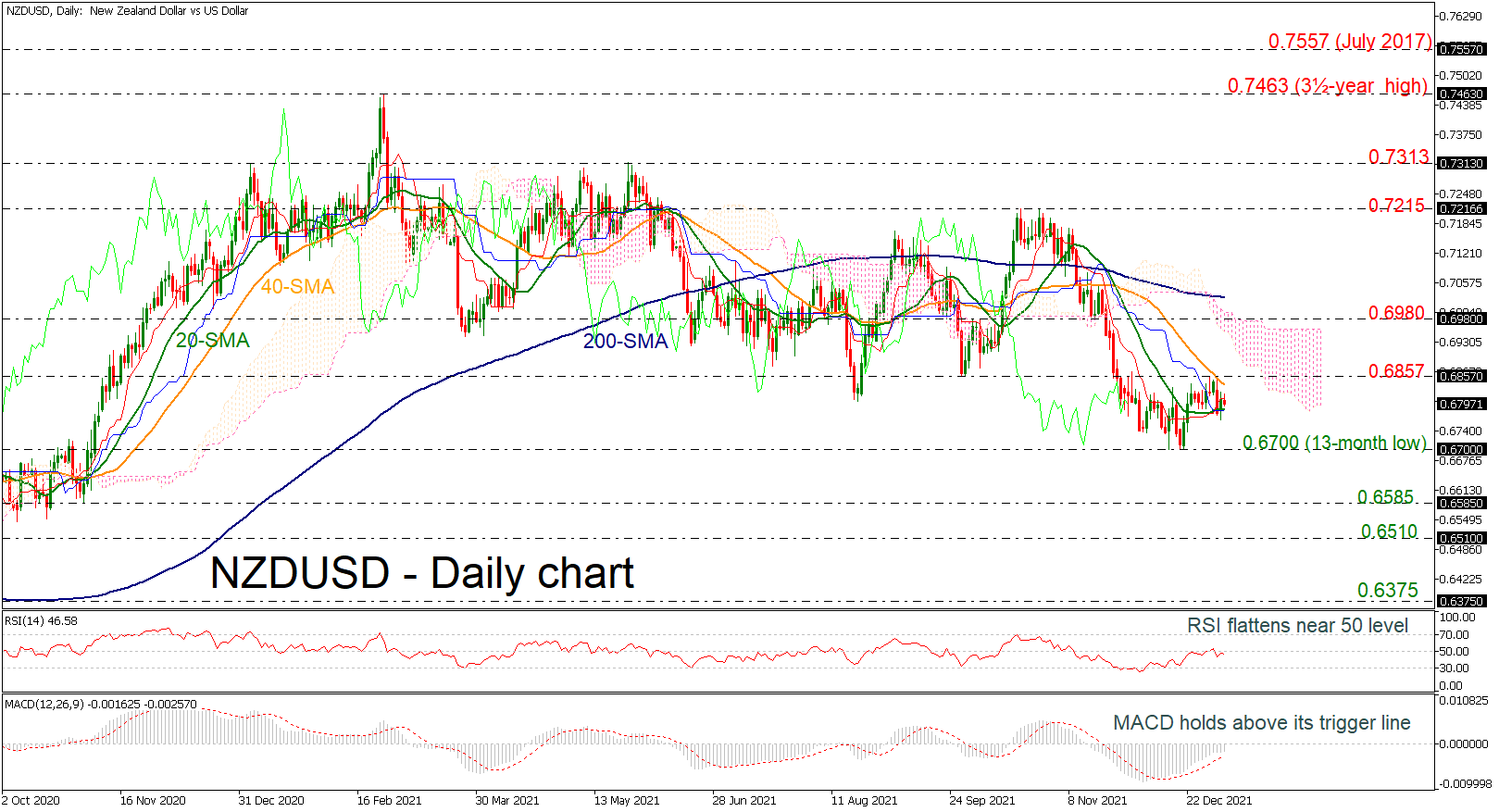
NZDUSD is moving sideways in a tight range with the upper boundary the 0.6857 resistance and lower boundary the 13-month low of 0.6700. The price is still developing within the 20- and 40-day simple moving averages (SMAs) and the technical indicators are confirming the weak momentum. The RSI is moving near the neutral threshold of 50, while the MACD is standing above its trigger line in the negative region.
If the price overcomes the 40-day SMA and the 0.6857 crucial level, the next target for the bulls could be the 0.6980 barrier and the 200-day SMA at 0.7025. Steeper increases could open the door for the 0.7215 hurdle, while more advances could endorse a bullish structure until 0.7313.
On the flip side, a daily close beneath the 0.6700 psychological mark could add more pressure to the downside, hitting 0.6585 and the 0.6510 support level.
All in all, NZDUSD has been in a somewhat bearish tendency over the last year and only a jump above 0.7313 may change the current outlook to bullish.
GBP/USD Pair Started a Downside Correction from 1.3556 High
The British Pound started a fresh increase from the 1.3420 support zone against the US Dollar. The GBP/USD pair was able to clear the 1.3450 and 1.3500 resistance zone.
It even climbed slightly above the 1.3550 level and settled above the 50 hourly simple moving average. The pair traded as high as 1.3556 and started a downside correction. There was a move below the 1.3540 and 1.3435 levels.
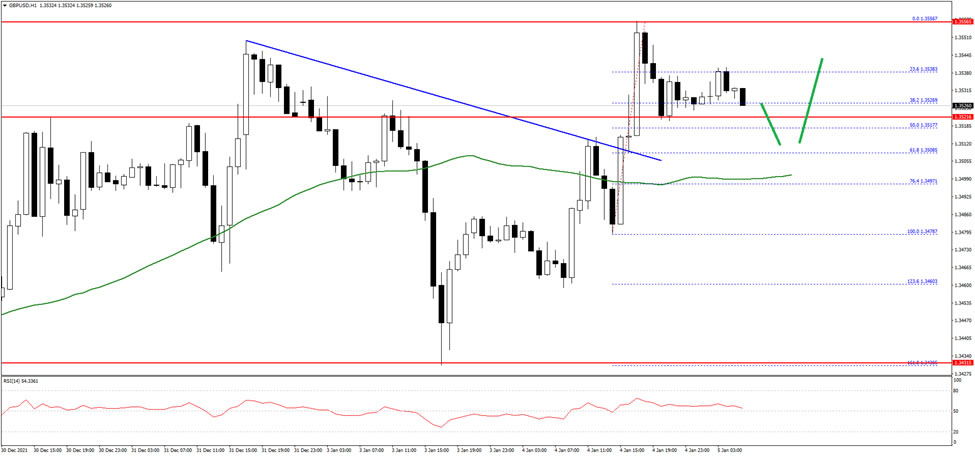
An initial support on the downside is near the 1.3515 level. The main support is forming near the 1.3500 level. A break below the 1.3500 support level could even push the pair below the 1.3460 support.
On the upside, the pair is now facing resistance near the 1.3550 zone. The next key resistance is near the 1.3580 level. Any more gains might push the pair towards 1.3620 on FXOpen.
Daily Technical Analysis
EUR/USD
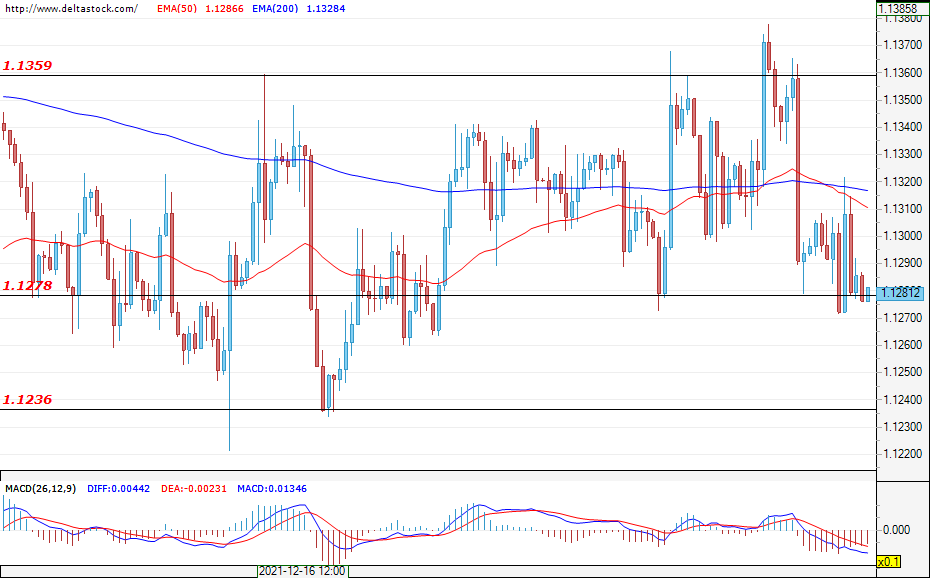
Current level - 1.1281
The sentiment remained unchanged and, during the early hours of today`s trading, the currency pair continued to trade close to the support zone at 1.1359. If the bears gain enough momentum and manage to breach the mentioned zone, then a test of the next target at 1.1236 would be the most probable scenario and would strengthen the negative expectations for the future path of the EUR/USD. However, if the bearish pressure fades and the bulls prevail, then they will most likely test the resistance zone at 1.1359. А successful violation of the aforementioned level could easily lead to a rally towards the levels from November 2021 – more specifically, the zone at around 1.1440. Event-wise, today volatility can be expected to pick up after the announcement of the ADP non-farm employment change for the U.S. (13:15 GMT) and the release of the FOMC meeting minutes (20:00 GMT).
USD/JPY
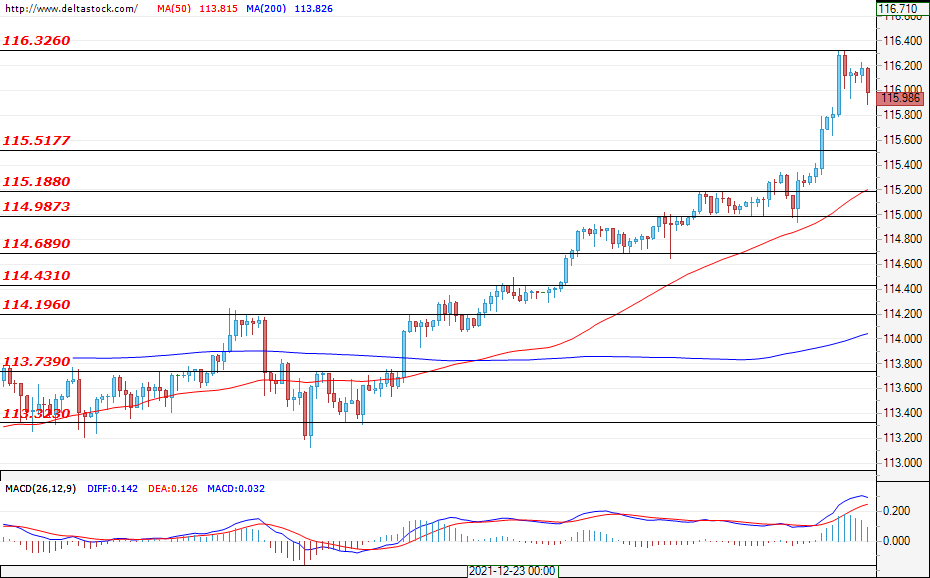
Current level - 115.98
After the rally was limited to the level at 116.32, the dollar lost some ground against the yen and, at the time of writing the analysis, the bulls seem to have lost some of their momentum. For the time being, the current declining move can be considered a corrective one and it is likely that it will later on extend to the support at 115.51. If the bulls start buying again, then a new attack on and a breach of the high at 116.32 could easily lead to future gains and could head the pair towards the levels at around 117.00.
GBP/USD
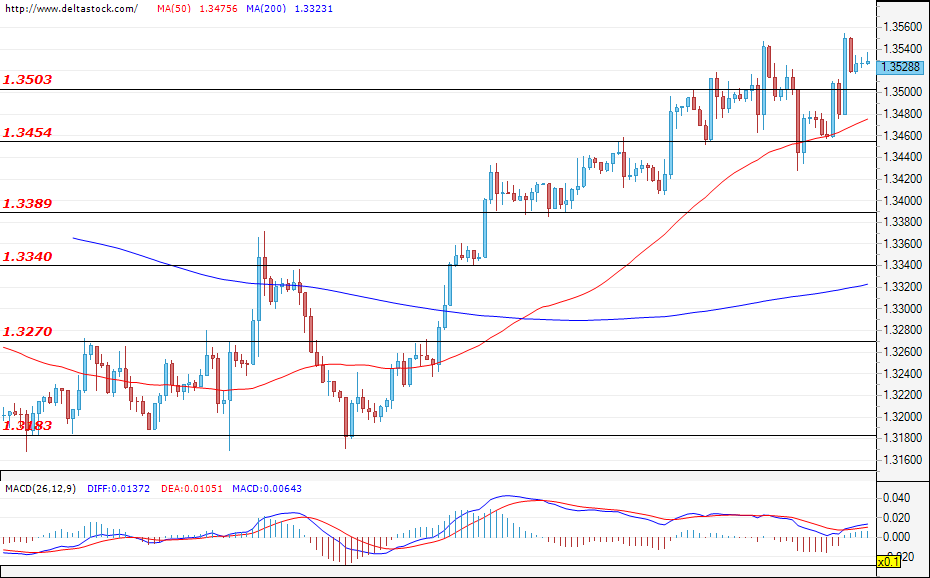
Current level - 1.3528
The British pound recovered some of its recent losses against the dollar and the currency pair violated the resistance zone at 1.3503. A confirmation of the breach will strengthen the positive expectations for the future path of the Cable and could easily continue the rally towards the level at 1.3600. The first target for the bears is the zone at 1.3503, followed by the main lower support at 1.3454.
EUGERMANY40
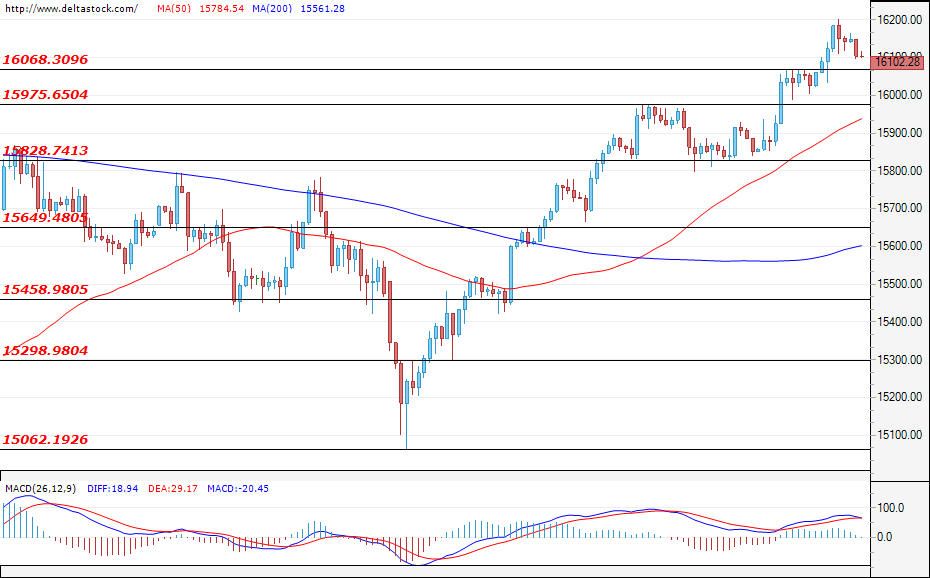
Current level - 16102
The violation of the resistance zone at 16068 was successful and the German index continued its rally. During the early hours of today`s trading, the price is consolidating above the mentioned level and the expectations are for a continuation of the rally and an attack on the levels at around 16230. In the downward direction, a violation of the support at 16068 could deepen the decline towards the next zone at 15975. Only a breach of the lower support at 15828, however, could lead to a change in the current sentiment of the market participants.
US30
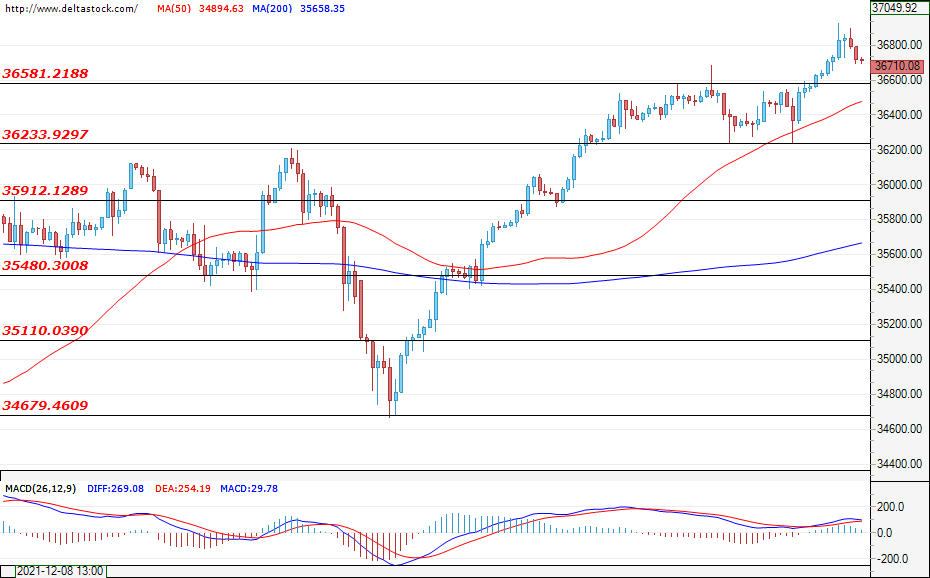
Current level - 36710
The breach of the resistance zone at 36581 strengthened the positive sentiment and the American index reached a new historic high. If the bulls continue to prevail, then new gains for the index are expected and a test of the 37000 level would become a highly probable scenario. Worse-than-expected U.S. data for the ADP non-farm employment change (today; 13:15 GMT) could help the bears head the index towards a test of the zone at 36581. If this zone is breached, then the corrective move will most likely deepen towards the support at 36233.
Crude Oil Price Makes False-Breakout after OPEC+ Meeting
The price of crude oil rose in the overnight session as investors reflected on the latest OPEC+ meeting. In a statement, OPEC+ members said that they did not see any material impact on oil demand because of the rising number of Omicron cases around the world. As a result, the members stuck with their previous guidance of pumping more crude oil in the market. They will add their output by 400k barrels of oil per day in February. This means that the members have resumed about two-thirds of the oil supplies that they slashed when the pandemic started. Later today, oil prices will react to the latest US inventories by the Energy Information Administration (EIA).
US equities were mixed on Tuesday. The benchmark S&P 500 index rose by 5 points while the Dow Jones index added more than 300 points. On the other hand, the Nasdaq 100 index declined by about 216 points. This divergence is likely because investors are afraid of high-interest rates and a hawkish Federal Reserve. It also happened after data by the health department showed that the number of daily cases jumped to 1 million on Monday, with most infections being of the Omicron variant. This surge was expected since most Americans traveled and gathered in large groups during the holidays.
The economic calendar will have some important events today. Two days after publishing strong manufacturing PMI numbers, Markit will release the latest services PMI data. Economists expect the data will show that these PMIs held steady in December amid the variant. For example, in the United States, analysts expect the data to reveal that the services PMI was at 57.5 in December. In the Eurozone, they expect that the PMI declined slightly to 53.3. Other key important numbers will be the ADP private payrolls from the US and Canada’s building permits and housing starts.
XBRUSD
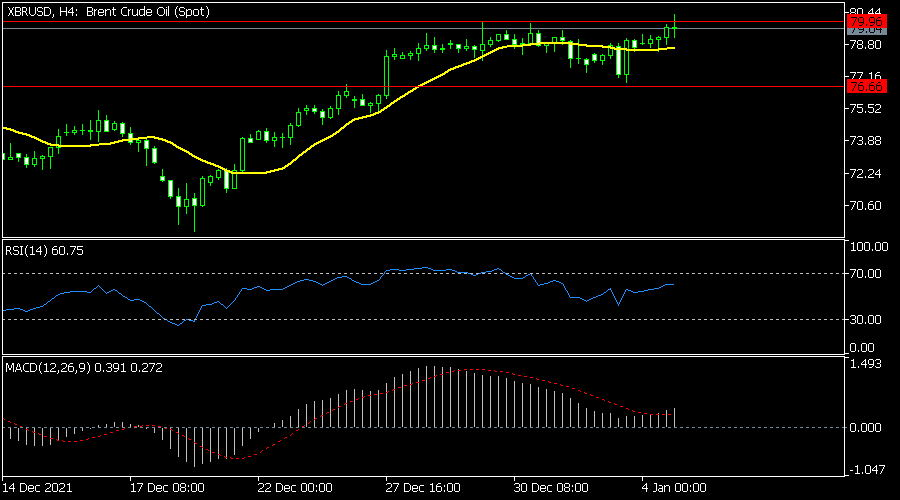
The XBRUSD pair rose to a high of 80.60 on Tuesday after the OPEC+ meeting. It made a false breakout after it moved slightly above the upper side of the horizontal channel. Also, it seems like it has formed a double-top pattern whose chin is at 76.67. Also, the pair has moved slightly above the 25-day moving averages while the Relative Strength Index (RSI) is at the neutral level of 60. Therefore, the pair will likely pull back and then resume the bullish trend above $80.
EURUSD
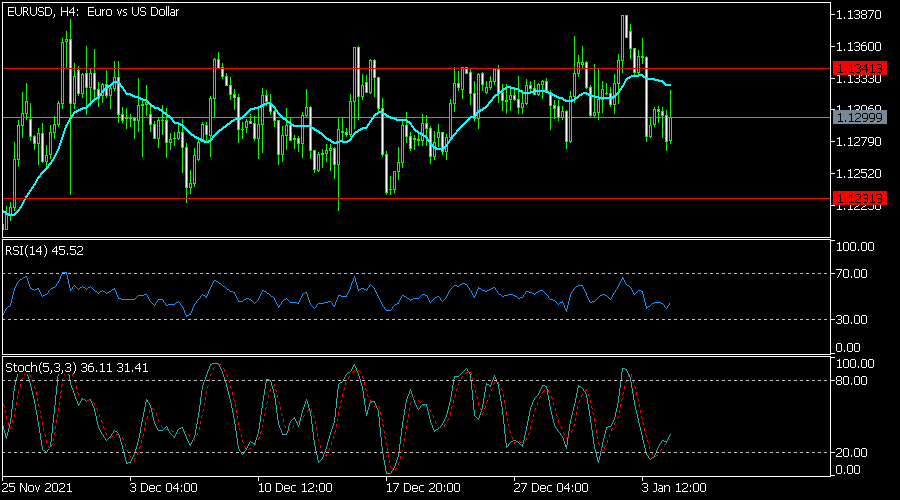
The EURUSD pair moved sideways after the latest US ISM manufacturing PMI data. This performance is likely because investors are waiting for upcoming jobs numbers. The pair is trading at 1.1300, which is between the horizontal channel shown in red. It is also slightly below the 23.6% Fibonacci retracement level. Also, the pair is along the 25-day moving average. Therefore, the pair will likely remain in this range today.
USDCAD
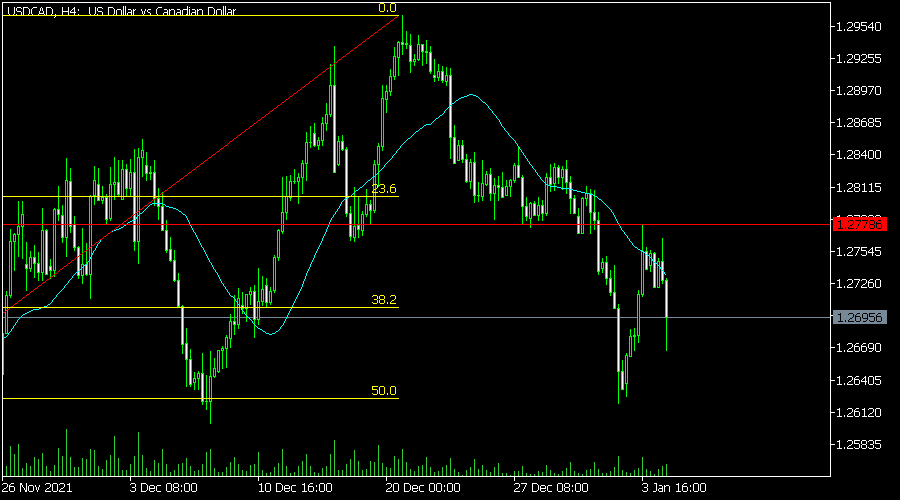
The USDCAD pair declined sharply after the latest Canadian retail and industrial inflation data. The pair declined to a low of 1.2667, which was substantially lower than Monday’s high of 1.2778. It moved below the 25-day moving average and slightly below the 38.2% Fibonacci retracement level. Therefore, the pair will likely remain under pressure today.
Asian Risk Sentiment is Soured
Markets
Positive risk sentiment colored European trading, but dynamics changed somewhat in the US session. A positive interpretation of a disappointing headline US manufacturing ISM (see below) didn’t help. The US Labour Department said that there were 10.6mln job openings at the of end of November, down from 11mln+ a month earlier. The figure remains historically very high though. The simultaneously published quits rate rose to 3%, matching the record set in September and pointing further towards tightness on the US labour market. These figures didn’t help sentiment either. Main European equity indices still closed with gains to the tune of 1%. The big three US indices parted ways with the industrial Dow gaining 0.6%, the S&P ending flat and the tech-heavy Nasdaq underperforming (-1.33%). The mood swing put an intraday floor below sliding US Treasuries while also rescuing an ailing Japanese yen. The US yield curve steepened again with daily changes ranging between -0.9 bps (2-yr) and +4 bps (30-yr). The US 10-yr yield closes in on the 1.7% resistance area, which serves as a final (minor) hurdle ahead of the 2021 top of 1.77%. The underlying real yield returned above -1% to its highest level since the end of October. German yield changes varied between -1.1 bp (2-yr) and +0.5 bps (30-yr). EUR/USD traded mostly just below the 1.13 big figure after the blocked test of EUR/USD 1.1383 resistance around the turn of the year. USD/JPY closed north of 116 for the first time since January 2017. (European) positive risk sentiment and higher US (real) rates gave the Japanese currency a double blow. UK yields’ catch-up move higher following the January 3 UK Bank Holiday unleashed sterling with EUR/GBP setting a new recovery low at 0.8335. Key support stands at 0.8282.
Asian risk sentiment is soured this morning by Nasdaq’s performance with South Korea, China and HK losing over 1%. The spill-over towards bonds and FX remains fairly limited. Today’s eco calendar contains US December ADP employment change and Minutes of the December FOMC meeting. Consensus expects 410k net job growth from the ADP report. Minutes could for once be more interesting. The Fed in December decided to double the monthly QE tapering pace from January onwards from $15bn to $30bn. With QE now scheduled to end in March, focus is already turning to winding down the balance sheet. Discussions started in earnest last month, with the Fed hinting that the 100% reinvestment phase won’t last as long as it did after 2014 (+- 3 year) given the stronger labour market and higher inflation. Fed governor Waller backed running off the balance sheet by summer. St. Louis Fed Bullard also advocates shrinking holdings shortly after ending net purchases. If the debate about removing liquidity from the market becomes an issue, it could further weigh on US Treasuries (via real rates!) while also hurting risk sentiment. Such context could is USD-supportive even if the greenback can’t really generate momentum for the moment.
News headlines
The National Bank of Poland raised its policy rate as expected from 1.75% to 2.25%. Inflation printed at 7.8% Y/Y in November and is expected to exceed 8% in December. Compared to previous meetings, the NBP took a more balanced approach on the sources of inflation. External factors (rise in commodity and energy prices, supply disruptions) remain an important driver, but the economic recovery and better demand are also in play. An expected continuation of favourable labour market conditions contributes to the risk that inflation might run above the NBP target (2.5% +-1%) during the policy horizon. This leaves to door open further interest rate hikes. The zloty strengthened from EUR/PLN 4.58 to 4.565, but this move mainly occurred before the NBP policy announcement.
The headline figure of the US December Manufacturing ISM missed expectations, declining from 61.1 to 58.7. However the underlying picture looked quite constructive. The setback was mainly driven by a decline in supplier deliveries (64.9 from 72.2) and in the prices paid index (68.2 from 82.4). These developments might be an indication that supply bottlenecks are becoming less of an obstacle for growth. At the same time sub-indices related to demand and activity held up well. The employment sub-index even rose further to 54.2 from 53.3.
Does the Jobs Data Matter Anymore?
Market mood turned sour in the US trading yesterday, and the latest data showed that 4.5 million Americans quit their jobs in November. 4.5 million is a lot of job departures, but there is nothing the Federal Reserve (Fed) could do about it, as the root cause of the problem is not the lack of job openings, on the contrary, the JOLTS data shows that there are about 10 million job openings in the US right now, but people are not willing to take them. In this respect, keeping the interest rates low wouldn’t encourage people to get back to work.
So, the great resignation continues being a headache for the policymakers, but in the meantime the jobs data is losing of its importance, as, again, the Fed can’t do much about people not taking the available jobs. And more importantly, it must deal with the rising inflation now.
Today’s ADP data is expected to reveal that the US economy added 400’000 private jobs in December. That would be less than a tenth of what has been lost in November. So the question is, does the jobs data even matter anymore?
US equity indices retreated yesterday, and yesterday’s price action is mostly driven by higher interest rate expectations, as Nasdaq - the most interest-rate sensitive of the three US indices took the biggest hit with a 1.33% drop, the S&P500 was almost flat, and the Dow, the less sensitive of the US indices to the interest rates, eked out a 0.60% advance.
The US 2-year yield hit the 0.80%, the highest level in almost two years, but remains way lower than the pre-pandemic times. In 2018 for example, when the Fed was normalizing policy, it had advanced close to the 3% level, so there is way more to price in on this end. And the US 10-year yield is again flirting with the 1.70% mark.
The rising yields will be a major story of the coming months of course as the Fed is preparing to end its QE purchases and hike rates. And the Fed minutes should give some light on the Fed’s plans at today’s release. The December dot plot hinted at three 25bp rate hikes throughout this year, while the Fed could push for at least a 100bp total hike in 2022 to fight the rising inflation.
In the forex, the US dollar remains strong, and that strength is pushing the EURUSD below the 1.13 mark. The sterling bulls, however, defend well their territory against a broadly stronger US dollar and a push above the 100-DMA, near the 1.3560 mark, should throw a basis to a medium term bullish reversal in Cable.
In cryptocurrencies, appetite in Bitcoin remains contained near the 200-dma and the coin is testing the low end of the December horizontal channel base, which is near $45K level. One explanation for the lack of appetite is the rising US yields, which are applying a visible downside pressure on the pricing of cryptocurrencies. The latter hints that this alternative asset class may not be immune to the rising interest rates and a tighter monetary policy environment globally. If that’s the case, we could see the downside pressure building stronger in the medium run, and cause a bit more bleeding as the Fed walks towards concrete tightening.
Finally, gold is now trading above both its 50, 100 and 200-DMA, but the positive attempt to the $1830 level remained short-lived. It will be interesting to see how the rising US yields, which increases the opportunity cost of holding the non-interest-bearing gold, will play out in the coming months for gold investors, as yes the US yields will certainly continue rising, but they remain very low compared to the historical means. In this respect, the force with which the risk assets will react to the rising yields will be an important factor for the gold’s medium-term direction. If we see meaningful outflows from the risk assets as a result of tighter monetary policies and rising yields, we could then see investors piling back into gold regardless of the rising yields.
The 60 Second Overview: Will We See Another Rate Cut in DK?
Market movers today
Today, country-specific PMI services indices are due out for Sweden, Italy and Spain (as well as final data for Germany, France, the euro area and the US).
We also get the US ADP jobs report ahead of Friday's official jobs report.
The FOMC minutes from the December meeting is due out tonight. We doubt markets will react significantly, as FOMC members have already explained why they made another hawkish shift at the meeting.
The 60 second overview
Danmarks Nationalbank intervenes for 47bn: Yesterday we got confirmation on the FX intervention in the Danish market as the central bank had intervened for some DKK 47bn. This is the second highest amount that the central bank has intervened for in a single month. The large inflow to the FX reserve will likely fuel speculation that another unilateral rate cut is coming in Denmark. However, we do not want to rush to conclusion. Downwards pressure on EUR/DKK spot has eased to start the year and if the need for intervening in FX markets has ended for now, DN will probably draw the same conclusion as us and stay put on interest rates. Hence, this raises the speculation of a rate cut on Thursday, but for now we stick to our call that the Danish central bank will not cut policy rates, but will need to intervene more first.
Nordic Outlook: We have published our quarterly Nordic Outlook with updated economic forecasts this morning. The growth outlook remains constructive, but concerns are increasing over economies hitting their capacity constraints, not least in the labour market. However, there are differences between the countries, and while the case for rate hikes has strengthened in Norway, we still do not see enough wage and price growth in Sweden to warrant rate hikes there.
US ISM: In line with other activity indicators, the US ISM manufacturing also fell a tad, yesterday. However, noticeably and like signalled in European surveys, the prices paid component of this survey came down substantially (from 82 to 68) and new orders continue to run around 60. So for the US; this signals quite strong demand and easing price pressures. More tangible signs that inflation is indeed coming lower from here would be crucial to markets, as the (global) inflation levels have been and continue to be one of the key factors in all markets right now.
Equities: Equities rose yesterday in a roller-coaster session with huge dispersion between regions, styles and sectors. A massive move up in bond driving value stocks in strong outperformance of growth and tech universe. In addition, Covid/Omicron news lifting travel and leisure stocks as more and more data shows omicron is creating less severe illness. In the US, Dow +0.6%, S&P 500 -0.1%, Nasdaq -1.3% and Russell 2000 -0.2%. Asian markets are mostly lower this morning with Chinese tech shares in focus. The more value intense Japanese stocks are doing better. Futures in Europe and US are lower this morning.
FI: European government bond yields recovered some lost ground yesterday, but the US Treasury curve continues to steepen from the long end with the 30Y segment rising some 4bp relative to a modest decline in the 2Y yields of 1bp.
FX: EUR/USD was volatile yesterday but ended the day below 1.13. EUR/NOK dropped below 10.00, partly supported by higher oil prices. USD/JPY moved above 116 supported by higher US yields and a steeper yield curve. EUR/GBP moved closer to 0.83, as markets are pricing in a higher probability of another Bank of England rate hike in February. Danmarks Nationalbank (DN) bought DKK47bn of foreign currency in intervention in December amid renewed DKK appreciation pressure.
Credit: The primary credit market kicked off 2022 yesterday, with both FIG and corporate issuers in the market with deals that were solidly oversubscribed despite modest new issue concessions. In the secondary market, CDS indices saw decent performance, with iTraxx Xover tightening almost 2bp (thus taking it marginally below 240bp) and Main 0.2bp. HY bonds closed 3bp tighter and IG 0.5bp.
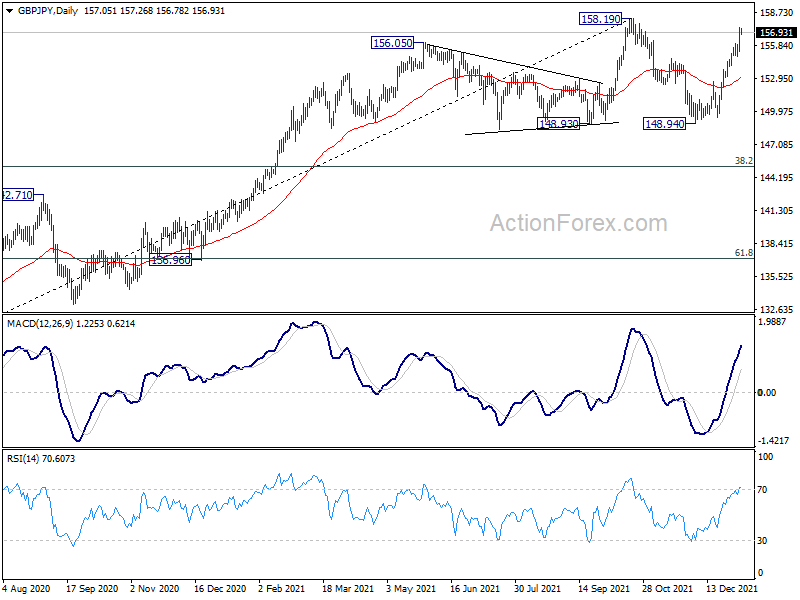
GBP/JPY Daily Outlook
Daily Pivots: (S1) 155.86; (P) 156.64; (R1) 157.91; More...
Intraday bias in GBP/JPY remains on the upside. As noted before, correction from 158.19 should have completed with three waves down to 148.94, after defending 148.93 key support. Further rally should be seen back to retest 158.19. Firm break there will resume larger up trend to 167.93 long term fibonacci level. On the downside, below 154.86 minor support will turn intraday bias neutral and bring consolidations first.
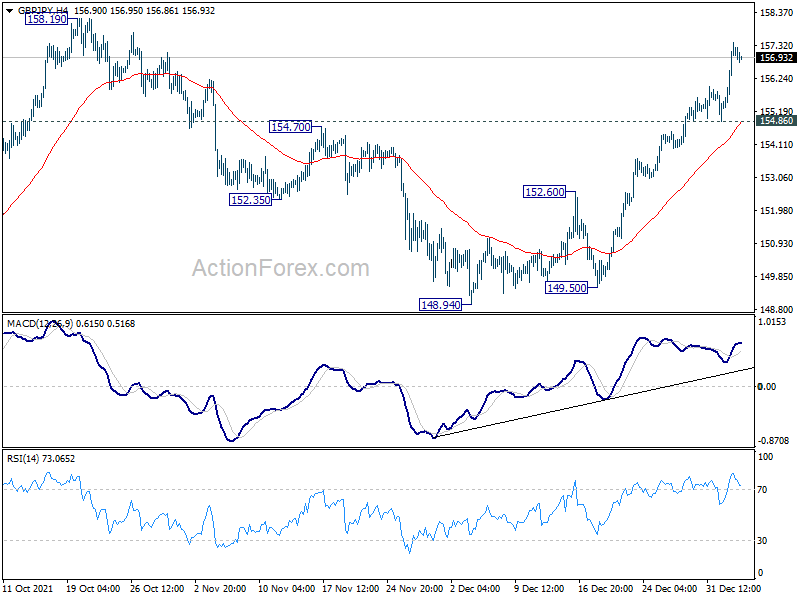
In the bigger picture, strong rebound from 148.93 key structural support will retain medium term bullishness. Firm break of 158.19 high will resume whole up trend from 123.94 (2020 low), to 61.8% retracement of 195.86 to 122.75 at 167.93. Nevertheless, firm break of 148.93 will bring deeper correction to 38.2% retracement of 123.94 to 158.19 at 145.10, and possibly further lower, as a correction to up trend from 123.94 at least