Sample Category Title
Foreign Exchange Market Commentary
EUR/USD
The EUR/USD pair traded around the 1.0630 for most of the last 24 hours, as investors were waiting for the US Central Bank monetary policy decision. Mrs. Yellen and Co. delivered the 25bps raise as expected, moving its benchmark interest rate to 0.75%-1.0%. There was only one dissenter, Minneapolis Fed President Neel Kashkari. The dollar was sold-off as an immediate reaction to the announcement, with the EUR/USD pair advancing up to 1.0710 with the news, settling a few pips below it ahead of Yellen's speech. She offered a positive outlook to the economy, as she said that the "economy continues to expand at a moderate pace." Weighing on the greenback were comments suggesting that the funds rate doesn’t need to rise "all that much" to get to where the Fed considers neutral. Despite the dot plot still favors three rate hikes this year, the market is convinced the Central Bank will deliver just two this year. Overall, a dovish stance.
Data coming from the US earlier in the day was mixed as February inflation showed the biggest annual increase in almost 5 years. The consumer price index advanced by 0.1% when compared to January, and up 2.7% from a year before. Retail Sales, however, were slightly disappointing, as purchases rose by just 0.1% as expected, the lowest gain in six months.
The pair rallied further after the release of the Dutch elections' result, showing that the ruling party is taking over 30 seats, while Geert Wilders' party won "just" 19, bringing relief to those concerned over populism in Europe, according to exit polls.
As for the technical point of view, the EUR/USD pair is trading at the higher in over a month, breaking through the 1.0700/20 region, and sharply bullish after the news. From a technical point of view, the risk is clearly towards the upside, given that in the 4 hours chart, the price has recovered above all of its moving averages, whilst technical indicators head sharply lower after surpassing their mid-lines, maintaining strong upward slopes and with the RSI indicator approaching overbought territory. If the price manages to hold above 1.0720, there's room for an extension up to 1.0820, the 50% retracement of the post-US election slide.
Support levels: 1.0720 1.0660 1.0635
Resistance levels: 1.0755 1.0790 1.0820

USD/JPY
The USD/JPY pair held above the 114.50 threshold until the US Federal Reserve unveiled its monetary policy decision, which resulted in a dollar's sell-off and sent the pair as low as 113.31, a fresh 2-week low. Yellen's soft wording towards the future, with the dot plot showing no relevant changes in the amount of upcoming rate hikes, neither in inflation or growth, disappointed those waiting for a more hawkish stance. US yields plunged with the news, with the 10-year benchmark down to 2.51% from previous 2.59%. During the upcoming Asian session, the Bank of Japan will have its monetary policy meeting, although no big changes are expected. The Central Bank is expected to maintain the status quo, focusing on the yield-curve control, whilst Governor Kuroda is expected to maintain its optimist outlook, despite inflation is nowhere near the Central Bank's target. The pair is set to fall further as it broke below a bullish 100 DMA, currently around 114.30, while a major Fibonacci resistance stands at 114.50, making of the region now a selling point. In the 4 hours chart, technical indicators have turned sharply lower after failing to overcome their mid-lines and now entering oversold territory, whilst the price is now around a horizontal 200 SMA after surpassing the 100 SMA, all of which supports additional declines during the upcoming hours.
Support levels: 113.30 112.90 112.50
Resistance levels: 114.00 114.50 114.95

GBP/USD
It was a wild ride the one the GBP/USD pair had today, recovering from a daily low of 1.2178, and challenging 1.2300 at the end of the day following the Fed's announcement. The UK released mixed employment figures this Wednesday, as the unemployment rate fell to 4.7% in the three months to January, level last seen in 2005. Additionally, there were 31.85 million people in work, 92,000 more than for August to October 2016 and 315,000 more than for a year earlier. Still, wages were a big miss, as Average Earnings, including bonus, slowed to 2.2% from previous 2.6% leaving real pay growth, adjusted for inflation, was just 0.7%. The Bank of England is having its monetary policy meeting this Thursday, largely expected to remain on hold, albeit weaker wages together with rising inflation, are a worrisome mixture that policymakers can't ignore for long. From a technical point of view, the 4 hours chart shows that the price bounced multiple times intraday from a bullish 20 SMA, whilst technical indicators regained the upside after testing their mid-lines, heading now north at fresh 1-week highs. The pair has a critical resistance at 1.2345, the 50% retracement of January's rally and February's low. If the price manages to break above it, the rally can extend up to 1.2425, the next Fibonacci resistance. Still, Brexit jitters weigh, and may trigger a sudden reversal on an approach to any of the mentioned resistances.
Support levels: 1.2260 1.2230 1.2190
Resistance levels: 1.2345 1.2385 1.2425

GOLD
Gold prices jumped to their highest since March 7th on dollar's broad weakness, ending the day near $1,220.00 a troy ounce. Investors were disappointed by the dot plot that offered no fastest pace in the rate rise path. Projections continue to indicate two rate hikes more for this year, while inflation and growth forecast were barely revised from December's ones. The daily chart shows that the commodity has recovered well above a major Fibonacci level around 1,210.00, the 38.2% retracement of the latest bullish run. The chart also shows that the price held above its 100 DMA, but also that the 20 SMA continues heading south above the current level, whilst technical indicators have bounced modestly, but remain well below their mid-lines, indicating a limited upward scope in the longer term. In the 4 hours chart, the sharp movement higher has helped the pair recover above a still flat 20 SMA, while pushed technical indicators higher, now heading north almost vertically. The commodity needs now to advance beyond 1,222.80 to be able to extend its rally up to 1,230.30, the 23.6% retracement of the mentioned rally.
Support levels: 1,197.10 1,188.20 1,180.50
Resistance levels: 1,210.00 1,218.50 1,226.70

WTI CRUDE
Oil prices found modest support in the EIA weekly report, showing a surprise drawdown in oil stockpiles. According to the US Energy Information Administration, inventories fell by 237,000 barrels in the week through March 10, following nine weeks of steady advances. The report also showed that total stockpiles stood at 528.2 million as US crude imports fell by 565,000 barrels and refinery activity declined. Crude stocks at the Cushing, Oklahoma delivery hub rose by 2.13 million barrels. Gasoline and distillate stockpiles also fell by more than expected, dropping 3.1 million barrels the first and 4.2 million barrels the second. West Texas Intermediate crude oil futures settled at $48.50 a barrel, a fresh weekly high, but the upward still seems limited, given that the recovery was quite shallow, despite dollar's weakness. Daily basis, the price was unable to surpass its 200 DMA, whilst technical indicators remain within oversold territory, with limited directional strength, maintaining the risk towards the downside. In the 4 hours chart, the price has settled a few points above a still bearish 20 SMA, whilst technical indicators are posting modest advances within neutral territory, hardly enough to anticipate further gains.
Support levels: 48.00 47.30 46.65
Resistance levels: 49.10 49.75 50.50

DJIA
Wall Street got a nice boost from the Fed, with all three major indexes closing in the green. The Dow Jones Industrial Average is back on its way to surpass 21,000, as the benchmark closed the day at 20,950.10, up 112 points or 0.54%. The Nasdaq Composite added 43 points, and settled at 5,900.05, an all-time high, while the S&P added 19 points or 0.84% to end at 2,385.26. The rally came after the FED failed to surprise the market, maintaining its stance of a gradual pace in rate hikes. Within the Dow, only six components closed lower, with Caterpillar leading the advance by adding 1.69%. UnitedHealth Group gained 1.66%, while Verizon advanced 1.62%. The daily chart for the Dow shows that the benchmark recovered modestly from around its 20 DMA, whilst technical indicators have pared losses and turned higher, with the Momentum barely bouncing from its 100 level, but the RSI indicator near overbought readings. In the 4 hours chart, the index has bounced from its 20 and 100 SMAs that stand together around 20,880, while technical indicators have lost upward strength after entering positive territory, rather reflecting the low volumes after the close than suggesting an upcoming downward move.
Support levels: 20,880 20,852 20,817
Resistance levels: 20,978 21,015 21,064

FTSE 100
The FTSE 100 posted some modest gains, adding 10 points and ending the day at 7,368.64. Hikma Pharmaceuticals was the best performer, advancing 8.04% following the release of its earnings report, as the profit drop was smaller than expected. The company reported an operating profit of £247.6M, hiking dividends. The second best performer was miner Glencore that added 2.86% after Goldman Sachs upgraded the share to ‘buy’ from ‘neutral.’ Rising iron-ore and copper, boosted the mining the sector, albeit Randgold Resources was among the worst performers, ending down 1.07% as gold underperformed. The Footsie extended its advance in after-hours trading, flirting with 7,400 ahead of the Asian opening, tracking Wall Street's advance. The daily chart maintains the positive tone seen on previous updates, with the index advancing further above a bullish 20 DMA and technical indicators extending their tepid advances within positive territory. In the 4 hours chart, the 20 SMA regained its upward strength well below the current level, whilst technical indicators hold within positive territory, but with limited upward momentum.
Support levels: 7,322 7,306 7,262
Resistance levels: 7,397 7,420 7,450

DAX
European equities closed marginally higher, with the German DAX adding 21 points, and settling at 12,009.87, as investors were cautious ahead of the US Federal Reserve monetary policy decision. There were little news to drive the German index, exacerbating the range bound trading. Commerzbank led the advance, adding 2.57%, followed by Deutsche Lufthansa that added 2.32%. Among the worst performers were E.ON, down 3.17% and Volkswagen that shed 0.96%. The daily chart suggests that the index may advance further this Thursday, as it already advanced in electronic trading, now at 12,059, holding above a bullish 20 SMA and with technical indicators regaining their bullish potential, but with the Momentum still within neutral territory. In the 4 hours chart, the technical picture also points for an upward extension, as the index moved further above a still flat 20 SMA, whilst technical indicators advanced within positive territory, and particularly the RSI indicator that stands at 63. March high stands at 12,067, the immediate resistance and the level to surpass to see the index retesting the multi-year high set last February at 12,099.
Support levels: 12,003 11,961 11,909
Resistance levels: 12,067 12,099 12,140

Market Morning Briefing
STOCKS
Stocks have bounced after the FED hiked rates by 25bps in line with market expectations.
Dow (20950.10, +0.54%) has bounced from just above support near 20800 and could head towards 21000-21200 in the near term.
Dax (12009.87, +0.18%) on the other hand has also risen but needs to break above the 12090 level to turn immediately bullish. Some consolidation in the 11930-12090 region is possible before it moves up sharply.
Nikkei (19551.58, -0.13%) is up too but is stuck within the 19400-19600 region. Looking at the 3-day and weekly charts, there is some scope of rising towards 20000 in the medium term.
Shanghai (3260.37, +0.57%) has broken the 3250 resistance contrary to our expectation and could possibly head higher towards 3275-3300 while above 3250.
Nifty (9084.80, -0.02%) could possible trade below 9130 for sometime before breaking on the upside. Near to medium term looks bullish with targets of 9130 and 9280 on the upside.
COMMODITIES
Overnight weakness in Dollar index (101.31) has boosted almost all the commodities across the board. Gold (1224) has broken its bearish channel resistance of 1220. Next level of resistance is at 1240-45.The bias will be bearish while it is trading below 1240.
Silver (17.44) is also hovering around its resistance of 17.45. A close above that could open up 18. We have US Unemployment data at 6.00 pm ISt, which may influence the prices of silver and copper.
Copper (2.67) was unable to close above its pivot at 2.72 of its recent trading range of 2.55-83. We will remain bearish while it is trading below 2.72-75.
Brent (52.14) and WTI (49.11) both had moved higher in line with our expectation. They are still within their trading ranges of 50-52.50 and 46-50 and may consolidate within these levels for few more sessions. We will remain bearish while Brent and WTI are trading below 53 and 50 levels respectively.Thus the possibility of a decline towards supports can’t be ruled out
FOREX
The Fed raised the rate by 25 bps as expected but the Dollar weakened as the Fed didn’t accelerate its timeline for future tightening. All the majors are have strengthened considerably against the Dollar.
Dollar Index (100.61) has broken below the major channel support at 101.00 after the Fed meet and if any immediate recovery is not seen within the next two sessions from the support of 100.40, then the major support at 99.00 returns into consideration.
Euro (1.0727), contrary to expectations, bounced back strongly to 1.0750 levels with the major resistance of 1.0835-70 not too far away. It may trade in the range of 1.0600-1.0850 for the next few sessions.
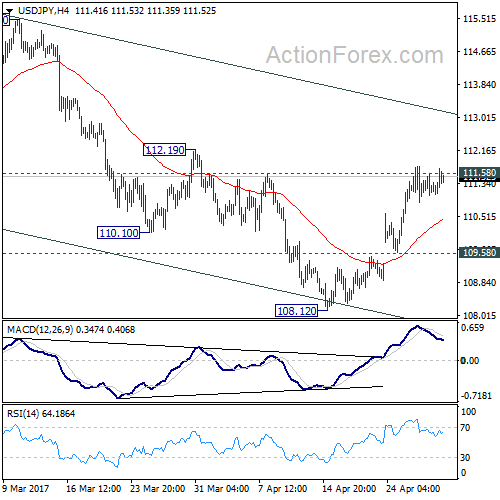
Dollar-Yen (113.44) negated the bullish bias with a break below 114.50. Currently it is testing the support of 113.10 below which comes much lower levels of 112.00- 111.70.
Pound (1.2268) has surged on the back of the global Dollar weakness and tested the upper end of the near term range of 1.20-1.23 but it still requires a firm break above 1.23 to open up higher levels of 1.2410-50.
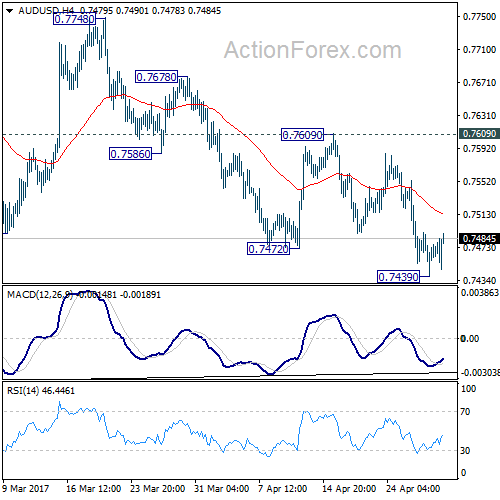
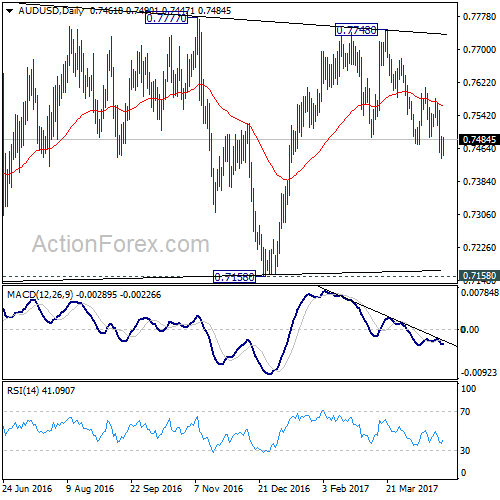
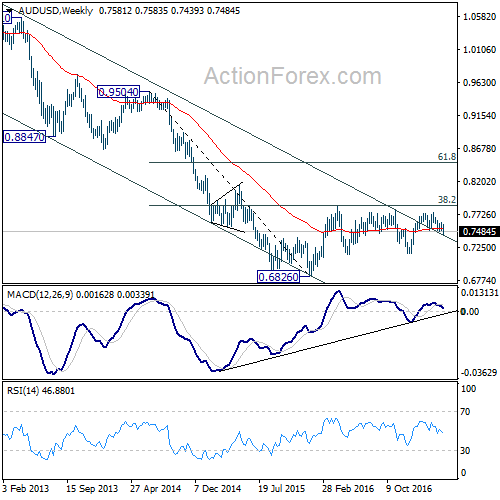
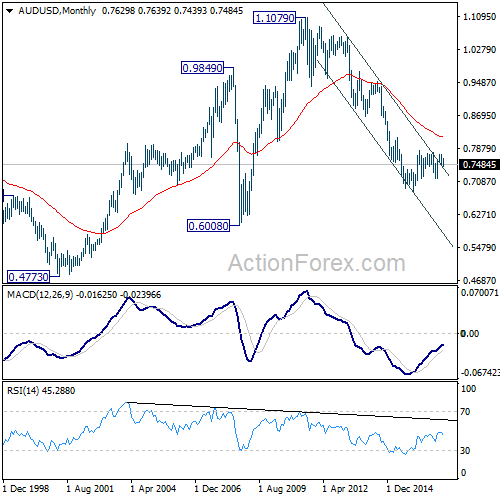
Aussie (0.7686) has broken out of the near term range 0.75-0.76 to the upside and now it trades close to the long term resistance area of 0.7750-0.7850. This long term resistance area is a very significant make or break zone which, if overcome, may determine the path for the next few months but it is still not clear if Aussie will manage to break above 0.7750-0.7850 immediately or not.
Dollar-Rupee (65.69) is trading at 65.35 in the NDF market, much below the closing price of 65.69. It remains to be seen if the support of 65.20 holds and triggers a bounce towards 65.80-90. Otherwise much lower levels of 64.80 will come into consideration.
INTEREST RATES
The FOMC March-meeting resulted in a 25bps rate hike as the markets had expected. But some surprise has come in as the FED sticks to 3-hikes this year as mentioned in the December meeting. People were expecting either a faster pace or 4-rate hikes this year. The US bond yields tumbled as the treasury bonds rallied immediately after the news flashed.
The US yields came off sharply from immediate resistance levels as mentioned yesterday. The 5Yr (2%), 10Yr (2.49%) and the 30Yr (3.10%) are trading lower than previous levels of 2.11%, 2.59% and 3.17% respectively.
The US 10-5Yr (0.49%) rose sharply and could be headed towards 0.50-0.52% in the near term.
The US-Japan 10Yr (2.41%) has come off in line with our expectation of a fall from medium term resistance levels. While the yield spread continues to move down, we could see the fall in Dollar Yen in the medium term.
The US-UK 10Yr (-1.29%) has bounced sharply indicating some up-move in Pound while immediate support near 1.21 holds. But note that the longer term still looks potentially bearish and the immediate bounce in the yield spread and Pound could be short lived.
The German-US 2YR (-2.13%) is heading towards resistance near -2.10% which if holds could push back the yield spread towards -2.15% or lower in the medium term.
Daily Technical Analysis
EURUSD
The EURUSD had a strong bullish momentum yesterday topped at 1.0740. The bias is bullish in nearest term testing the daily EMA 200 located around 1.0830 area which is a good place to sell with a tight stop loss. Immediate support is seen around 1.0685. A clear break below that area could lead price to neutral zone in nearest term testing 1.0630/00 support area. Overall I remain neutral.

GBPUSD
The GBPUSD had a bullish momentum yesterday topped at 1.2308 after another failure to make a clear break below 1.2135 key support as you can see on my daily chart below. The bias is bullish in nearest term especially if price able to make a clear break above 1.2300 testing 1.2400. Immediate support is seen around 1.2225. A clear break below that area could lead price to neutral zone in nearest term testing 1.2175 but key support remains at 1.2135. Overall I remain neutral.

USDJPY
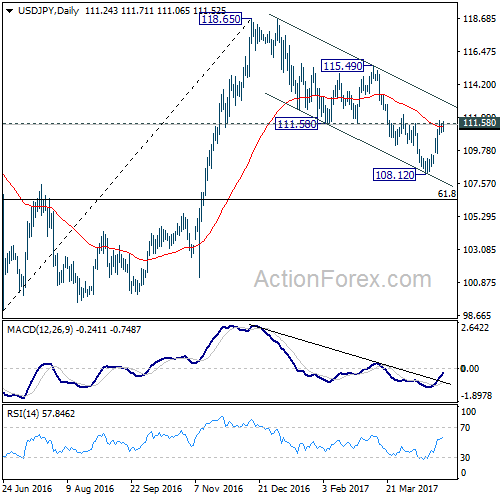
The USDJPY had a bearish momentum yesterday bottomed at 113.16. The bias is bearish in nearest term testing 112.50 area. Immediate resistance is seen around 114.00. A clear break above that area could lead price to neutral zone in nearest term as direction would become unclear. On the downside, a clear break and daily close below 112.50 would expose 111.50/30 key support which is a good place to buy with a tight stop loss

USDCHF
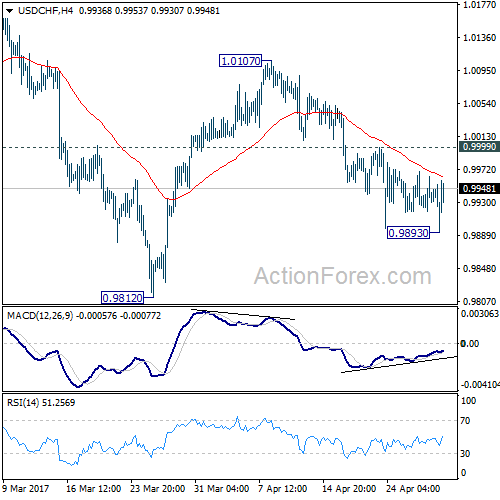
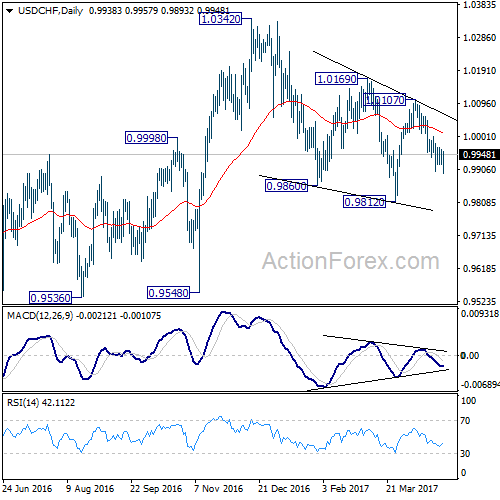
The USDCHF had a strong bearish momentum yesterday bottomed at 0.9984. Price broke below the bullish channel as you can see on my H4 chart below suggests a bearish outlook testing 0.9950 – 0.9870 support area. Immediate resistance is seen around 1.0050. A clear break back above that area could lead price to neutral zone in nearest term as direction would become unclear. Overall I remain neutral.

Bank Of England Expected To Hold
The Fed disappointed with dovish statement
The USD dropped versus majors after the much anticipated rate hike at the end of the March Federal Open Market Committee (FOMC). The Fed raised rates by 25 basis points as expected, but did not alter economic projections and Fed Chair Janet Yellen was less hawkish than the market expected given her comments in the buildup to the policy meeting.
A week filled with central bank activity continues with the Bank of Japan (BOJ) policy rate in overnight trading to be followed by the Swiss National Bank (SNB) on Wednesday, March 16 at 4:30 am EDT (8:30 GMT) and the Bank of England (BoE) to publish its monetary policy summary at 8:00 am EDT (12:00 GMT).
The BoE is forecasted to keep the interest rate and QE amounts unchanged. Higher inflation mostly driven by food and energy prices will give fodder to the hawks that will be reflected in the minutes of the meeting published at the same time as the statement. Brexit anxiety is high with the U.K. government planning to trigger Article 50 on Tuesday will be on the minds of BoE members as Scotland is calling for a second independence referendum within a two year time frame.

The EUR/USD gained 0.622 percent in the last 24 hours. The single pair is trading at 1.0682 after the U.S. Fed raised the benchmark interest rate by 25 basis points as was expected. Members of the Fed cautioned the market that its views on the March FOMC meeting were offside back in February which was a strong hint a rate hike was coming. The EUR/USD had already priced in the telegraphed rate decision, with investors keeping a close eye on the economic projections and press conference with Chair Yellen.
The USD lost traction as the rate statement, economic projections and Yellen’s comments were less hawkish than expected given the guidance given by the Fed ahead of the March meeting.
The EUR was not able to appreciate as much as other majors on the eve of the Dutch elections. The uncertainty around the result has put a downward pressure on the currency given the probability of Freedom Party candidate Geert Wilders’ victory. Brexit and U.S. election’s polls have steered markets wrong in the last 9 months so its no surprise investors are anxious about the result. A Wilders win could pave the way for more far-right victories in particular looking ahead at the French elections in April.

The USD/JPY lost 1.04 percent on Wednesday’s trading session. The currency is trading at 113.52 after the release of the FOMC rate statement. The USD was on the cusp of breaking the 115 price level ahead of the announcement, but is near session lows at 113.52 as the Fed maintained its economic forecasts despite growing optimism about the U.S. economy elsewhere.
During the press FOMC press conference Fed Chair Janet Yellen was asked if members discussed the possible Trump administration policies such as tax cuts and infrastructure spending and she said they did not discuss them and will not do so until there are more details. The Fed has hiked once every year since 2015, but this year the hike came sooner than the market originally expected. Fed members had to drop heavy hints about their plans as they moved into a more proactive dynamic. The market was reading proactive as hawkish, but Yellen’s words have downplayed that particular reading as the Fed will not set a schedule for its monetary policy tightening leaving up the economic data to decide putting again the onus on the Trump administration to boost the USD.

The GBP/USD gained 1.08 percent in the last 24 hours. The pound gained after the Fed raised rates as expected but also signalled lack of urgency in future rate decisions. The pair is trading at 1.2287 after the Fed announcement looking ahead to the Bank of England (BoE). The BoE is expected to keep rates and QE on hold and continue its dovish outlook.
Market events to watch this week:
Wednesday, March 15
Tentative JPY BOJ Policy Rate
Tentative JPY Monetary Policy Statement
Thursday, March 16
2:30am JPY BOJ Press Conference
4:30am CHF Libor Rate
4:30am CHF SNB Monetary Policy Assessment
8:00am GBP MPC Official Bank Rate Votes
8:00am GBP Monetary Policy Summary
8:00am GBP Official Bank Rate
8:30am USD Building Permits
8:30am USD Philly Fed Manufacturing Index
8:30am USD Unemployment Claims
Friday, March 17
8:30am CAD Manufacturing Sales m/m
10:00am USD Prelim UoM Consumer Sentiment
FOMC Review Fed Says It Is On Track, Not More Hawkish
Hike 'does not represent a reassessment of the economic outlook'
The overall message from the meeting was that the Fed is on track and delivered one of the three hikes it projected back in December 2016 - the Fed has not become more hawkish. This was in line with our expectation, see also FOMC preview.
In her opening remark, Fed Chair Yellen said that the decision to hike 'does not represent a reassessment of the economic outlook' but reflects the 'continued progress toward' full employment and 2% inflation.
Yellen also noted that the median 'dots' were 'essentially unchanged' from the last projections in December (see slide 4). The dots still signal three hikes in both 2017 and 2018. It is worth keeping in mind that the Fed is data dependent and will not hike unless data support the case, which it showed last year.
There were no major changes to the FOMC statement. The most important change was that it stated the inflation goal is 'symmetric', which we interpret that the Fed still wants inflation to move higher and does not mind if it overshoots the target a bit (although not persistently).
Yellen repeated that she estimates the current level of the real Fed funds rate is around 0%, meaning that a total of four hikes would be one too many this year, as it would make monetary policy neutral instead of accommodative. She expects it to move to 1% in coming years (3% nominal).
We expect the Fed to hike twice more this year (July and December) and three-four times next year. We expect the Fed to begin the reduction of its balance sheet in Q1 18 (see also slide 5).
Fed still awaits more information about 'Trumponomics' and previous meetings have revealed that 'almost all' FOMC members think there are upside risks to growth due to the expectations of more expansionary fiscal policy.
Perhaps we will get more information tomorrow when Trump's budget proposal for fiscal year 2018 is expected to be published. Note that the US debt limit suspension expires today, see also Research US: Debt limit suspension expires
Markets were positioned for a more hawkish Fed
EUR/USD bounced on the announcement
As some expected a more hawkish stance from the Fed, we saw a repricing of the Fed after the meeting, as the Fed did not raise the median dots for this year and next year, still signalling three rate hikes in both. Markets now price 1.6 hikes for the rest of this year and a total of 3.6 hikes before year-end 2018 (versus 1.7 and 3.9 yesterday).
EUR/USD bounced on the Fed announcement and the exit poll from the Dutch election showing PM Rutte'sVVD becomes the biggest largest party (31 seats versus 19 seats to Wilder's Freedom Party). Technically, short-term momentum indicators for EUR/USD are turning bullish and we could see a near-term move to the upper end of the recent 1.0350-1.0850 range.
We view that relative rates are slightly EUR/USD bearish, as the market has turned too hawkish on the ECB pricing in a 10bp rate hike by March 2018, while the Fed is slightly underpriced.
However, other factors such as valuation and the record-high eurozone-US current account differential are clearly EUR/USD bullish.
Hence, EUR/USD is in our view currently forming a base and we expect a gradual move higher later in the year forecasting the cross at 1.12 in 12 months.

Fed maintained 'dot' signal at three hikes per year


The Fed discussed 'eventual change to reinvestment policy'
Weexpect quantitative tightening to begin in Q1 18
FOMC members have become more vocal on their desire to reduce the Fed's balance sheet in recent months and Yellen said in her opening statement that the Fed discussed 'a number of issues related to an eventual change to our reinvestment policy', which means we have to look out for this in the minutes.
In the statement, the Fed maintained its current strategy that it will continue to reinvest until the normalisation of the Fed funds rate is 'well under way', which seems to be when it is around 1.50% (half of the Fed's estimated neutral rate at 3.00%), although Yellen said that it was a more 'qualitative' statement than 'quantitative'.
We think the Fed will begin the reduction in Q1 18. An NY Fed survey shows that primary dealers expect it to begin a bit later in mid-2018.
Read also Research US: Fed's regulatory hurdle for starting quantitative tightening, 13 March

FOMC: Anticipated Rate Increase in Domestic/Global Context
For the U.S., economic policy takes on both a domestic and global context. We are a large country in the economic world and our actions have global implications—never more true than with monetary policy.
Rising Rates and The Dot Plot Projections
As expected, the FOMC did raise the fed funds rate target 25 basis points at the meeting today. The median expectation for 2017 remained at three rate hikes, which also remains our forecast. The dots showed 2018 and longerrun projections unchanged, while the median projection for 2019 rose slightly (top chart).
The FOMC, by taking on a preemptive policy action in March, avoids the complication that a surprise French election result or other unforeseen event might upend a June rate hike. A March rate hike puts in place an easier path for the FOMC to raise rates three times in 2017, particularly given that Chair Yellen's term ends in February 2018.
Meeting Its Goals: A Question on Inflation and a Fog
The minimal changes in the Fed's dot plot projections were reflected in the economic forecasts. Real GDP growth was left unchanged throughout the forecast horizon with the exception of a 0.1 percentage point upward revision to 2018. In regard to inflation, the projection for the core PCE deflator rose by 0.1 percentage point in 2017; otherwise, the median inflation projections remained unchanged. Inflation, as measured by the PCE deflator, is moving higher but remains relatively tame (middle chart). Meanwhile, in our view, the FOMC's full employment target has been more or less met. One of the three FOMC policy pillars is that policy should look forward. We expect the FOMC to work on this pillar as an improving economy pushes inflation toward the Fed's two percent goal.
The Fed's longer-run median projection for the neutral fed funds rate is three percent; with a two percent inflation target, the real long-run fed funds rate is implicitly one percent. Such a low real funds rate indicates something about potential growth that may not be consistent with the goals of the current administration.
Dollar/Growth and Rates Interactions
U.S. rates serve as the benchmark for global investors as changes in U.S. rates alter yield spreads between sovereign debt returns as well as defining exchange rate risk between countries. With out-of-sync economic cycles, the actual and expected interest rate/growth differentials for the U.S. support the case for the dollar's increase in value over the last six months (bottom graph) as well as a further increase over the next six months.
Other central banks around the world are challenged. Since the ECB and BOJ are not in a position to raise rates, actions by the Federal Reserve will not be followed and thereby the dollar's exchange value rises. This will promote financial capital outflows. China is in a more difficult situation since a stronger dollar would increase bilateral trade imbalances and incentivize further capital outflows–difficult results in today's context.

Fed Boosts Target Range to 0.75% – 1.00%
- All but one dovish dissenter voted for today's rate increase.
- The statement remained upbeat on the economy, noting moderate growth, solid job gains, rising consumer spending and firming business investment.
- There was no change in forward guidance on interest rates or the Fed's reinvestment policy.
- Median economic projections and the 'dot plot' were little changed, the latter amid some expectation that the Committee might see a slightly faster pace of rate hikes as appropriate next year.
Our Take:
A favourable assessment of current economic conditions and confidence that the outlook remains bright underpinned Chair Yellen and her colleagues' decision to raise the funds target by 25bps. This marked the third rate hike this cycle and the shortest period between increases at just three months. The FOMC remains confident that the economy will continue to grow, labour market conditions to tighten somewhat further and inflation to stabilize at its 2% objective even as they gradually raise the policy rate. This confidence was evident in the forecast supplied with the statement that showed the median growth forecast at 2.1% in both 2017 and 2018 - solidly above the 1.8% longer run estimate - even with policymakers anticipating another two rate hikes to be delivered this year and three next year. Once again, the statement made no mention of any lift from fiscal policy suggesting upside risks to the Fed's forecast should the Trump Administration deliver on their campaign promises of tax cuts and lighter regulations.
We remain confident that the US economy will grow at an above-potential pace. Early data for the first quarter points to growth running at about a 2% annualized pace - enough to exert further downward pressure on the unemployment rate. However, given the elevated level of uncertainty about the direction of fiscal policy, the Fed is likely to keep on the path of gradual rate hikes. A dose of stimulus with the economy already running close to its speed limit could be a recipe for a faster-than-desired pickup in inflation and require a more aggressive response by the Fed. However until there is clarity on the Administration's game-plan, the Fed's strategy will remain the slow and steady removal of accommodation.
EURUSD – Rallies, Looks To Extend Strength
EURUSD - The pair rallied strongly to reverse its two-day losses on Wednesday. On the upside, resistance comes in at 1.0750 level with a cut through here opening the door for more upside towards the 1.0800 level. Further up, resistance lies at the 1.0850 level where a break will expose the 1.0900 level. Conversely, support lies at the 1.0650 level where a violation will aim at the 1.0700 level. A break of here will aim at the 1.0750 level. Its daily RSI is bullish and pointing higher suggesting further upside. All in all, EURUSD faces further upside pressure.

Fed Hikes Rates: EUR/USD Positioning
The Federal Reserve this morning raised its benchmark interest rate a quarter of a percent from 0.75% to 1.00%.
'Our decision to make another gradual reduction in the amount of policy accommodation reflects the economy's continued progress. Today's decision is in line with that view, and does not represent a reassessment.'
Basically, traders remain optimistic because this basically signals that there wont be any surprises or variations from the Fed's dot plot, signalling that three hikes this year in total is actually going to happen.
The US Dollar was obviously positioning itself further to the side of caution and the huge drop (or rally in the majors like EUR/USD) shows the repricing as the market comes back in line with reality. Buy the rumour, sell the fact happening right in front of your eyes.
It sums up modern day central bank economics in trading forex markets, when the market does exactly the opposite of what the textbook says it should do, all because of how the market is priced heading into the decision or release.
Moving onto the charts and on the blog back in the first week of march, we had been watching this major EUR/USD support level that I've quoted here with my thoughts at the time:
EUR/USD 4 Hourly:

So as you can see, we have a pretty obvious support level at the bottom of the chart thanks to that juicy double bottom.
Both touches of the level come within just a 6 pip zone and more importantly, both touches of the level were met with immediate buying to push out of the level HARD.
As we've spoken about above already, the market being cautiously positioned meant that when the Fed hiked, the USD got smashed and as a result, EUR/USD was a major winner:
EUR/USD 4 Hourly:

A major winner that just happened to be positioned nicely above higher time frame support and continuing to be bought on every short term technical pullback as a result.
‘Carry On’, My Wayward Markets…
'Carry on', my wayward markets…
The FOMC decision lived up to its stormy expectations, but seriously wrong-footed the markets and gutted dollar long position as dollar bulls found themselves hitting the reboot button.
Let's face it – it was hard to envision much more Fed tightening in the near-term, with the market leaning three hikes in 2017 and pricing in a 2 in 2018. But the ever-present speed bump, Dr Yellen, delivered a baseline of at least two hikes this year, but probably three, focusing the markets on the Summary of Projections, primarily the nefarious dot plots. The first words I heard down the squawk were, 'so what are we going to do now?'.
Little changed in the Fed's policy outlook from that communicated in December, so the trading decision was easy, as EM FX roared back to life setting the stage for the AUD to shine and, in predictable fashion, the USDJPY rolled over.
The absence of any observable hawkish guidance from the Fed will leave the Greenback under pressure near term. USDJPY ingested most of the initial move, but the response from AUD, NZD and EM traders suggest the market will be in 'carry on' mode for the foreseeable future.
Australian Dollar
So much for the month-long market repositioning amid concerns that the Fed was looking to push US rates higher at a much faster pace, boosting the likelihood of the divergence in monetary policy between the US and G10 currencies.
Aussie dollar traders were quick to tap the reset button as whatever silly arguments we were making for a lower AUD went out the window, as it became apparent that not only is now a good time to unwind shorts, but it is likely a good opportunity to get some carry-on.
The dove, Yellen, in one comment, 'the data have not notably strengthened”, made the markets a safe place to extend risk at least until June anyway.
As we find ourselves back in the AUD death valley at .77-.7750, the speed of the move has me erring in buy on dip mode, as opposed to chasing this initial move, especially ahead of the employment data. But I suspect the all clear signal from the Feds bodes well for AUD, where I would expect the carry appeal to have a more lasting effect on the Dollar bears.
The Australian Employment data came in at -6.4 K vs. +16.K while Unemployment rates at 5.9% vs. 5.7 % suggest a clear out of freshly minted longs. But given the unpredictability and huge variance in this data point, I expect the Aussie to remain supported on dips
G-3
The less hawkish tone from the Fed also boosted Europe's single currency, and the JPY strengthened against the USD to 113.15 before the buck recovered. While the Yen move is a USD bond driven, the EURO looks to be a more interesting setup.
With EUR refusing to concede 1.05 despite Fed hikes, US Treasury selloff, European election risks, ECB extending bond buying program and Trump's talks on fiscal, the Euro may end up being the biggest beneficiary of the Dovish Fed. With near-term political risk fading and the chance that Draghi could reinforce his surprisingly hawkish tenor of late, the Euro may be poised to make some significant headway despite the lingering risk of the French election.
EM Asia
So much for the market fearing a hawkish Fed. Dr Yellen's delivery couldn't be anymore dovish, with the Fed view back to a baseline of at least two hikes. It is all but an open invitation to buy EM, equities, commodities and re-engage the carry trade as the Fed has greenlighted risk for the foreseeable future. Forget a May hike and look for June to fade at the slightest hint of softer US economic data.