The FOMC minutes from the May 6–7 meeting highlighted growing anxiety among policymakers about the dual threat of persistent inflation and deteriorating growth prospects, largely stemming from US trade policies.
Nearly all participants flagged the risk that inflation could be “more persistent than expected” as the economy adjusts to elevated import tariffs. This situation, they warned, could force the Fed into “difficult tradeoffs” if inflation stays stubborn while growth and employment begin to falter.
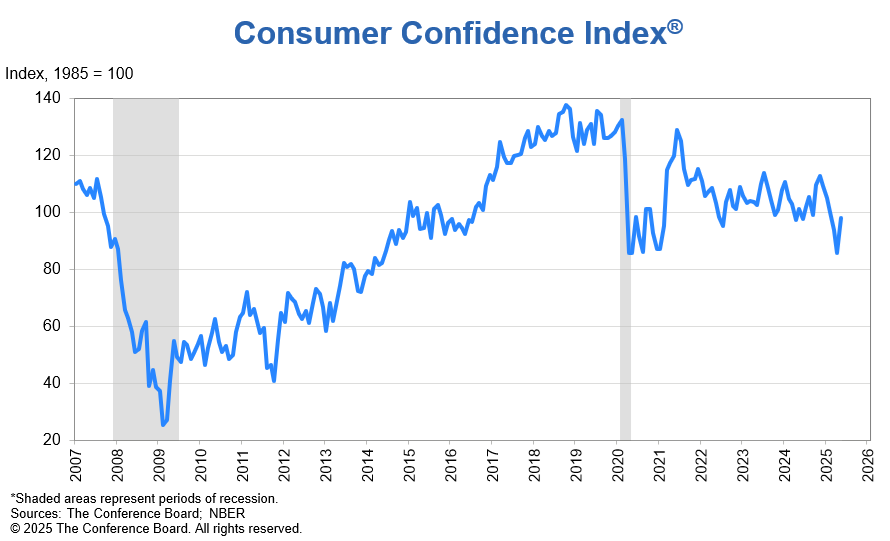
The Committee agreed that uncertainty surrounding the economic outlook had “increased further”, justifying a cautious stance on monetary policy, “until the net economic effects of the array of changes to government policies become clearer.”
Fed staff revised their GDP projections lower for 2025 and 2026, citing a larger-than-anticipated drag from recent tariff announcements. Beyond the short-term impact, officials also warned of longer-term structural effects, with trade restrictions likely to slow productivity growth and reduce the economy’s potential “over the next few years.”
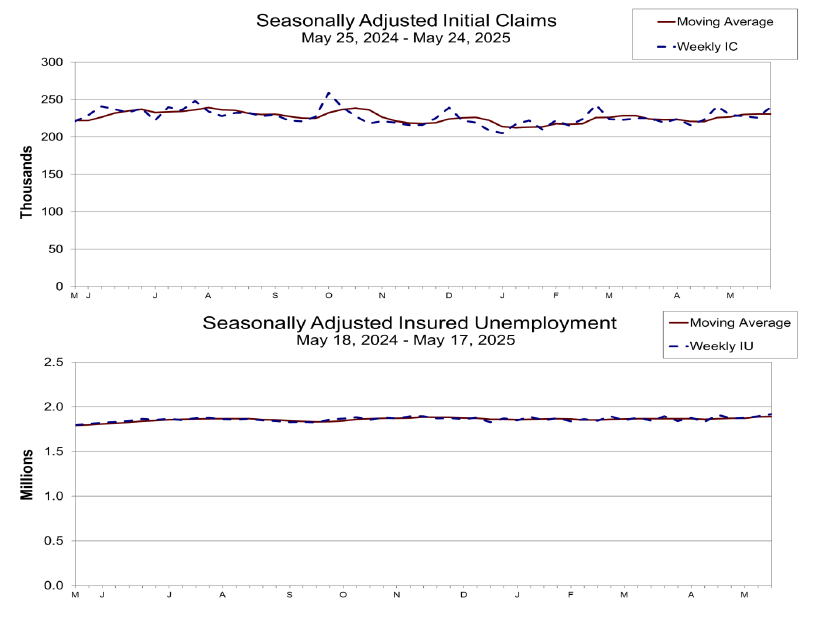
The labor market outlook has also darkened, with staff forecasting the unemployment rate to rise above its “natural rate” by year-end and remain elevated through 2027.
Inflation forecast was revised higher, with tariffs seen boosting prices notably in 2025, before gradually easing. Inflation is still expected to return to 2% by 2027, but the path there is now more complicated.
Full FOMC minutes here.






BoE’s Bailey stresses caution on rate cuts amid inflation surprises and trade uncertainty
BoE Governor Andrew Bailey emphasized the need for a “gradual and careful” approach to future interest rate cuts in light of lingering global trade uncertainty and its impact on domestic inflation.
His comments follow last week’s stronger-than-expected inflation data, which showed UK CPI jumping to 3.5% in April from 2.6%. Bailey noted it remains unclear how much of the increase is due to seasonal factors, and said the BoE will closely examine the next set of inflation data ahead of its June policy decision.
Bailey acknowledged that while core inflation is “gradually grinding down”, the pace of improvement remains sluggish. He also highlighted a renewed rise in food price inflation, which—although not unique to the UK—has a significant influence on public inflation perceptions.